
Window Your Own World
This assignment challenged us to create an audio-visual installation that uses projection to explore the theme “Window into a World.” The goal was to start from a clear concept and build an experience that transports viewers into another world or perspective using both sound and video. This was byfar my favourite project, because I got to use arduino and Touchdesigner.
The start of the idea
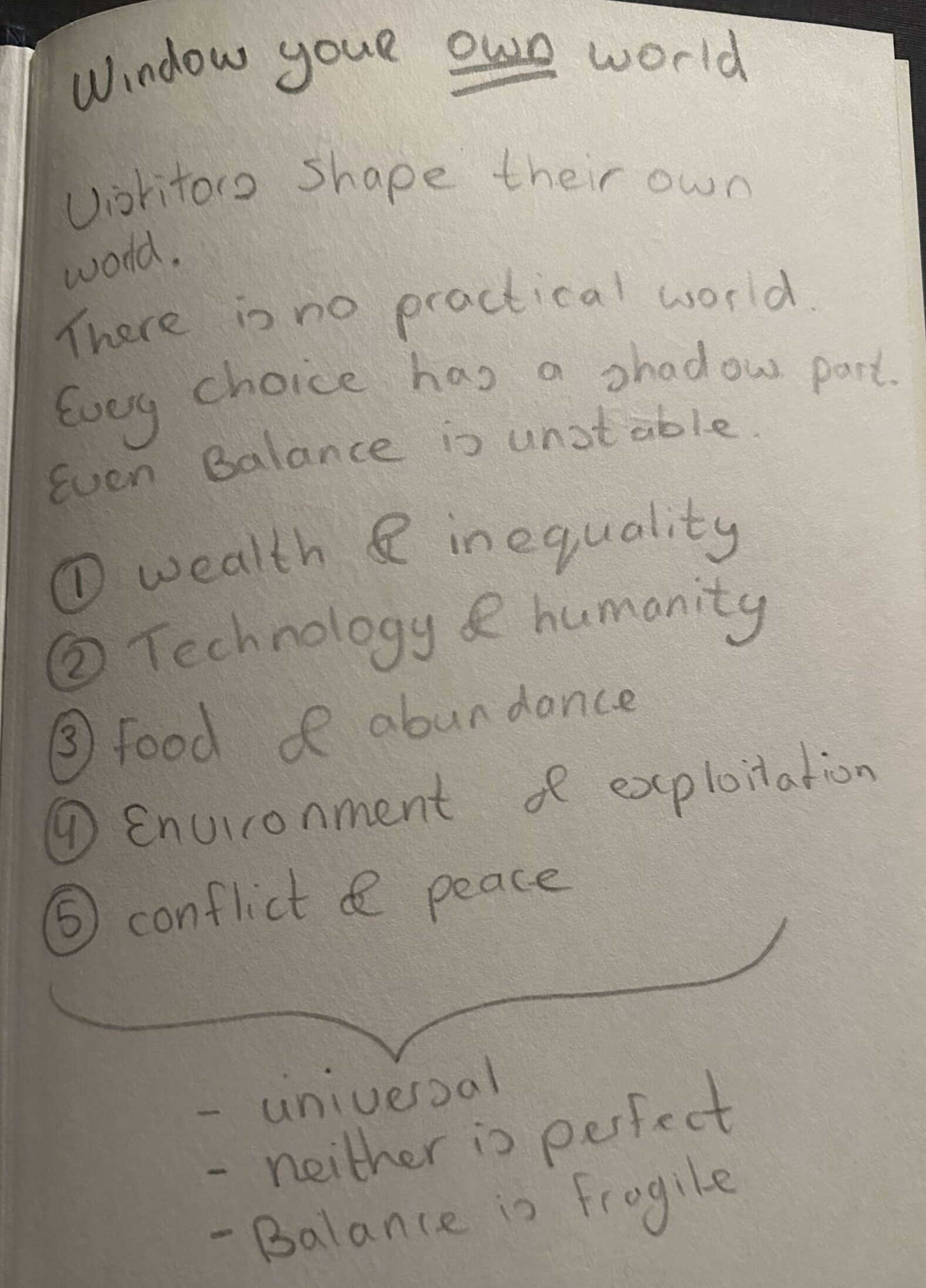
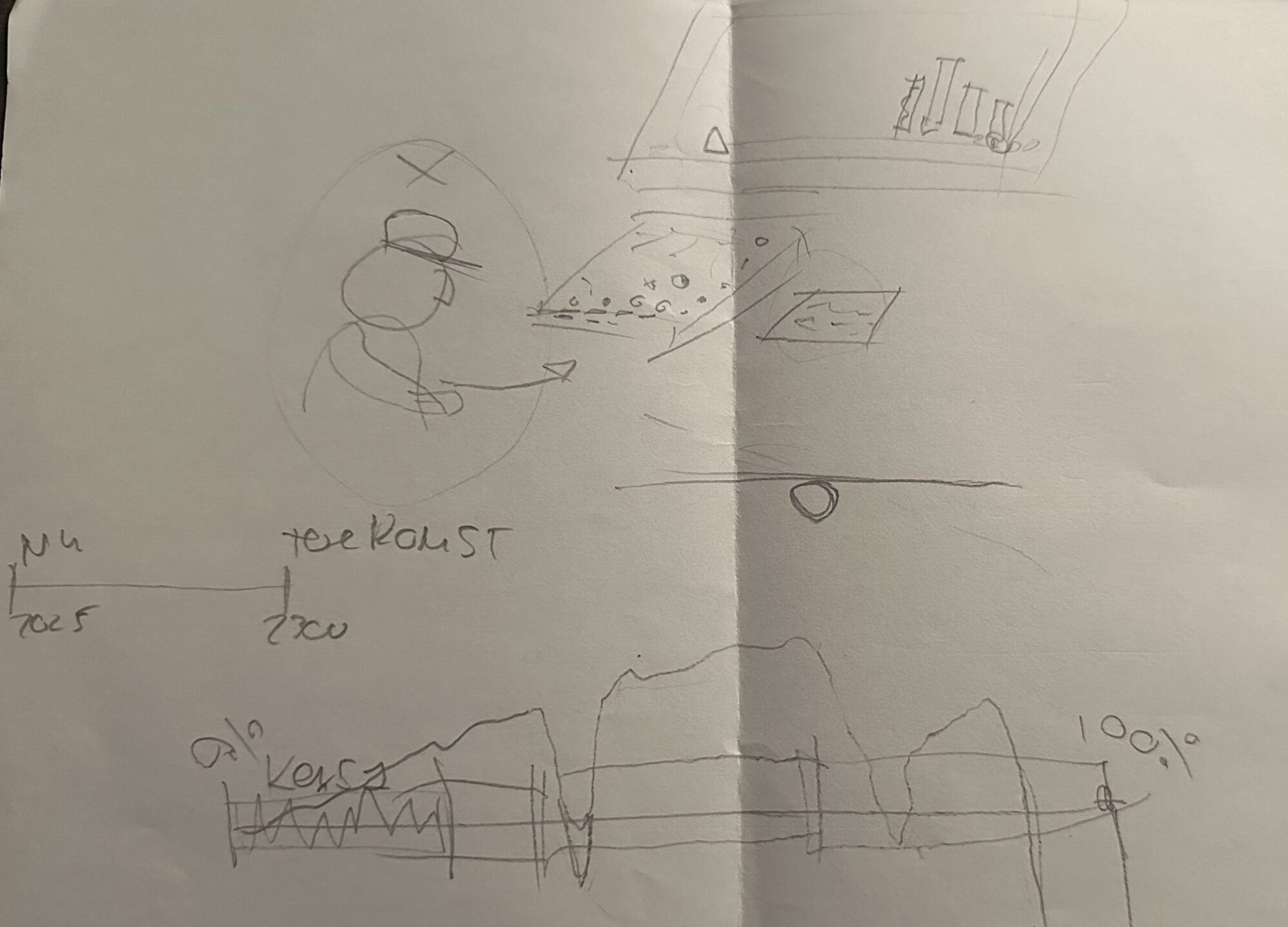
Window into a World started as a simple brainstorm, but quickly transformed into something more personal: Window into Your World. I became fascinated by the idea of giving someone the feeling of “playing God” for a moment, shaping their own world and immediately seeing the consequences unfold before their eyes.
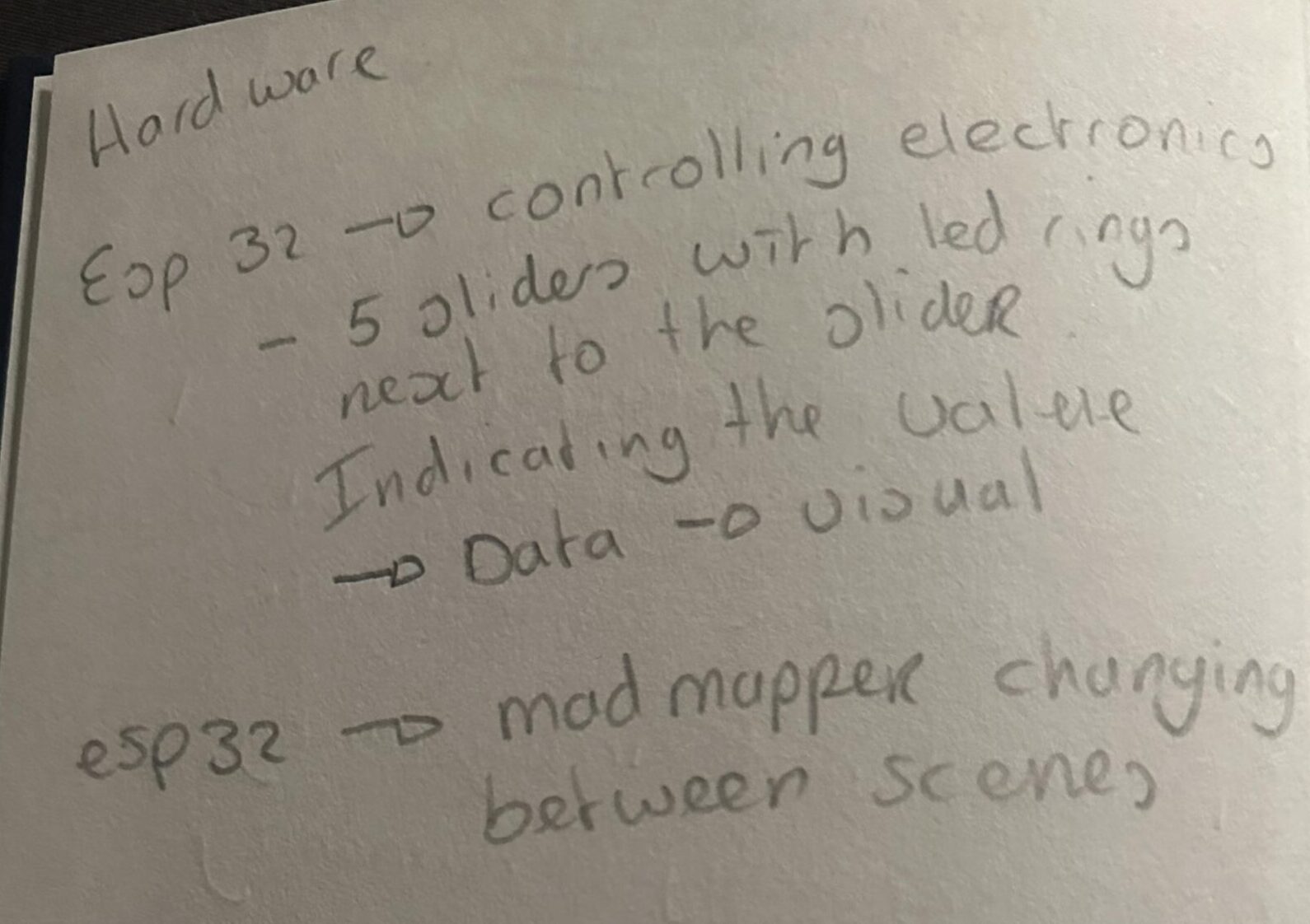
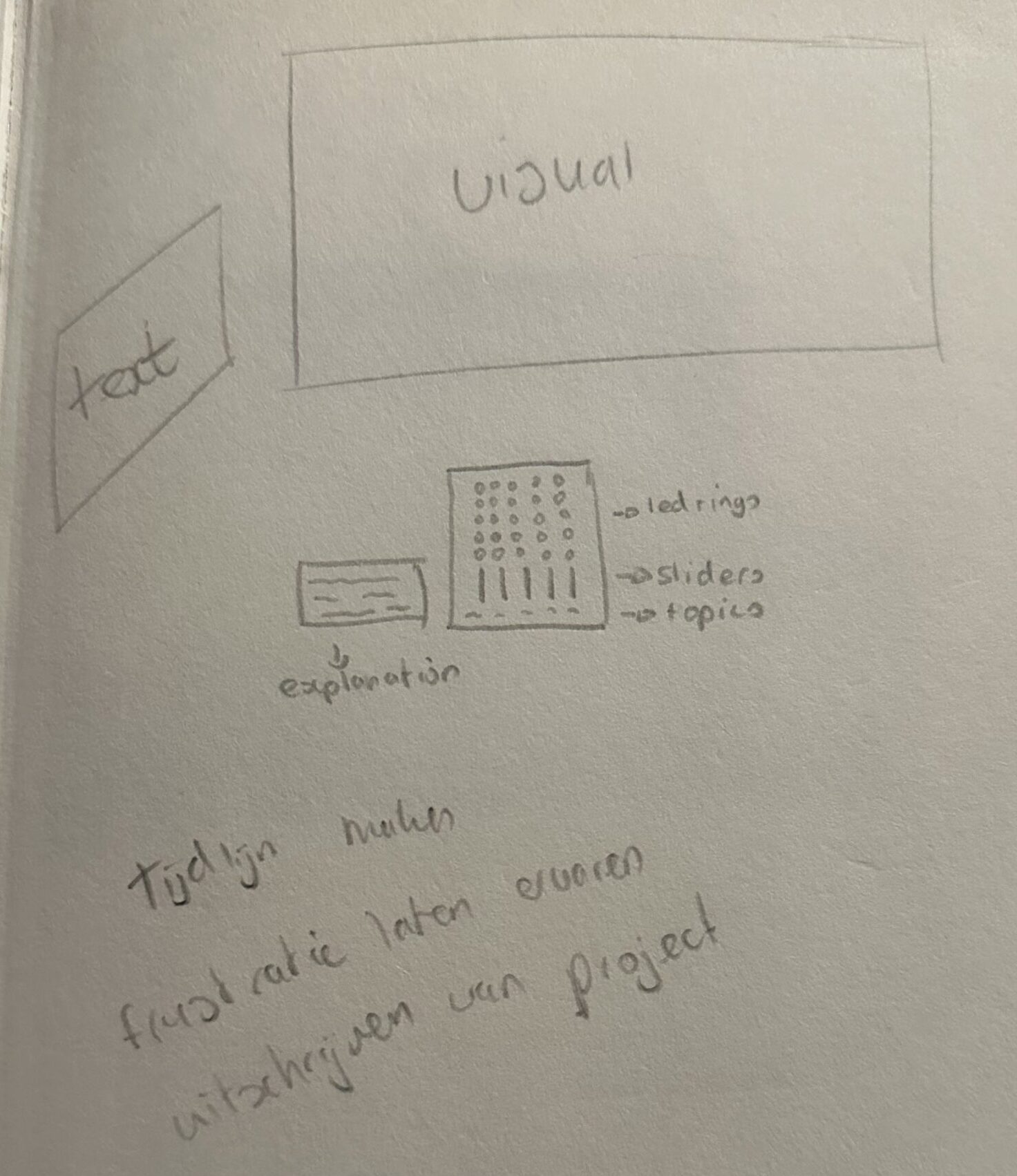
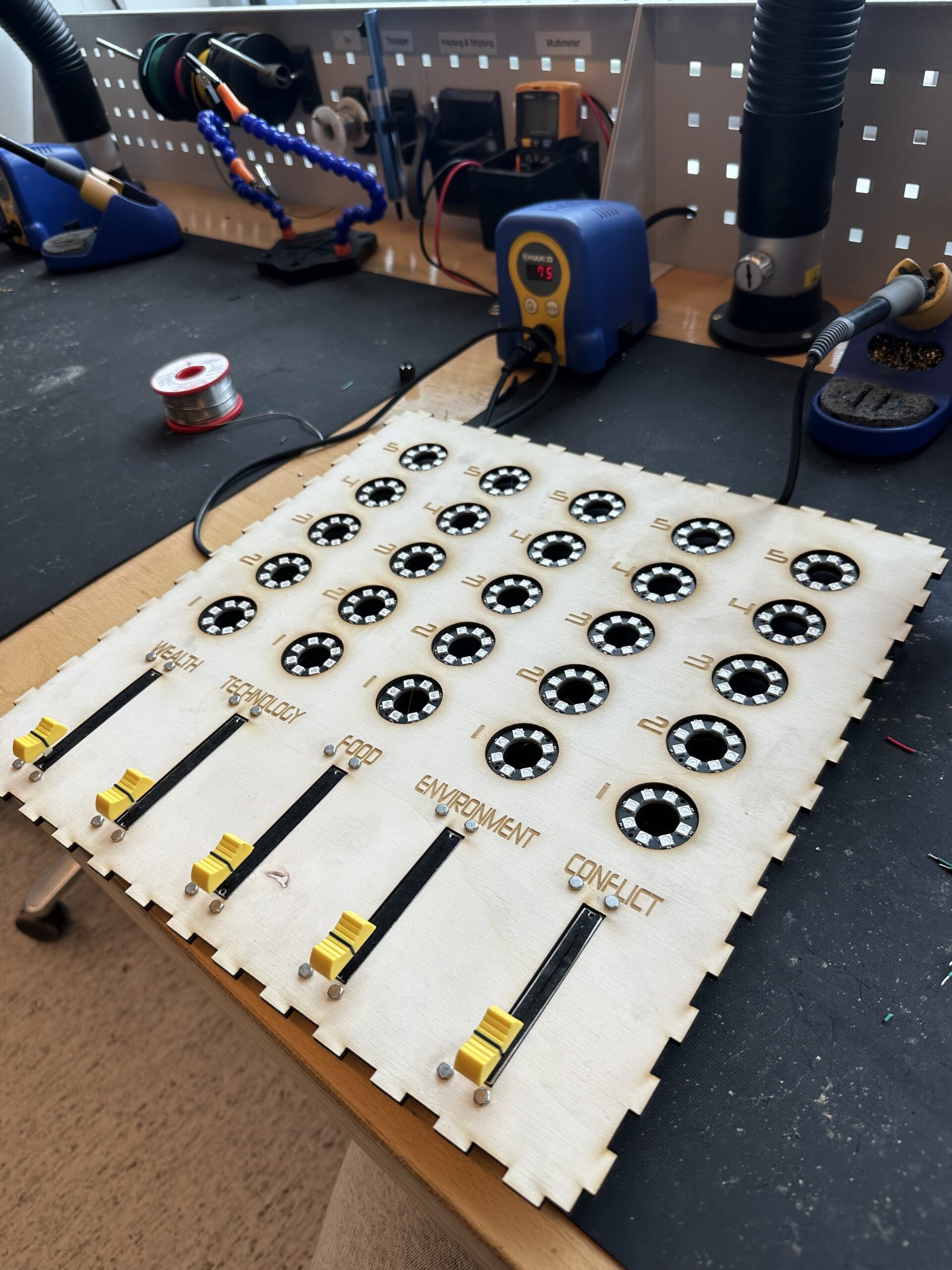
From the very beginning, I knew I wanted to create a physical device: a controller built around an ESP32, equipped with sliders. Each slider adjusts a fundamental value of the world, and these values are sent directly into TouchDesigner, where a unique visual representation is generated based on the user’s configuration.
From there, I focused on the user experience. How do I keep the interaction exciting? How do I trigger curiosity and ensure that each adjustment feels meaningful? These questions guided my choices for the slider topics, the pacing of the installation, and the overall presentation.
The result is an installation in which the visitor doesn’t just observe a world, they create it, influence it, and experience it, becoming both the designer and the witness of their own creation.
Controller
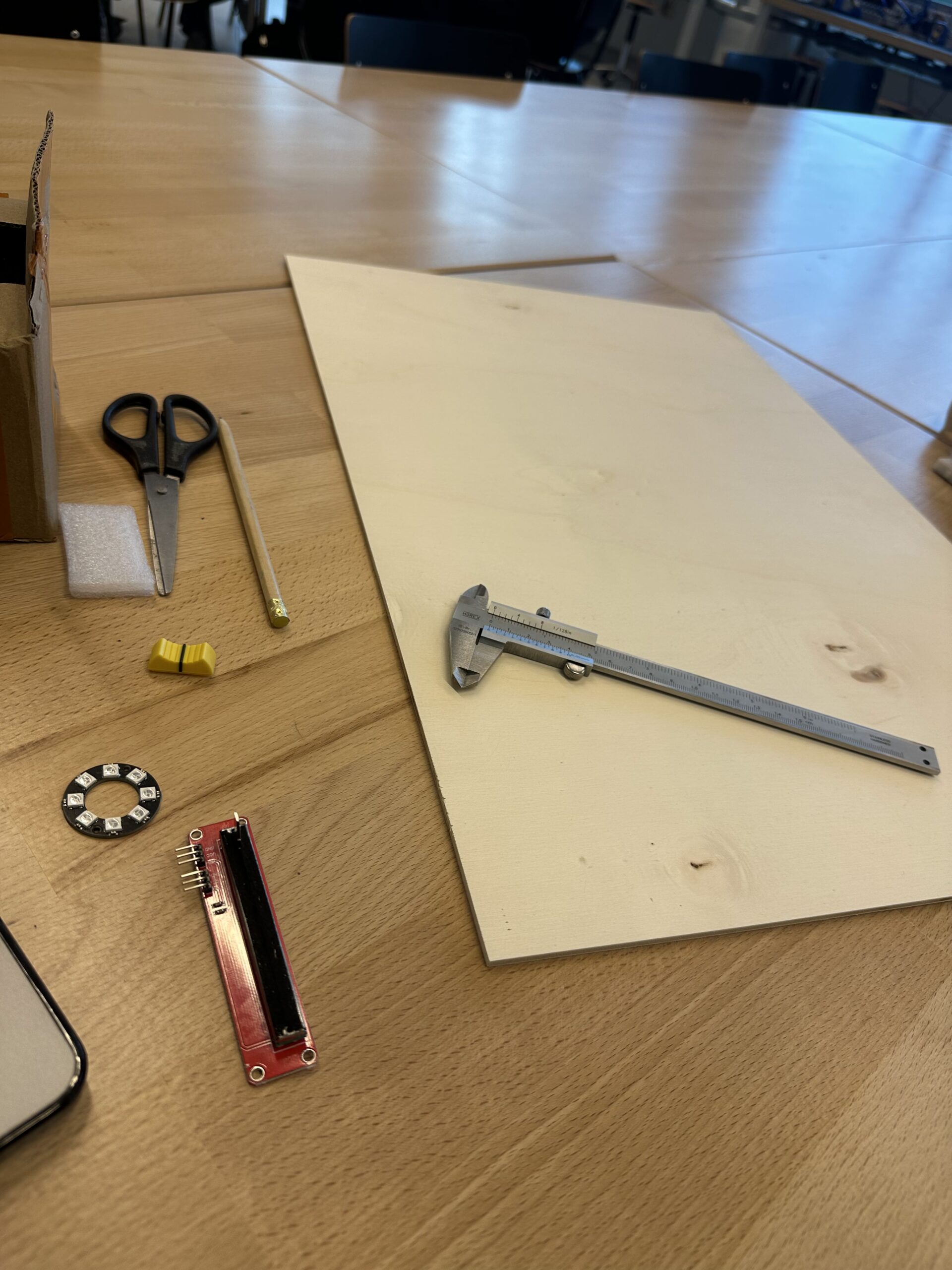
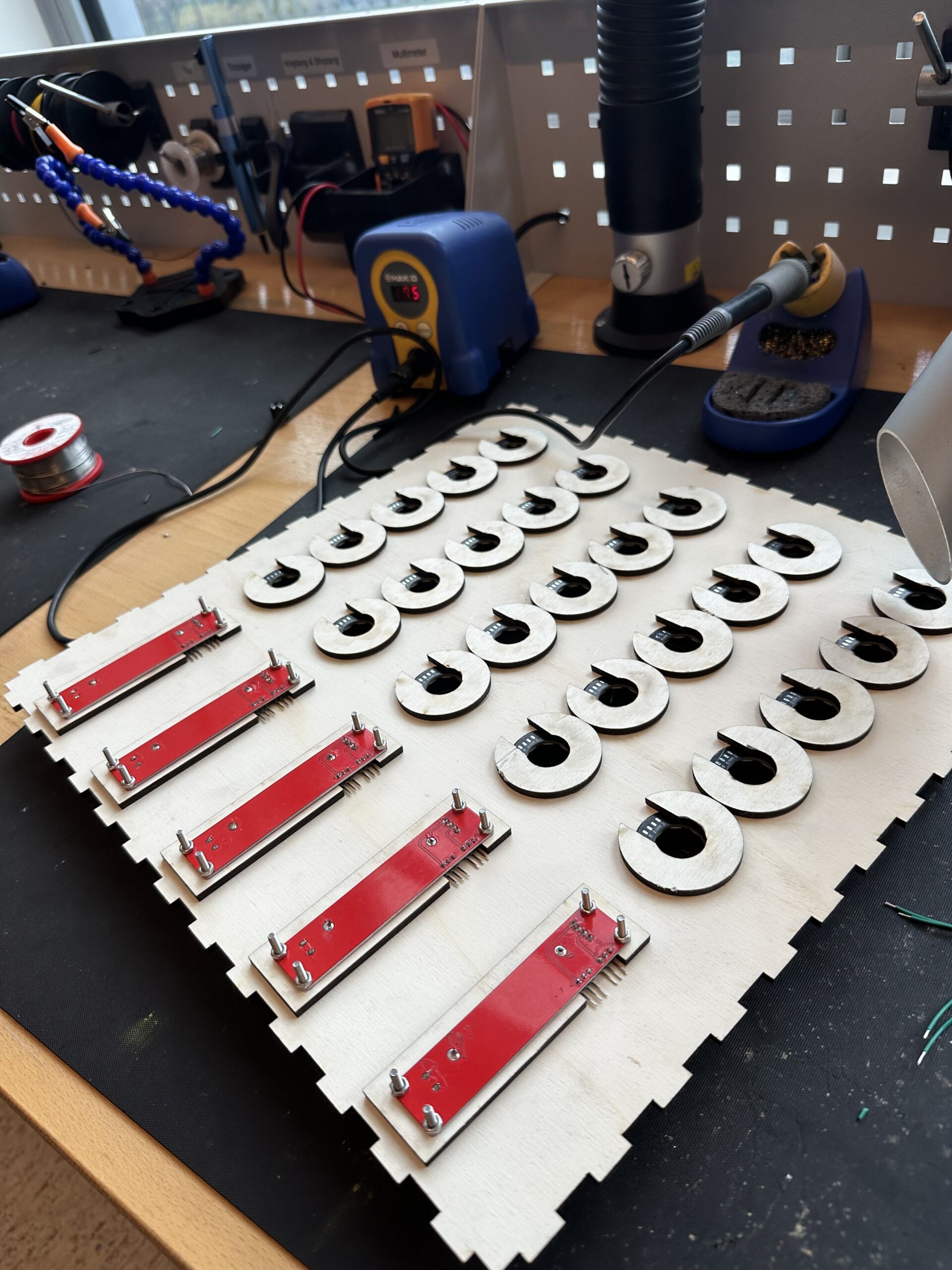
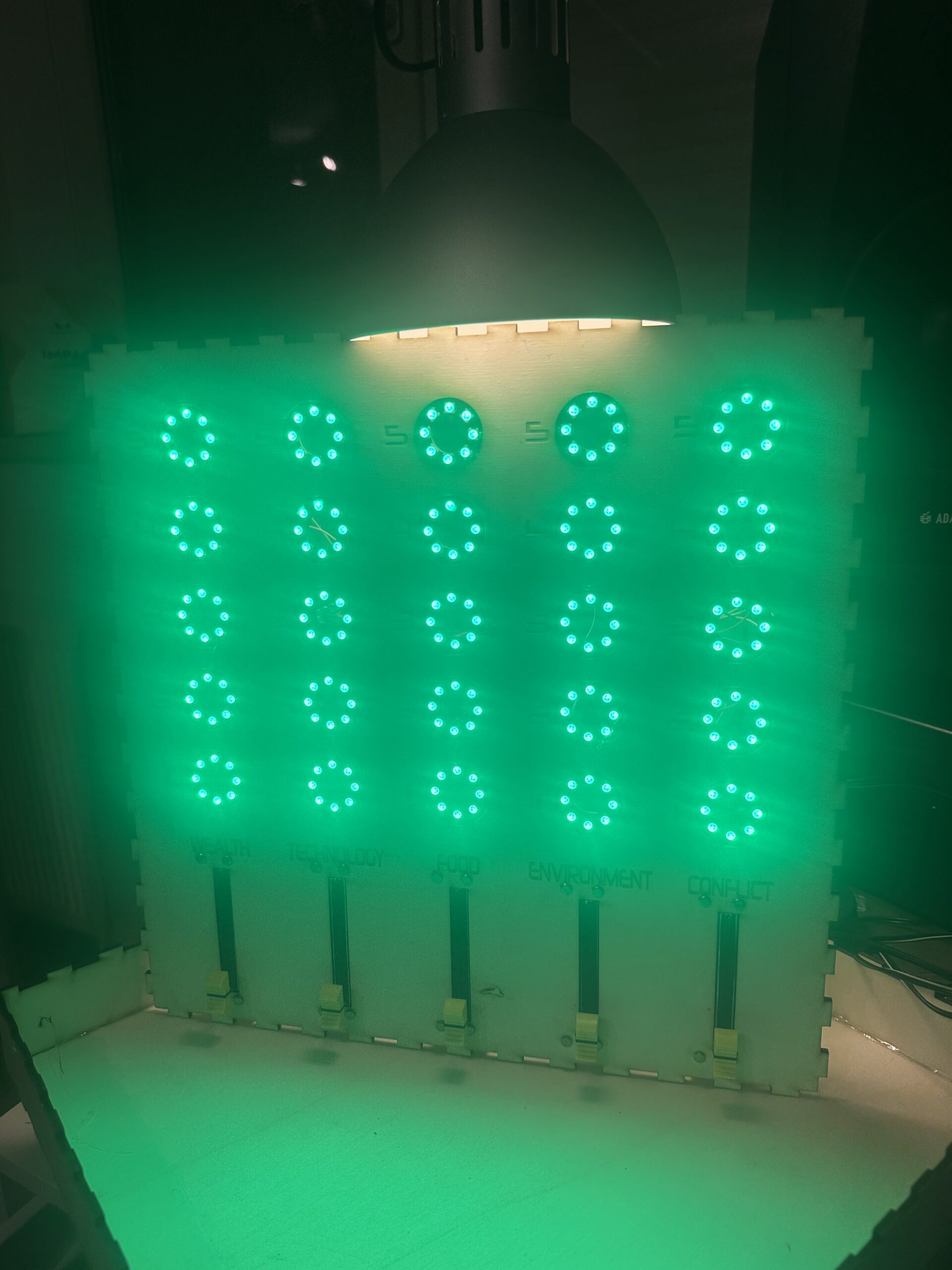
To build the controller, I used an ESP32, 25 LED rings, and 5 slider modules. Thanks to my Arduino experience, assembling the electronics was both straightforward and enjoyable. even with the large amount of soldering involved.
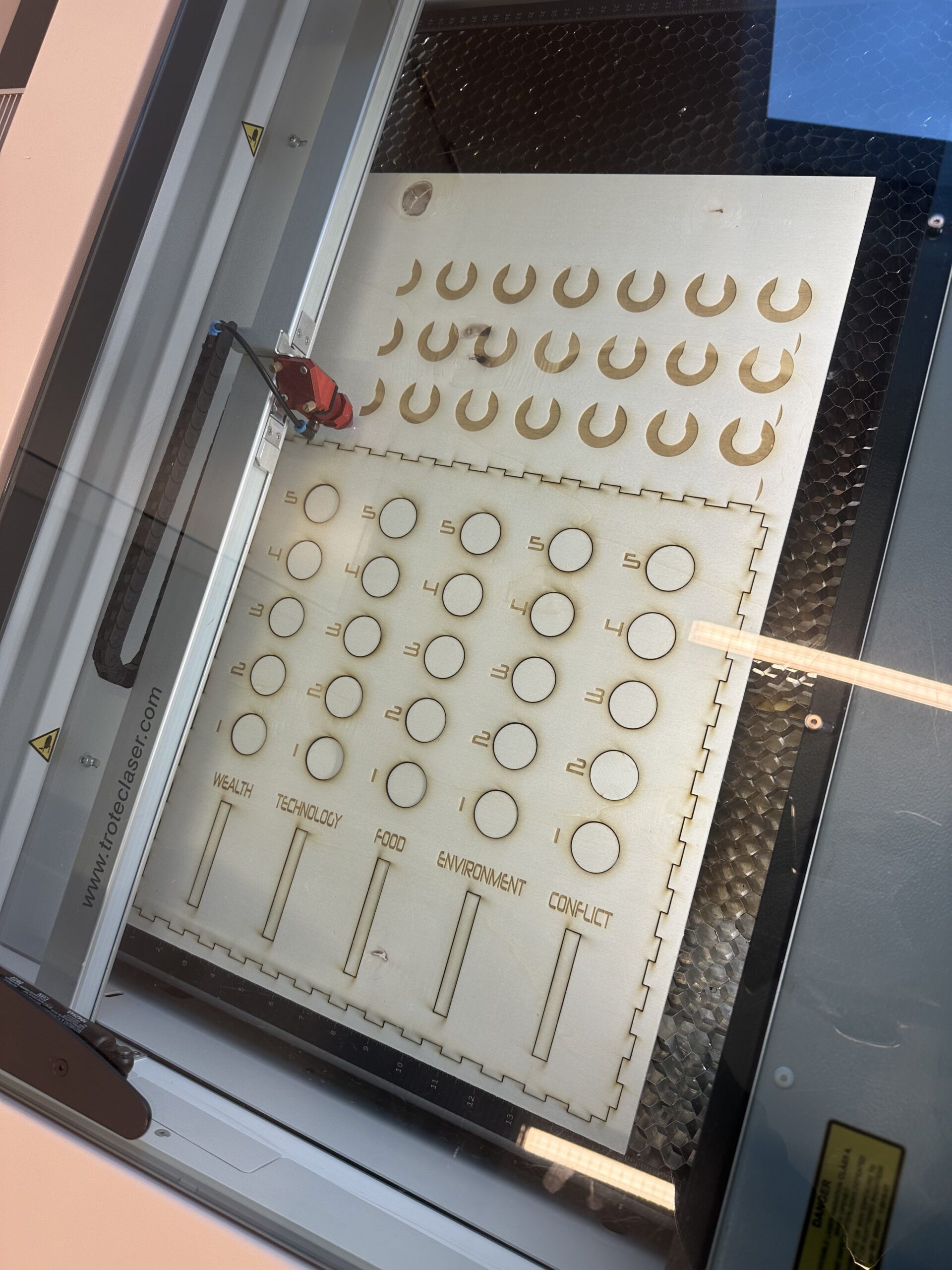
For the casing, I used the laser cutter at school to create a precise enclosure that neatly fits all the hardware components. This allowed the device to look clean, structured, and intentional, matching the overall design of the installation.
Visuals
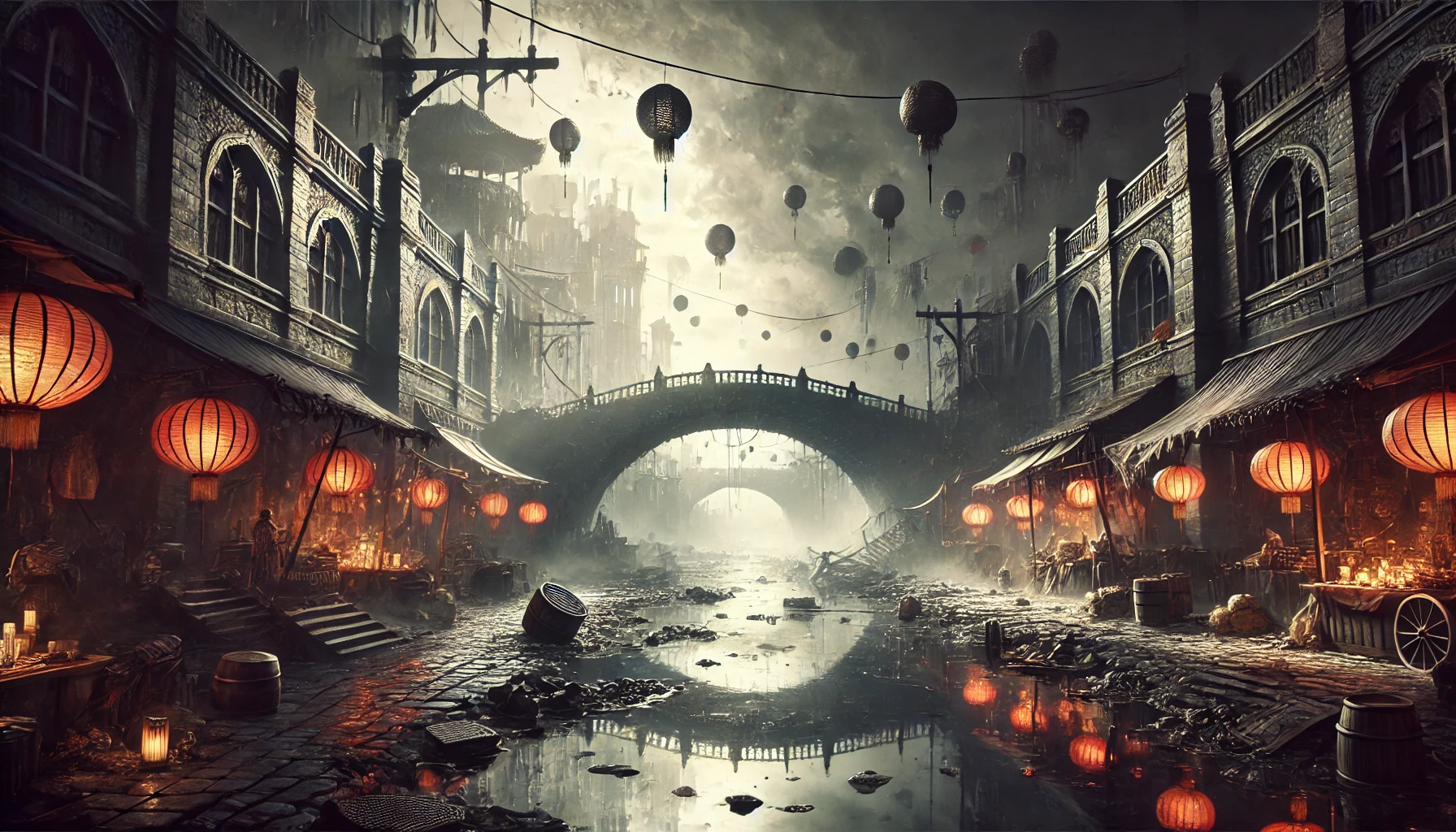
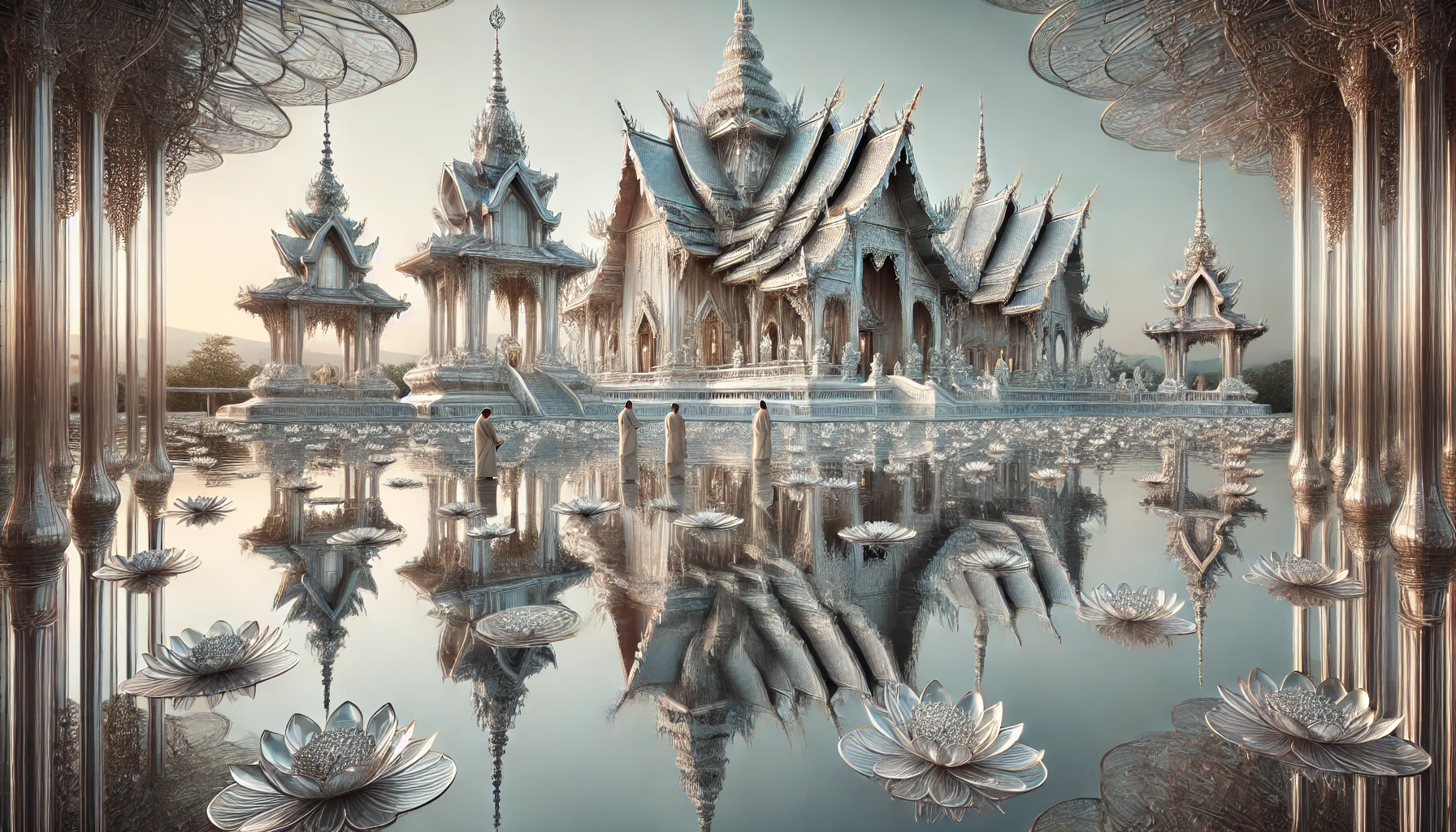
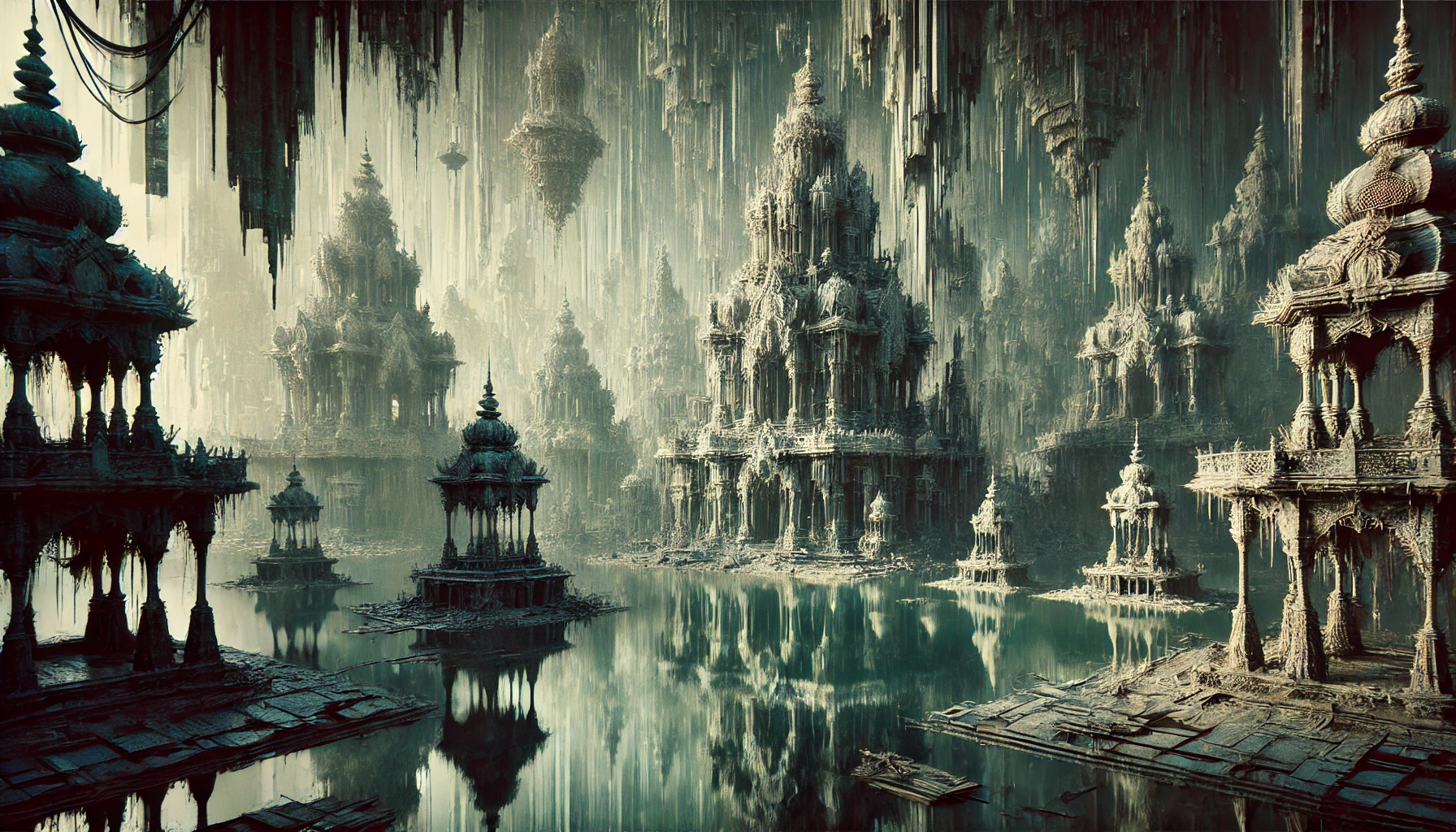
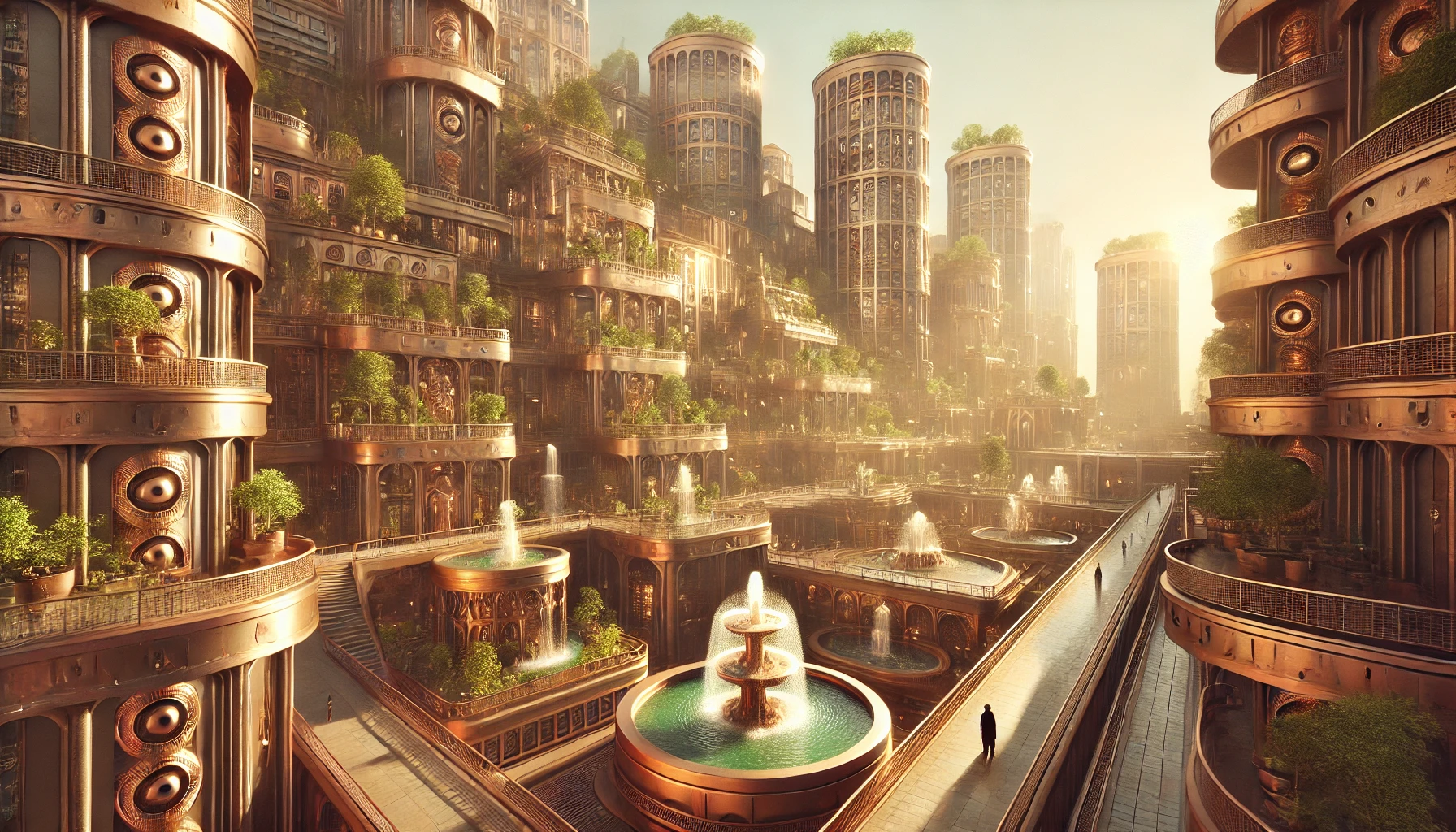
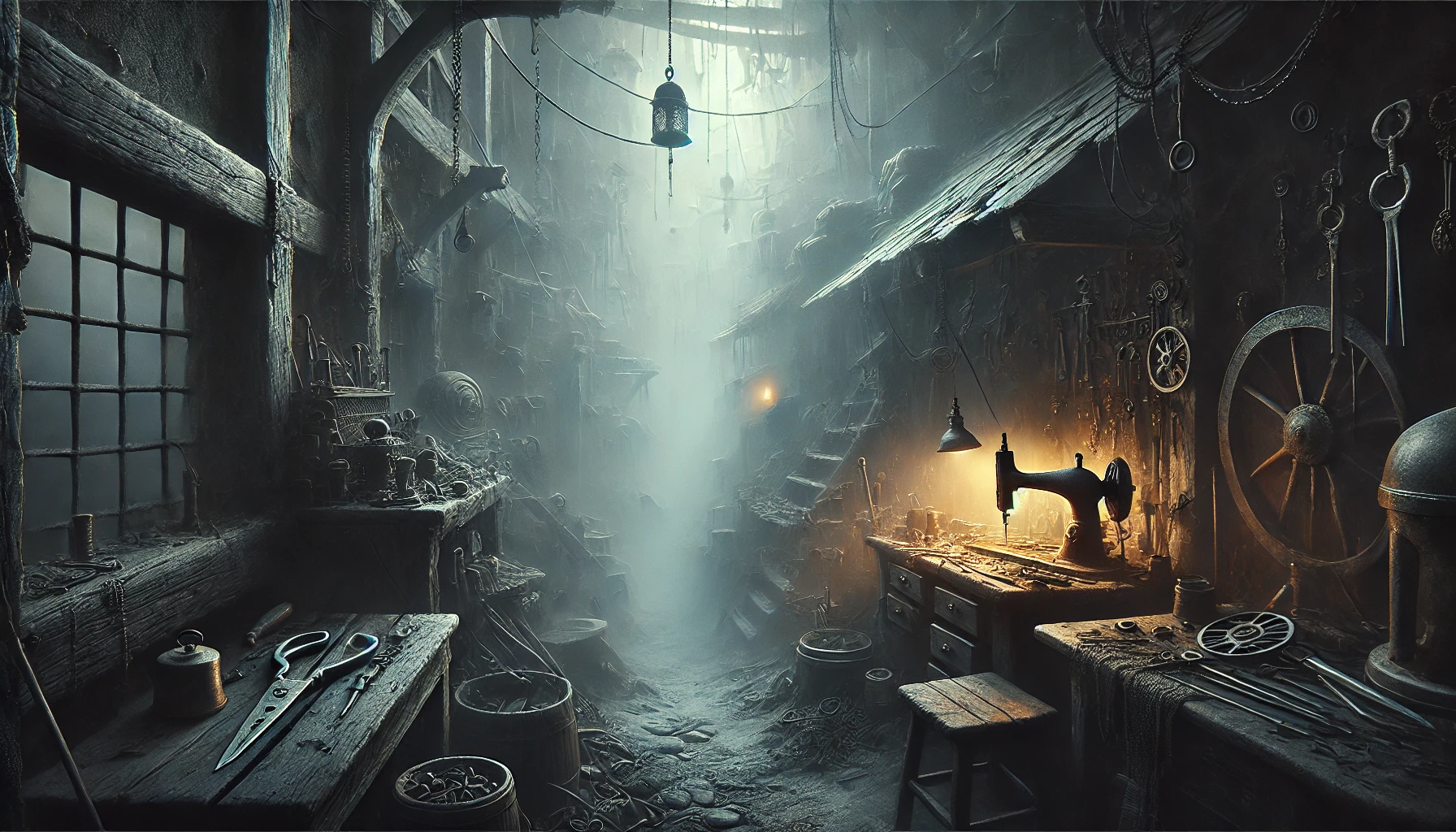
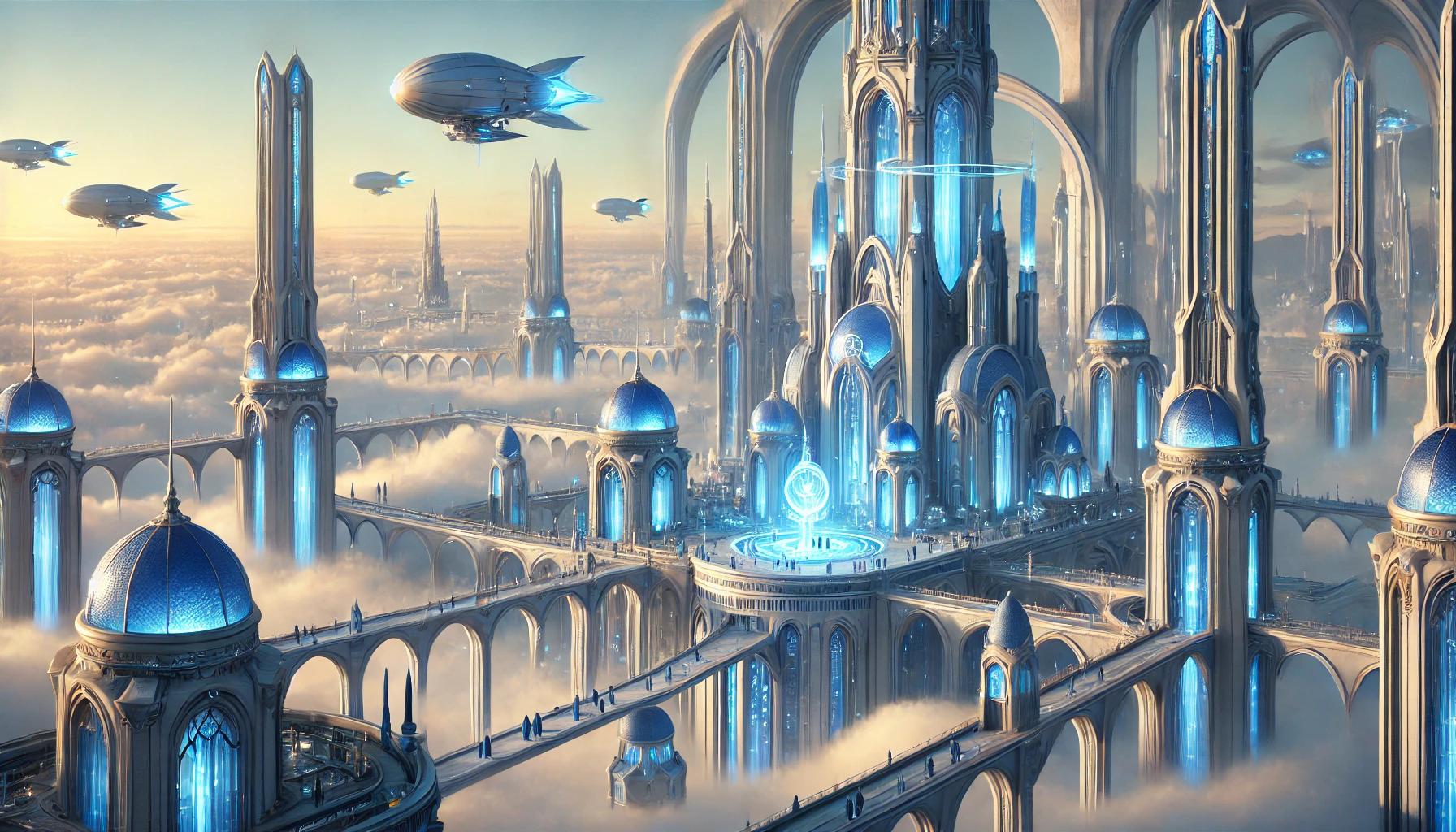
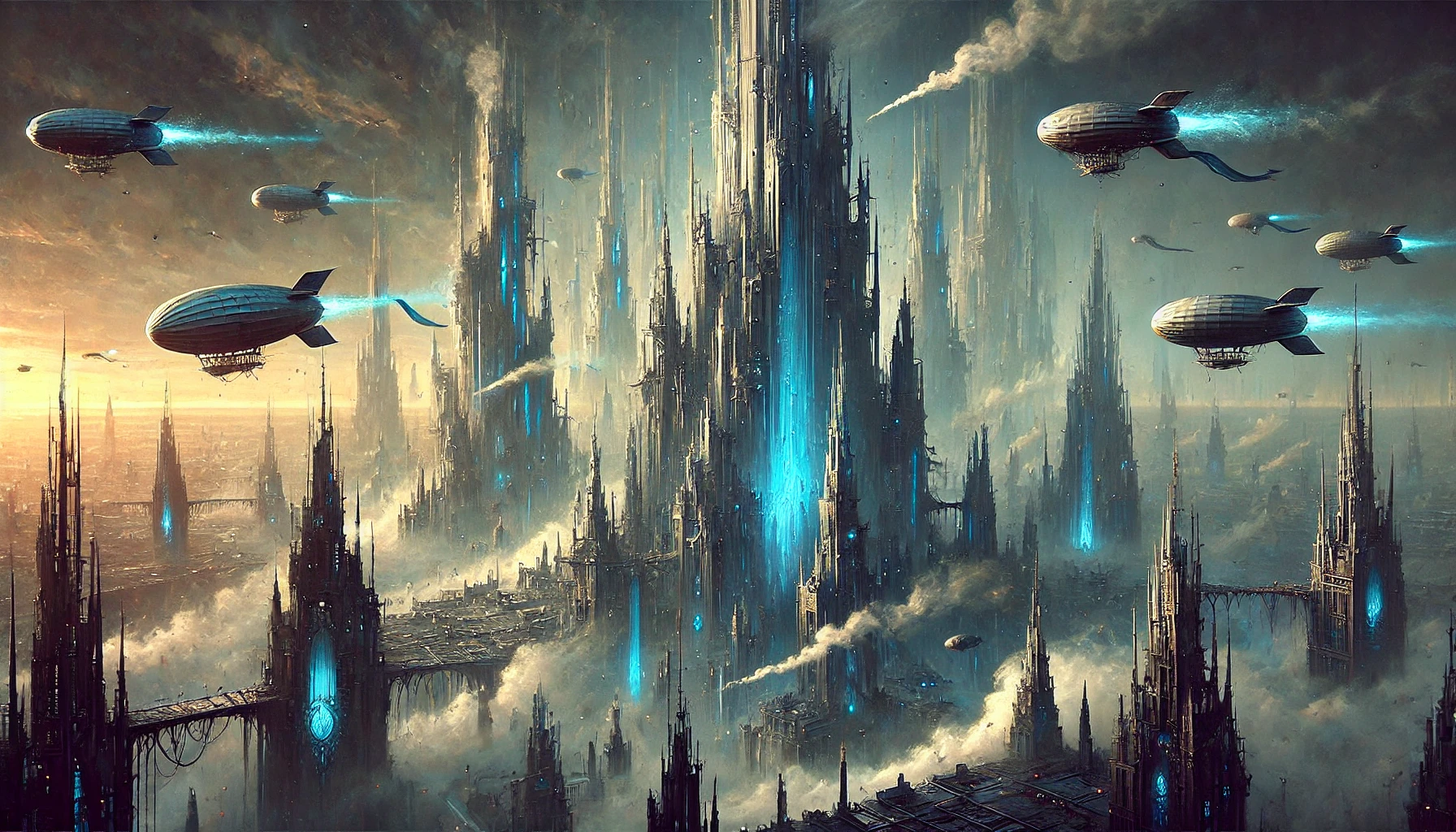
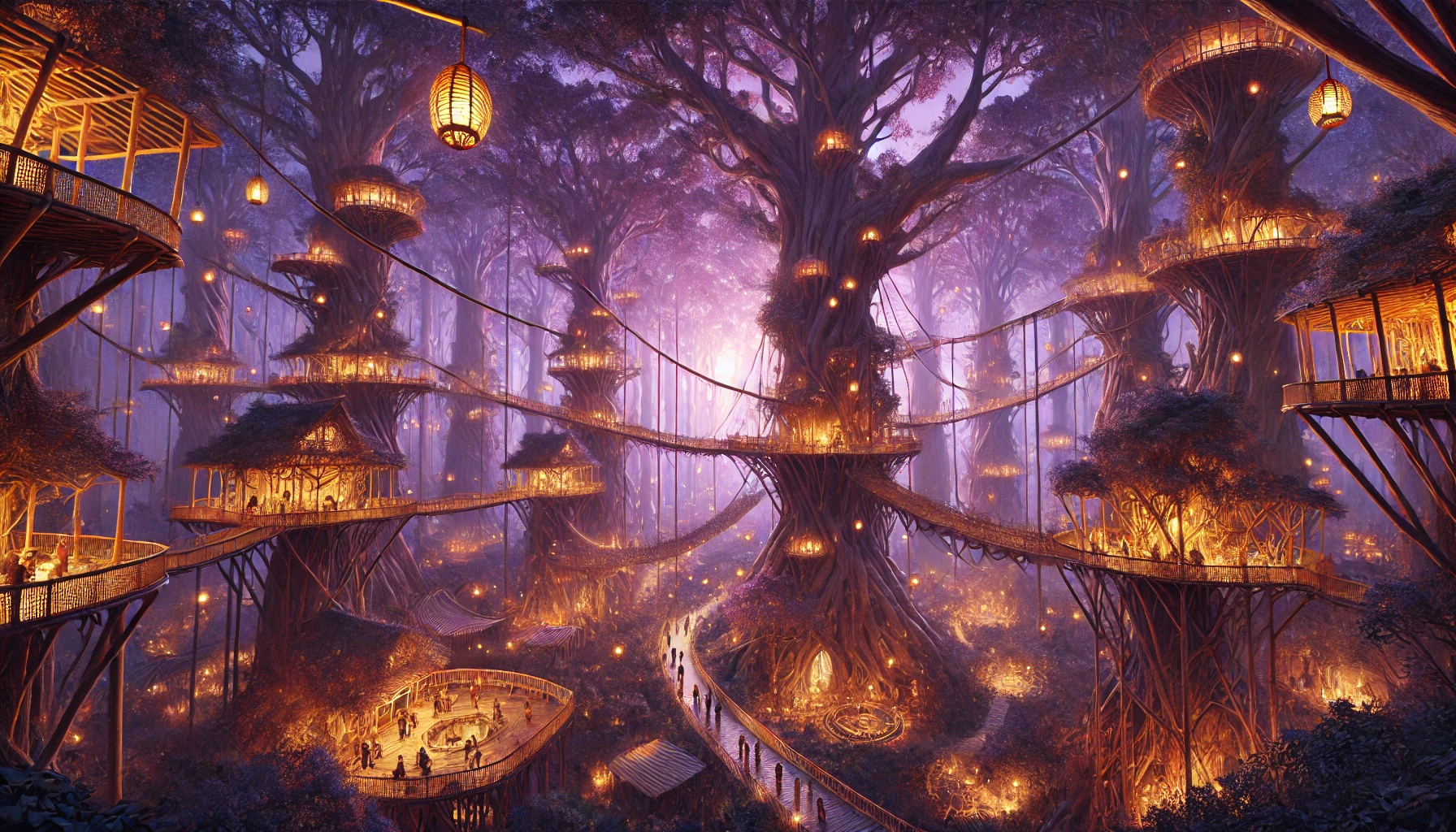
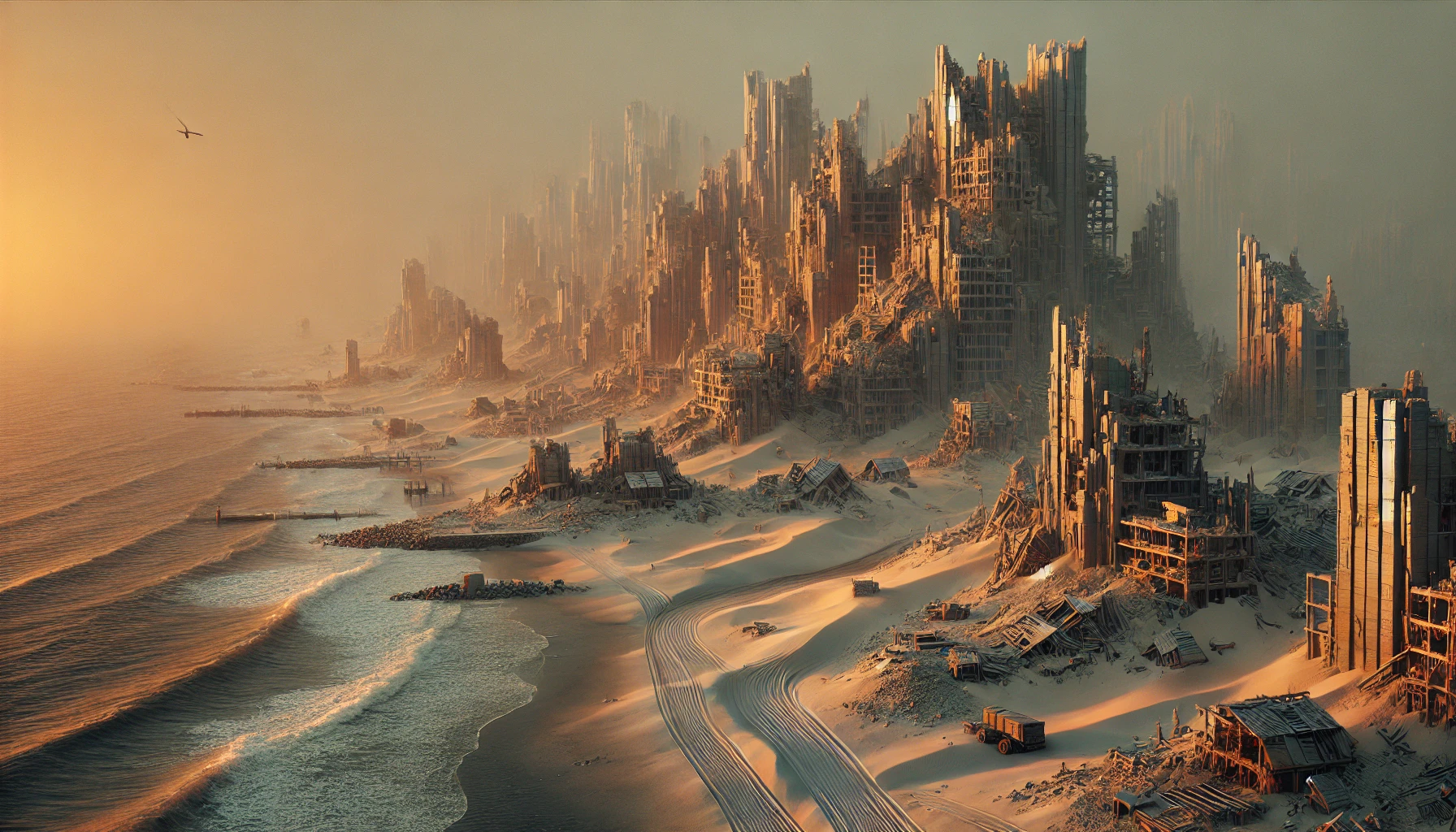
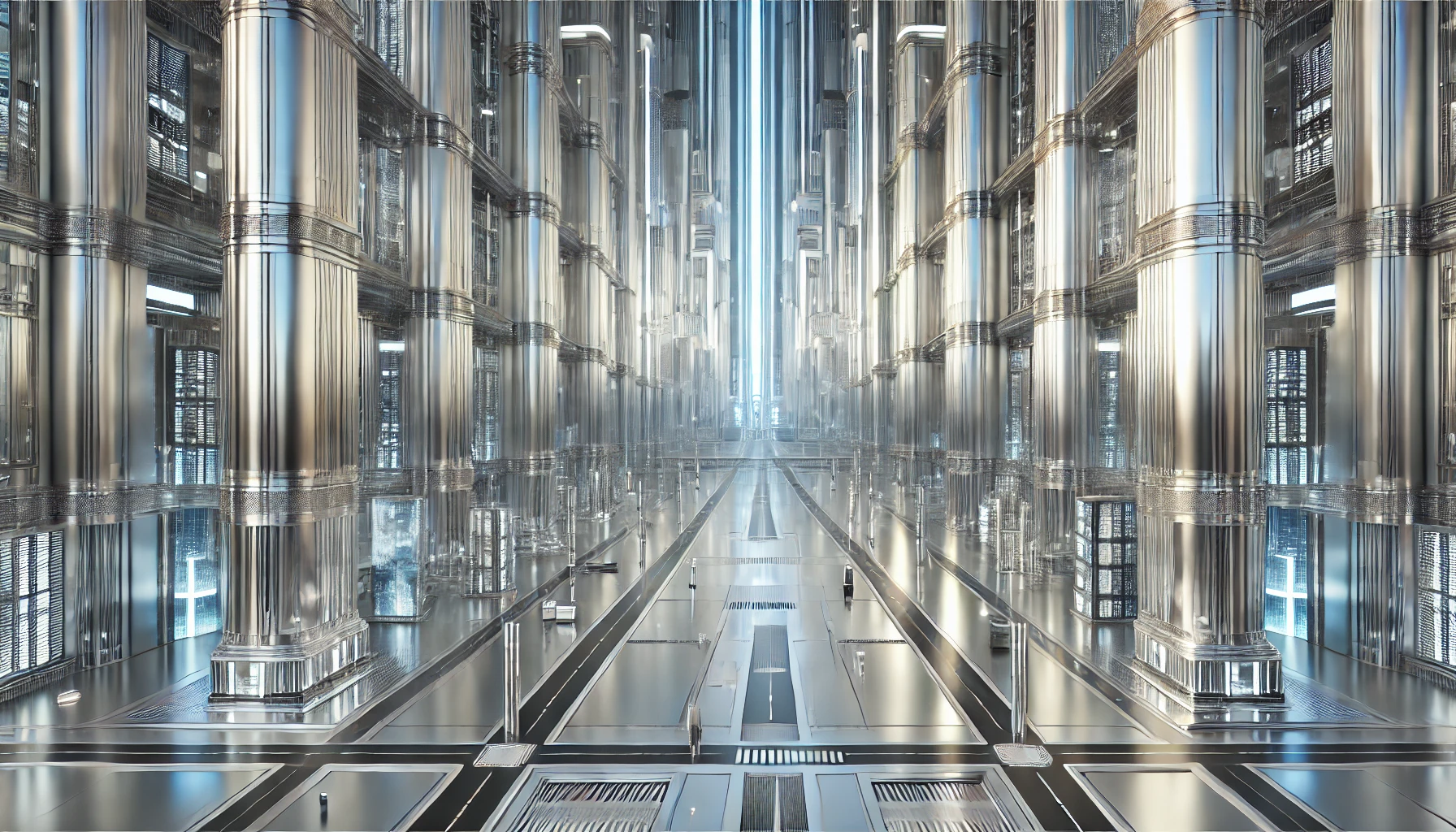
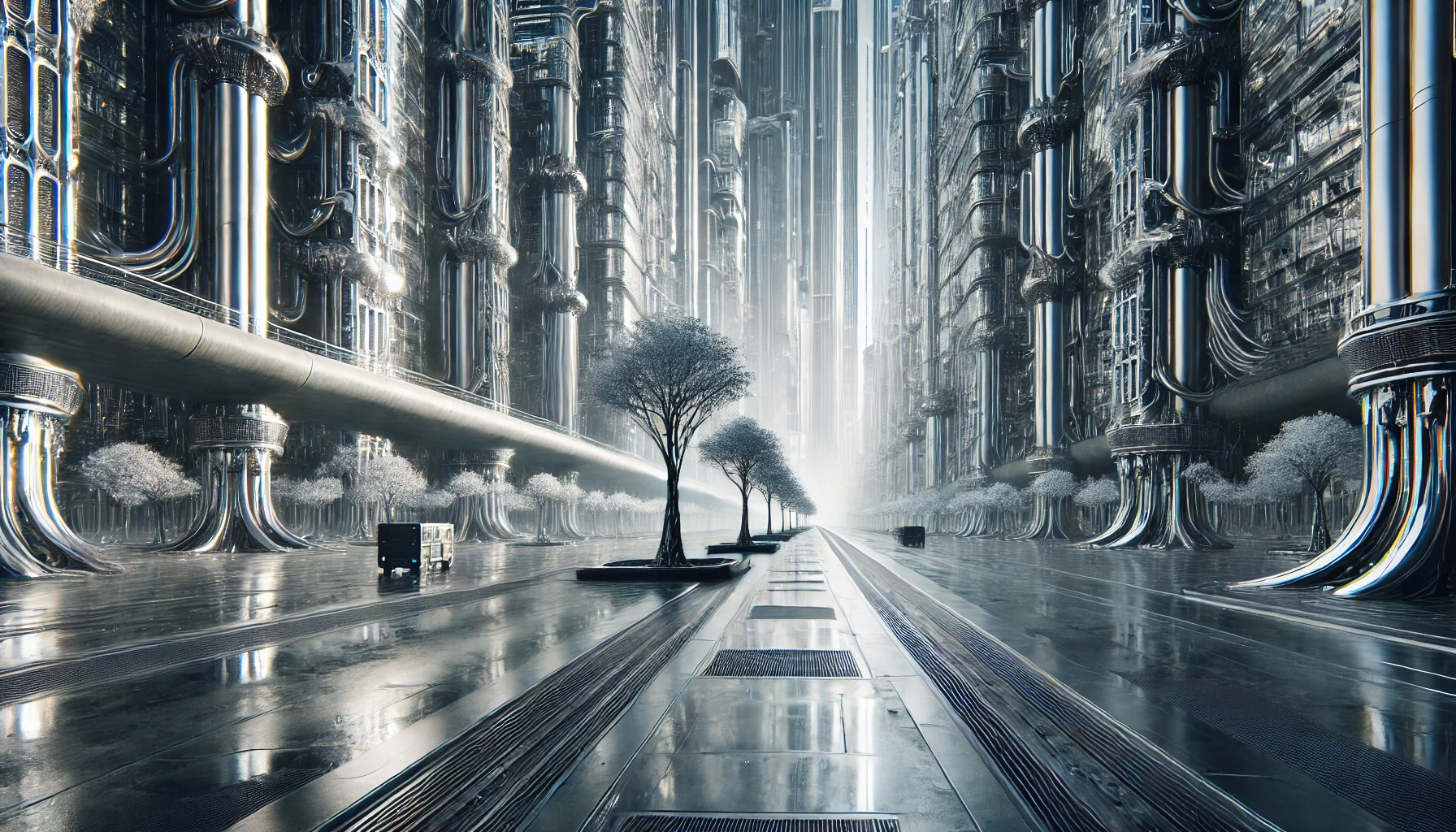
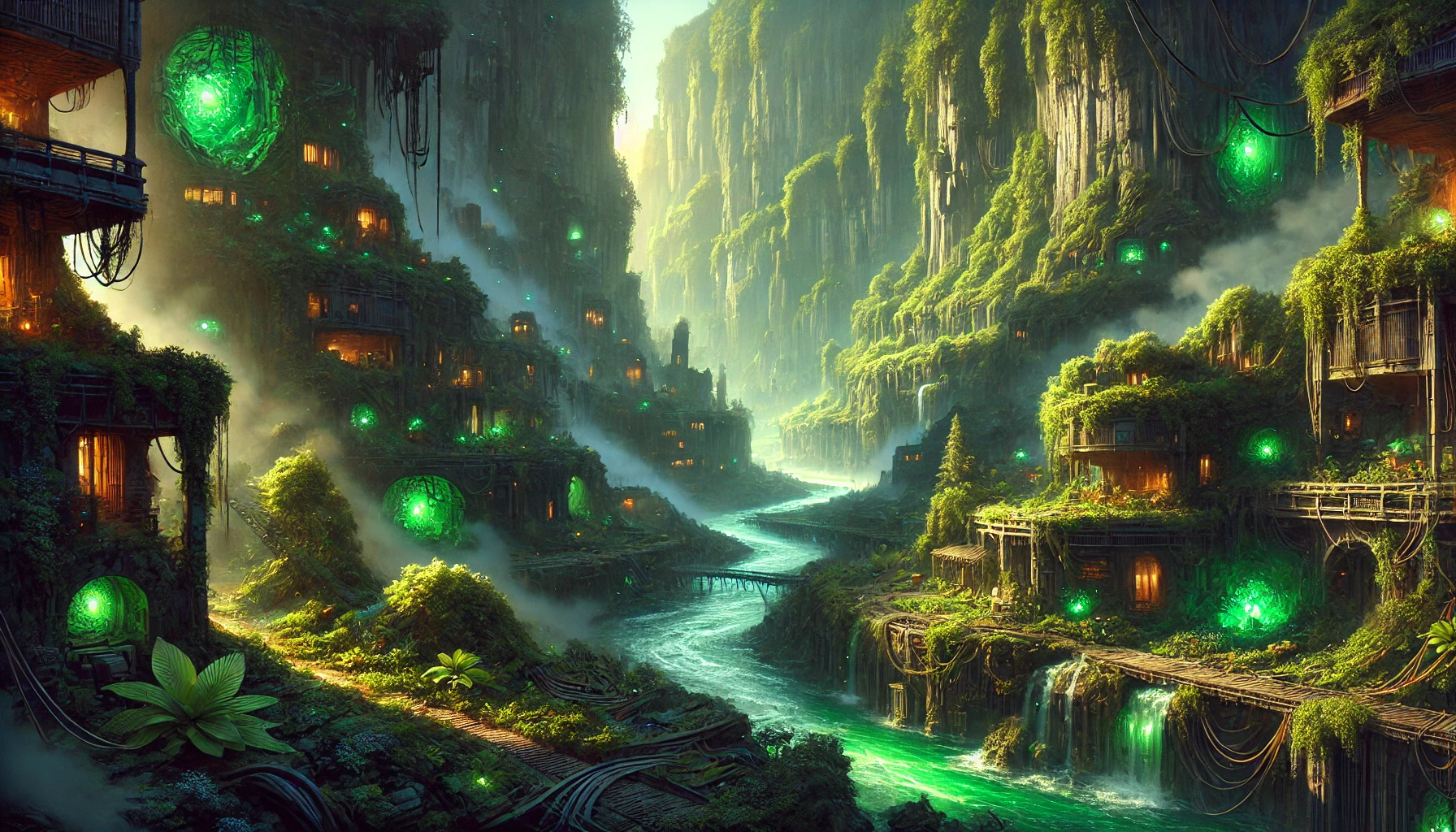
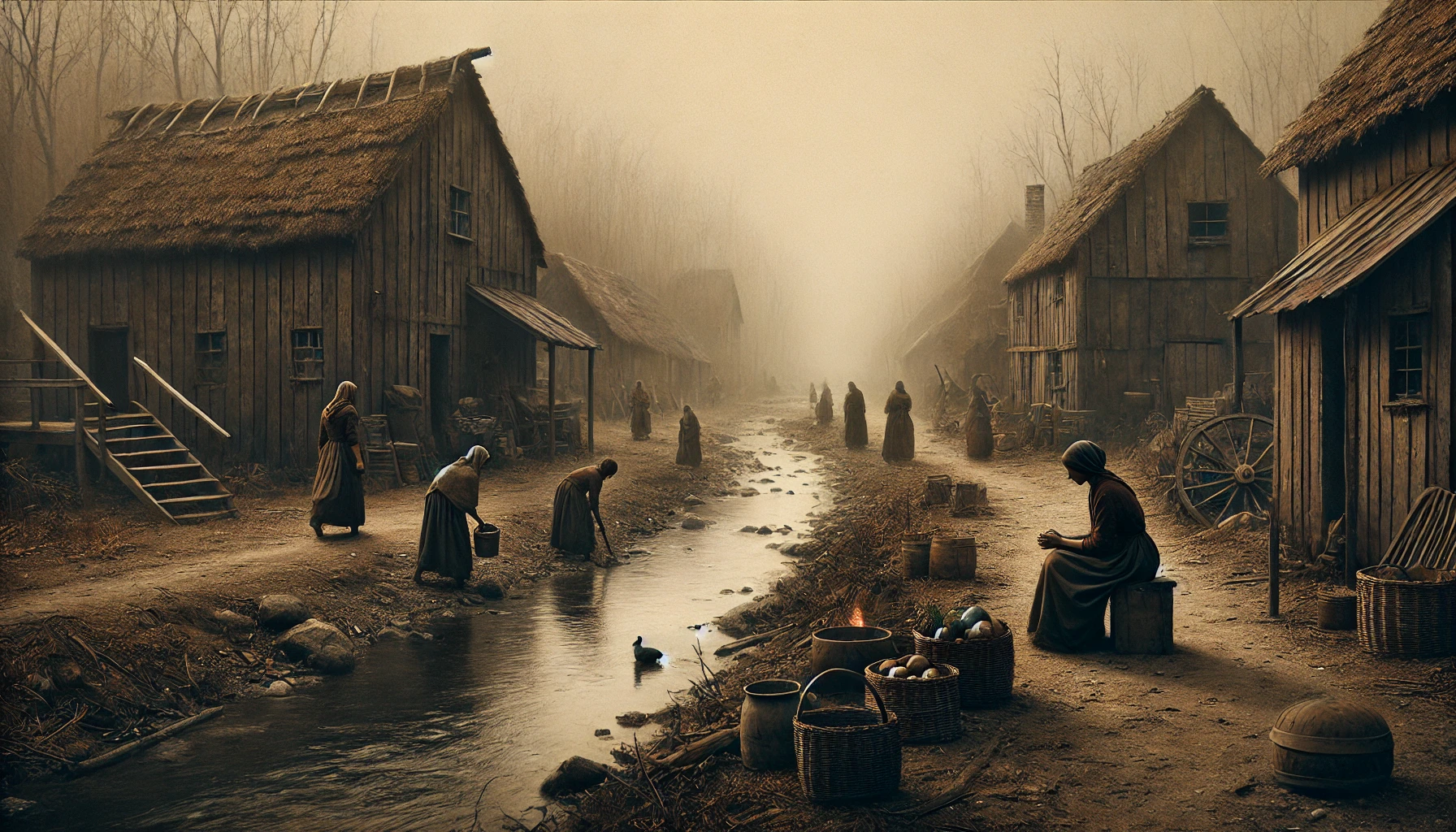
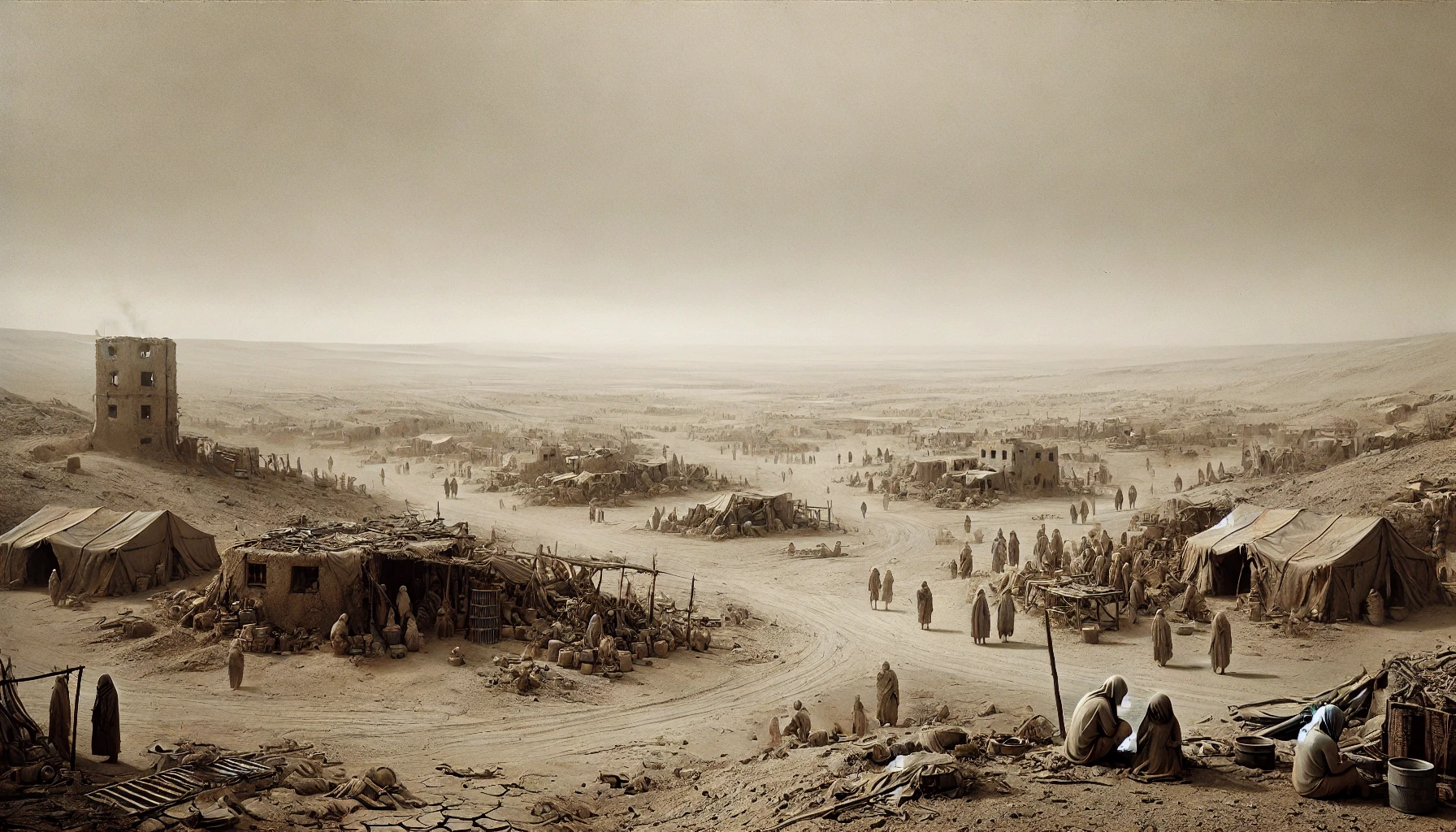
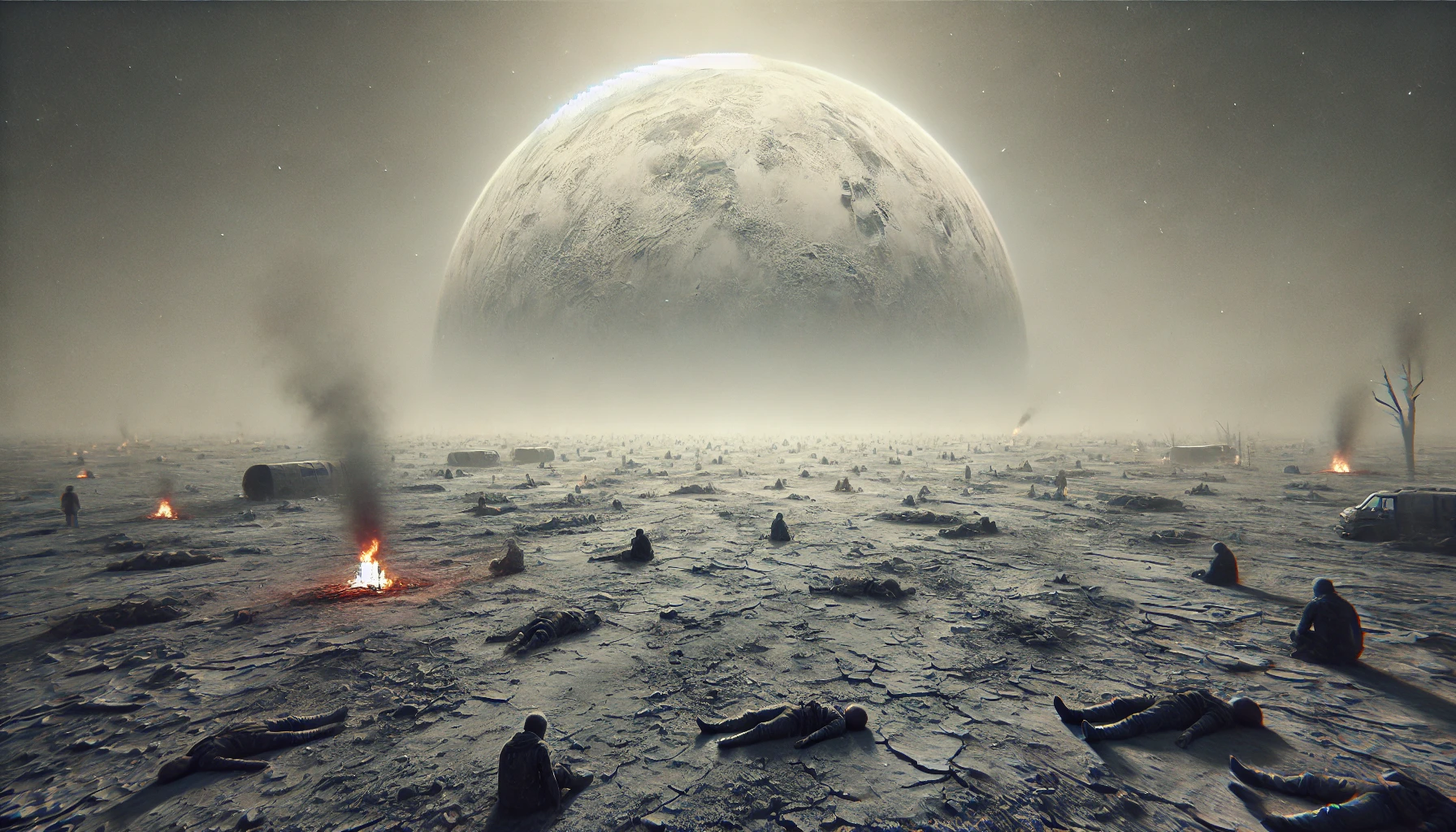
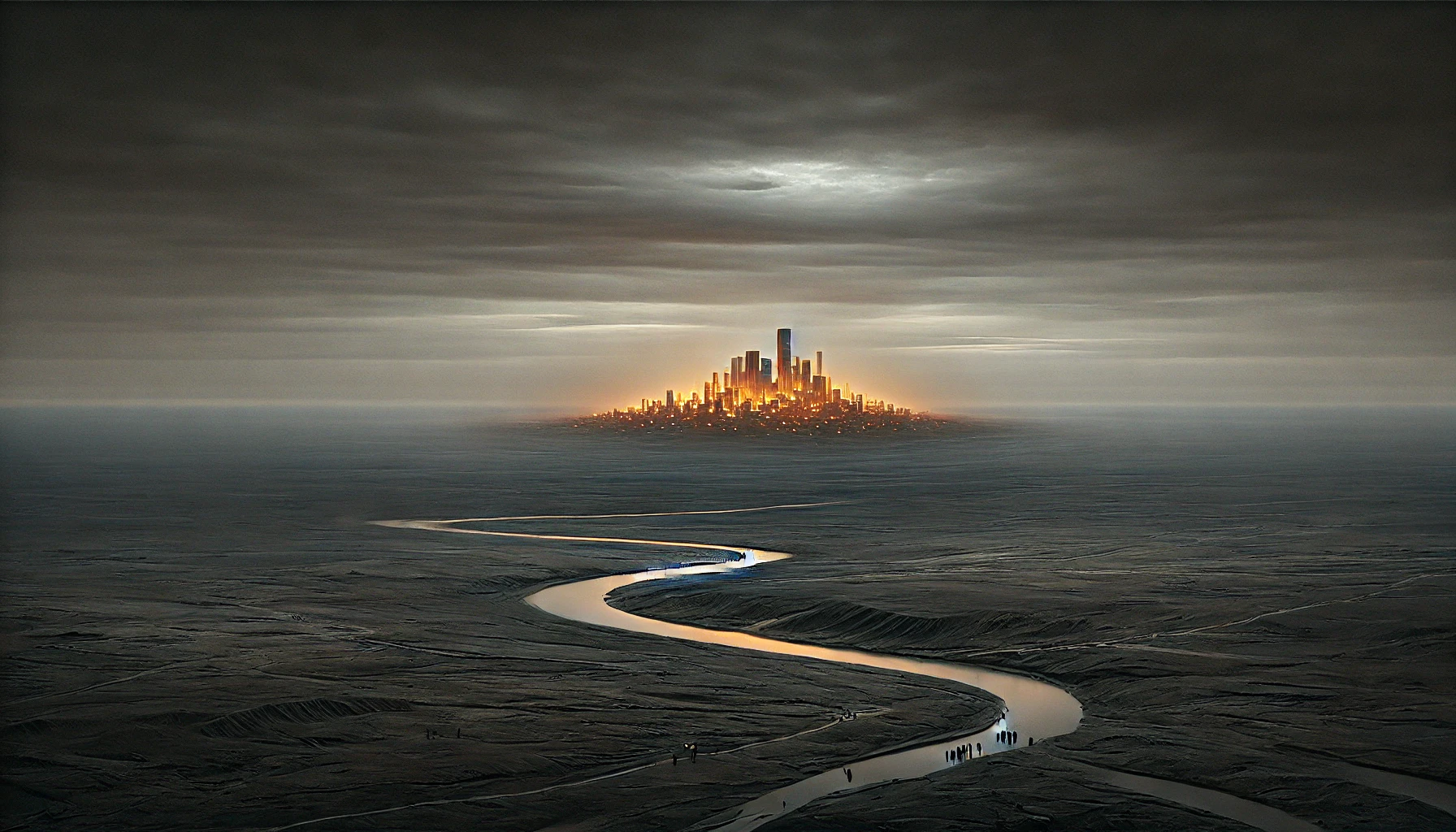
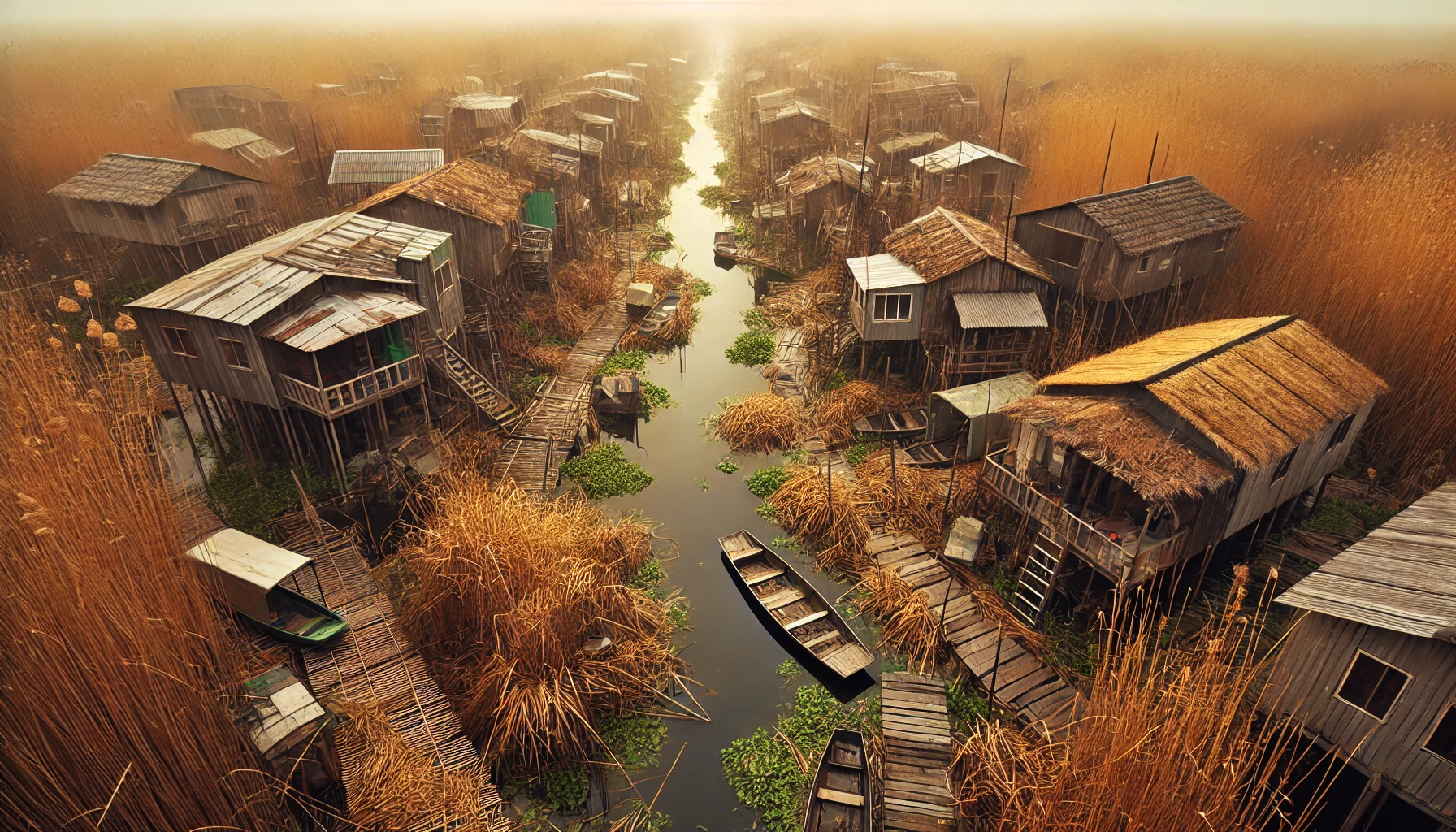
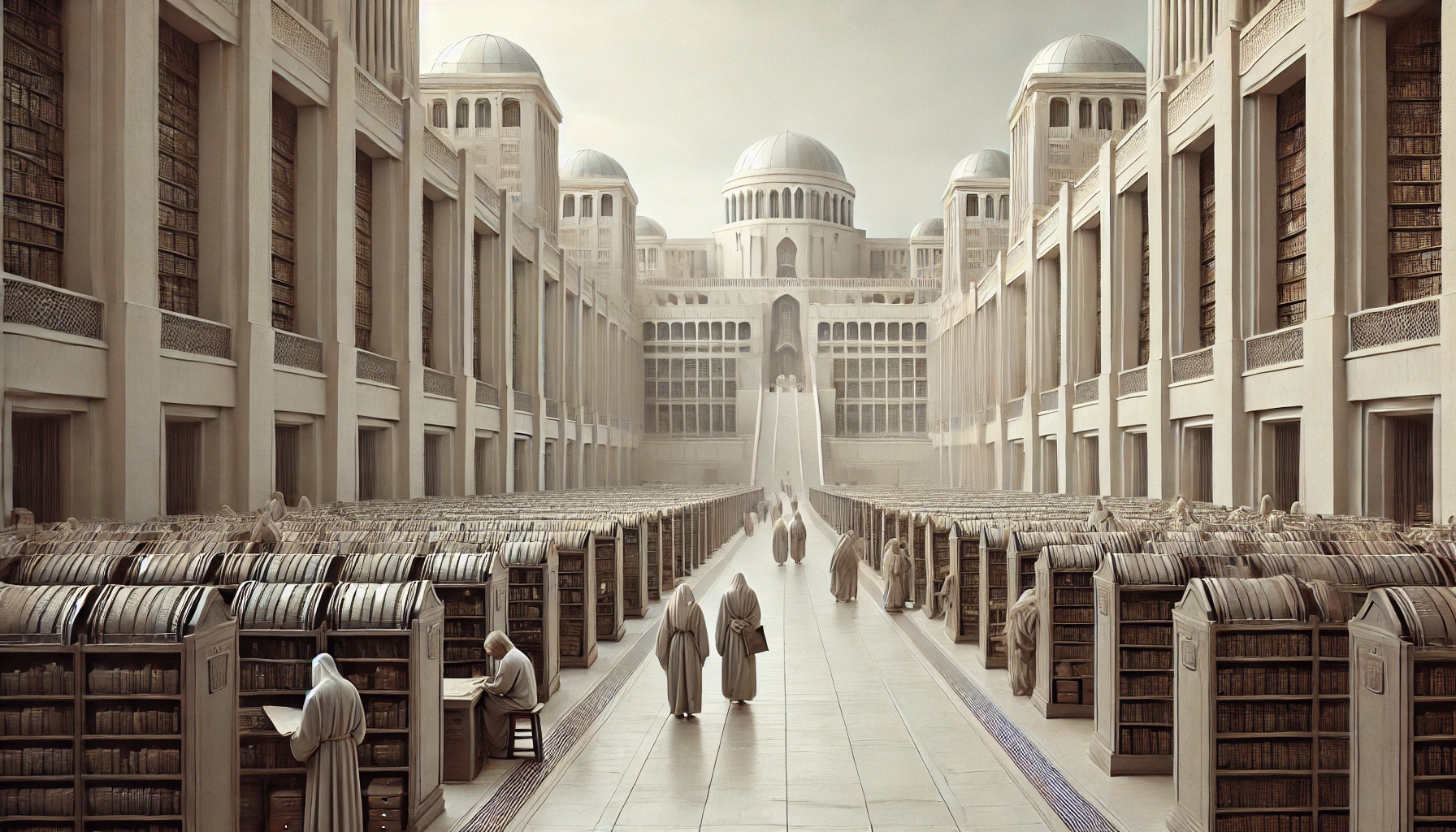
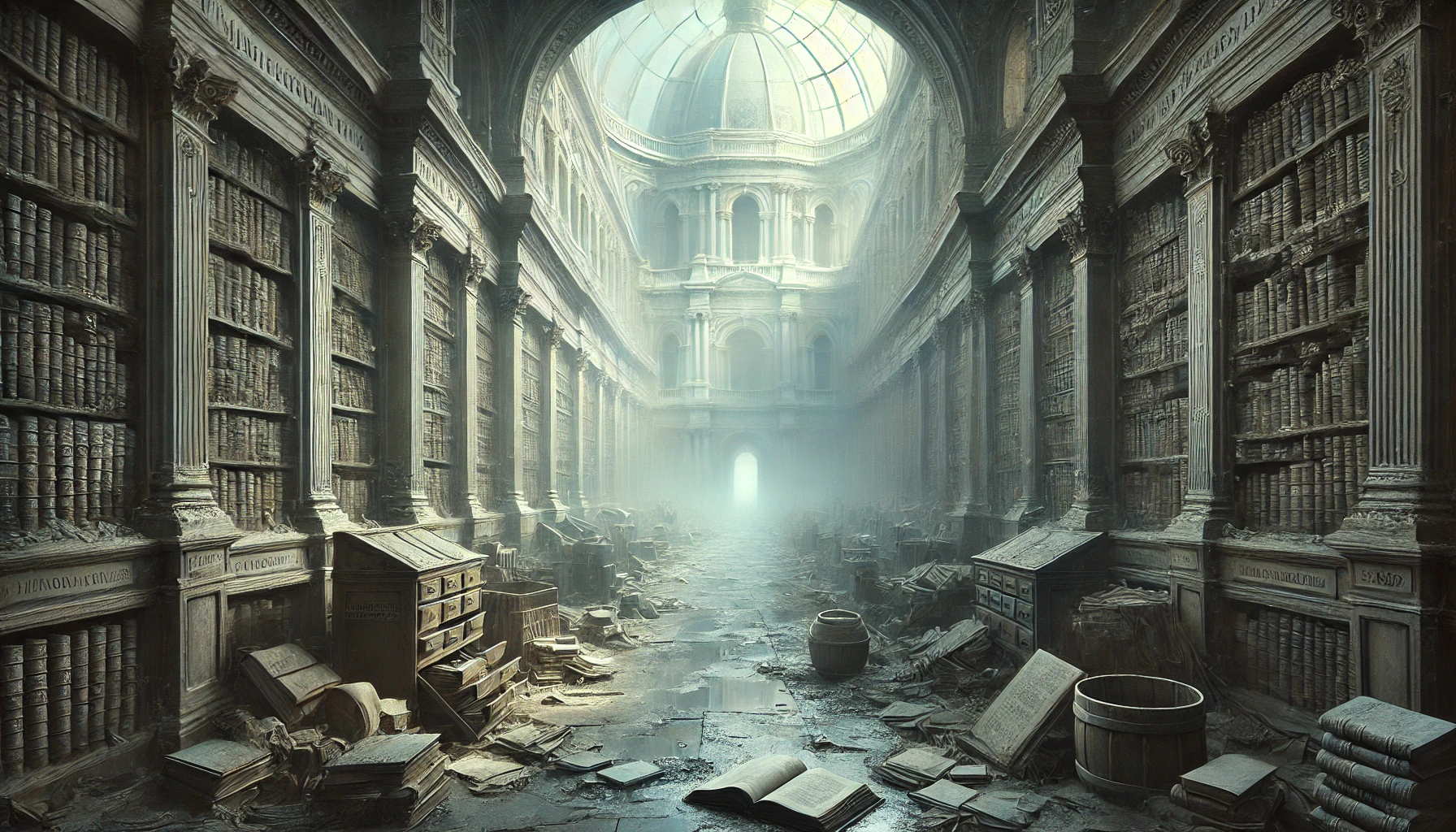
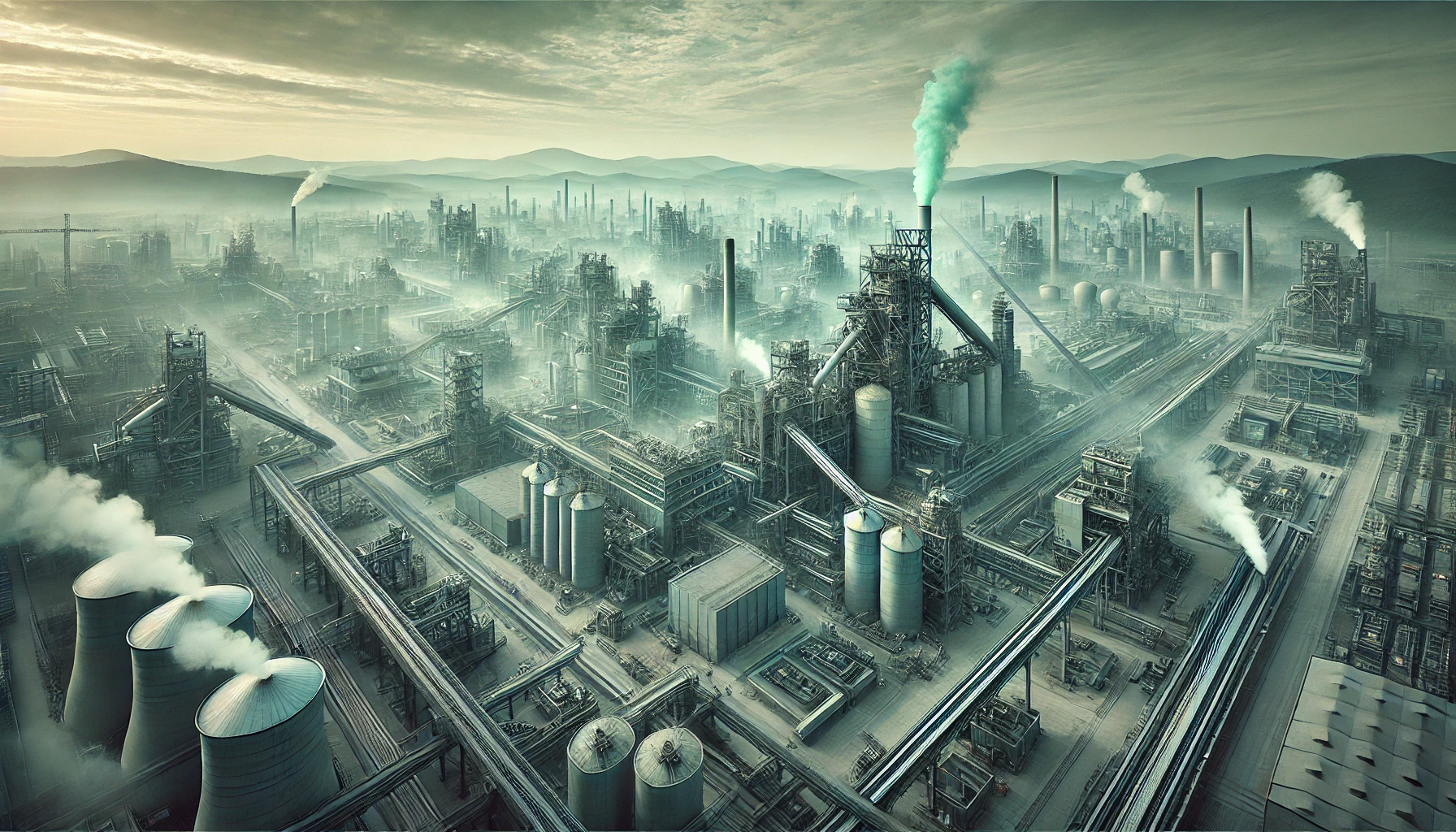
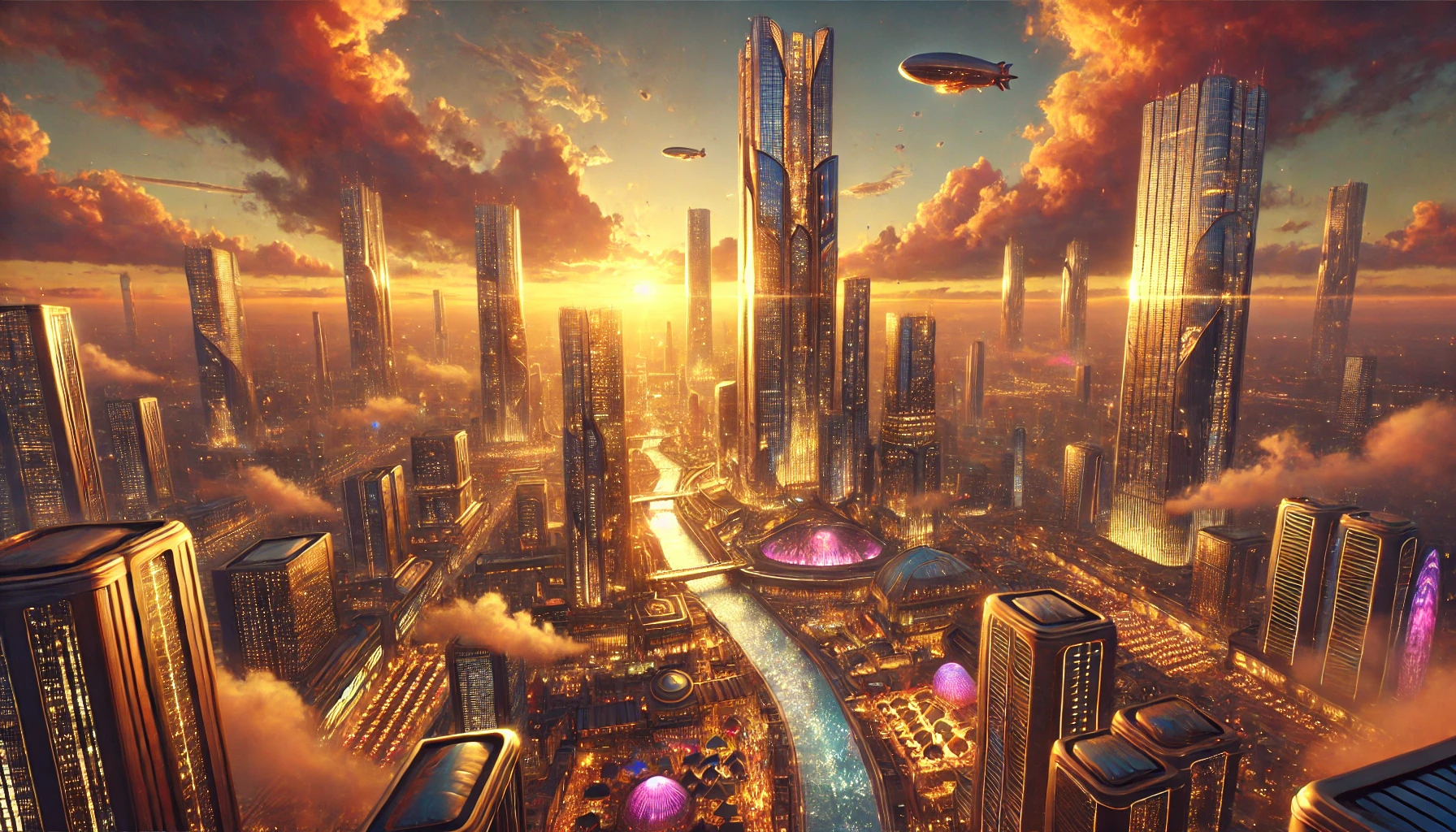
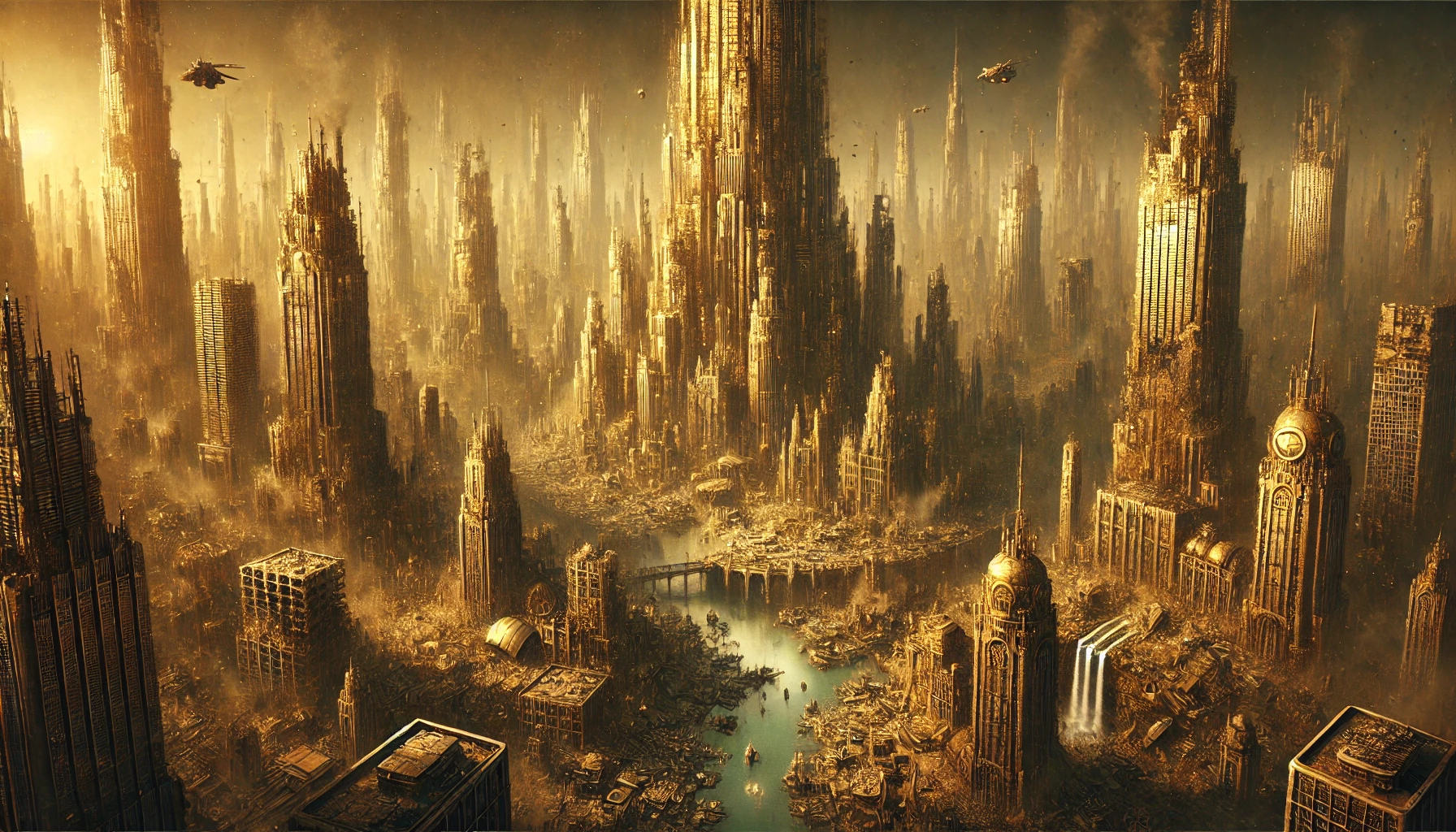
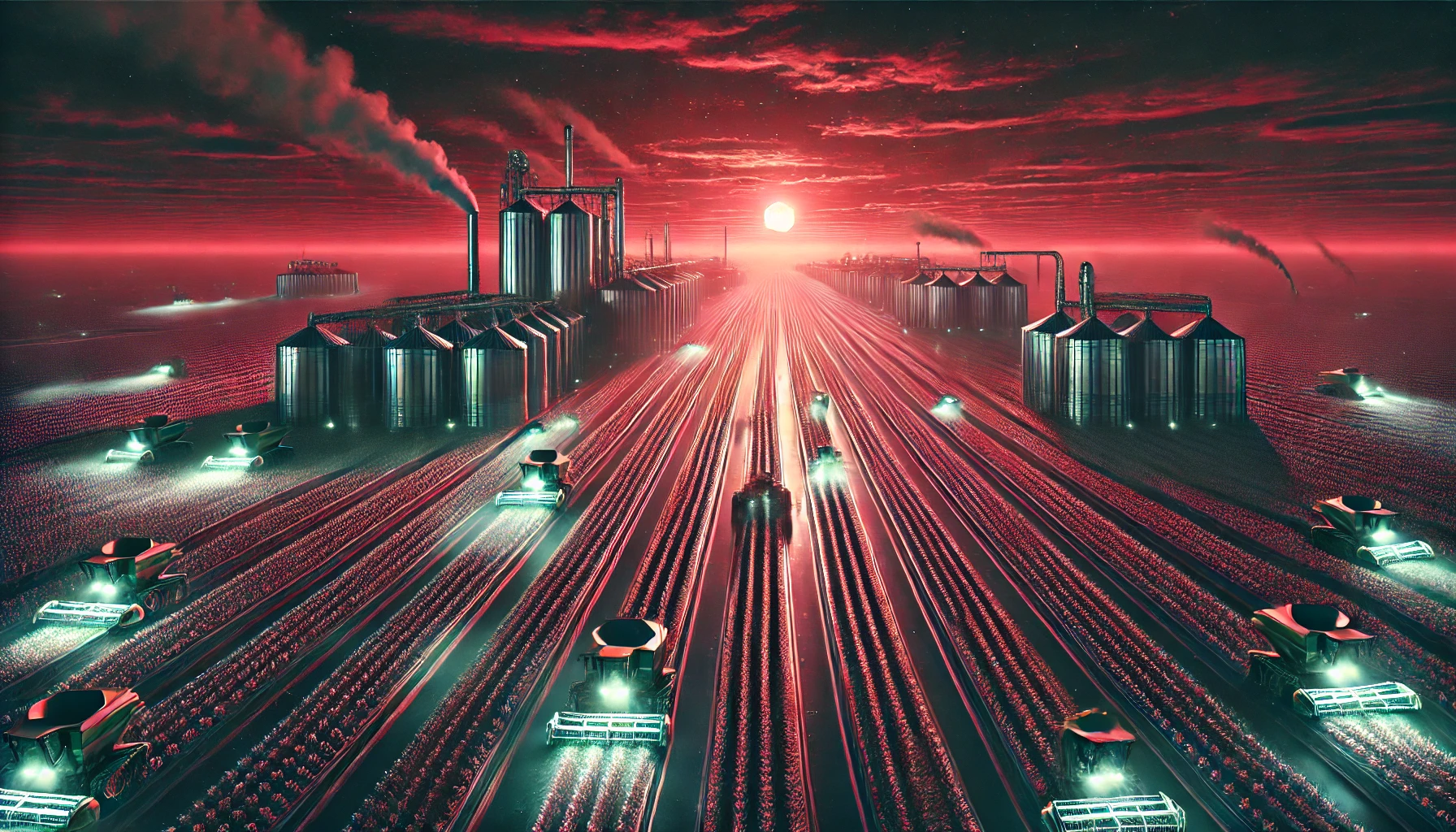
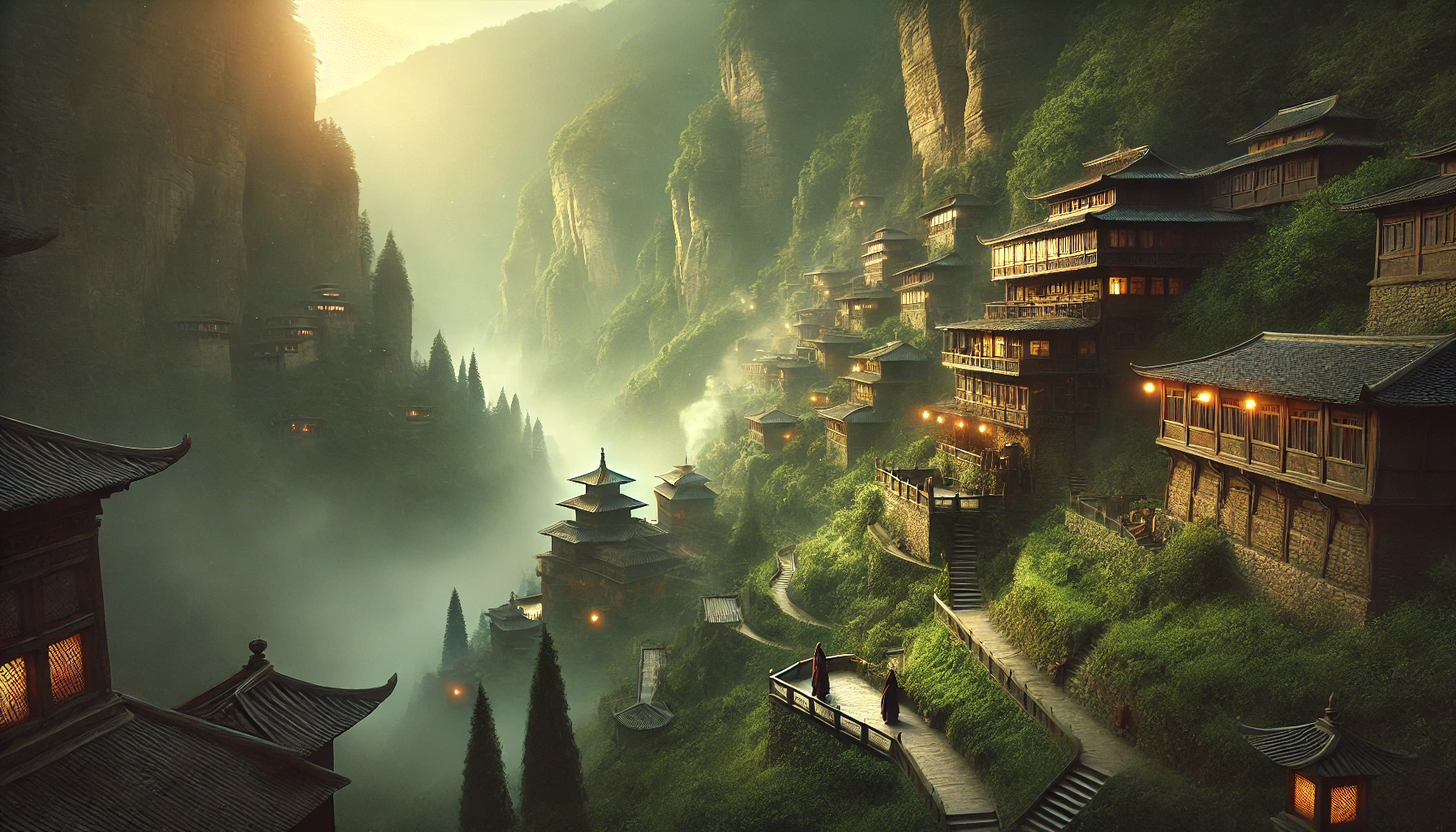
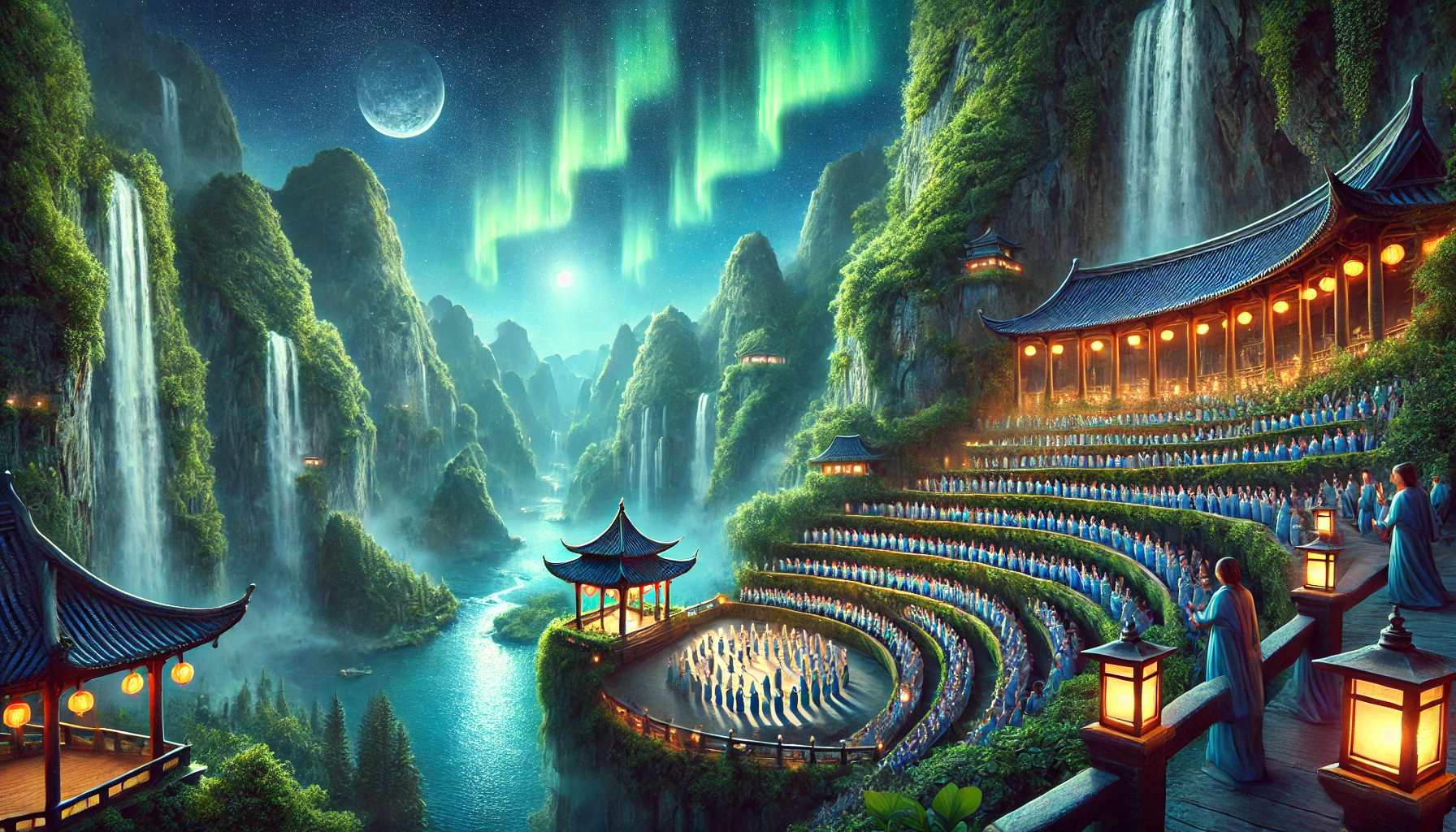
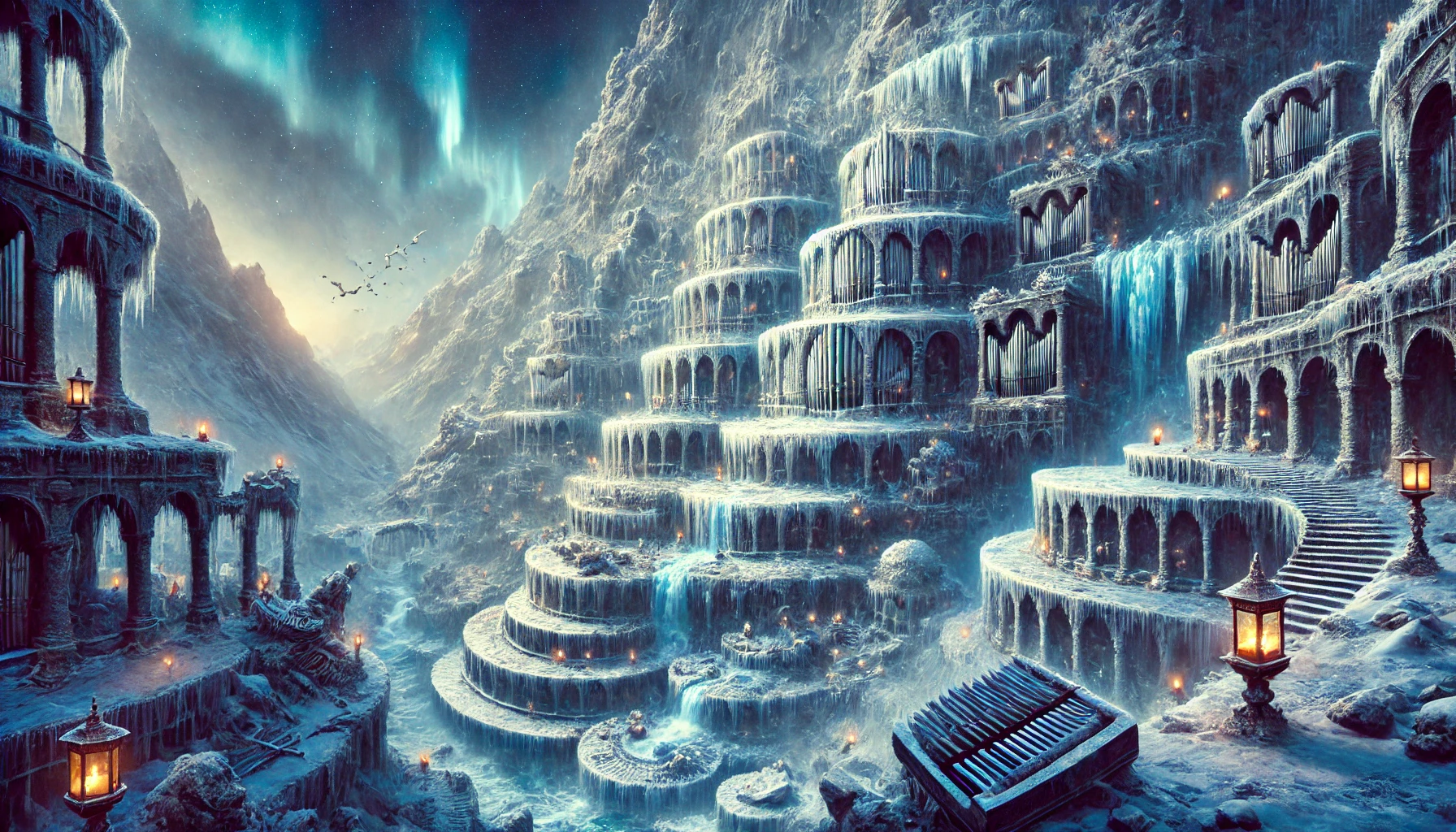
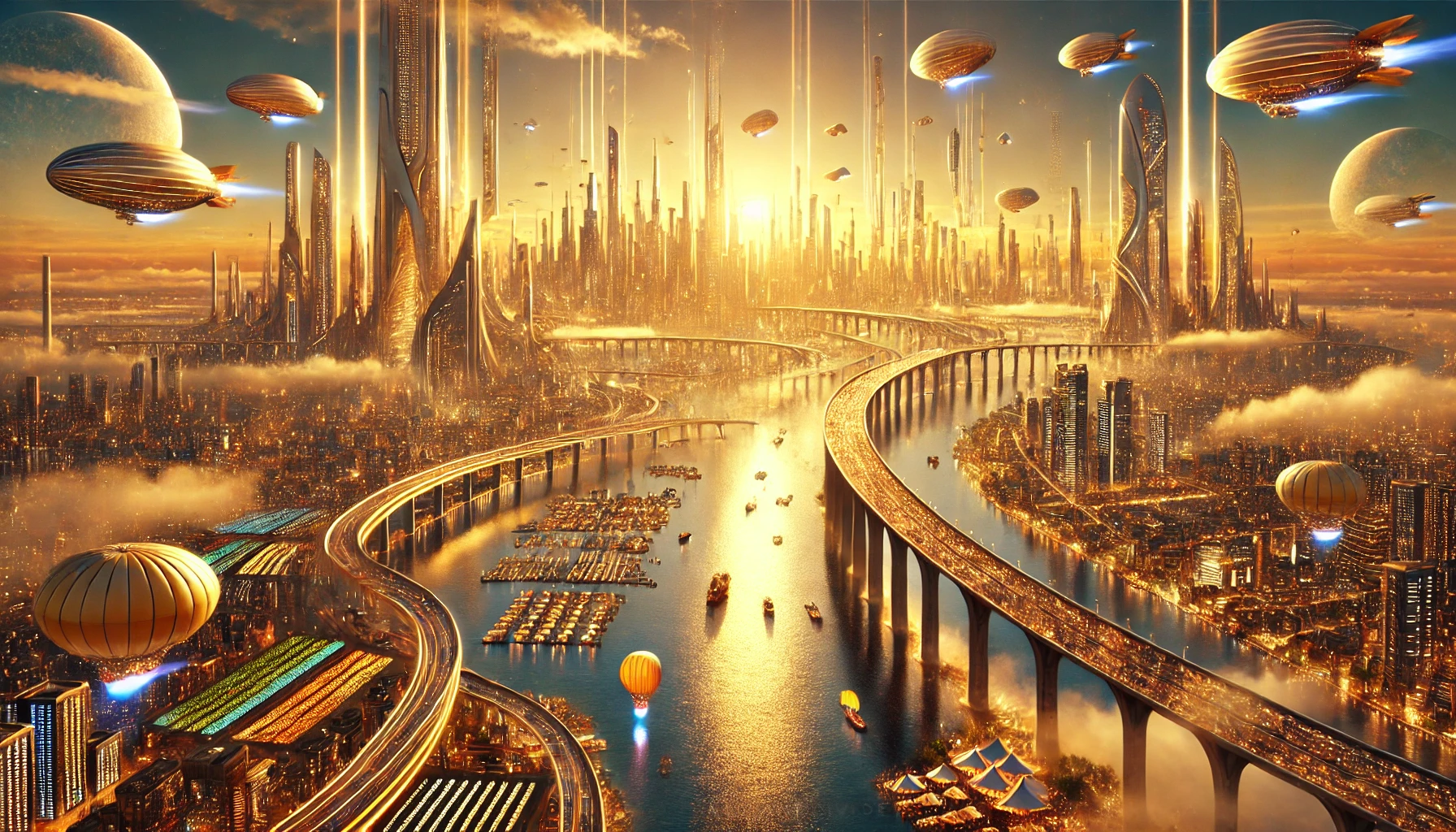
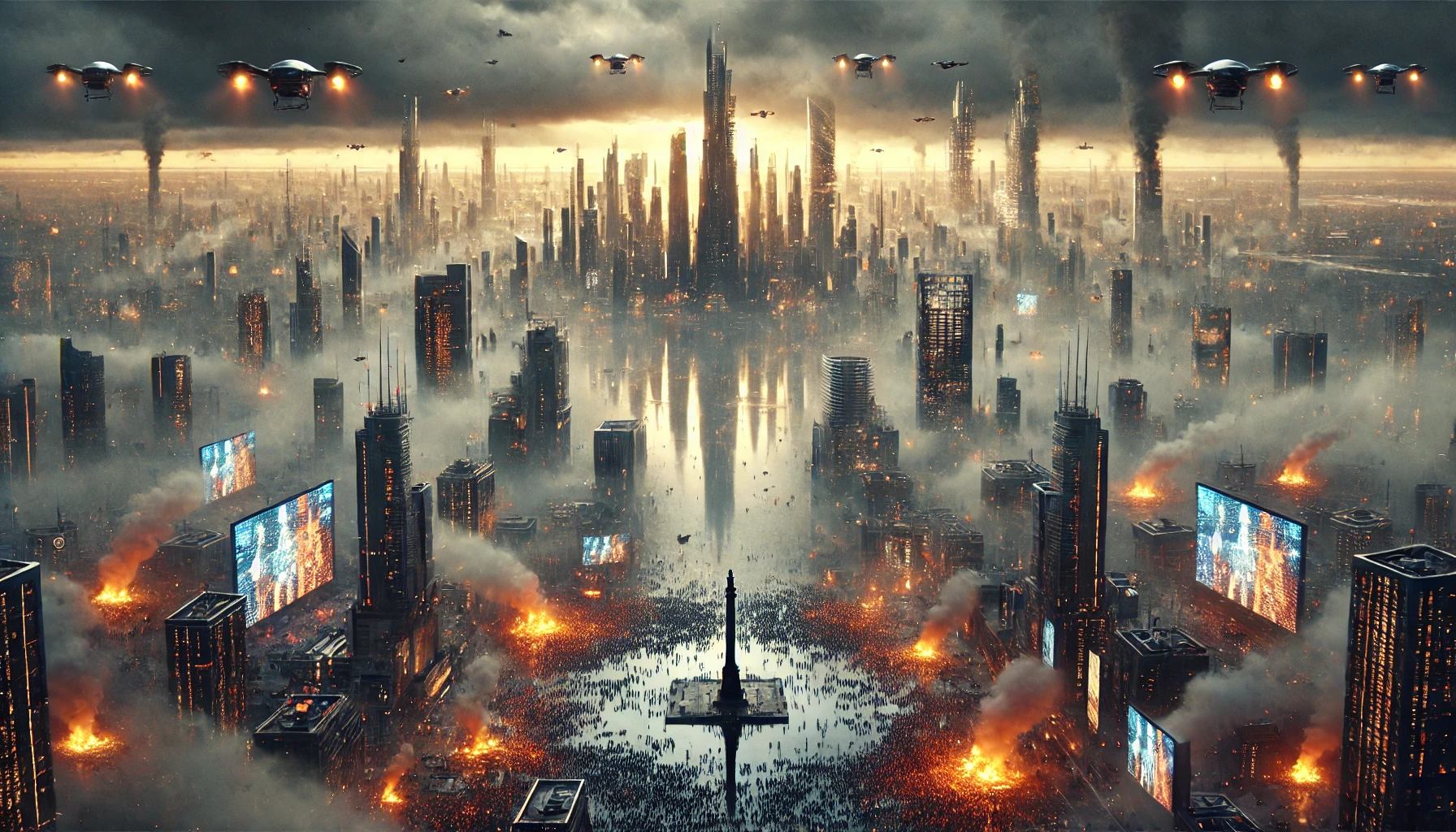
After building the controller, I moved into experimenting inside TouchDesigner. Each slider has five possible values. With five sliders, that creates 5⁵ = 3125 possible worlds. I obviously didn’t have the time, or the budget (AI generation gets expensive fast when done in bulk), to create that many unique visuals.
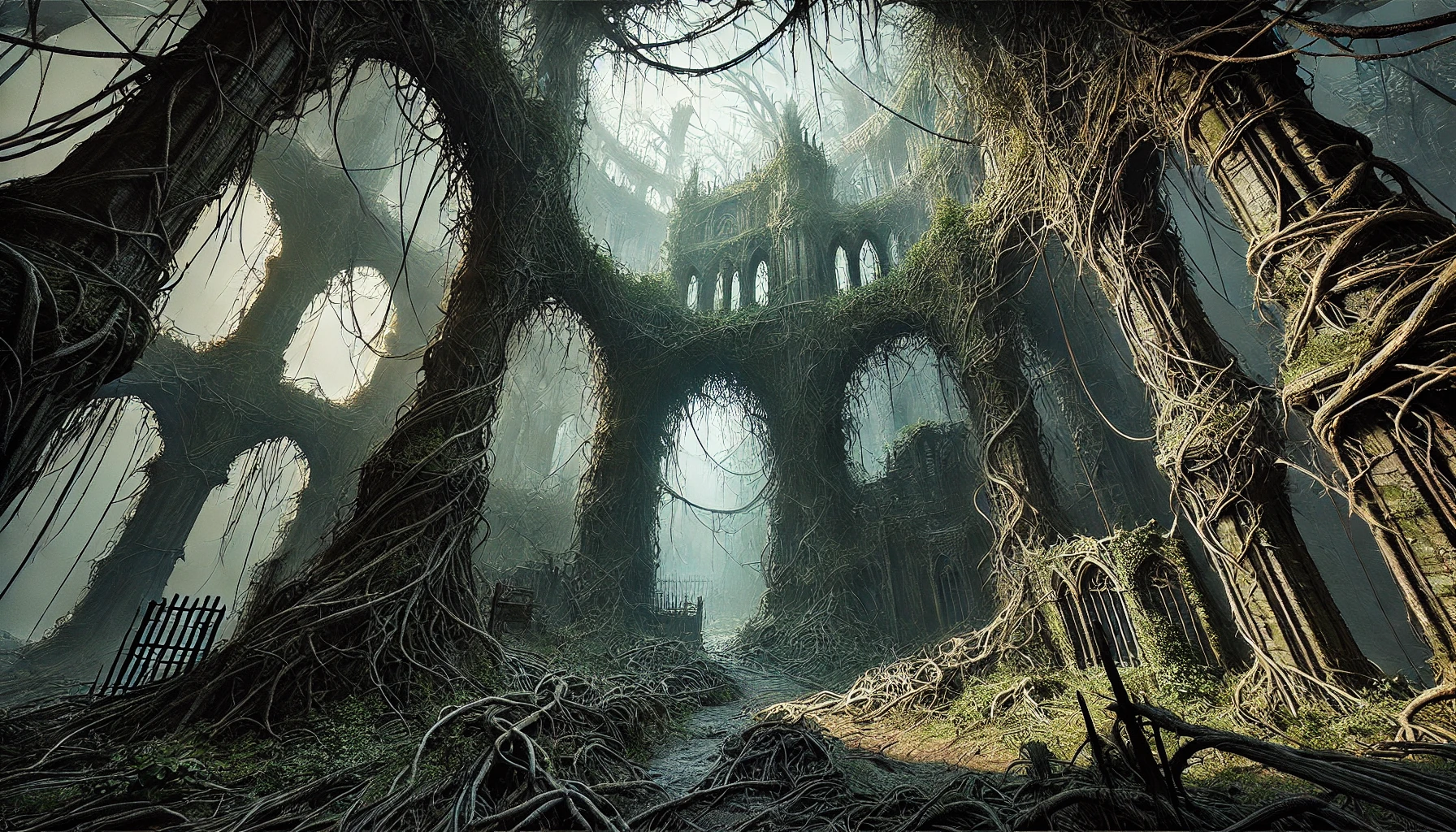
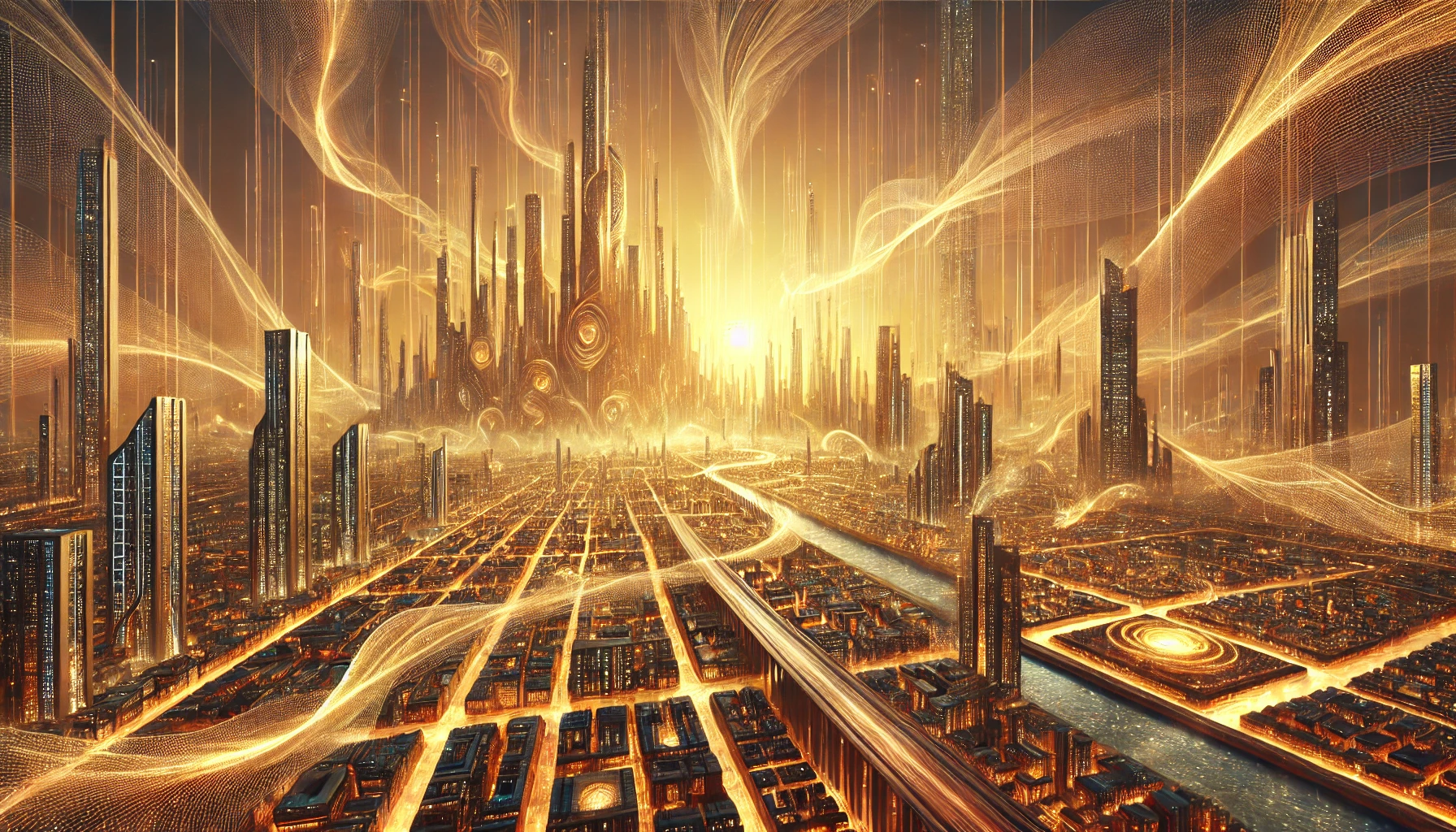
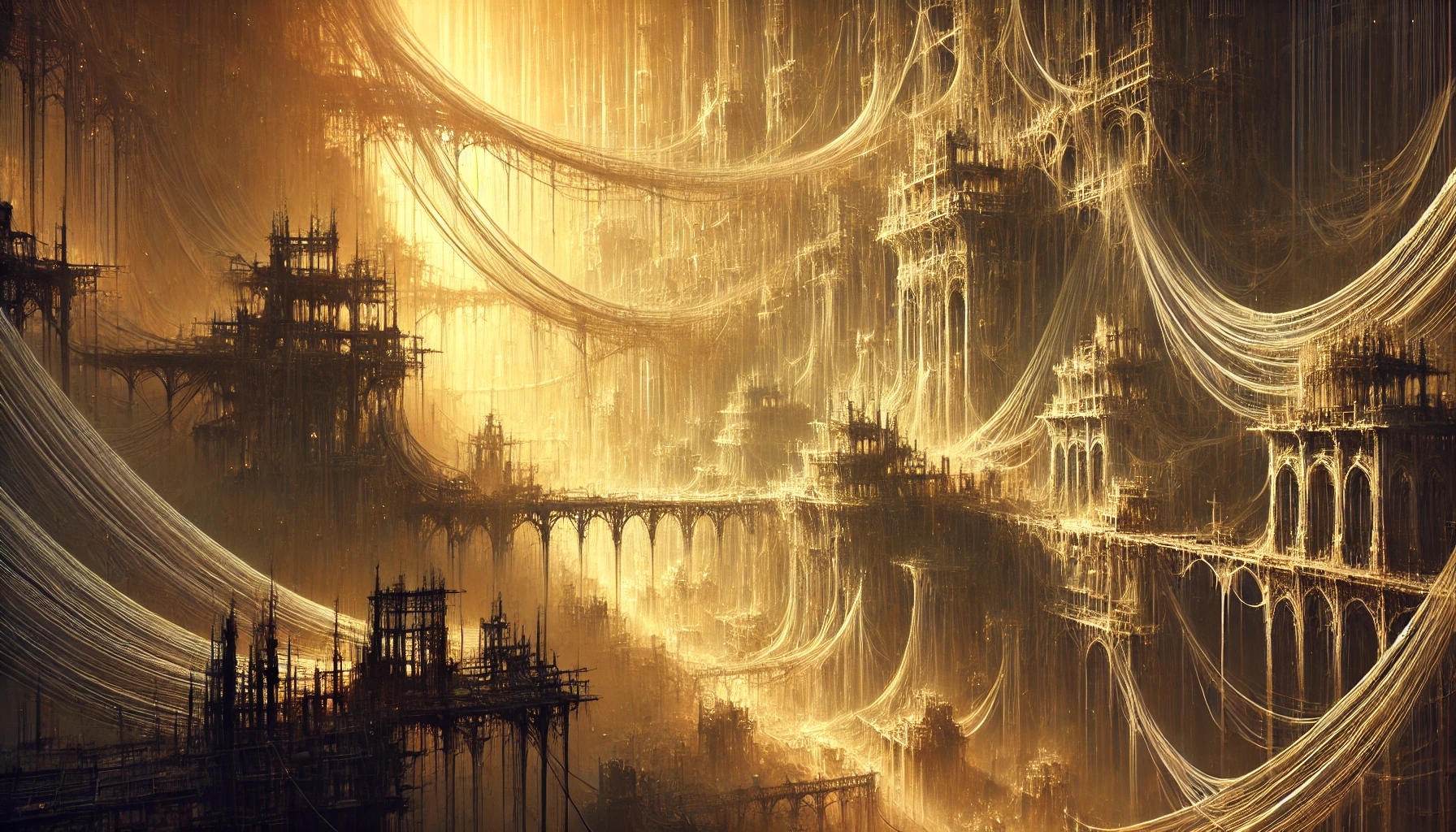
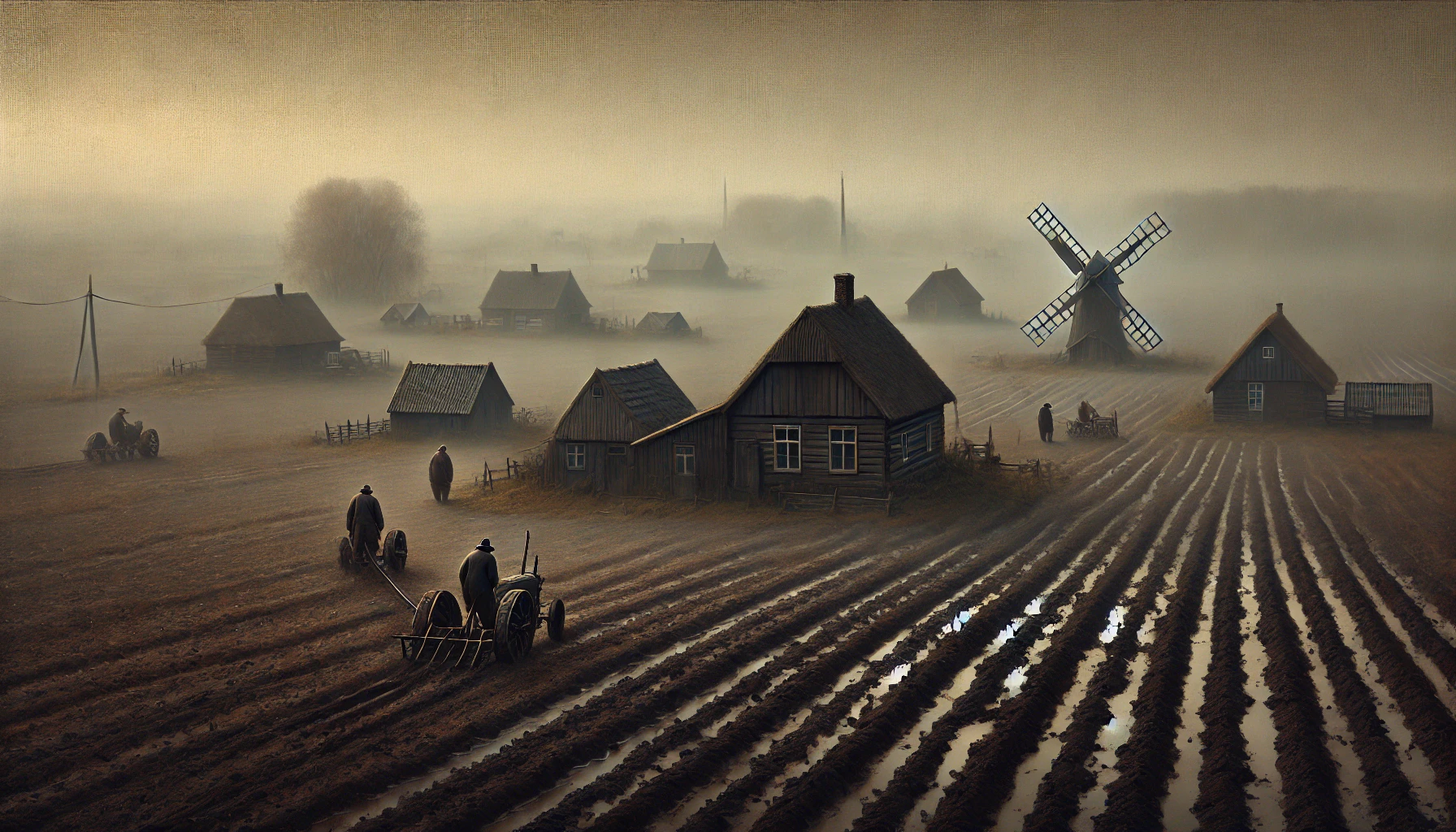
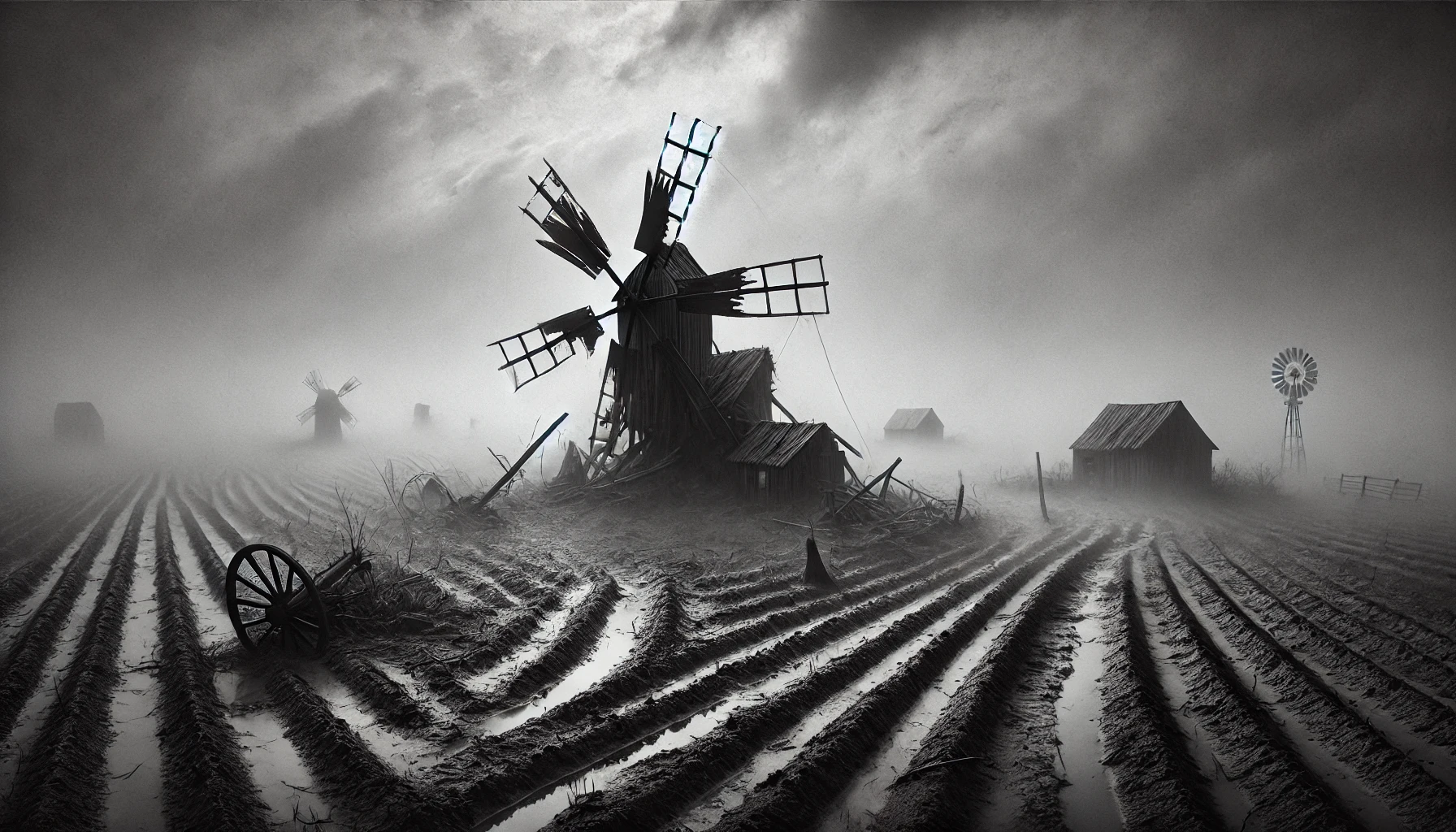
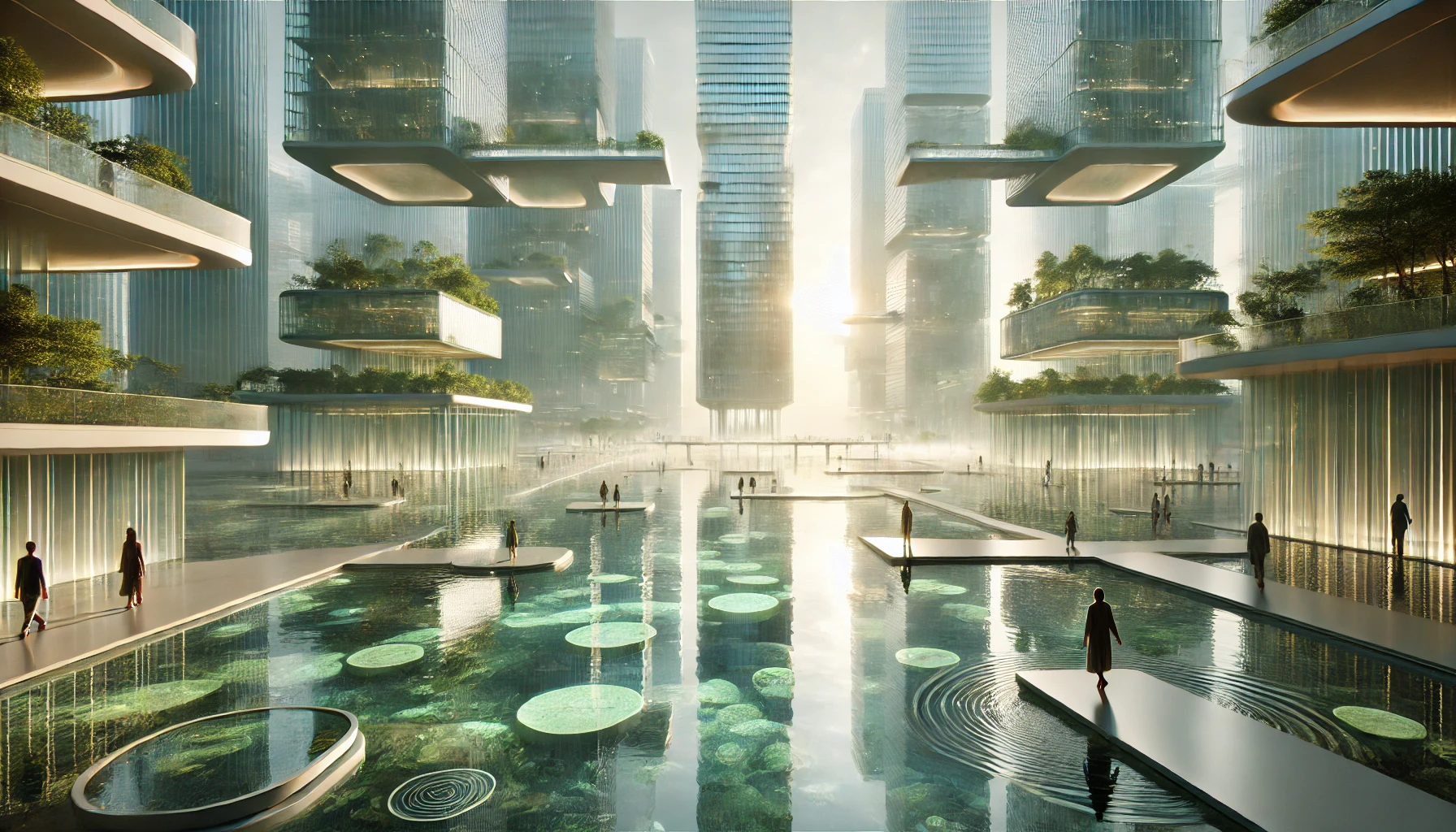
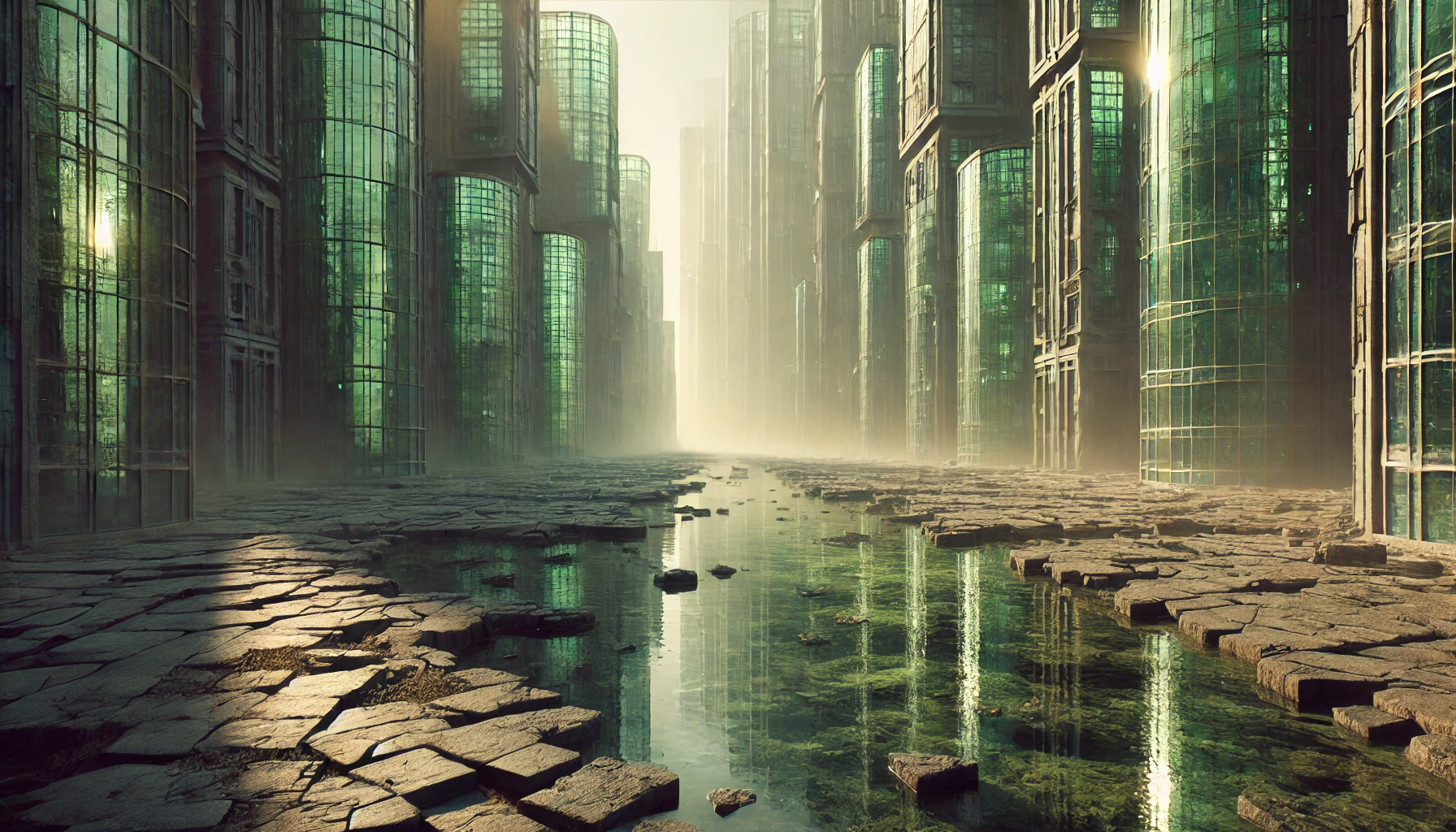
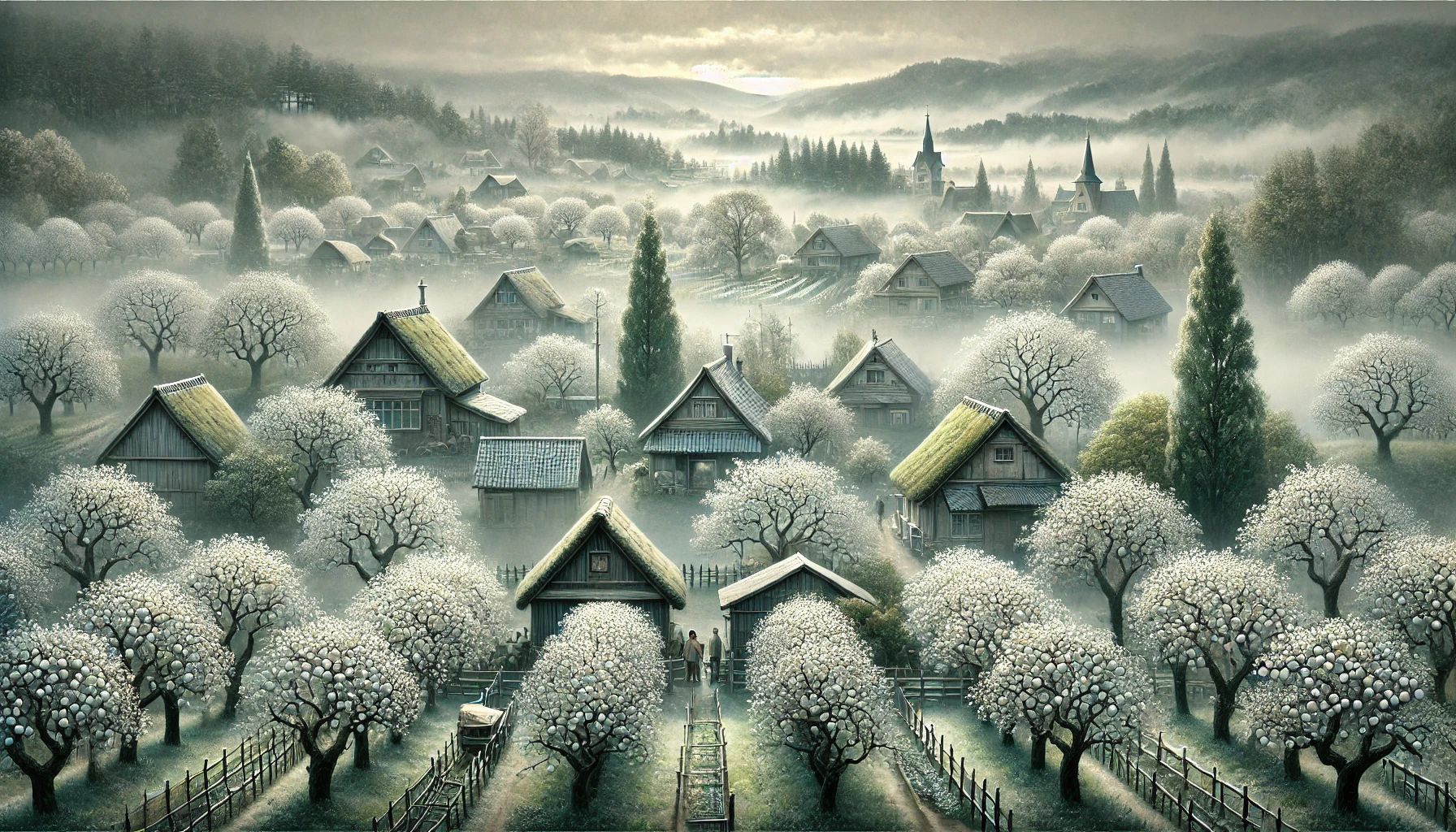
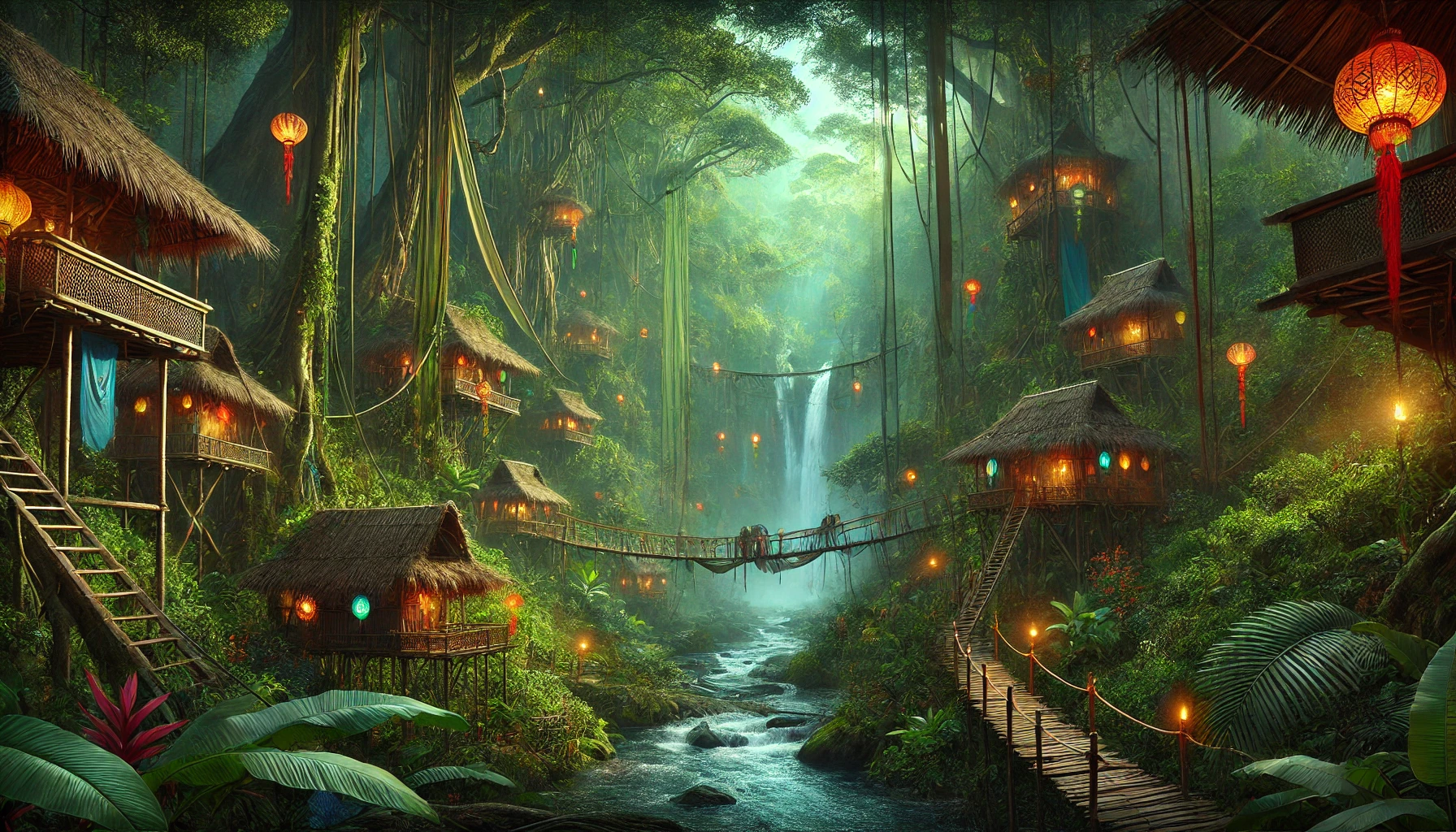
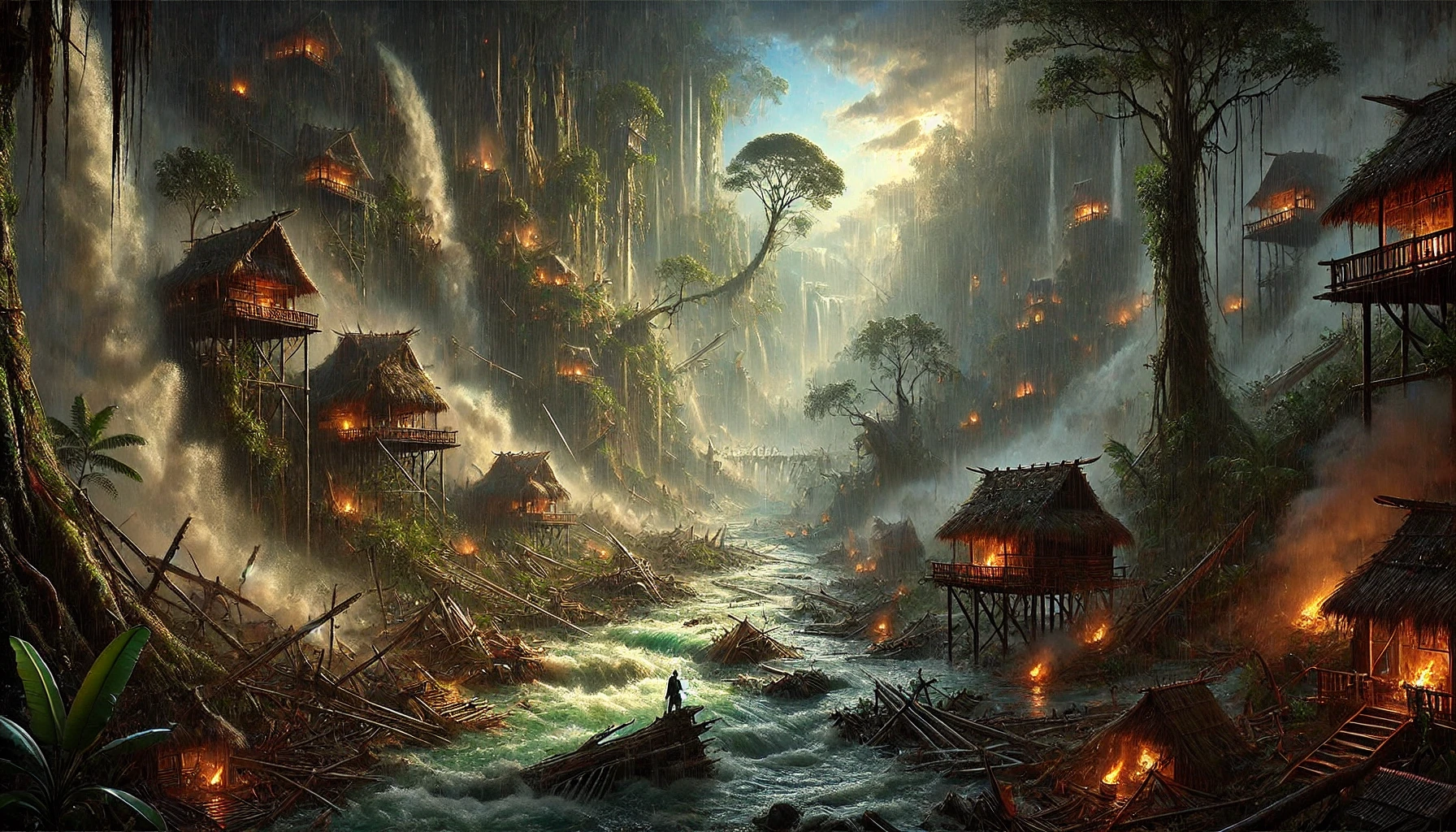
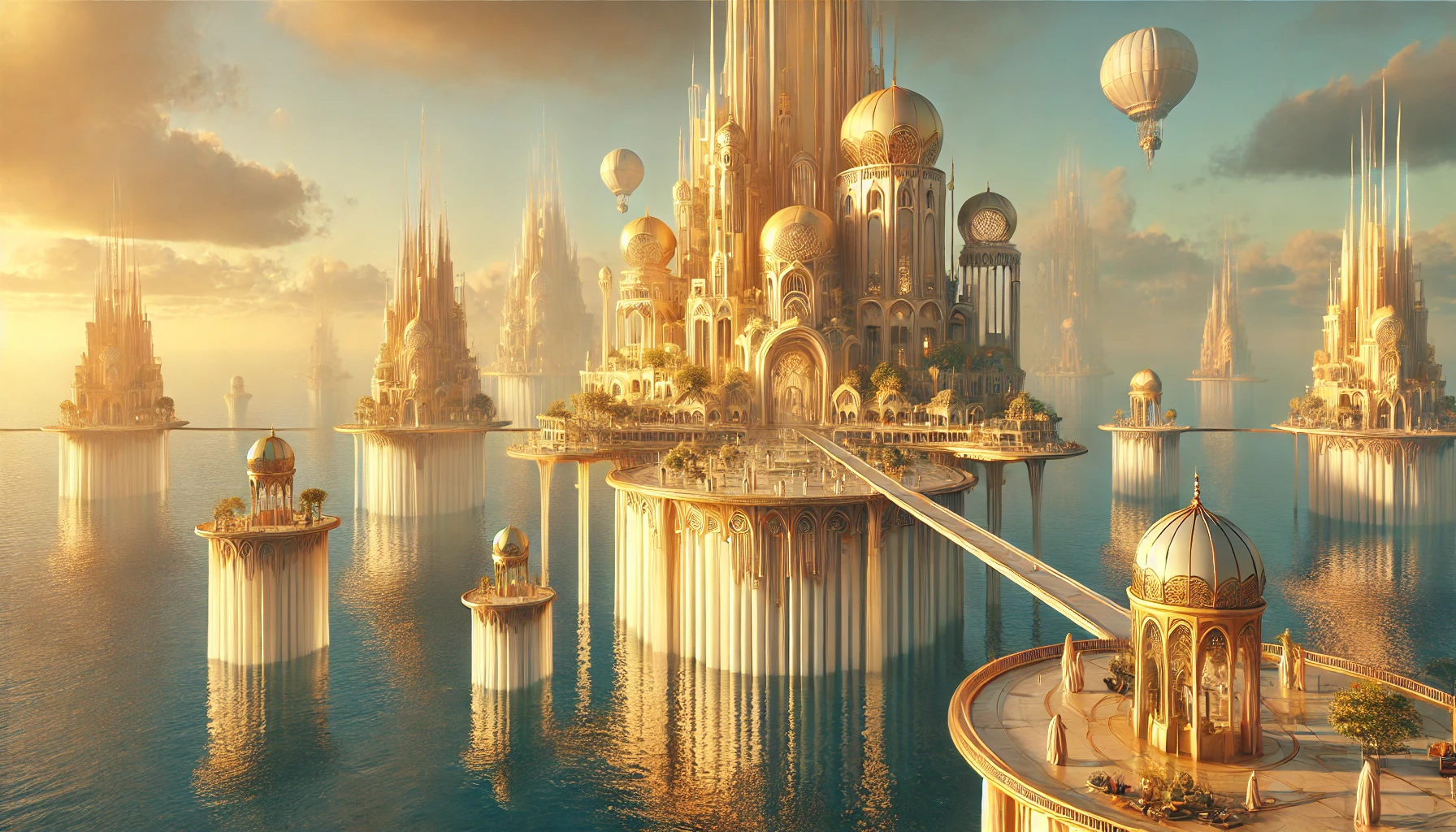
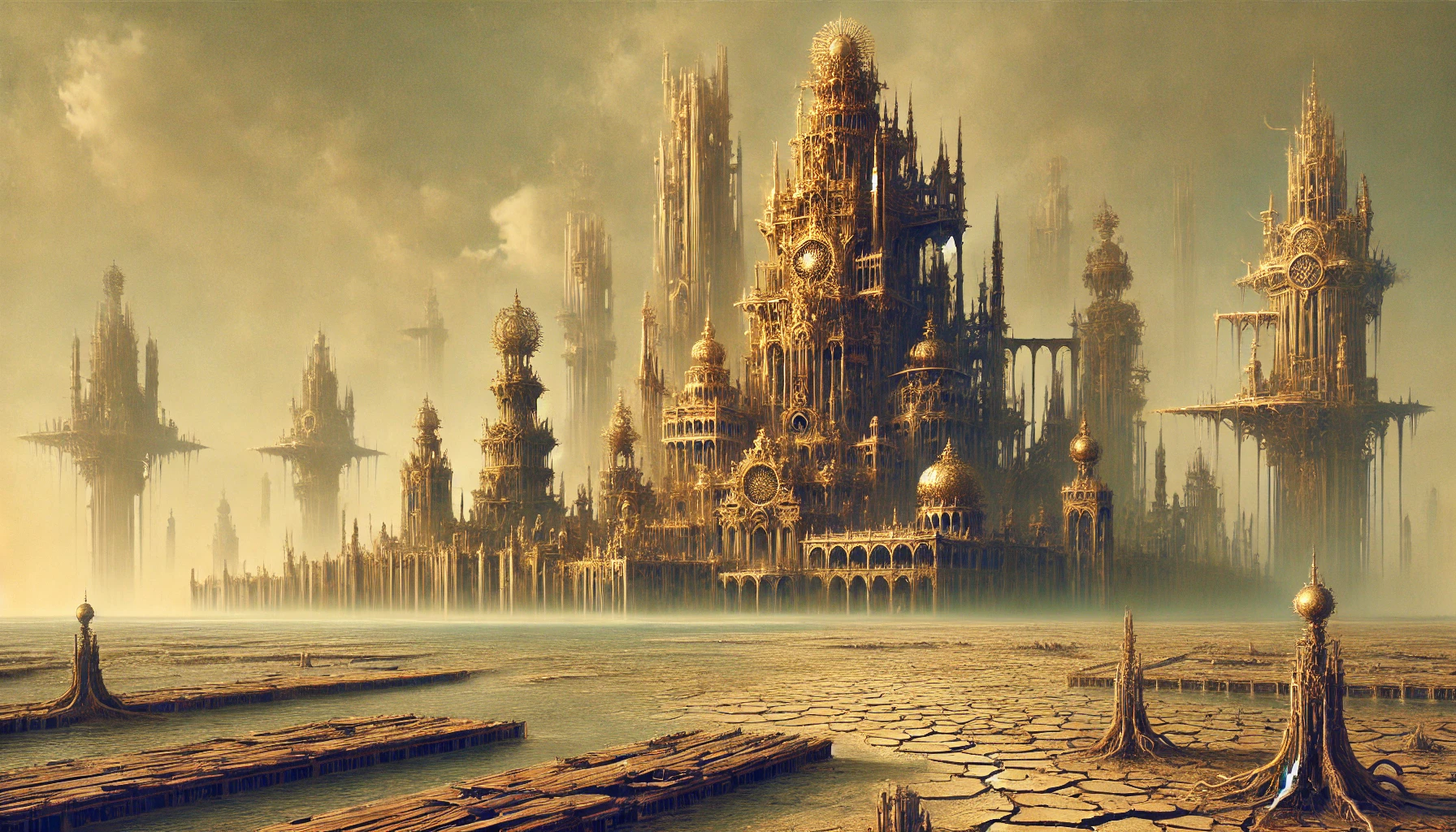
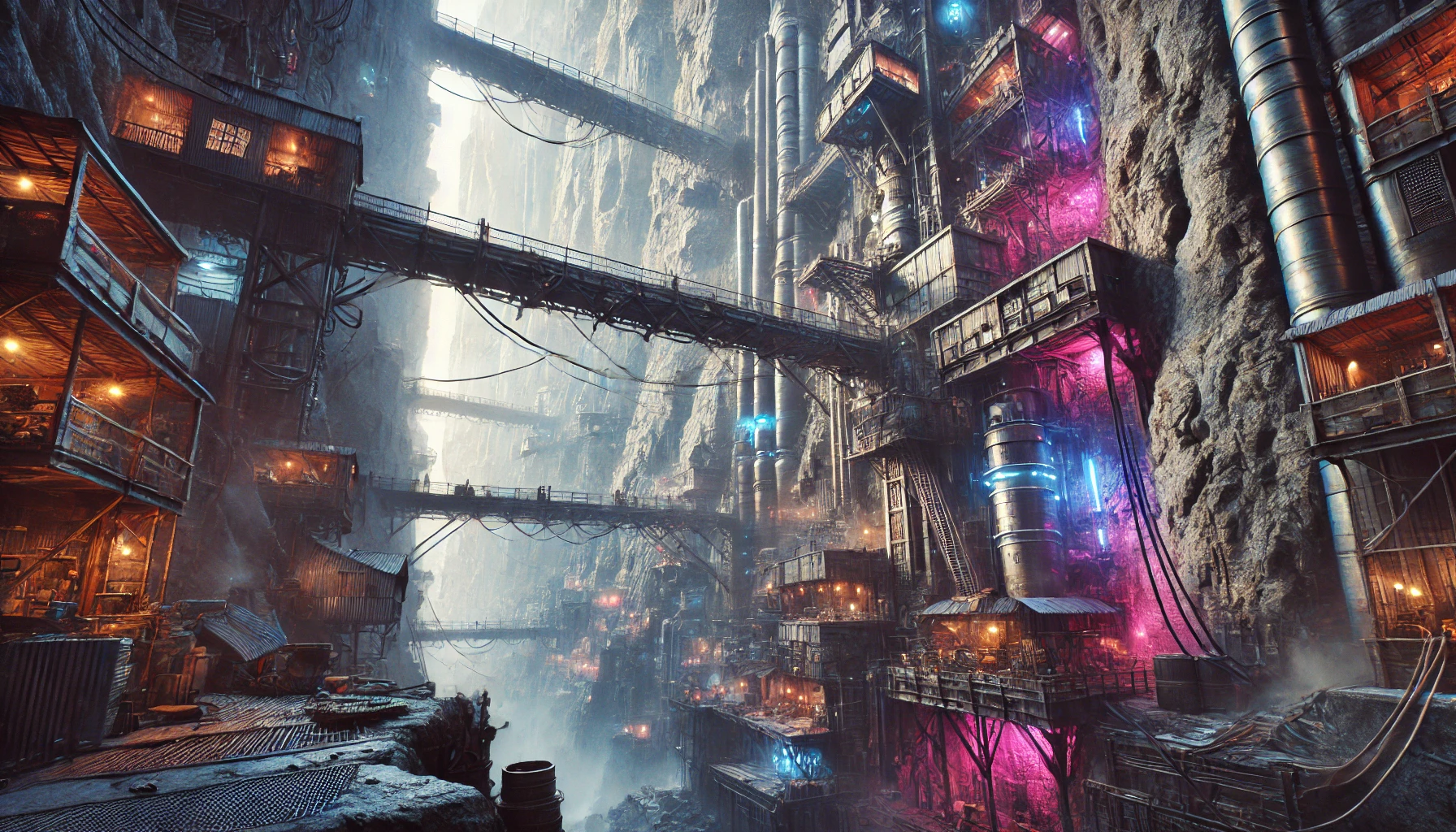
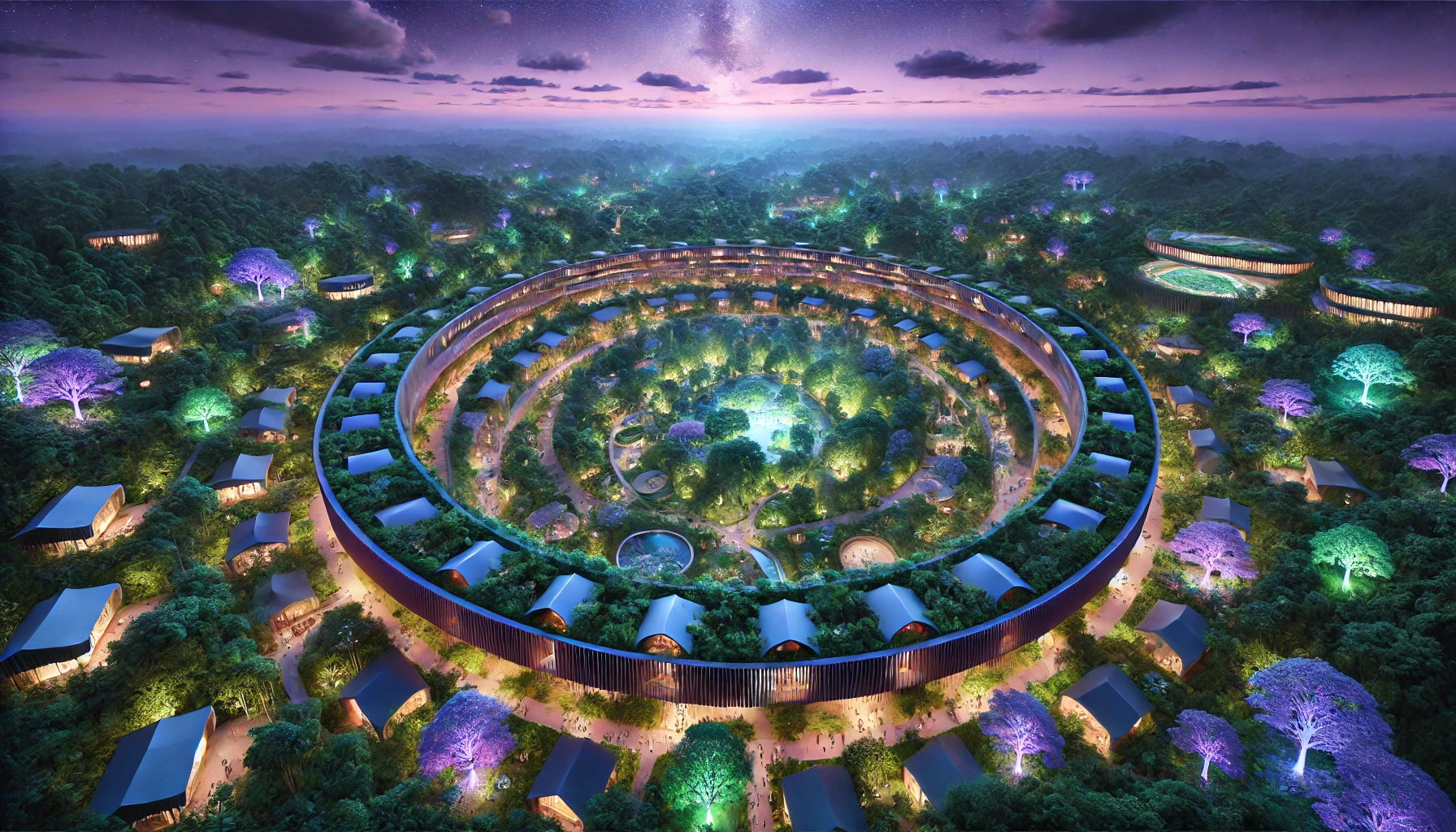
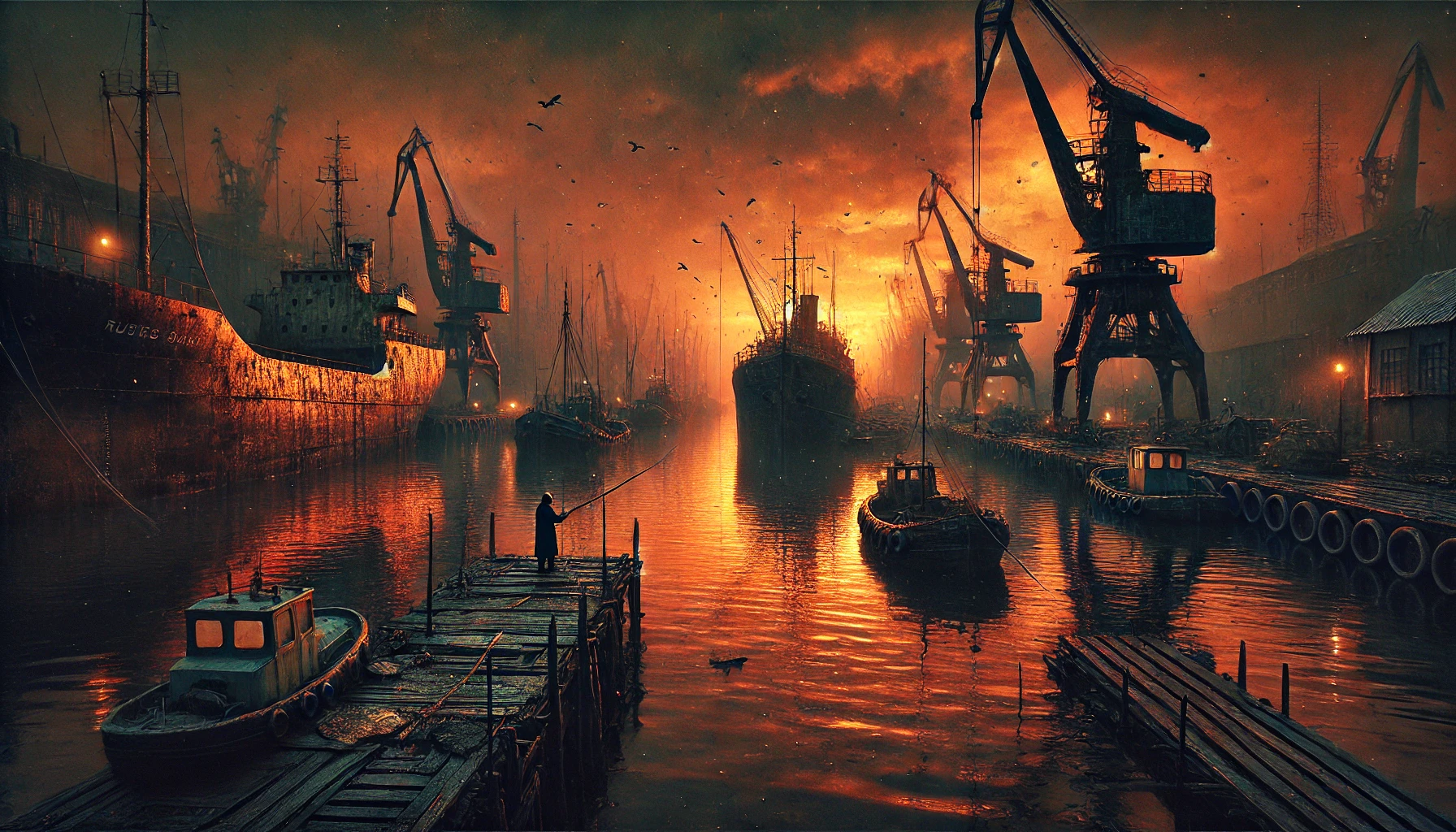
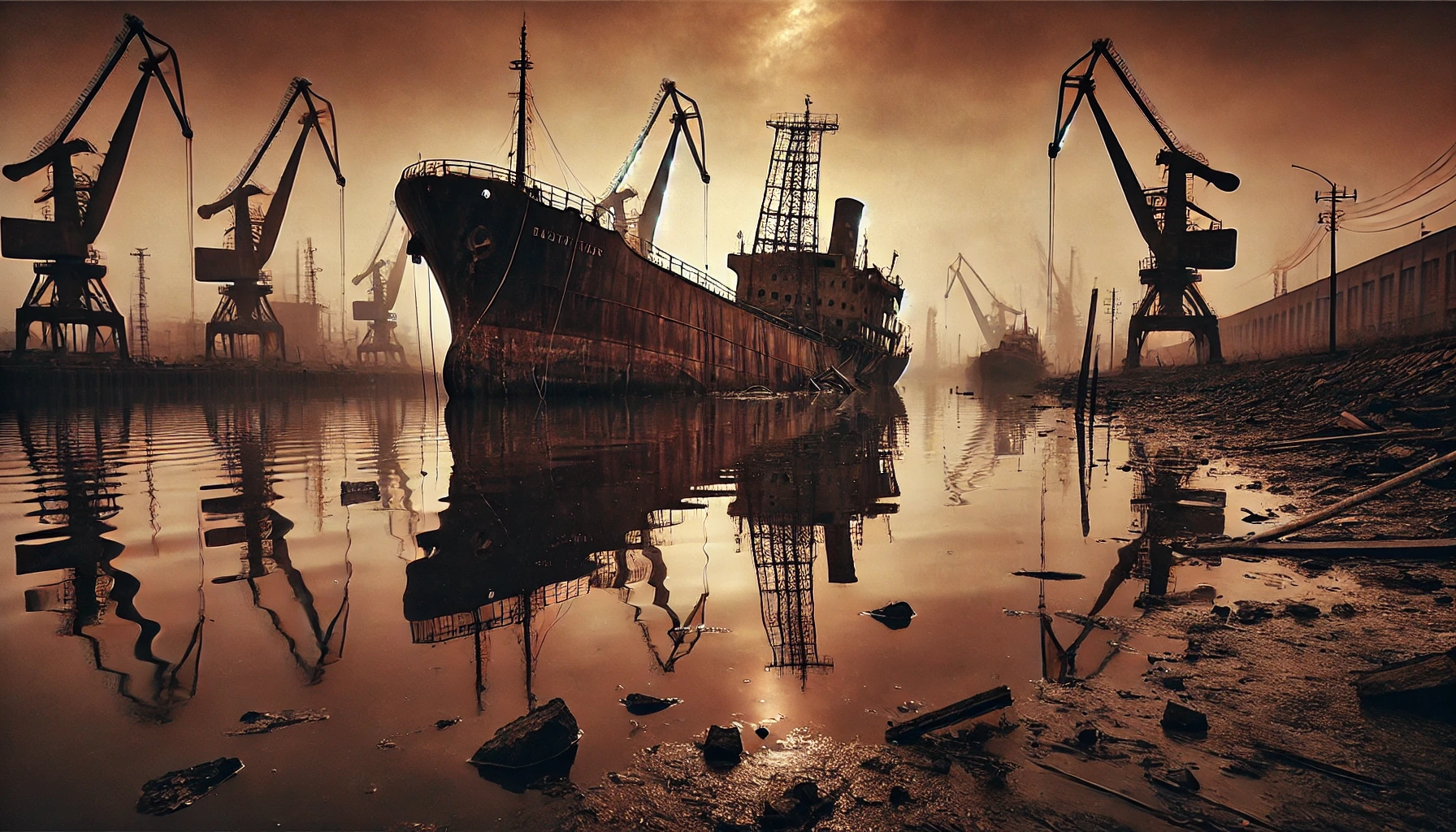
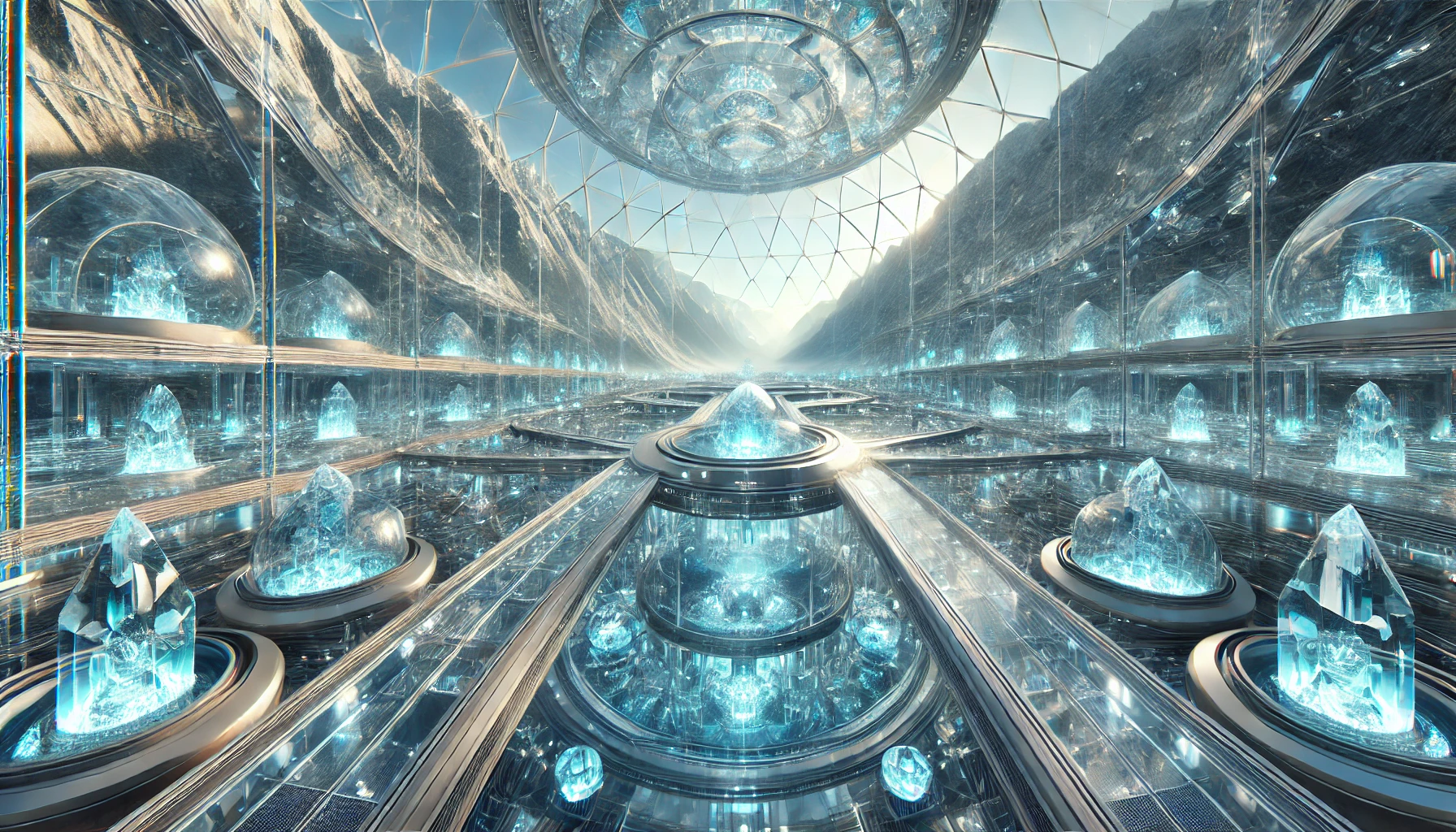
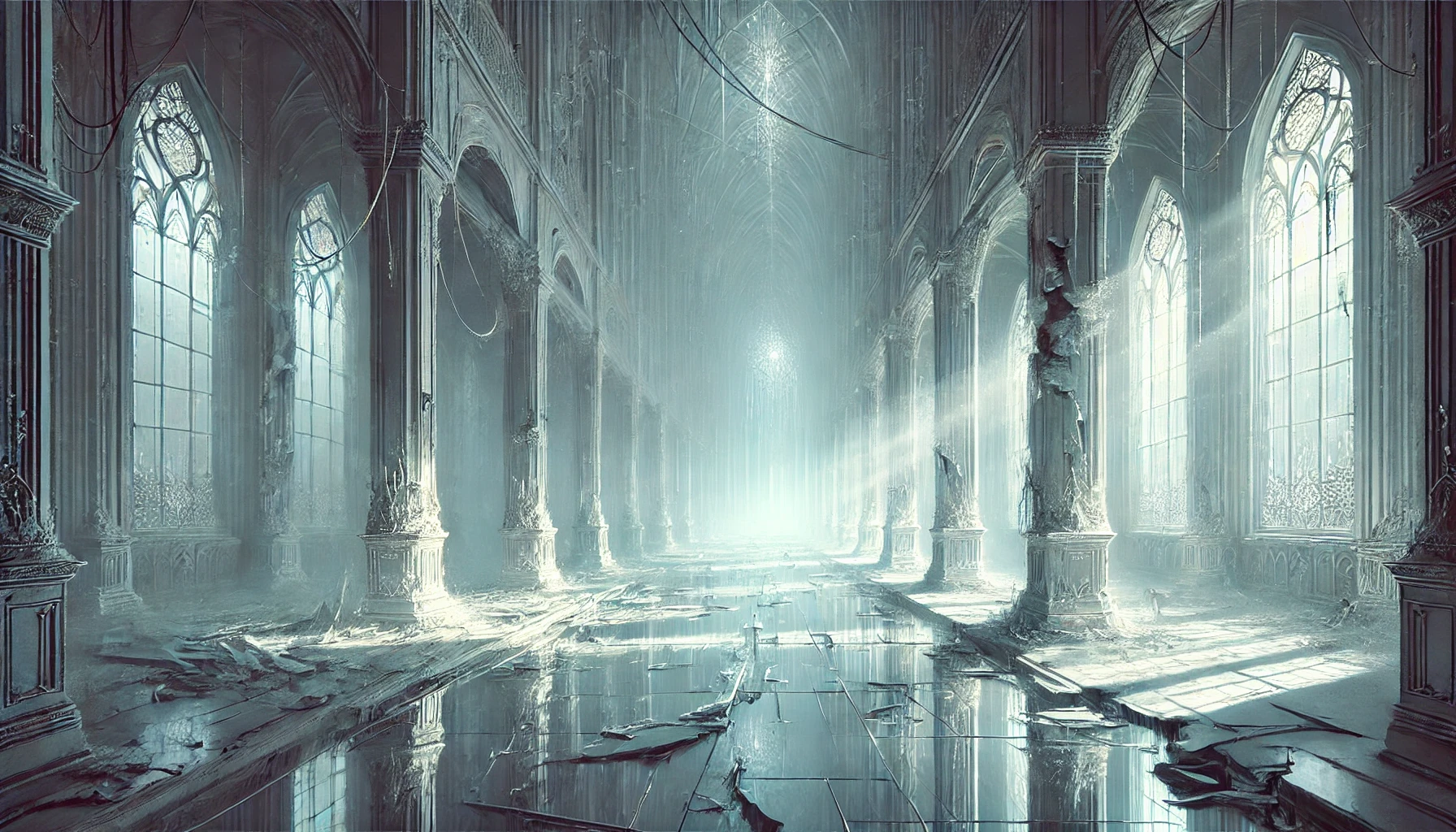
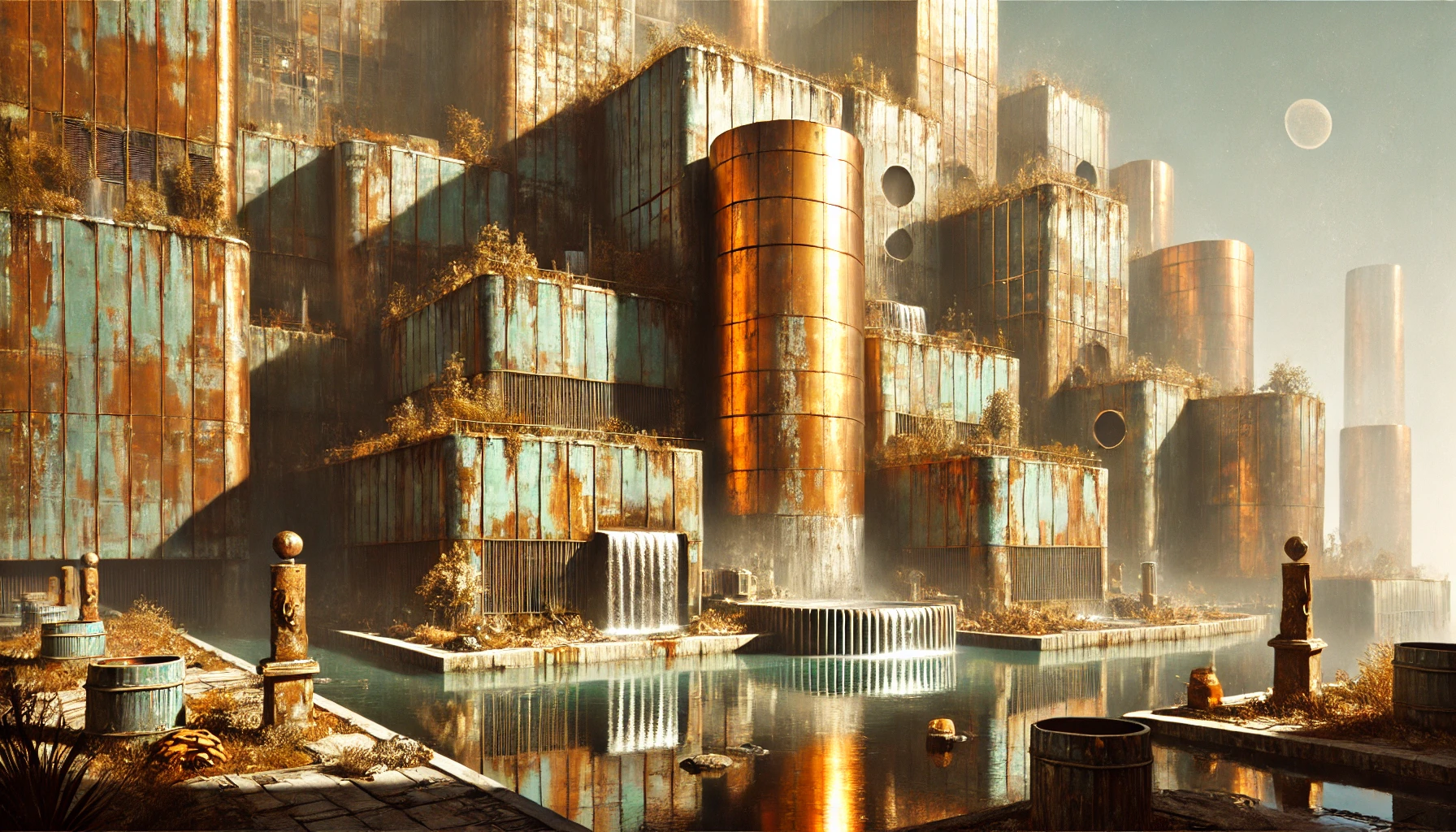
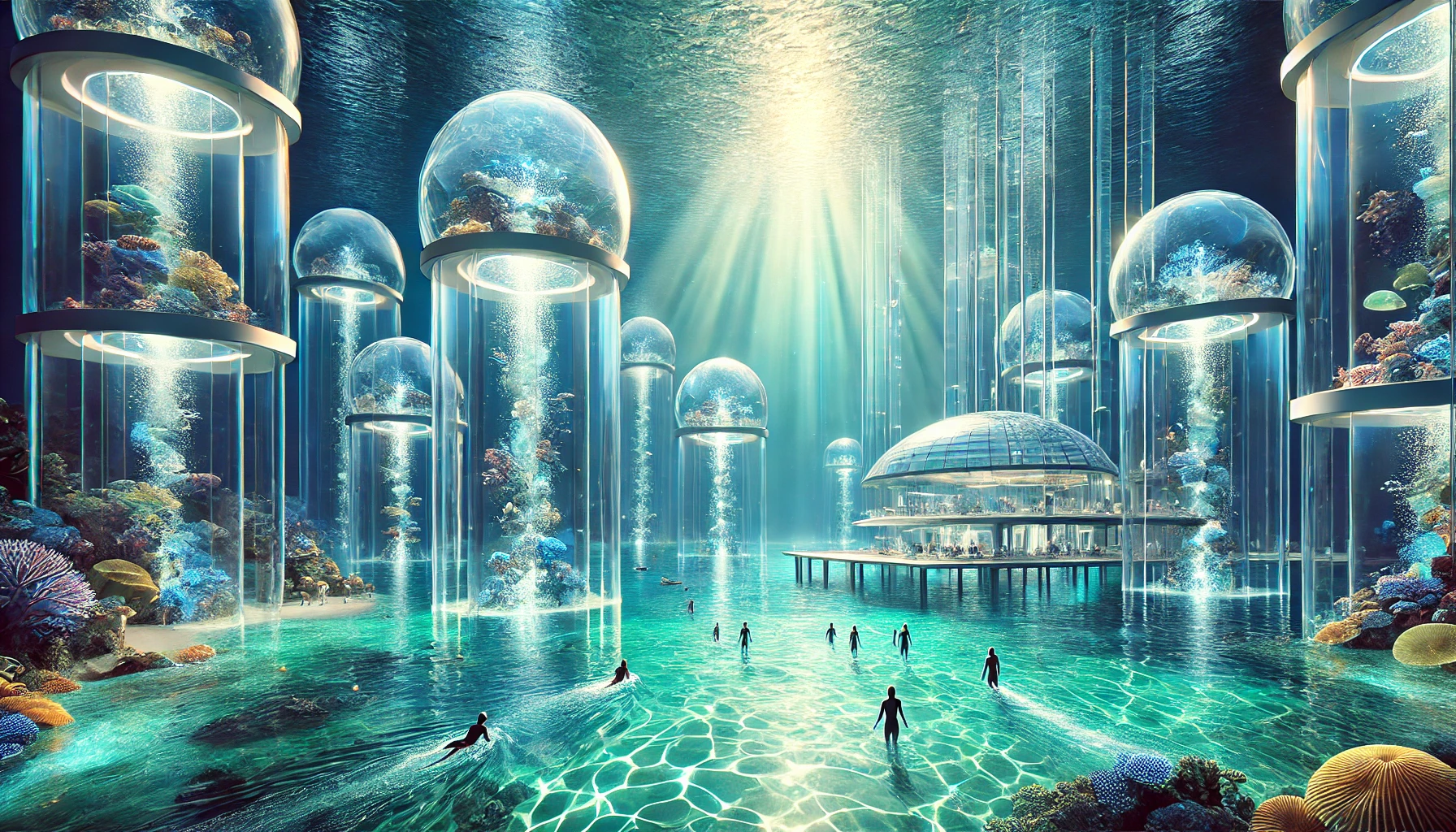
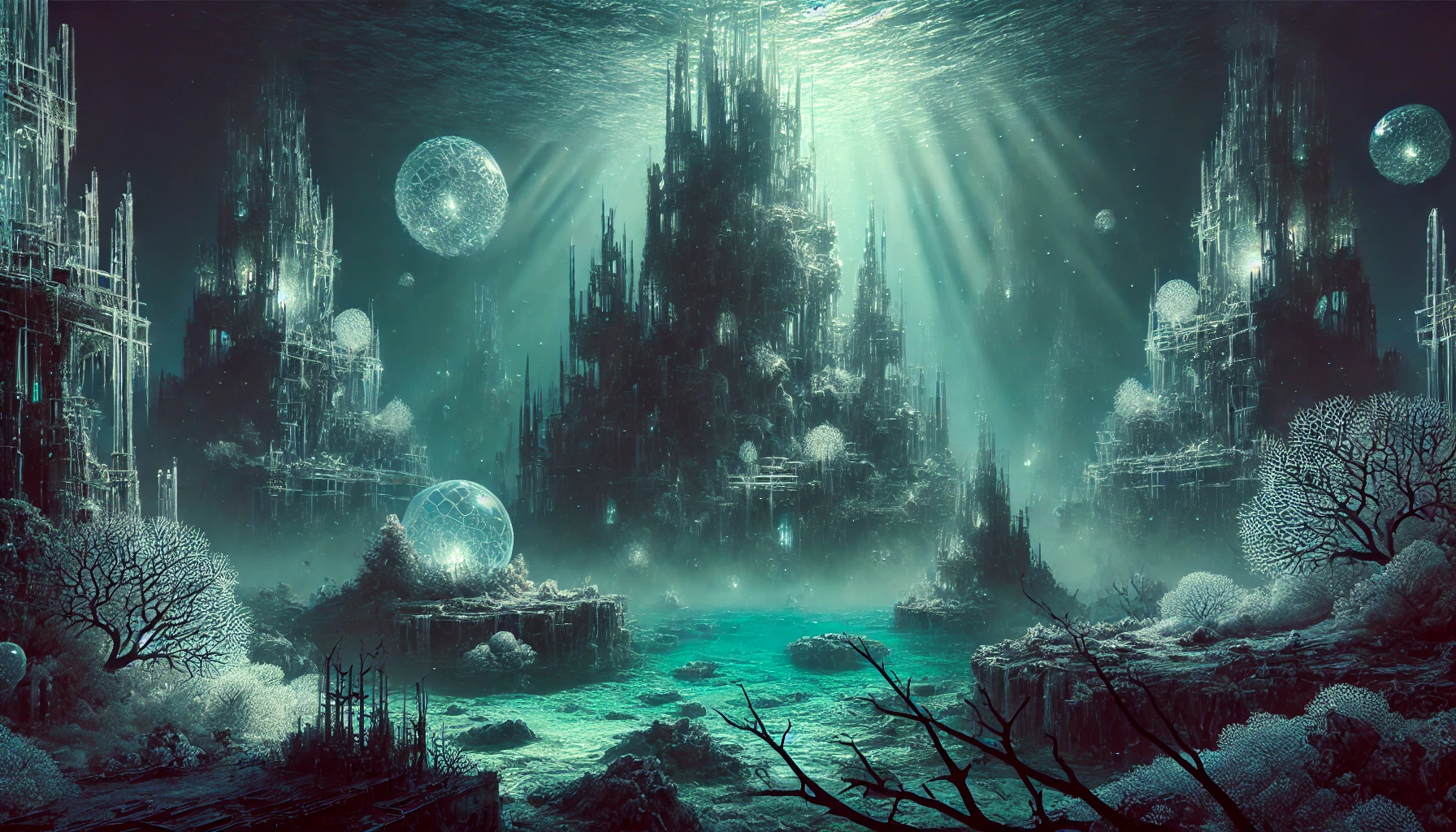
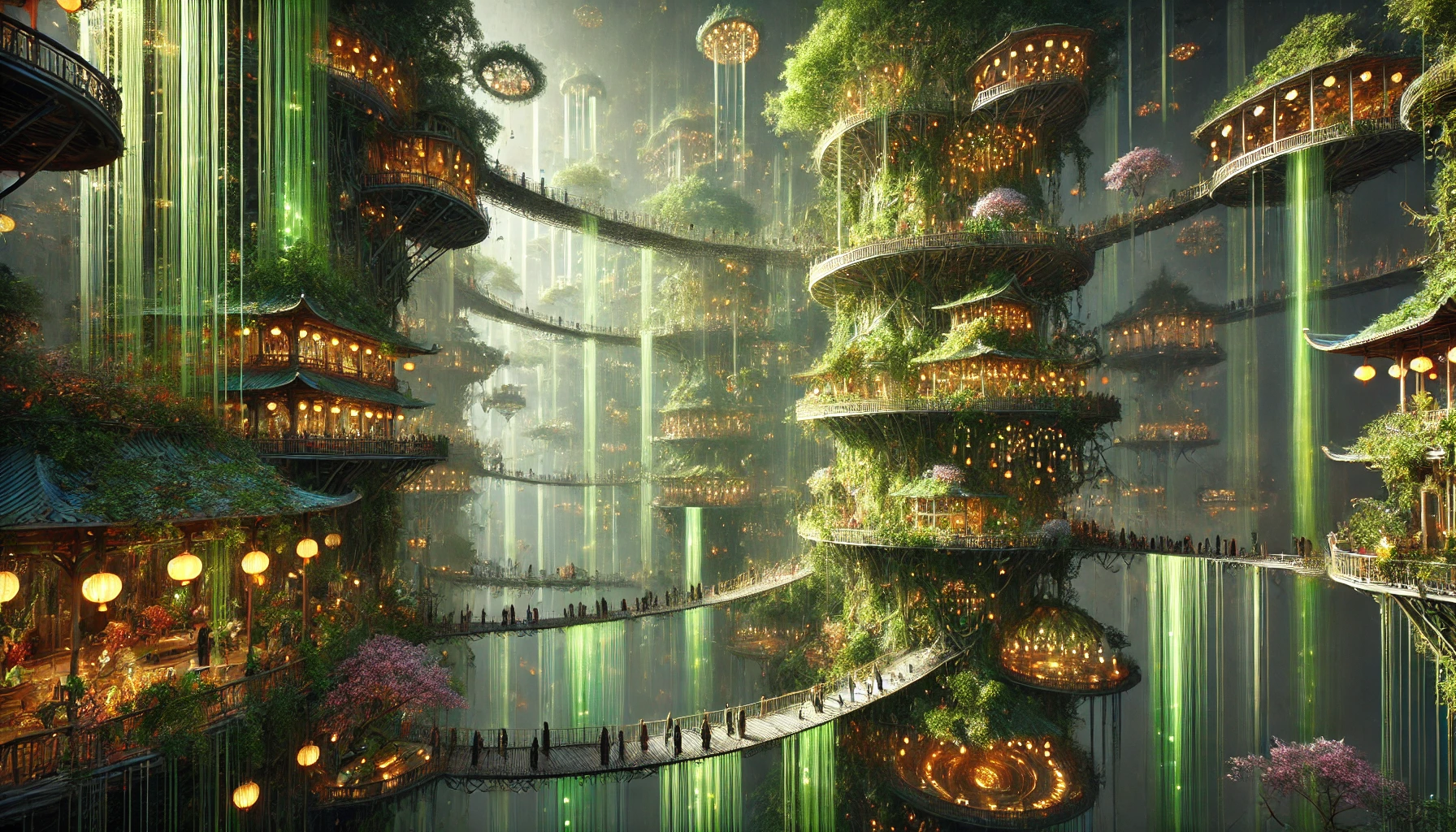
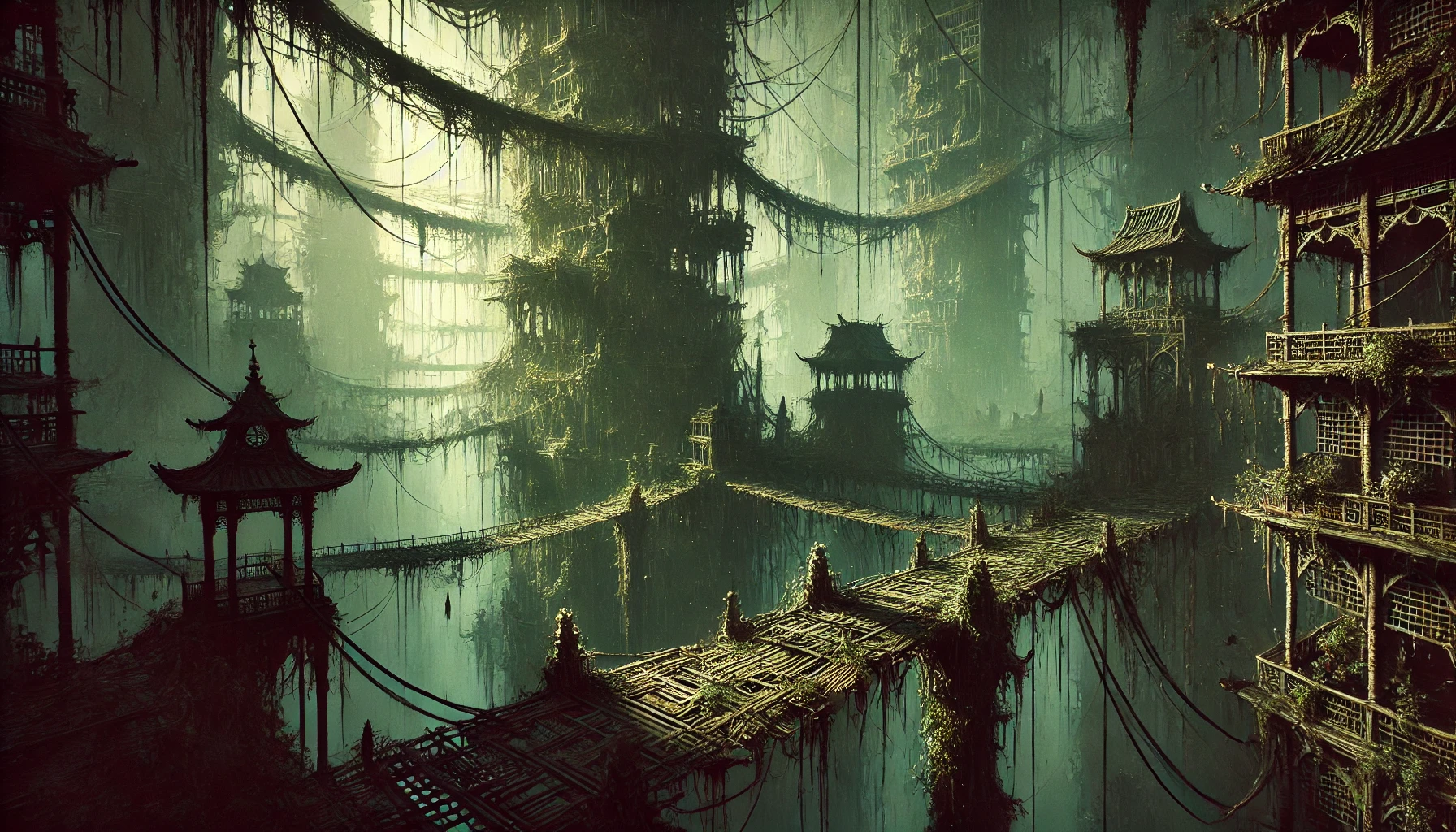
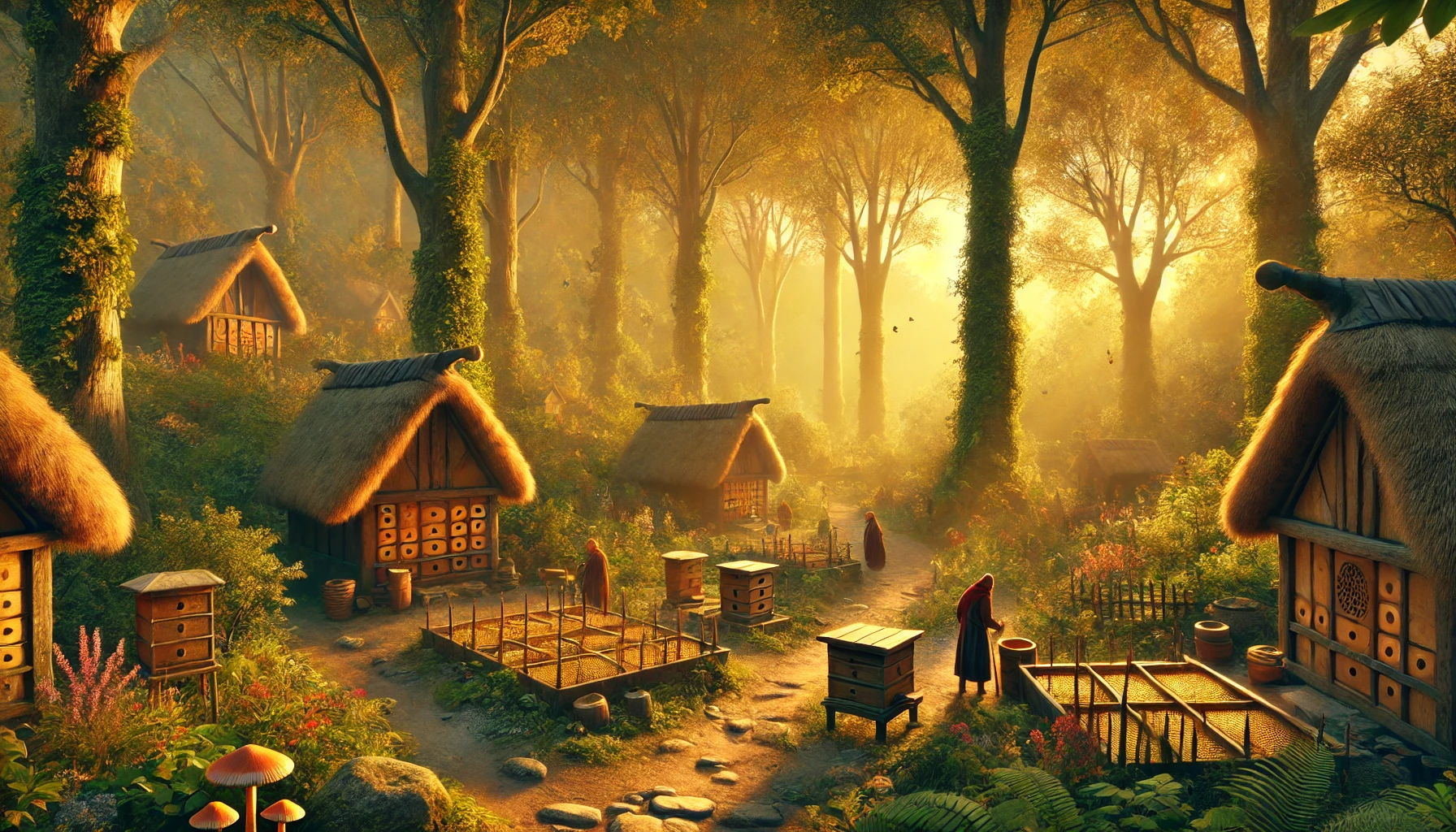
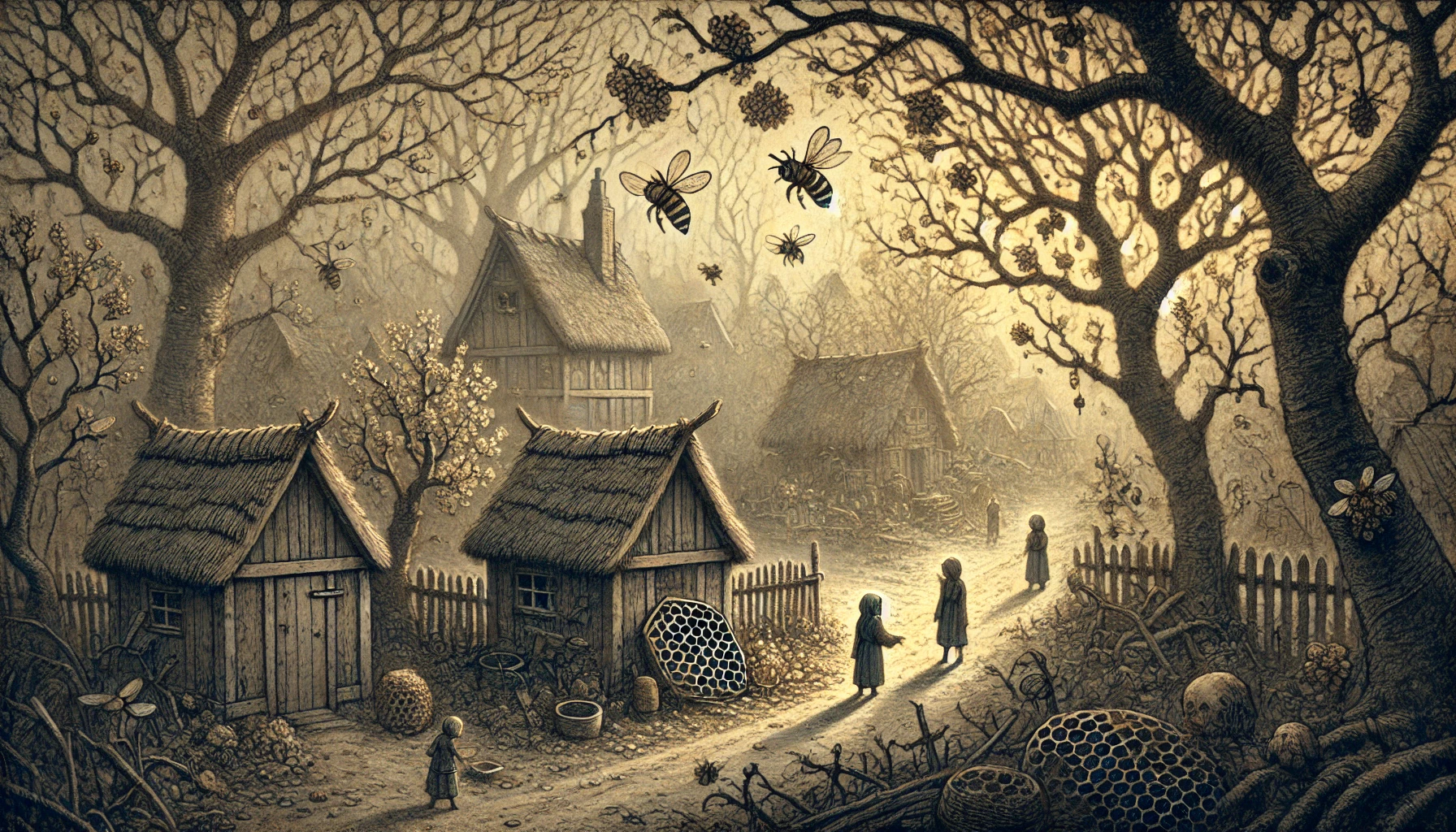
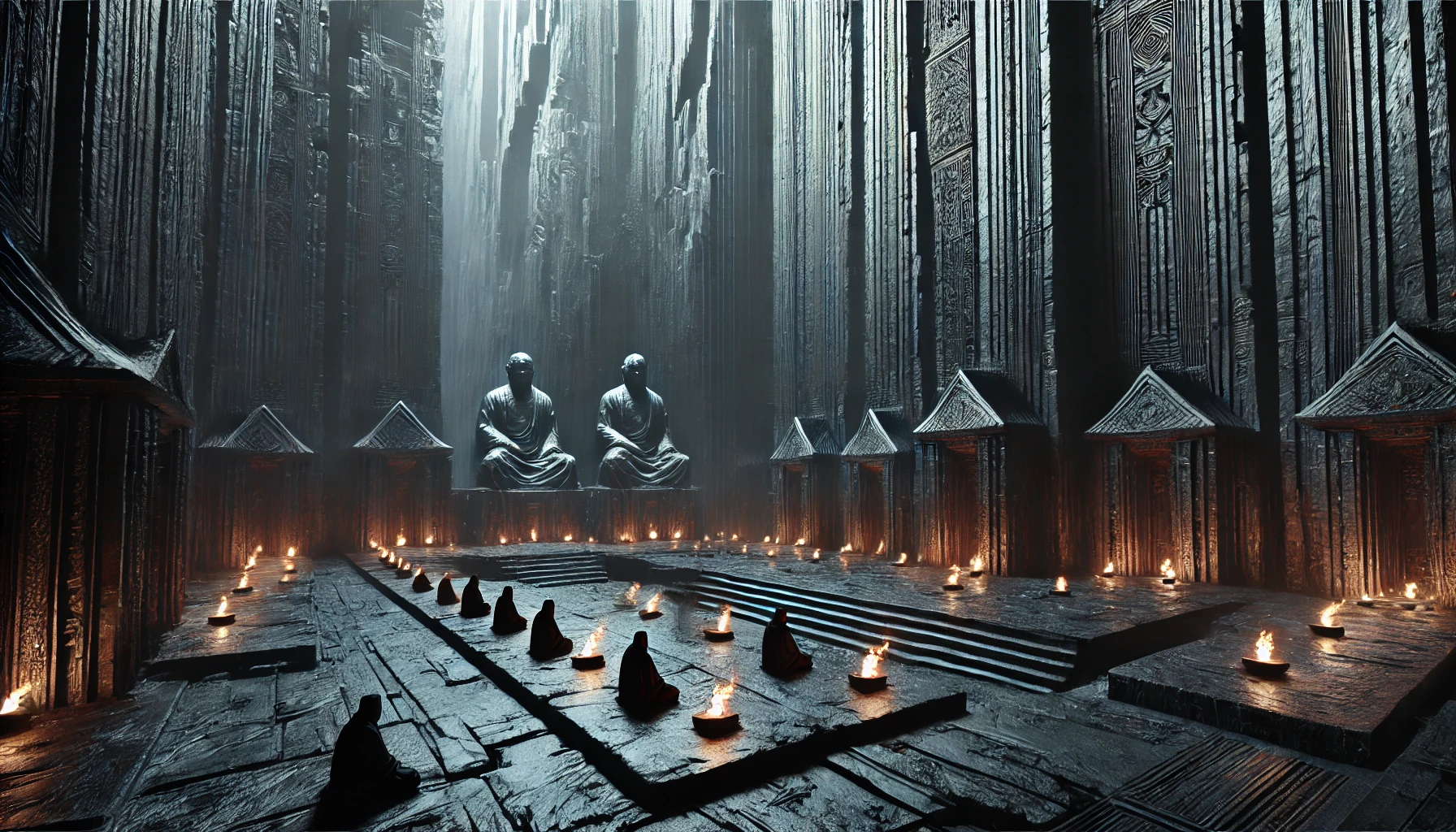
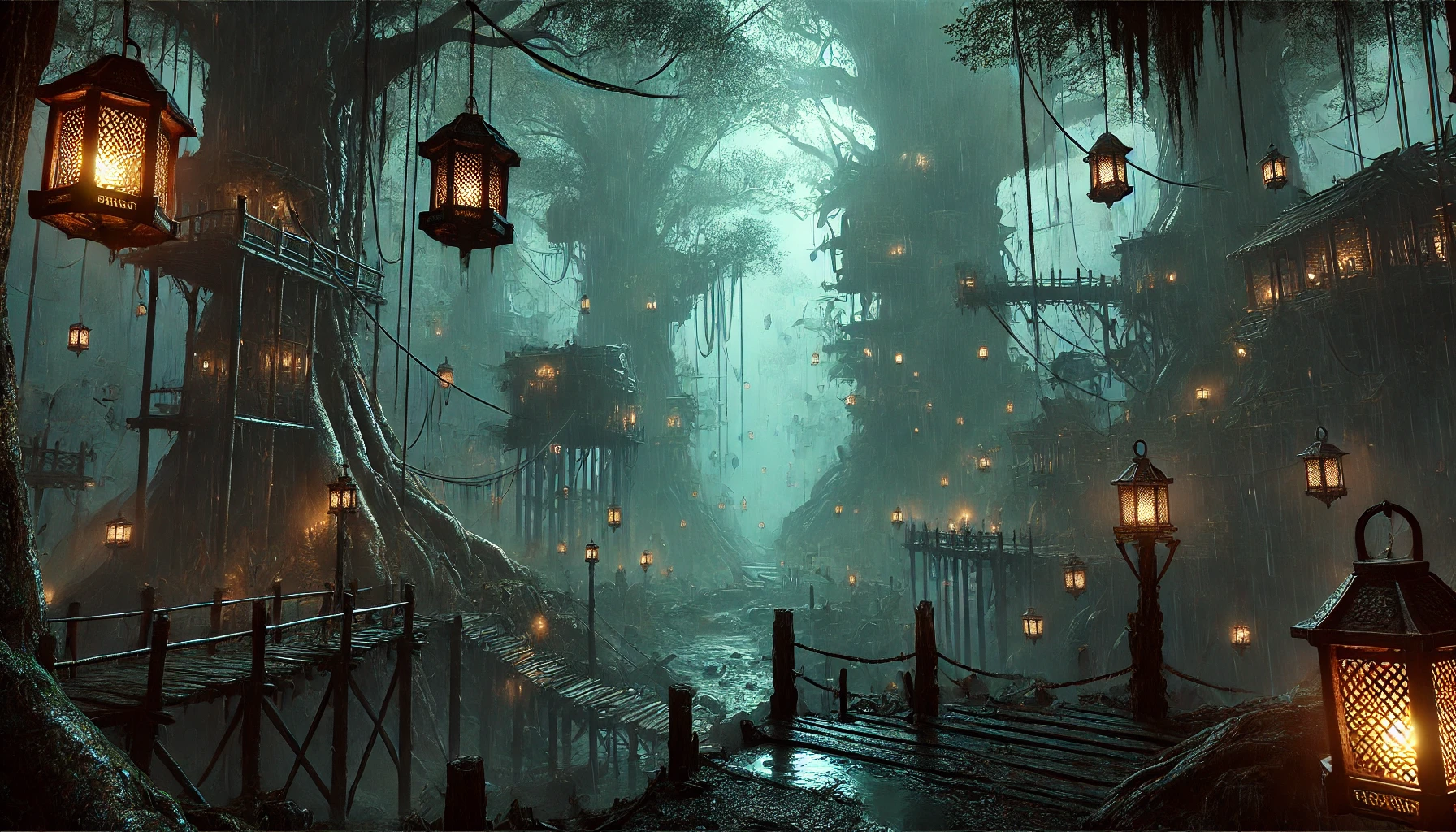
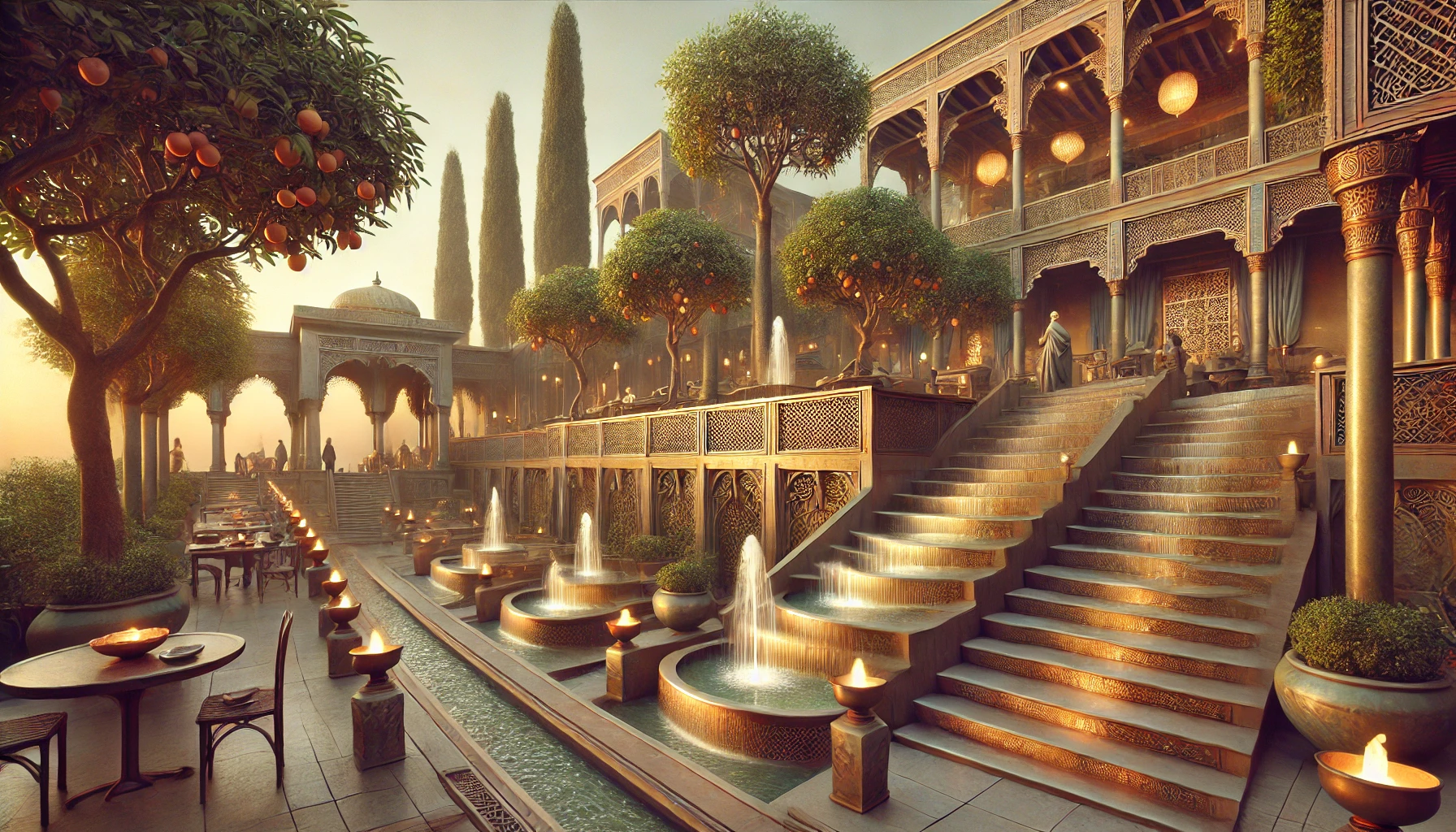
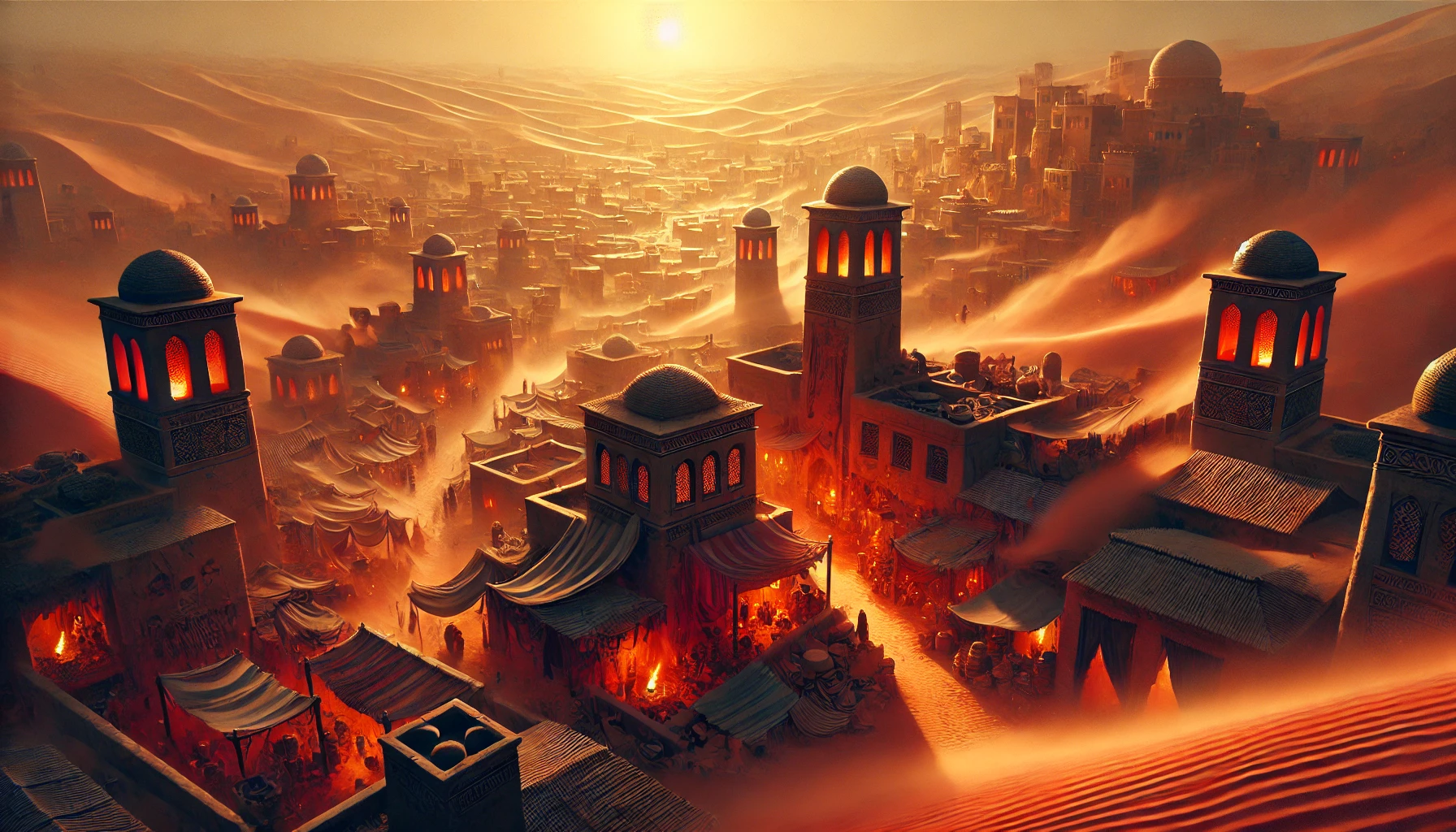
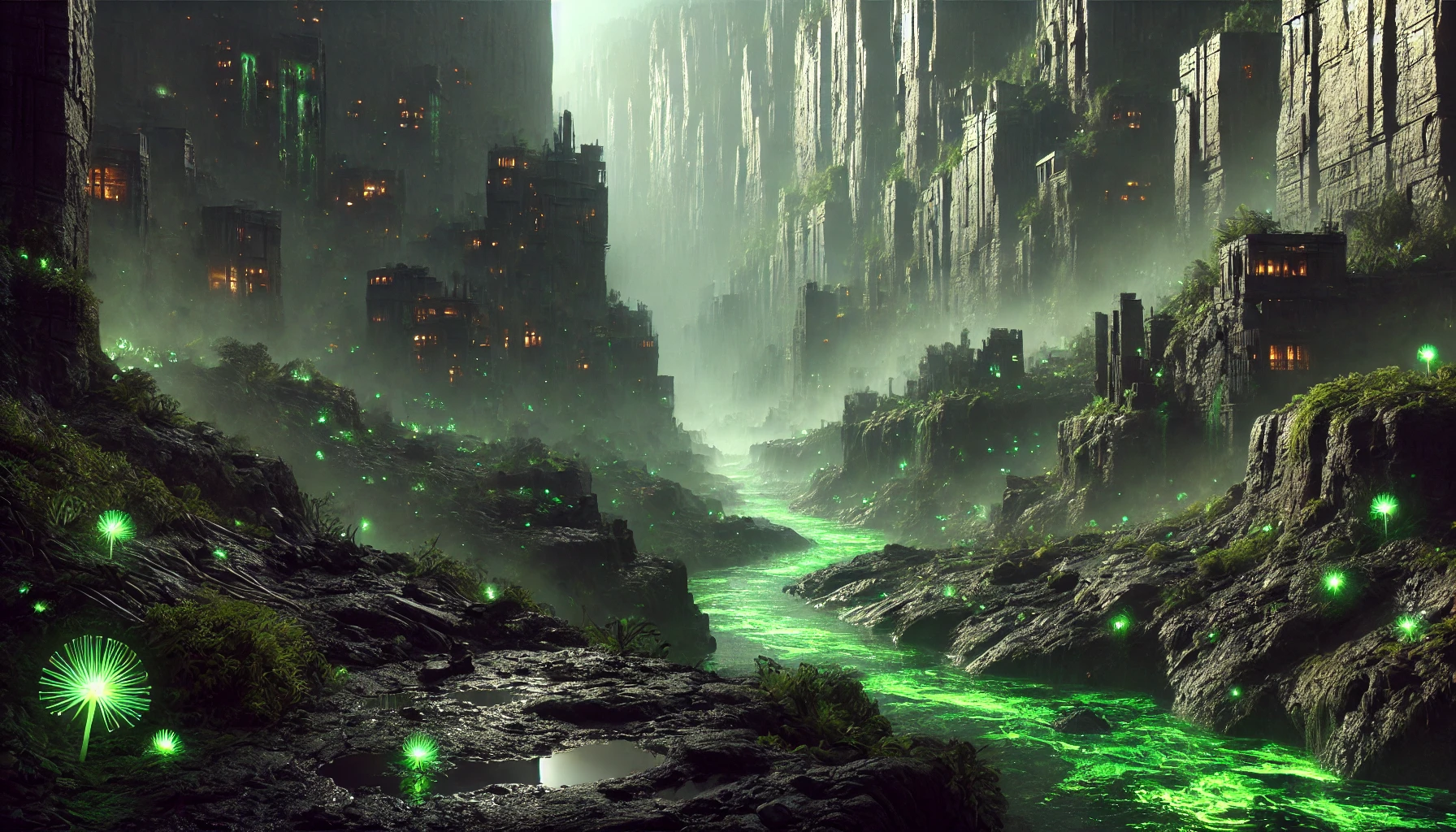
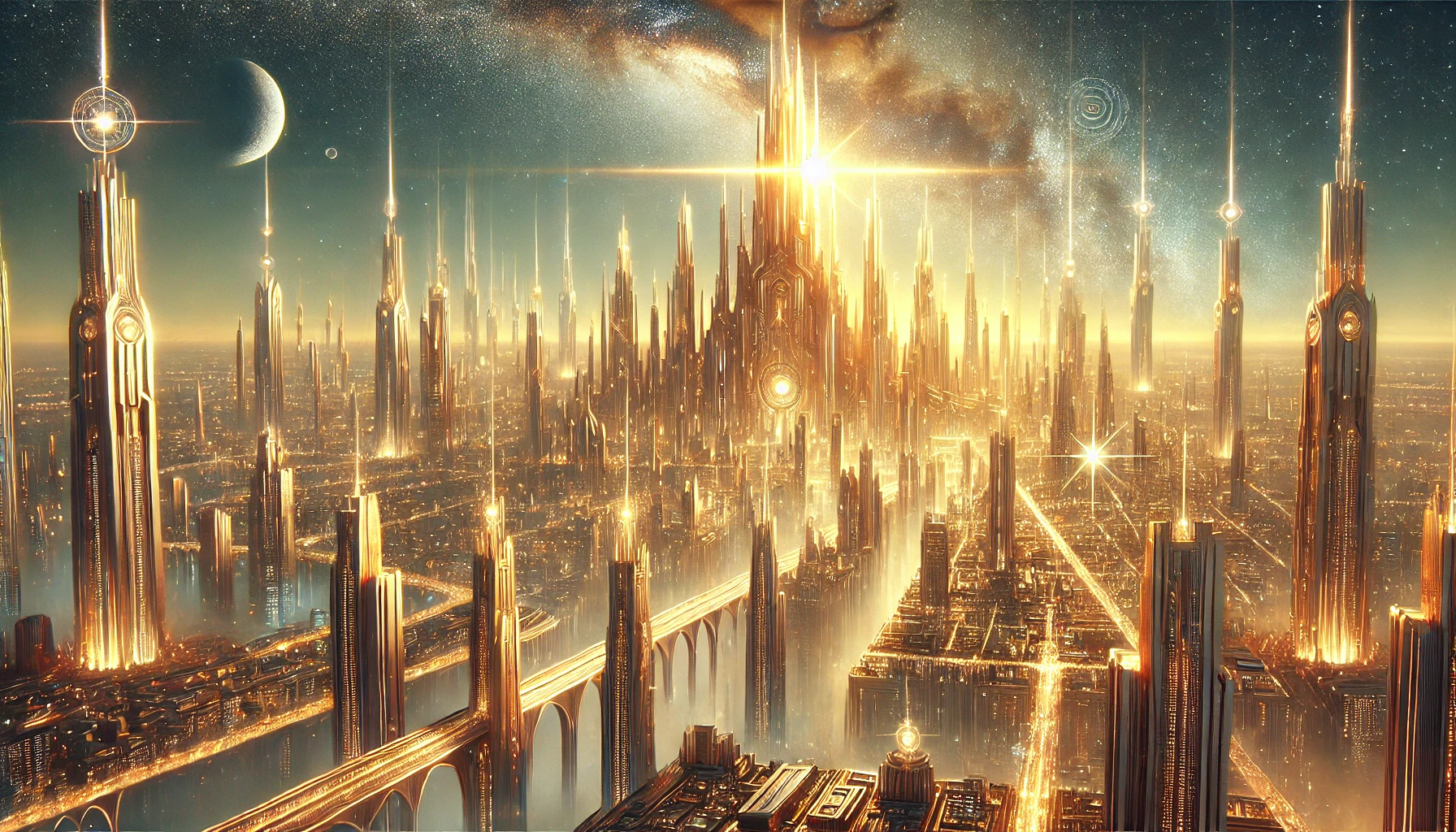
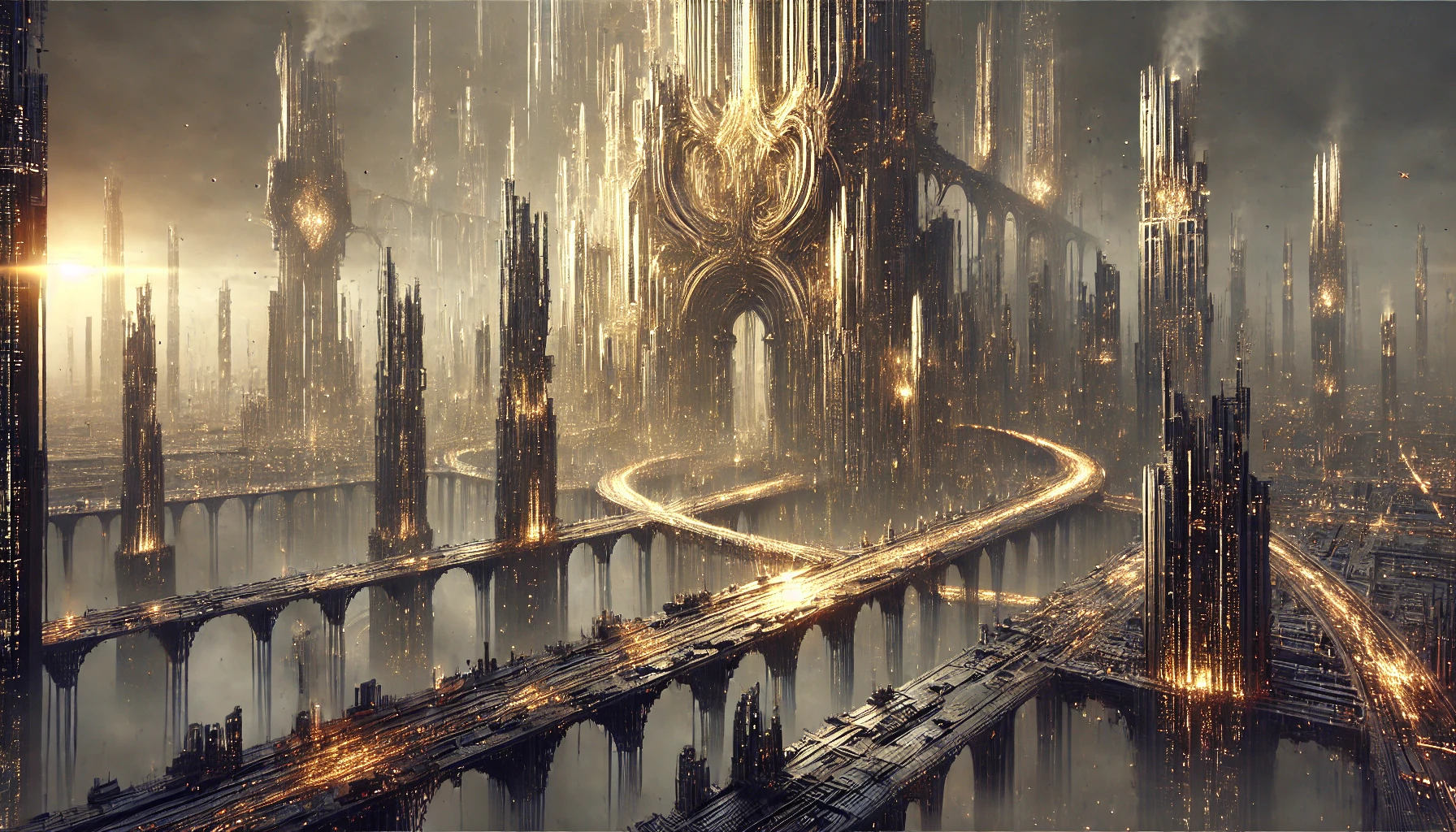
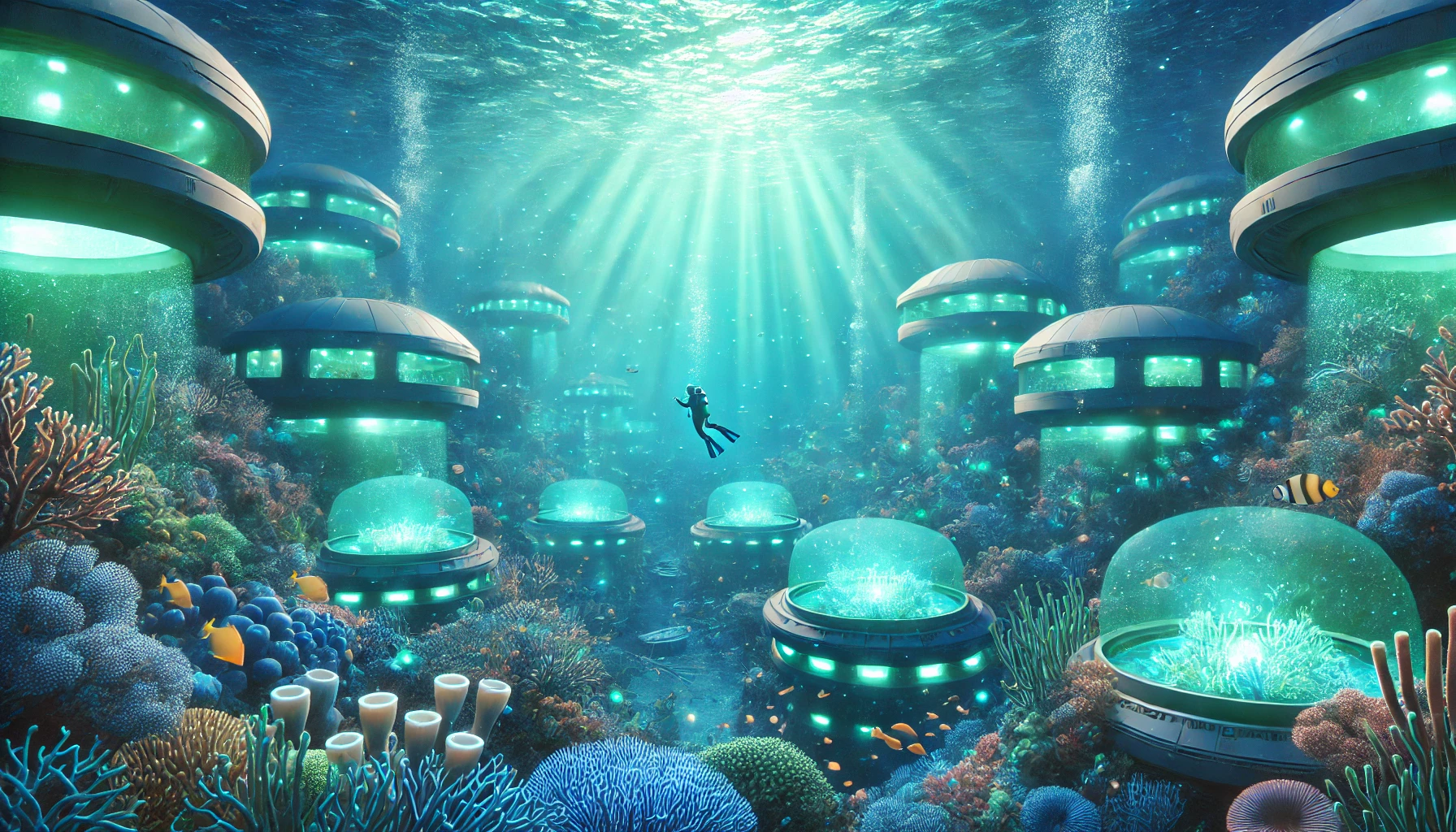
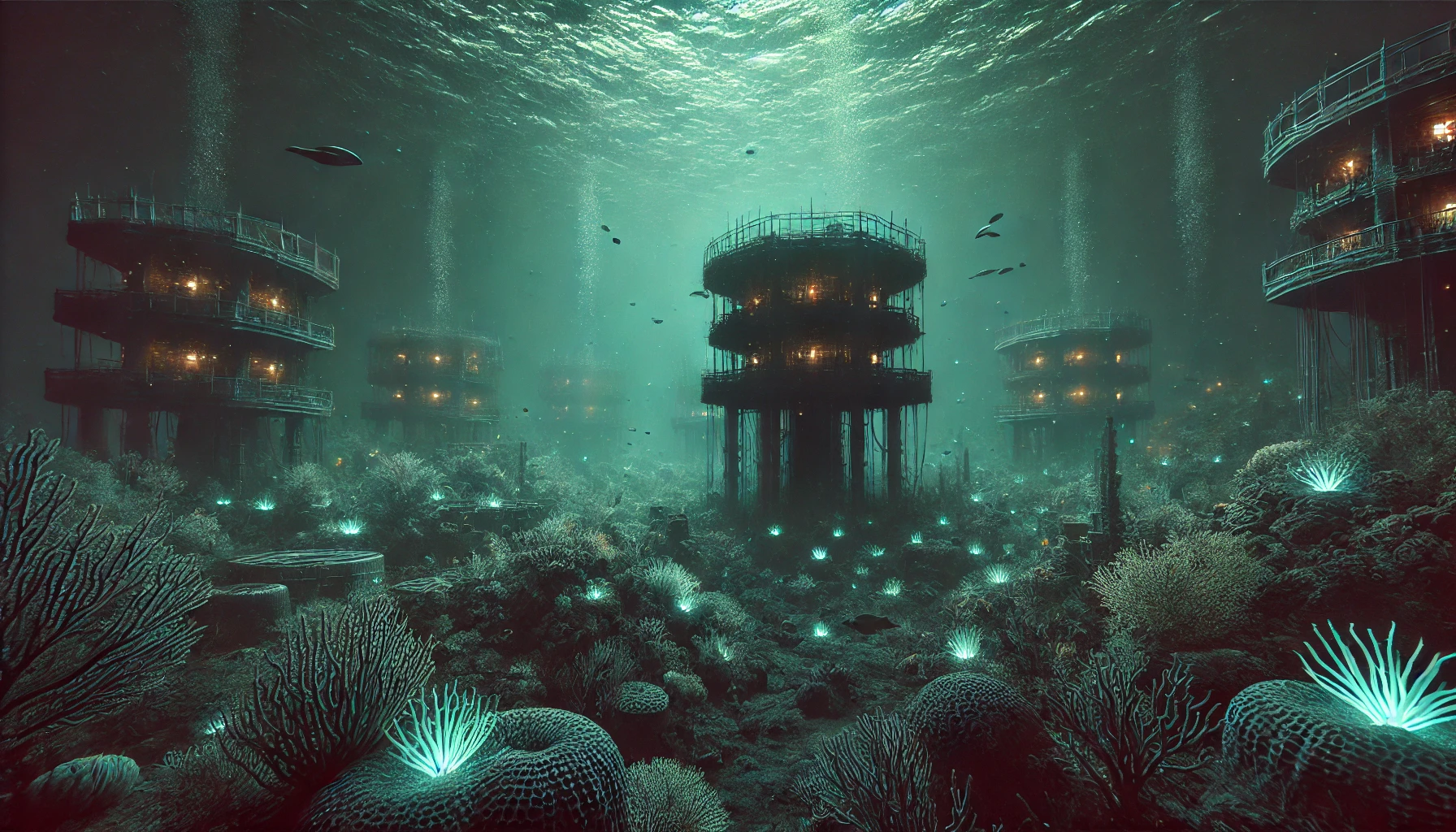
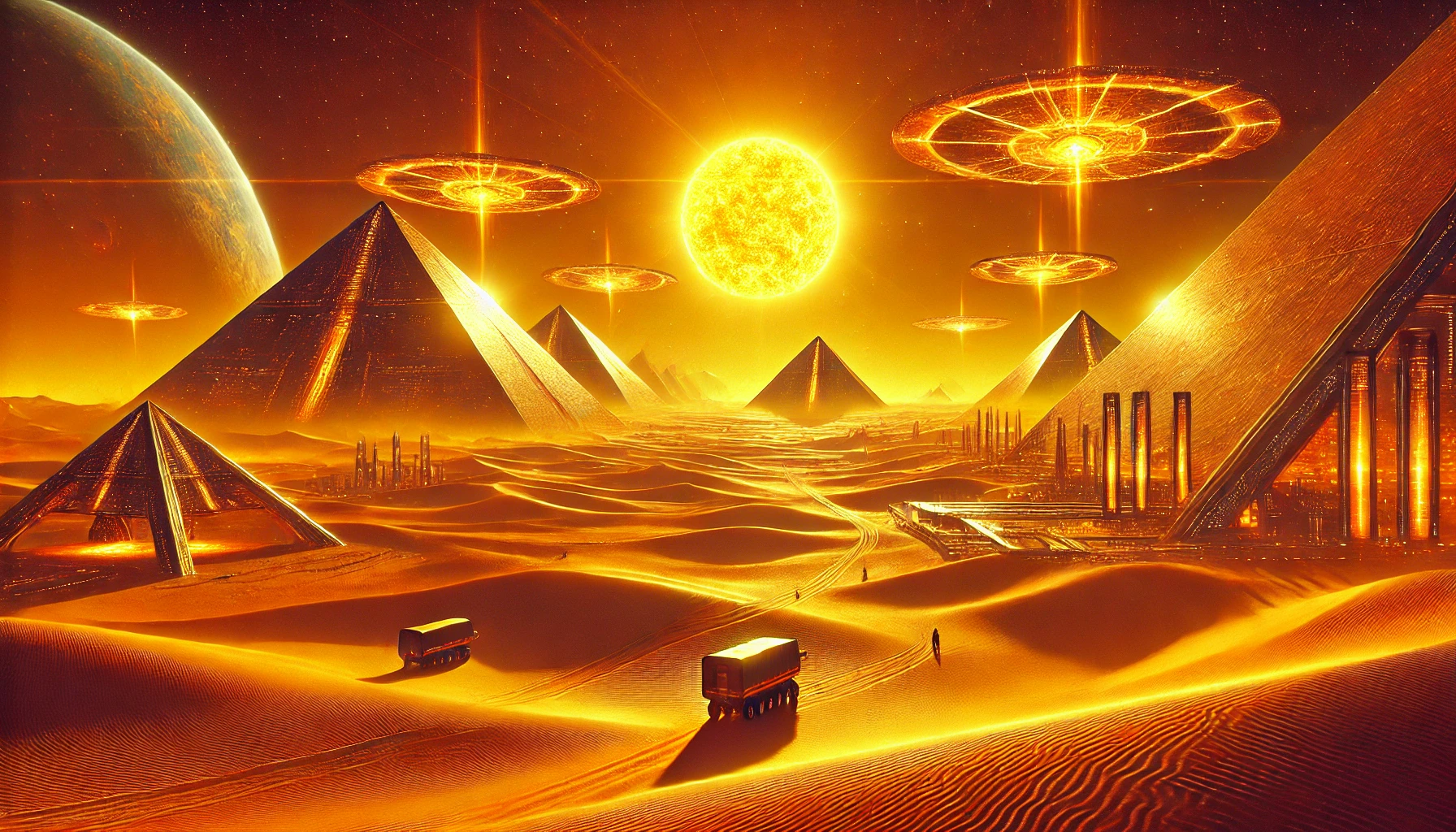
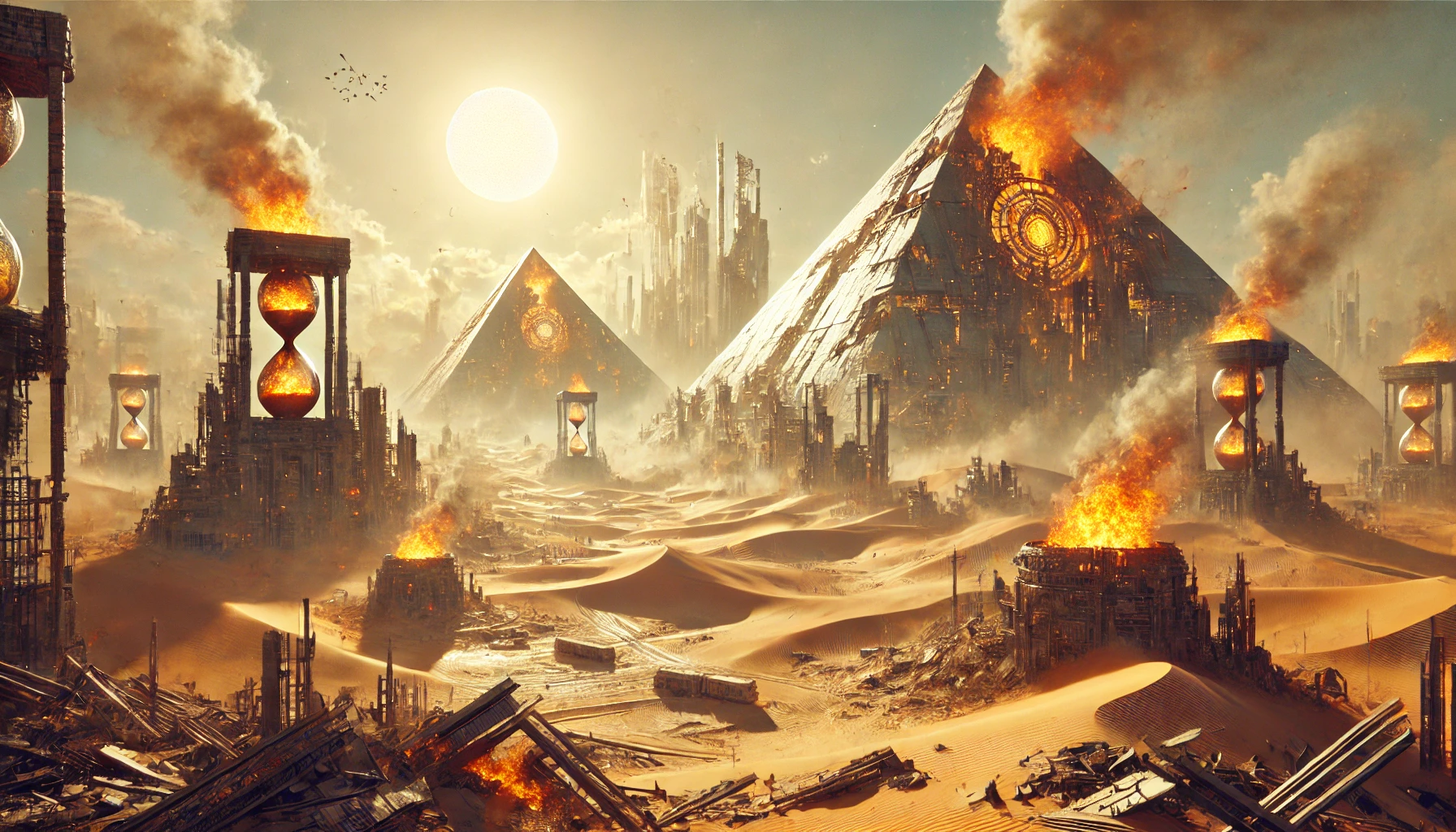
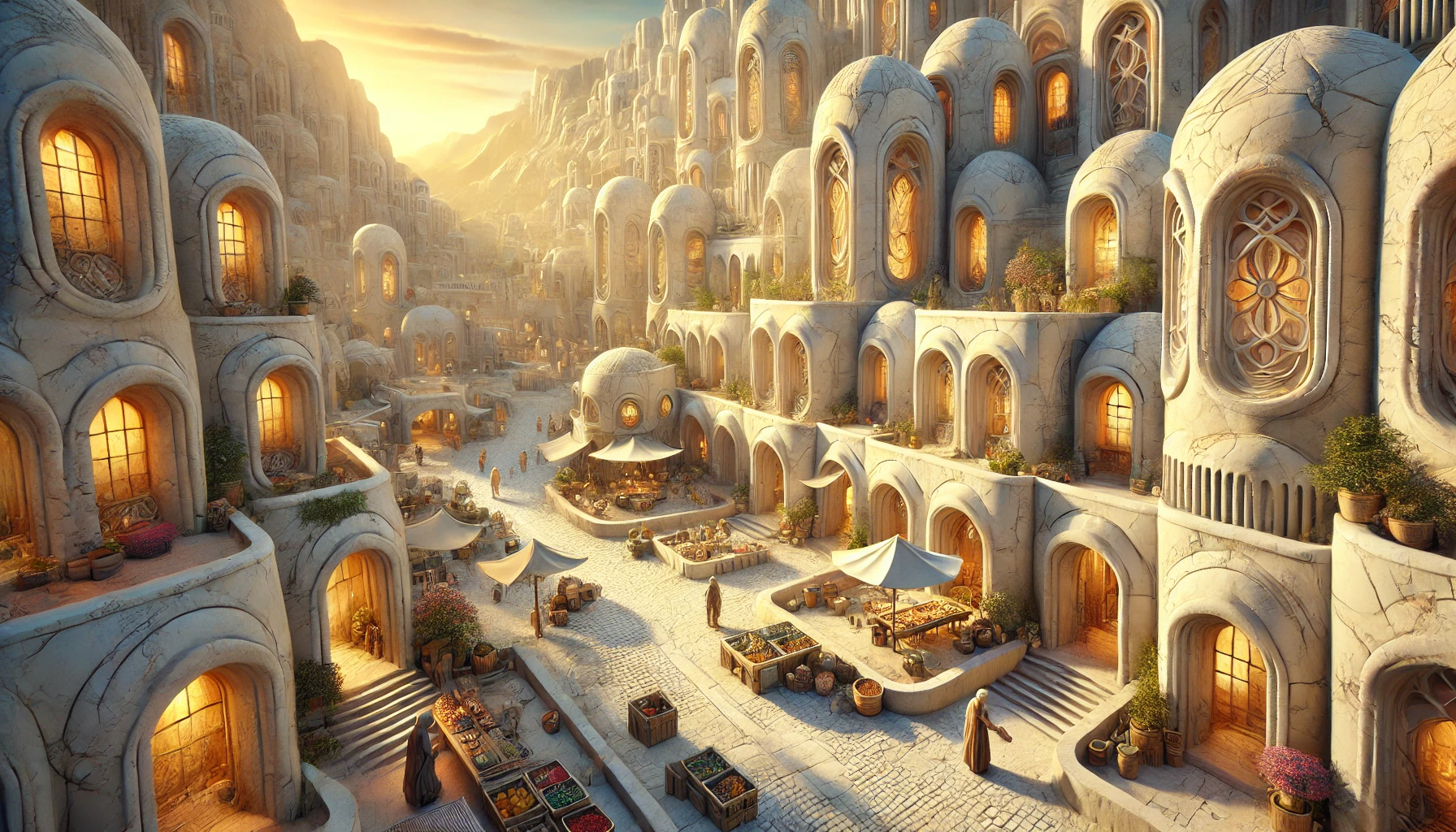
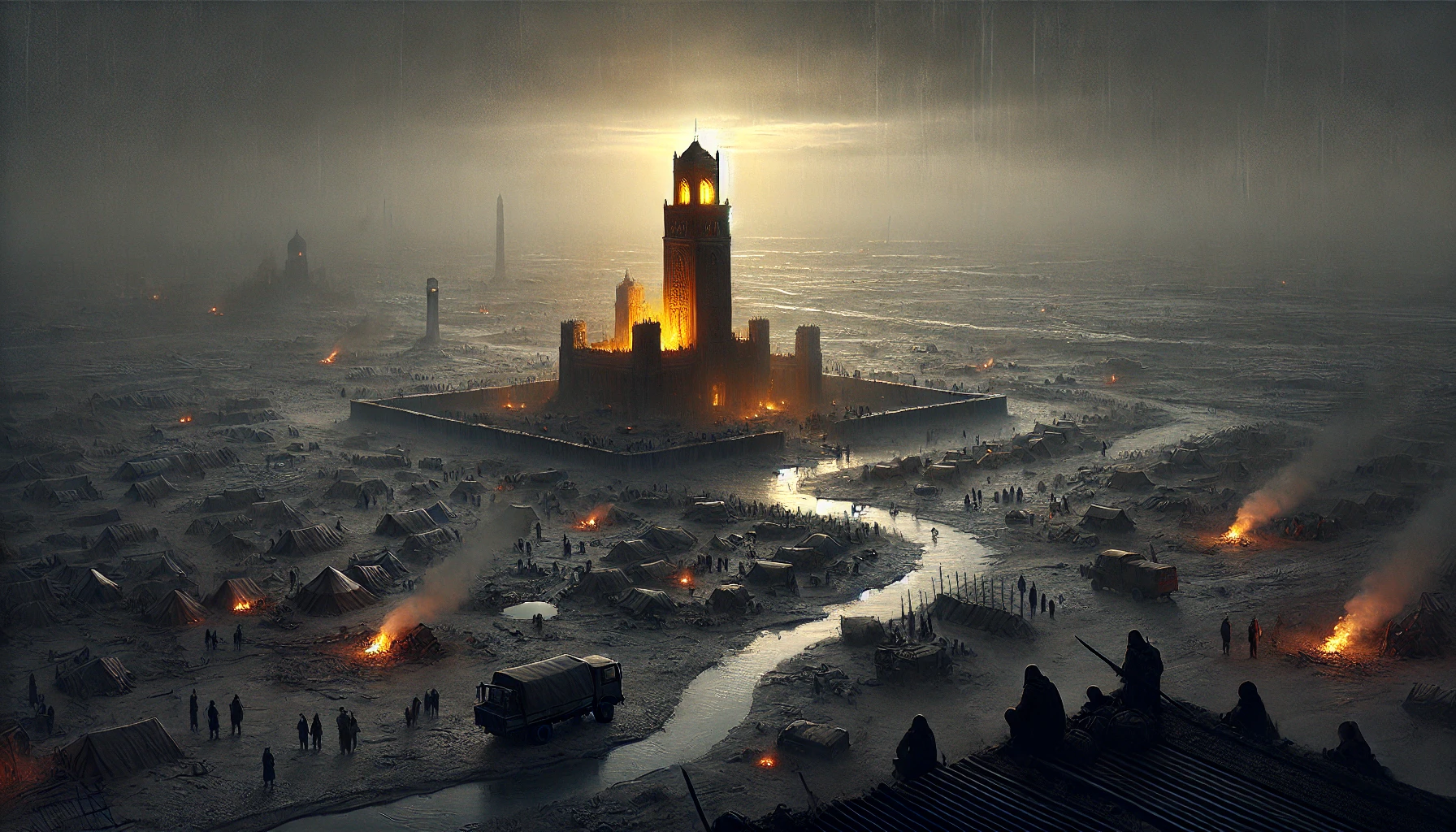
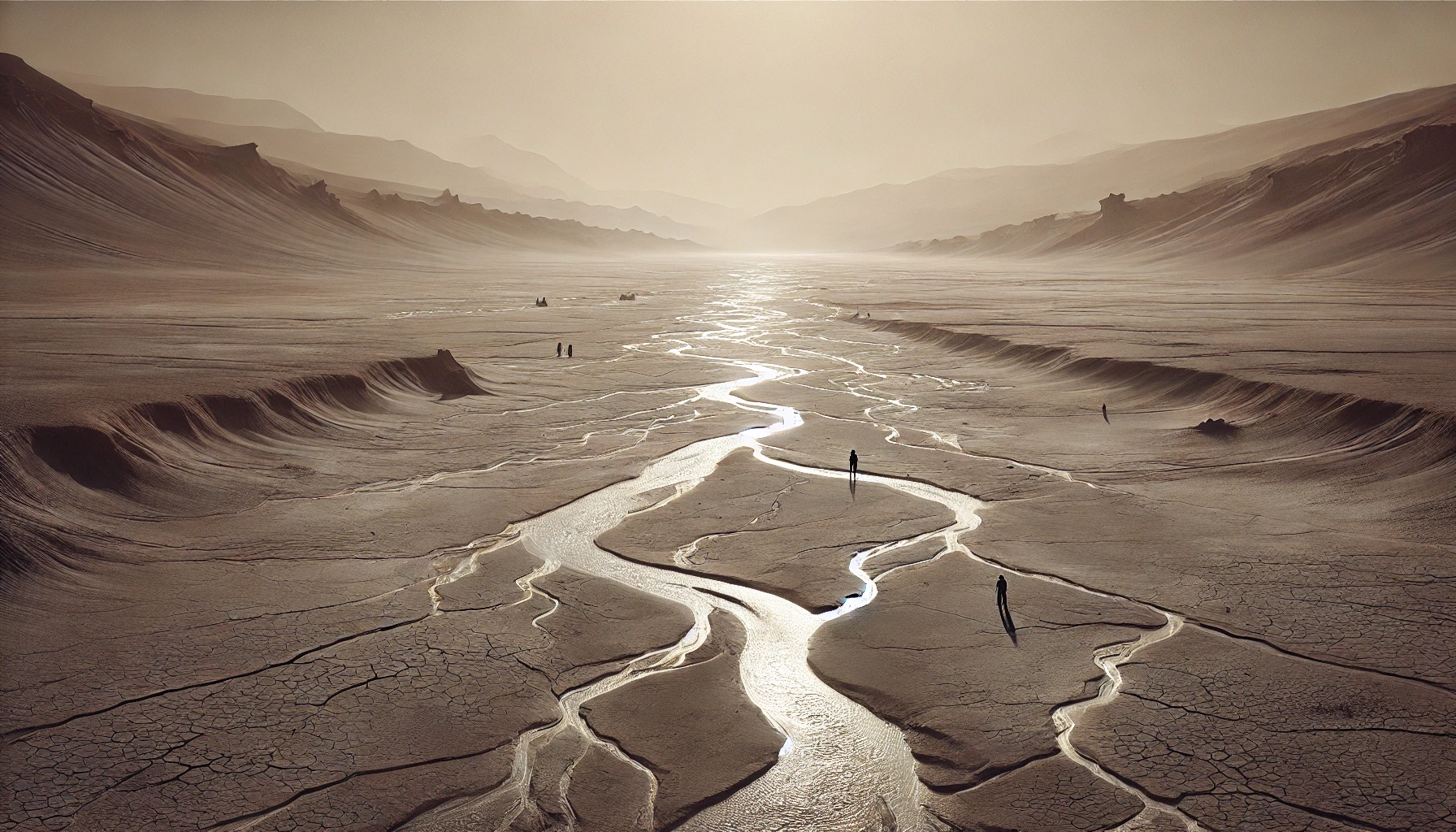
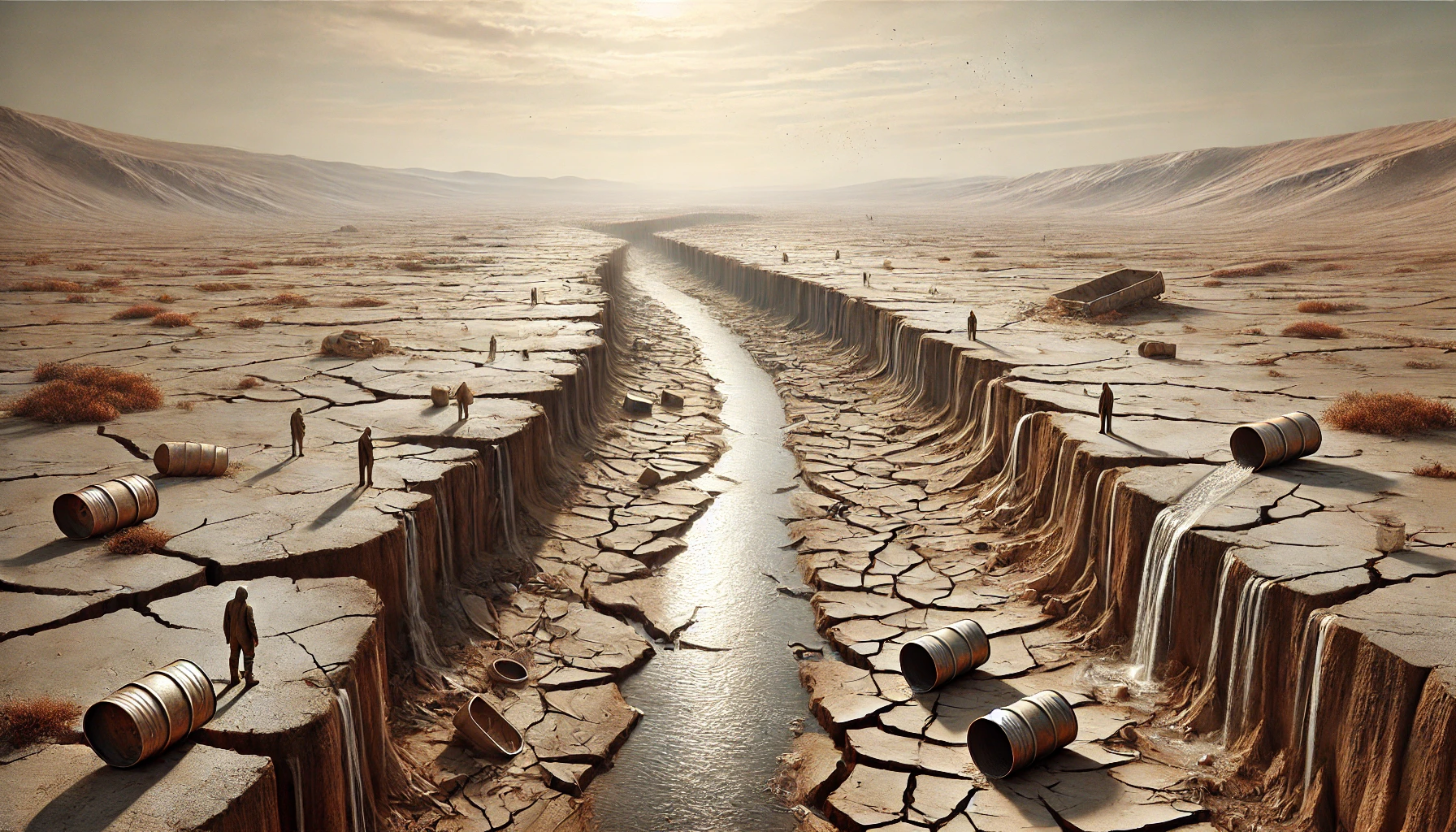
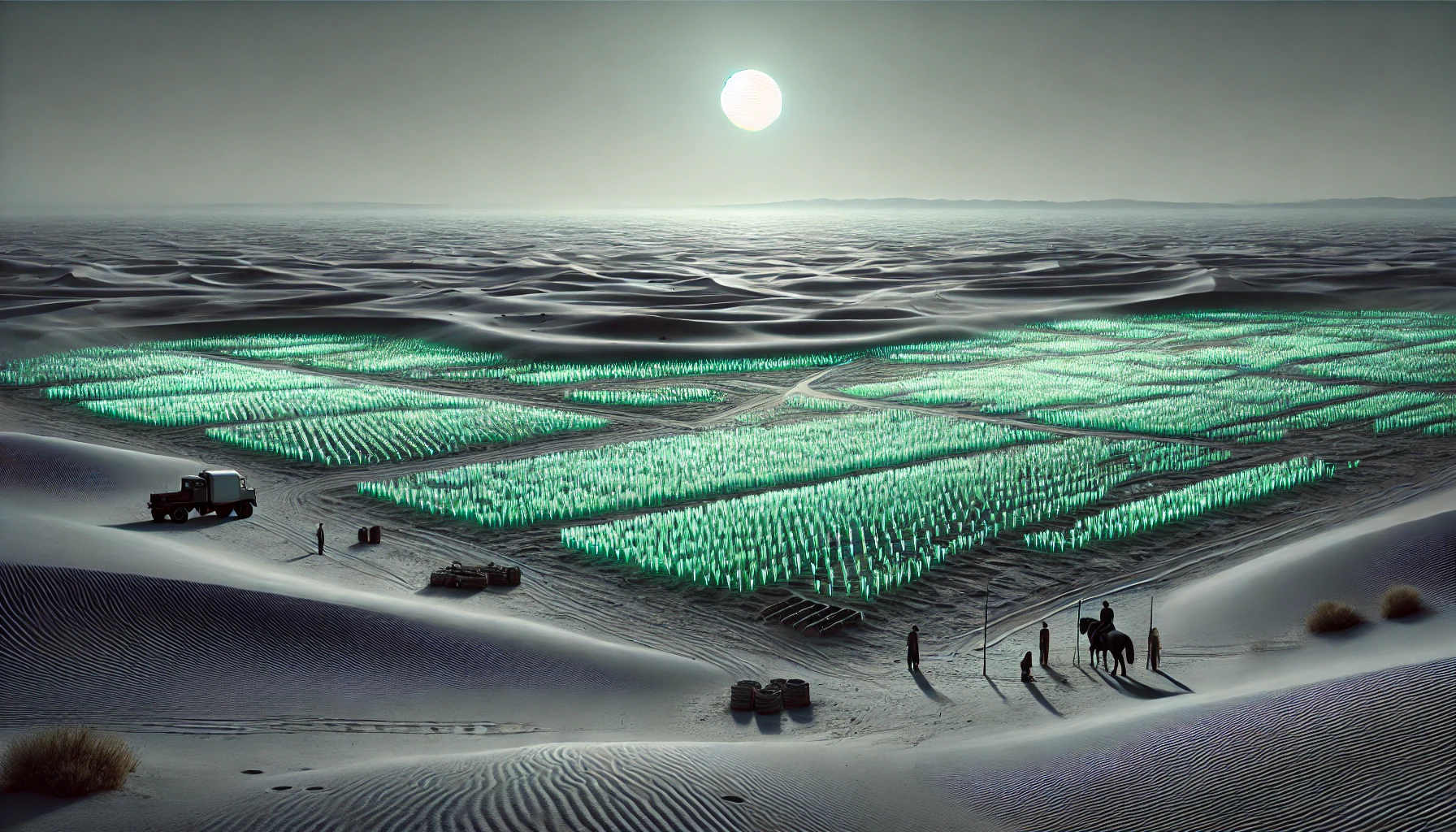
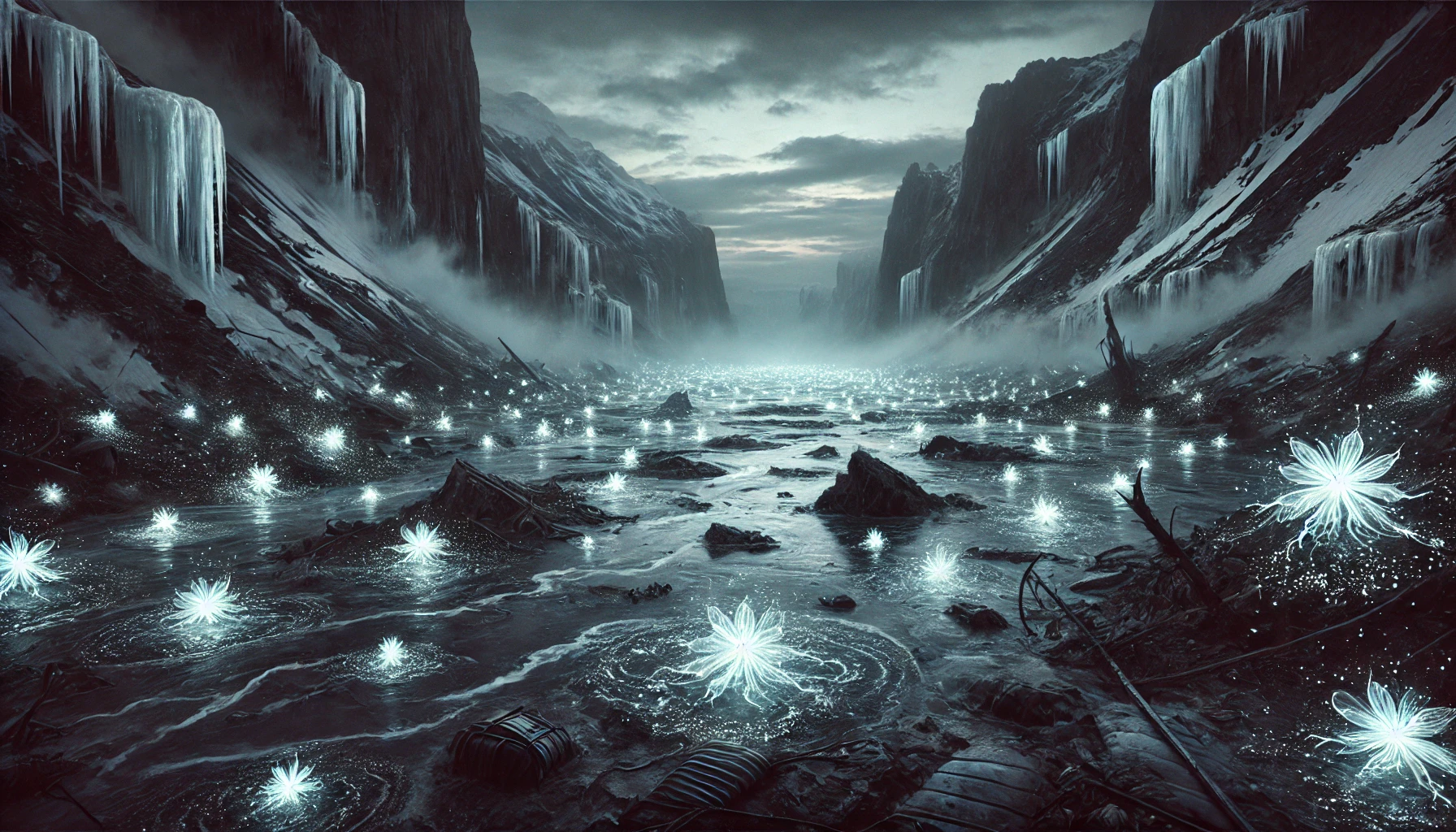
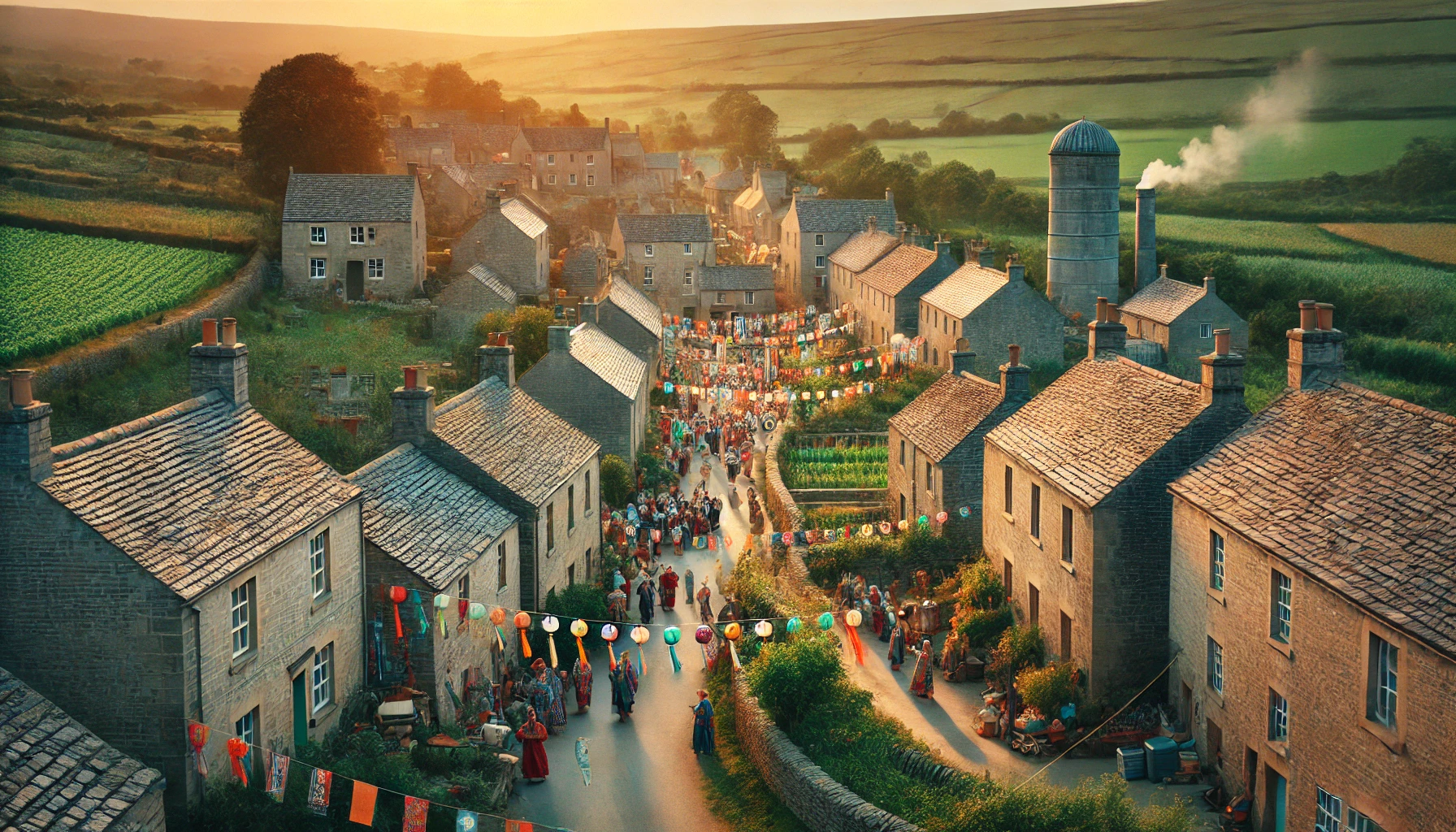
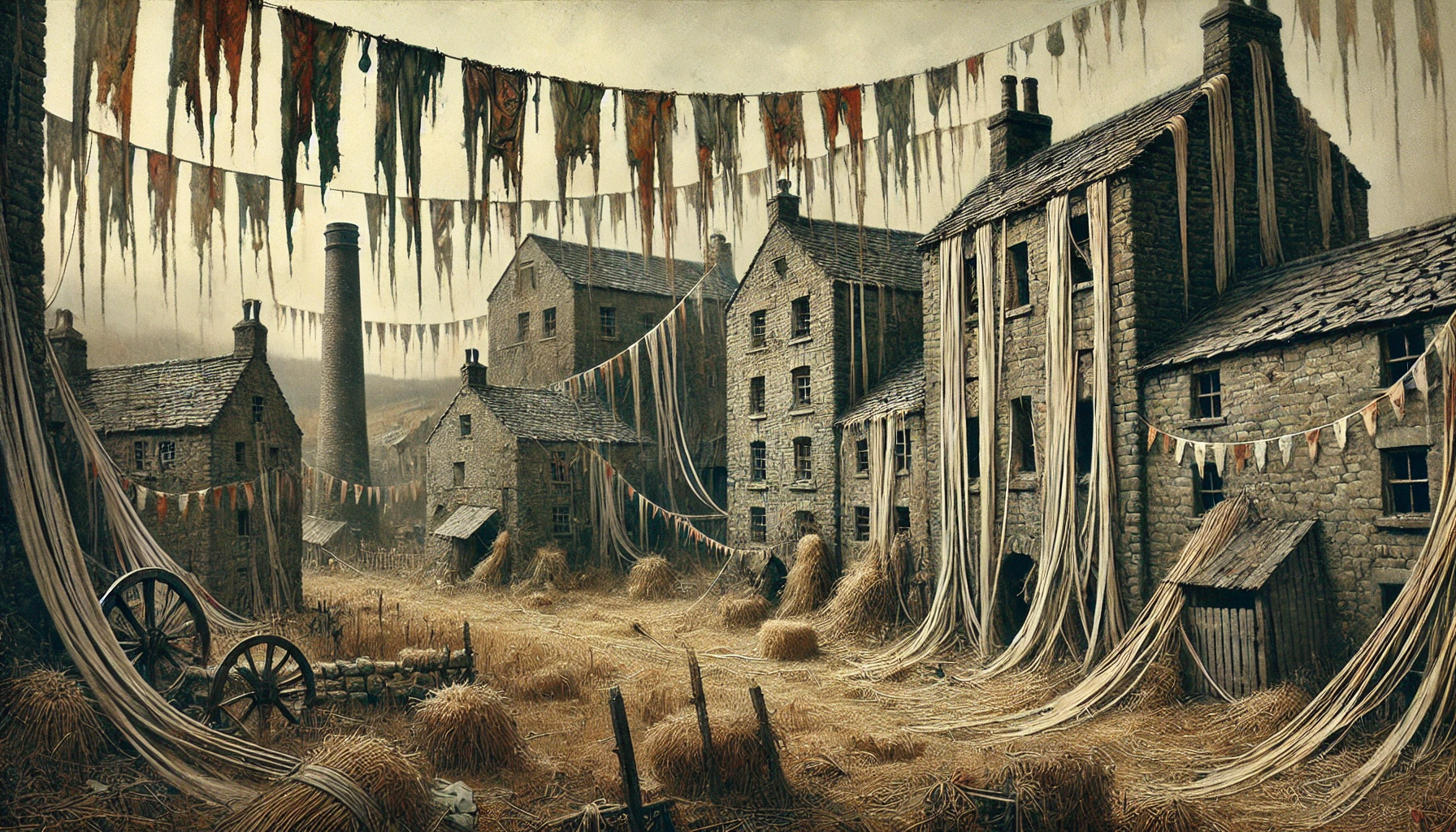
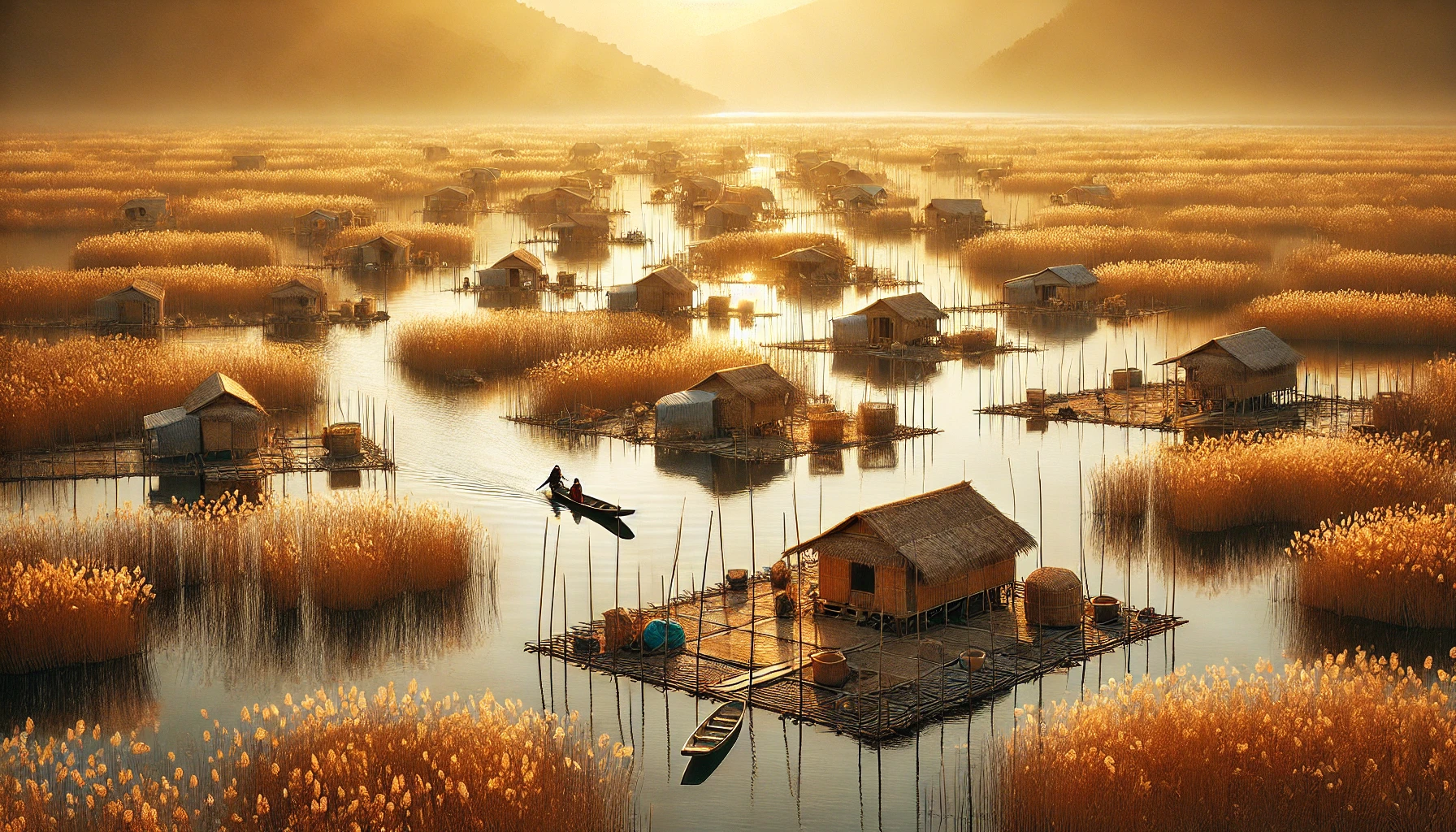
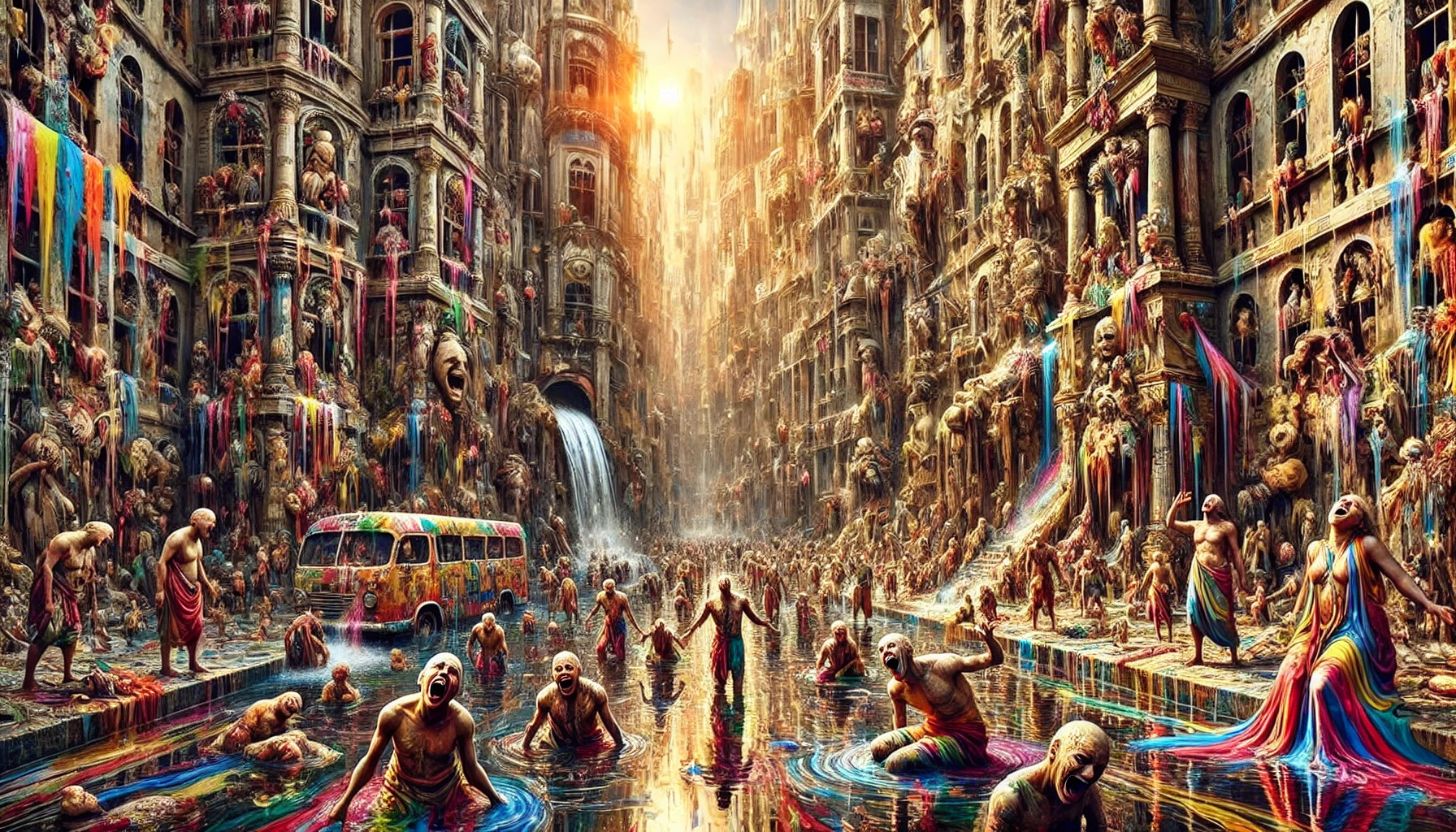
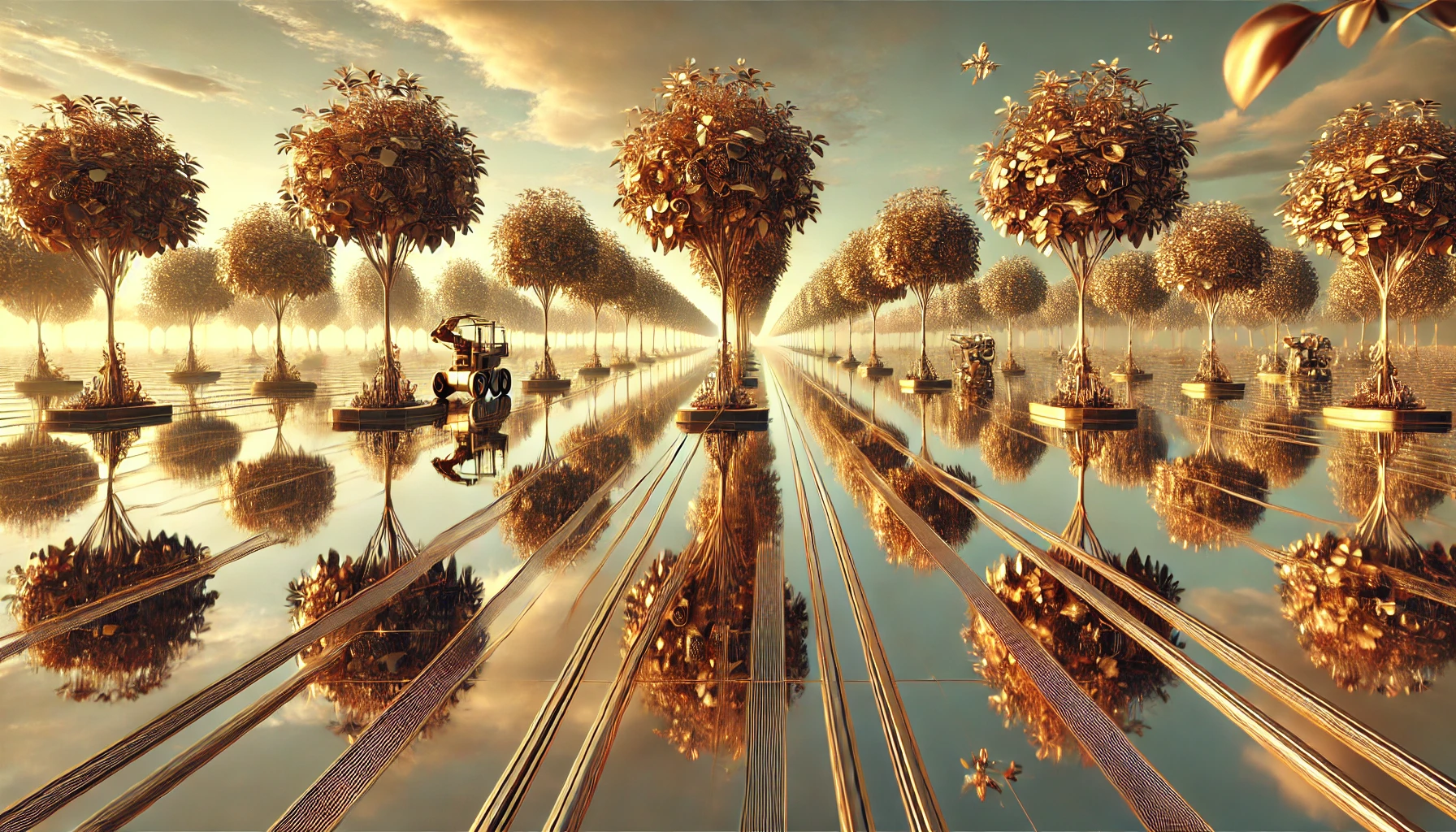
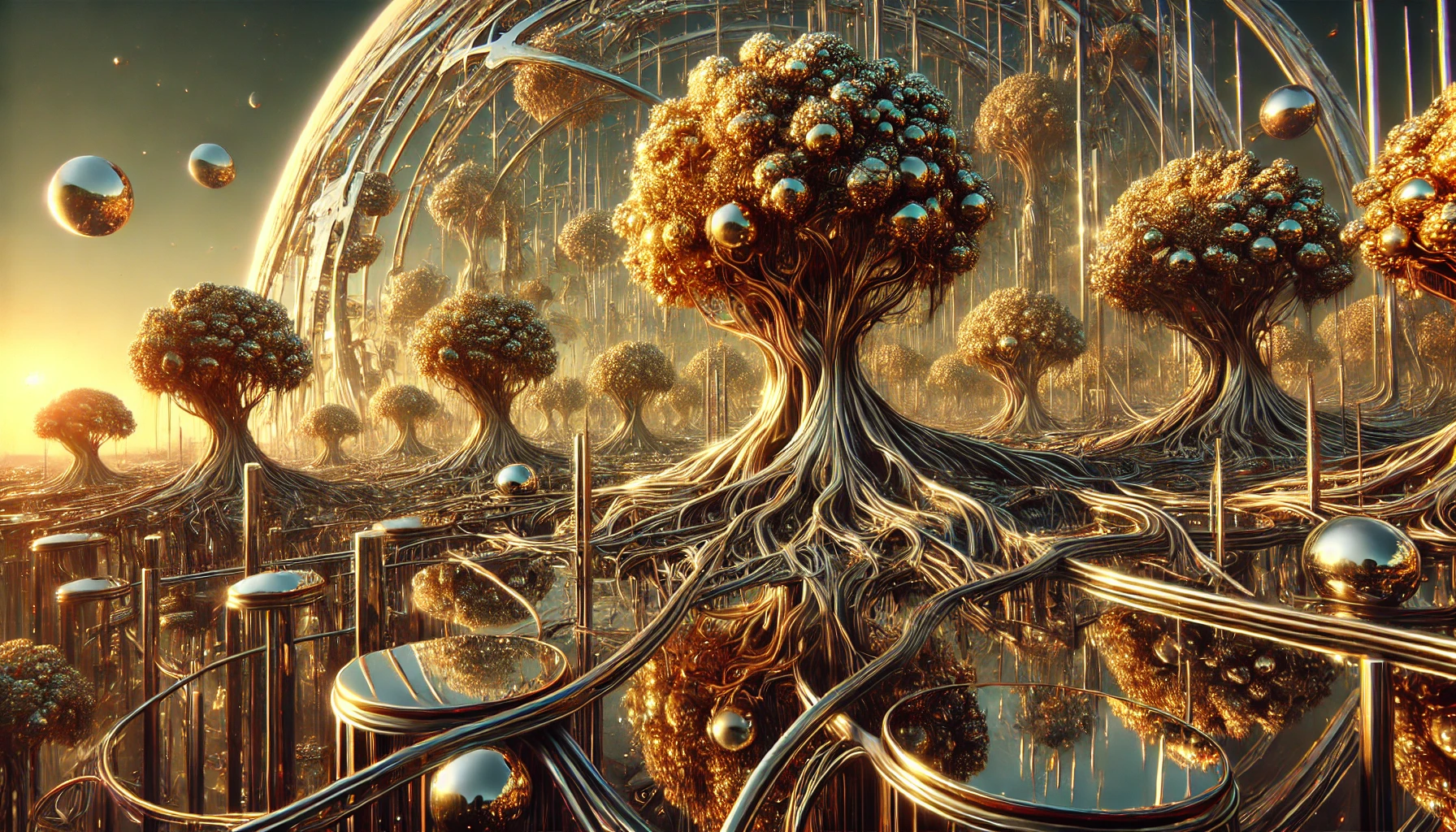
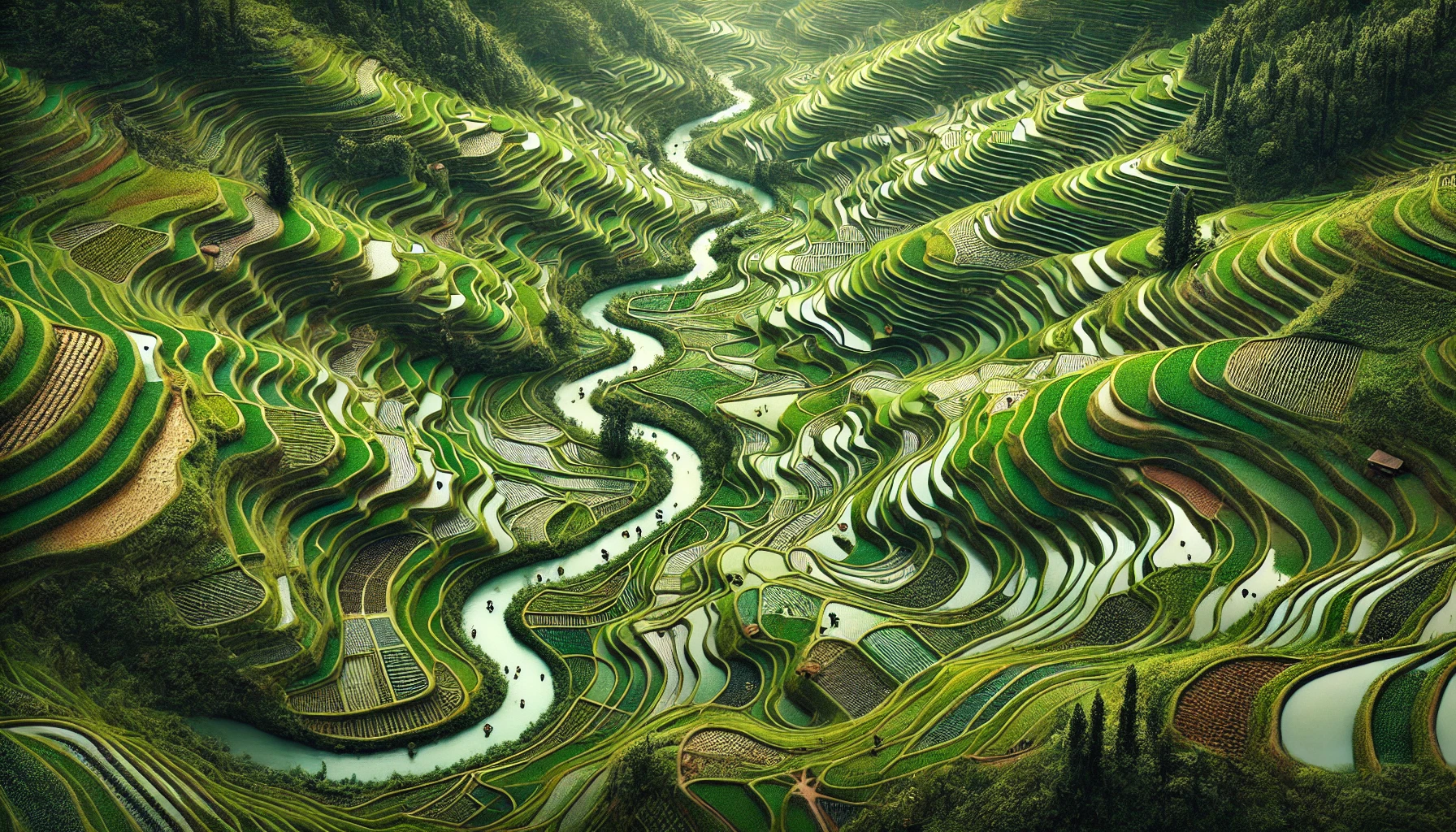
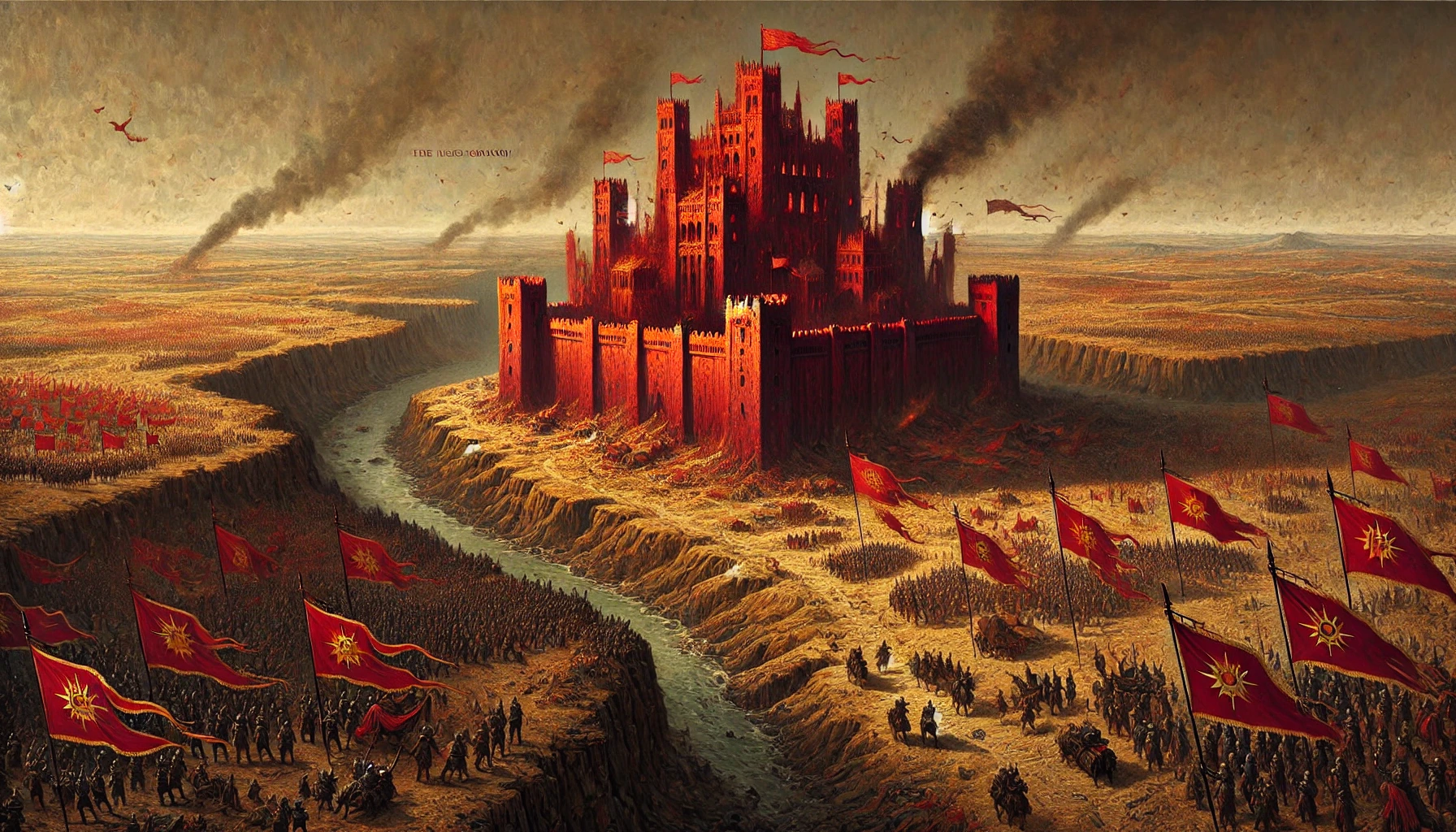
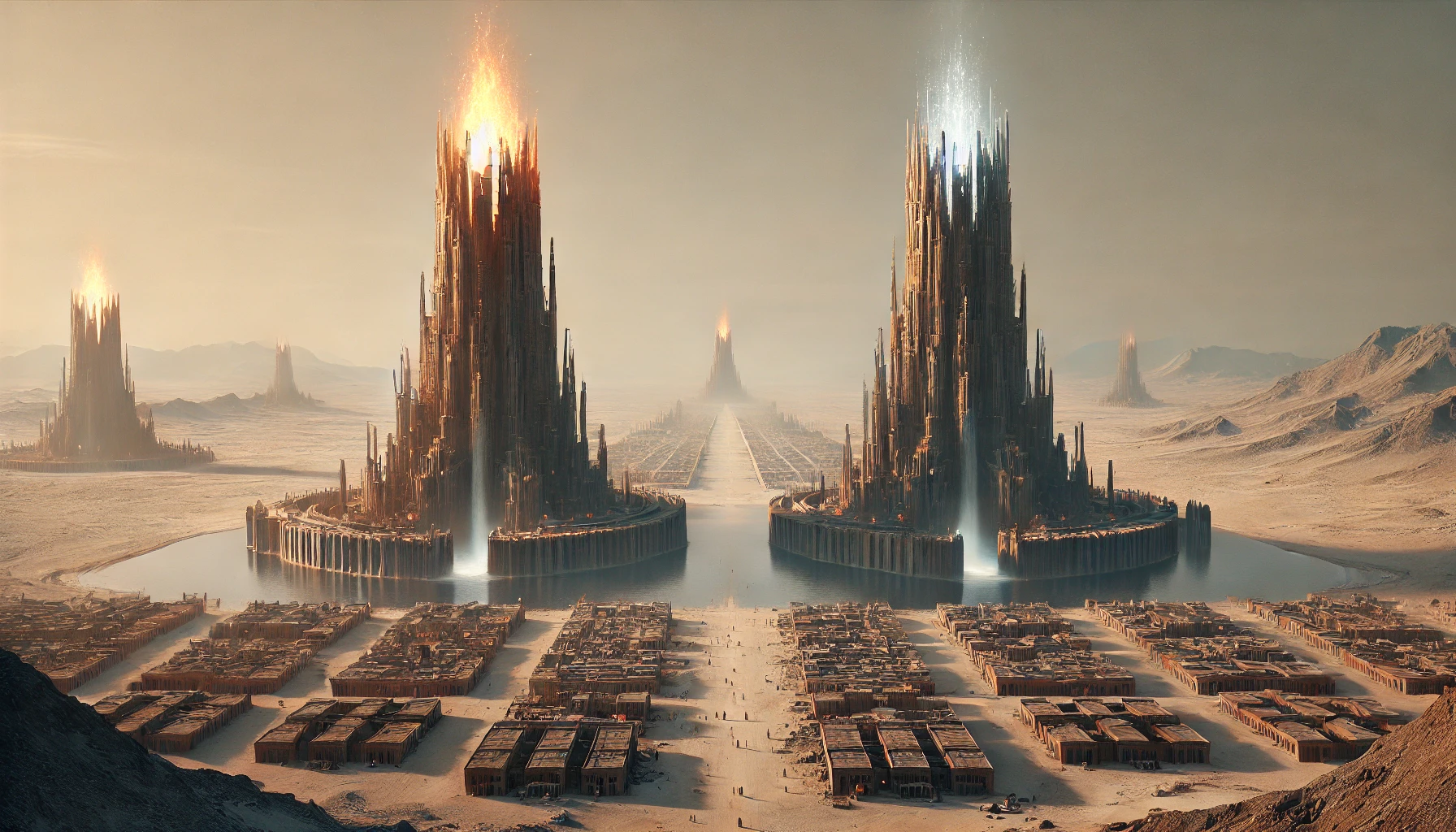
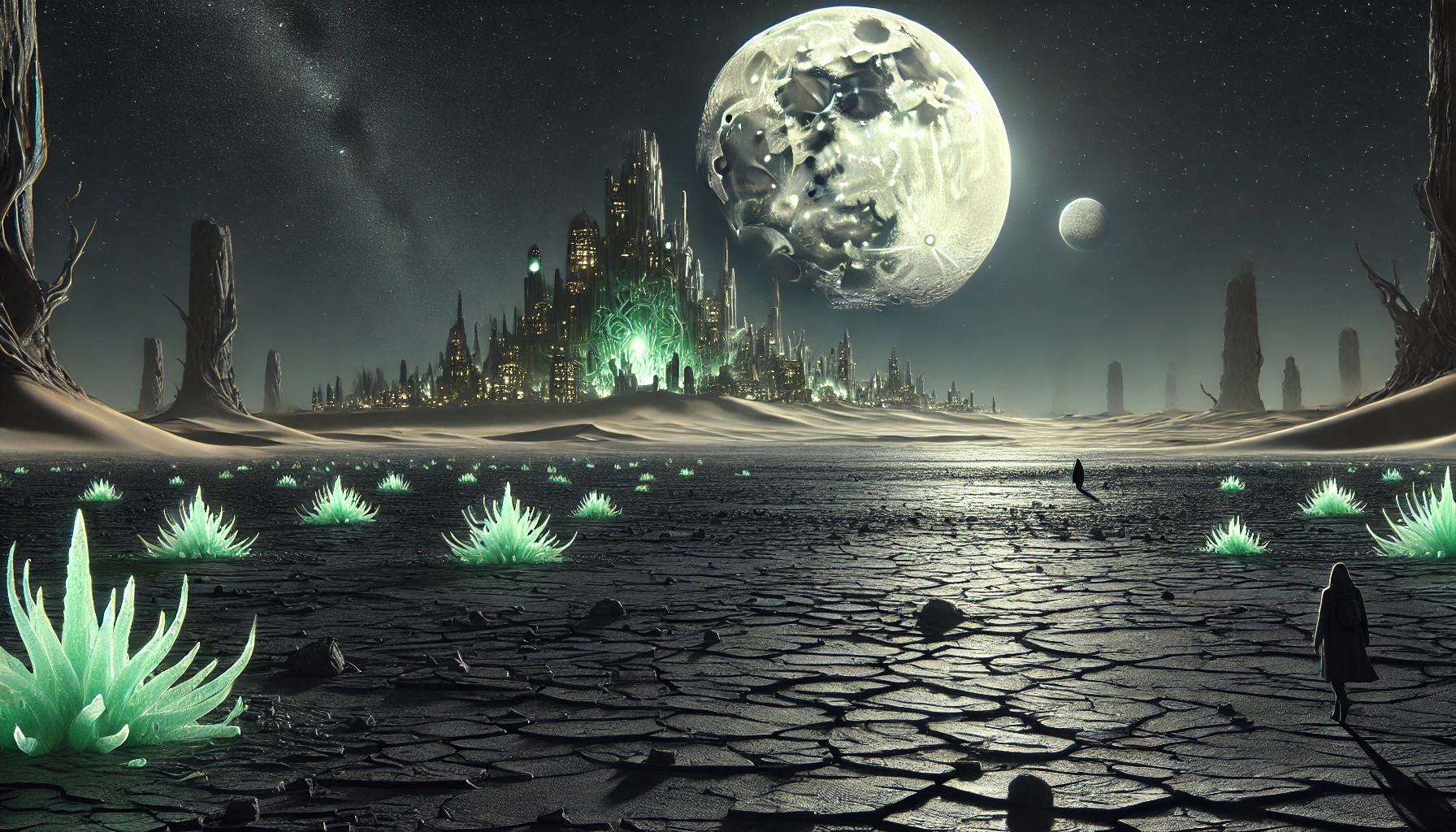
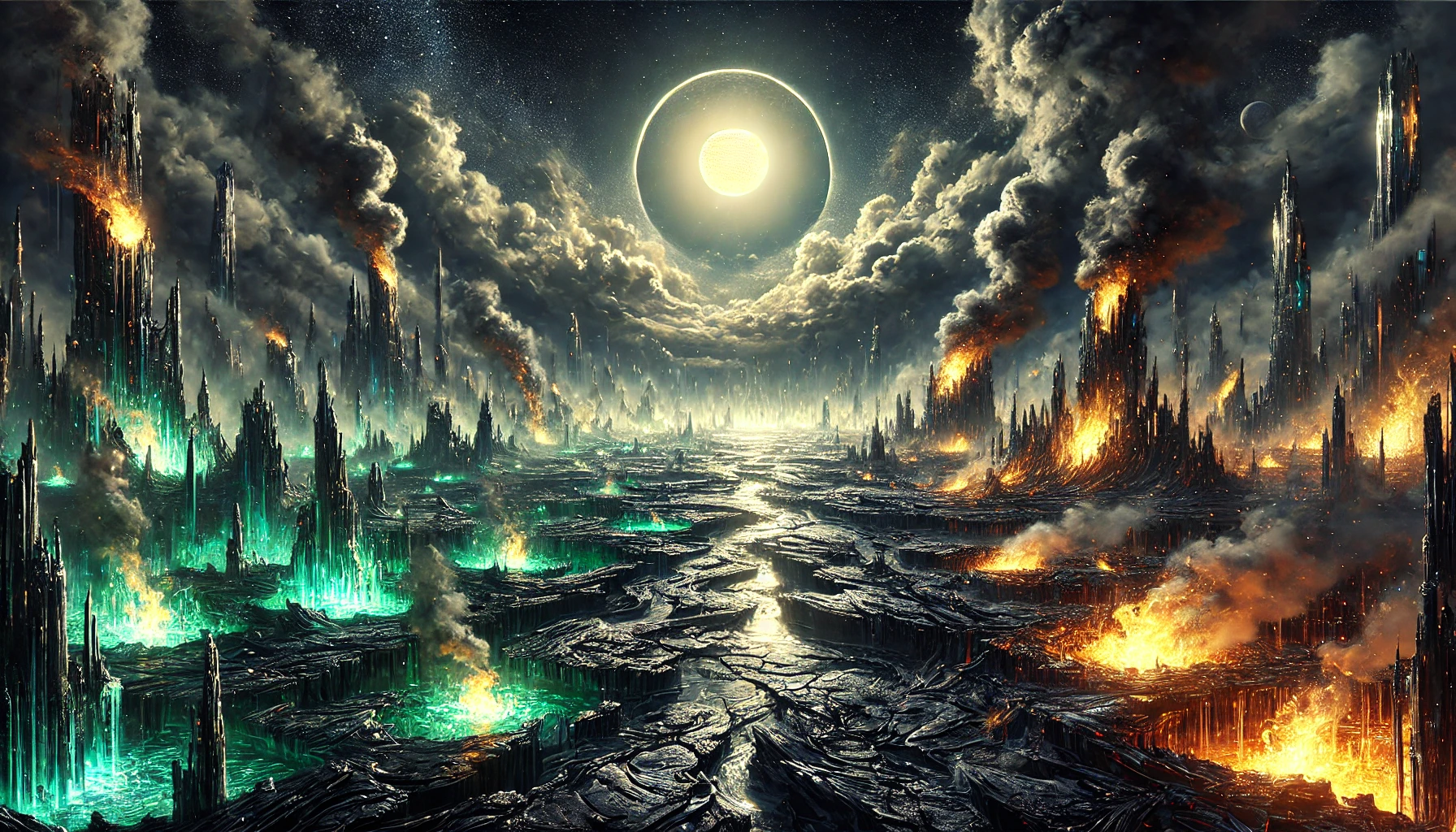
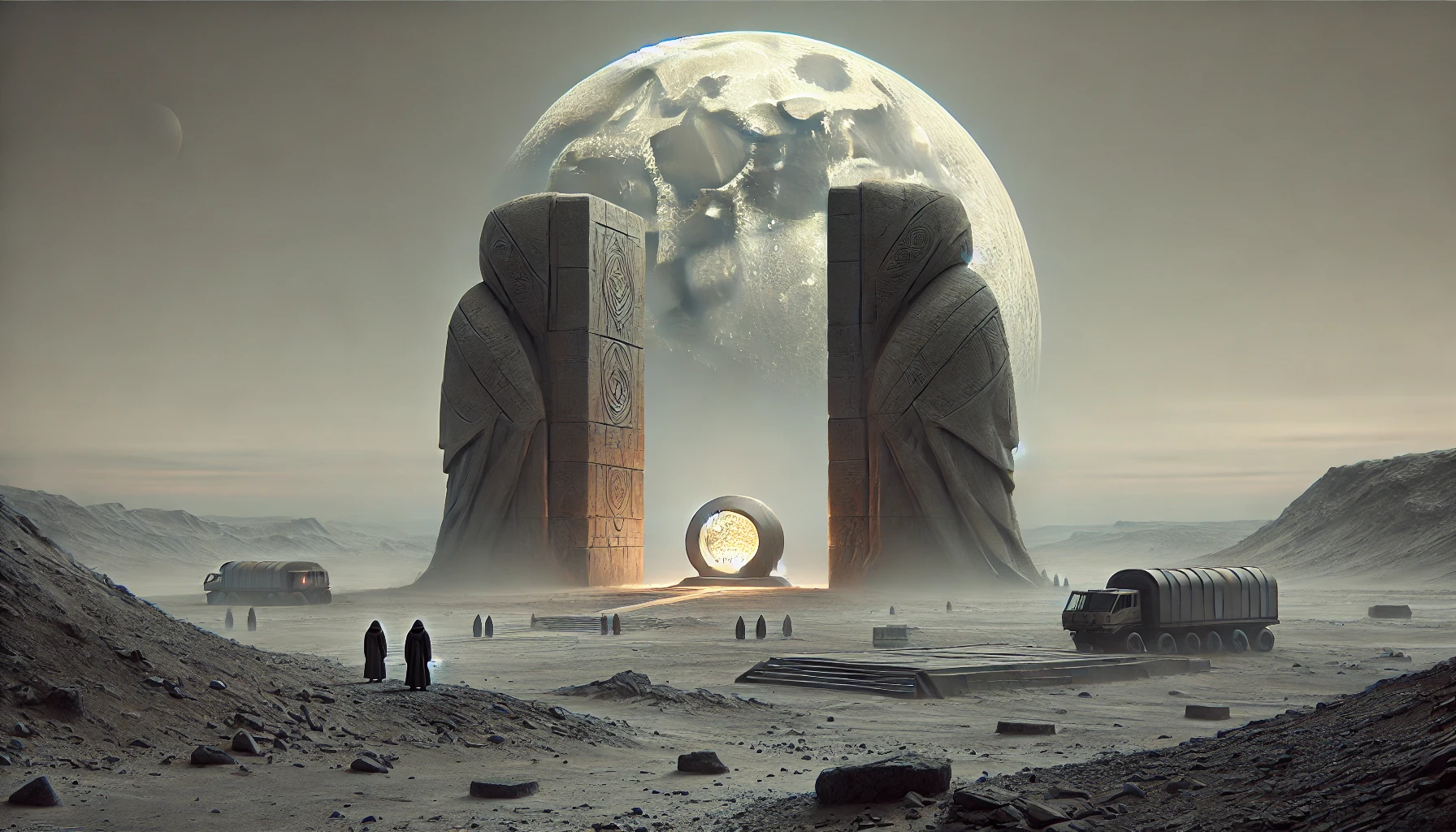
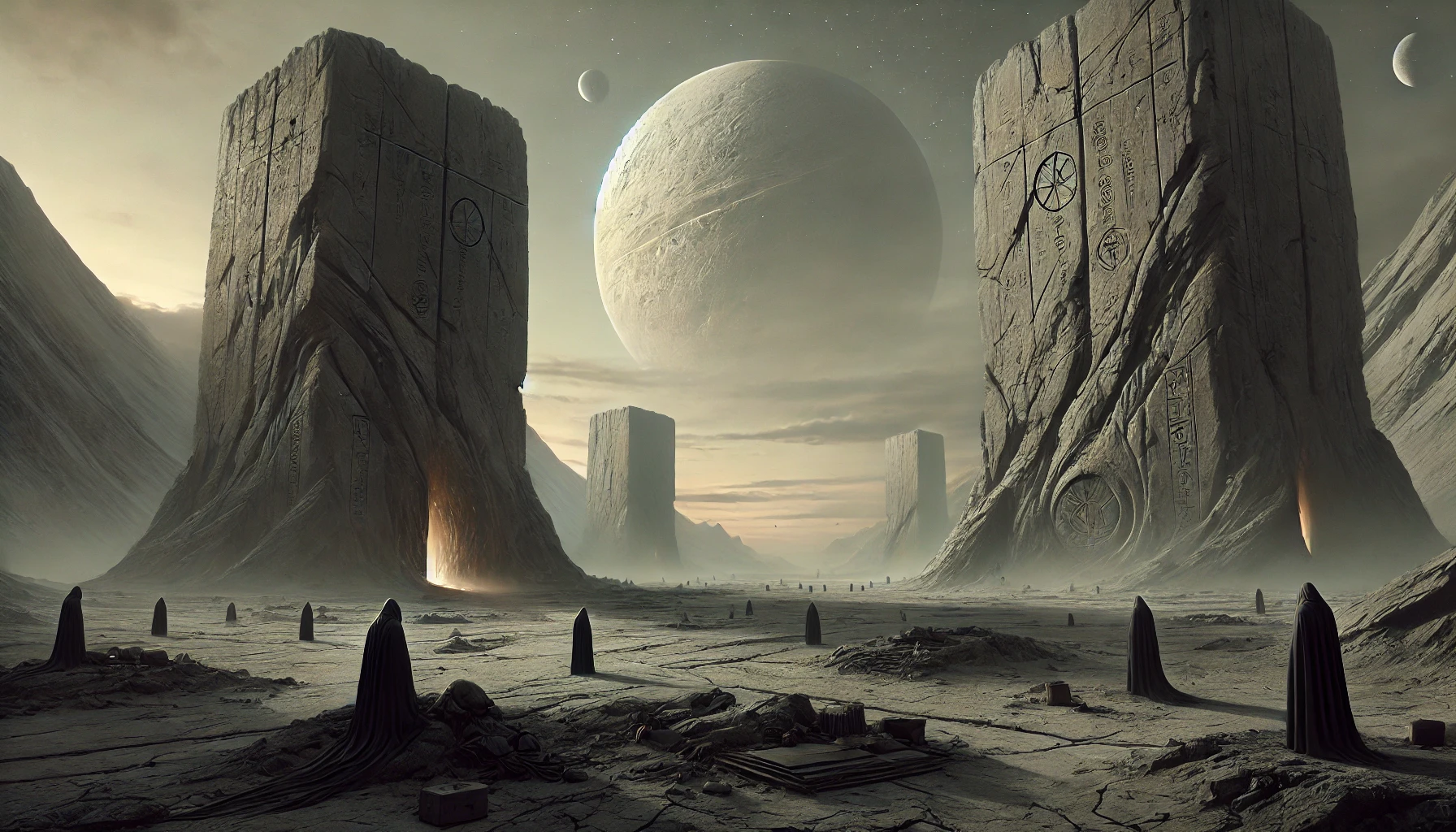
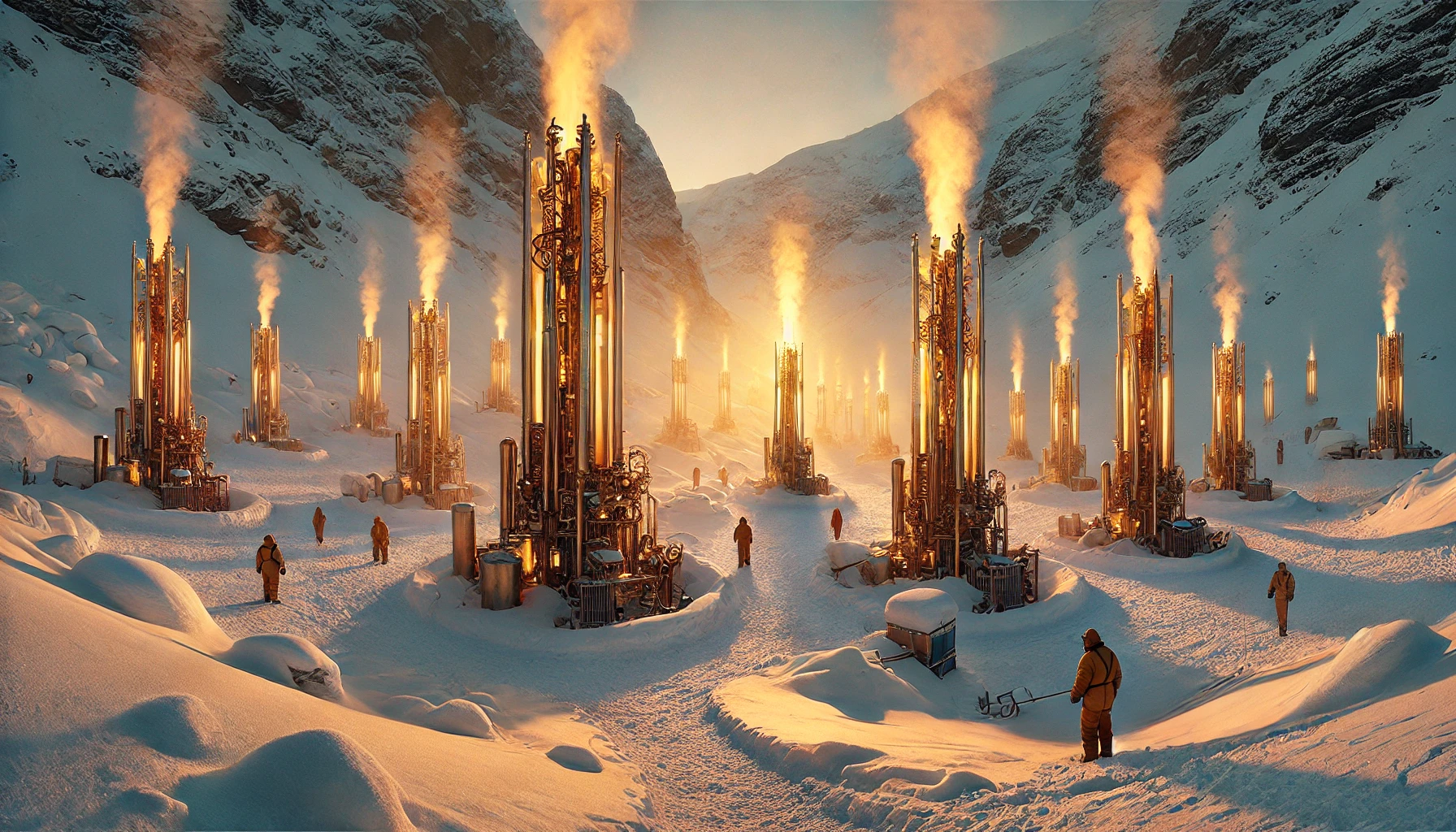
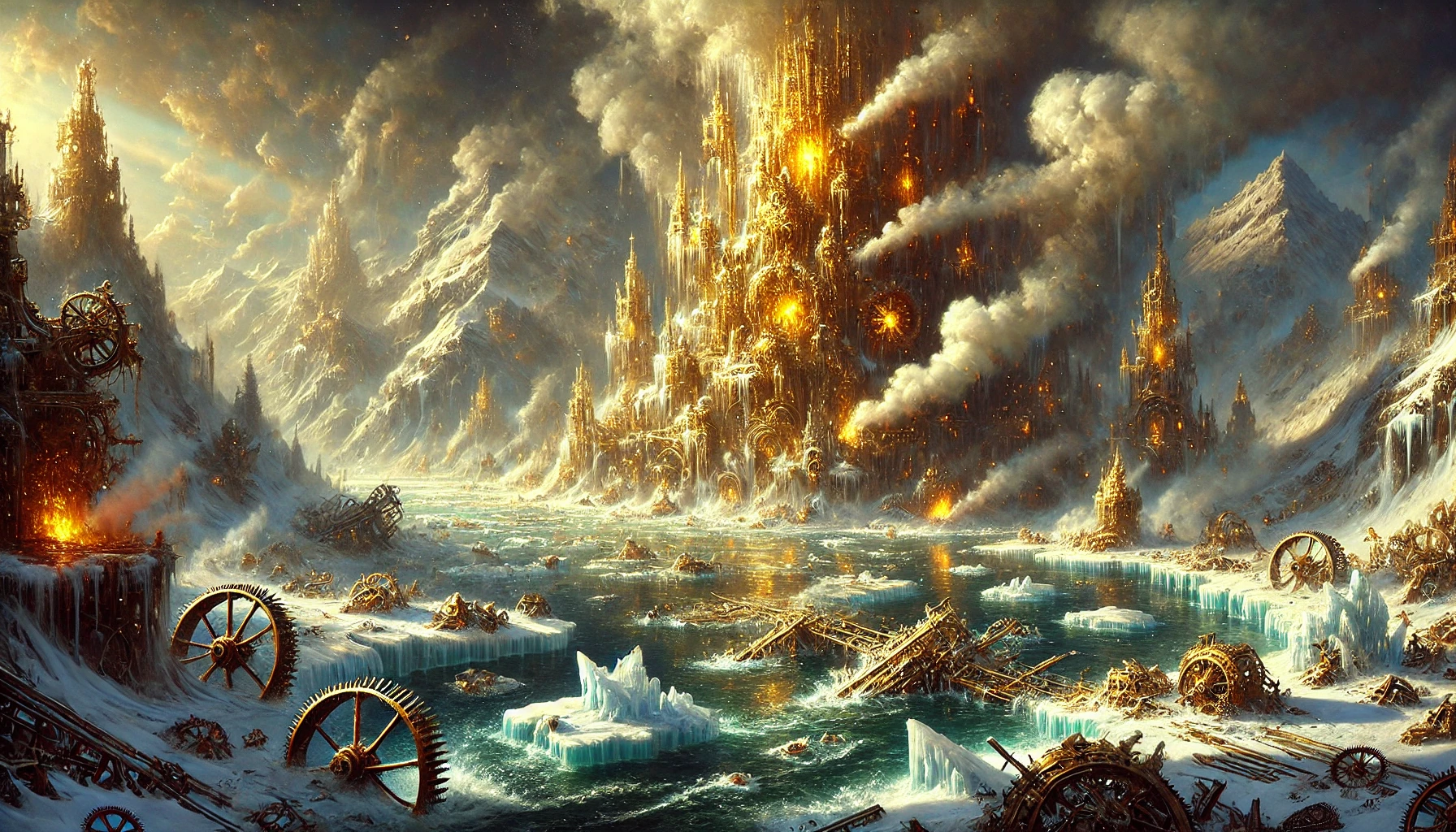
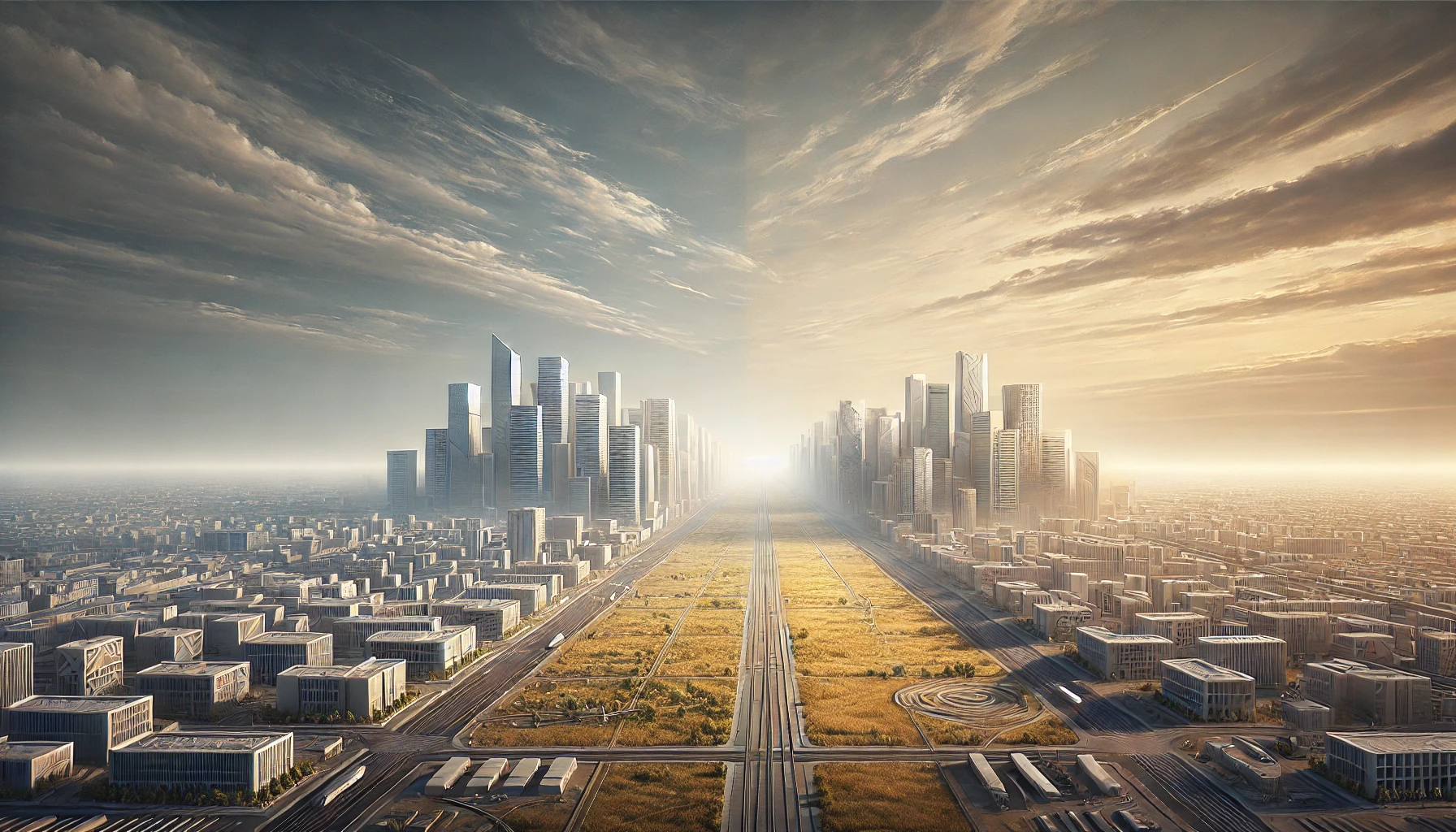
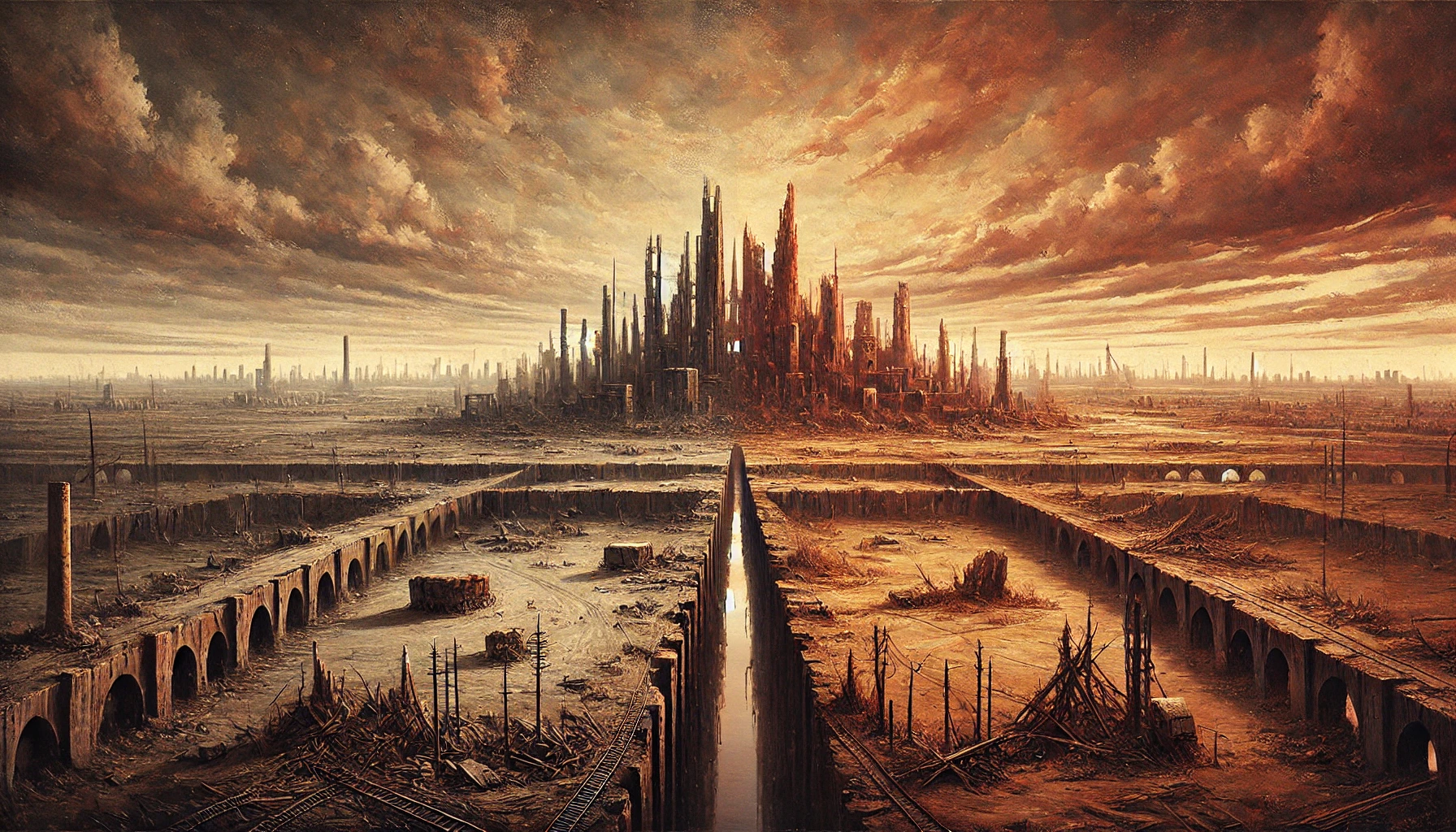
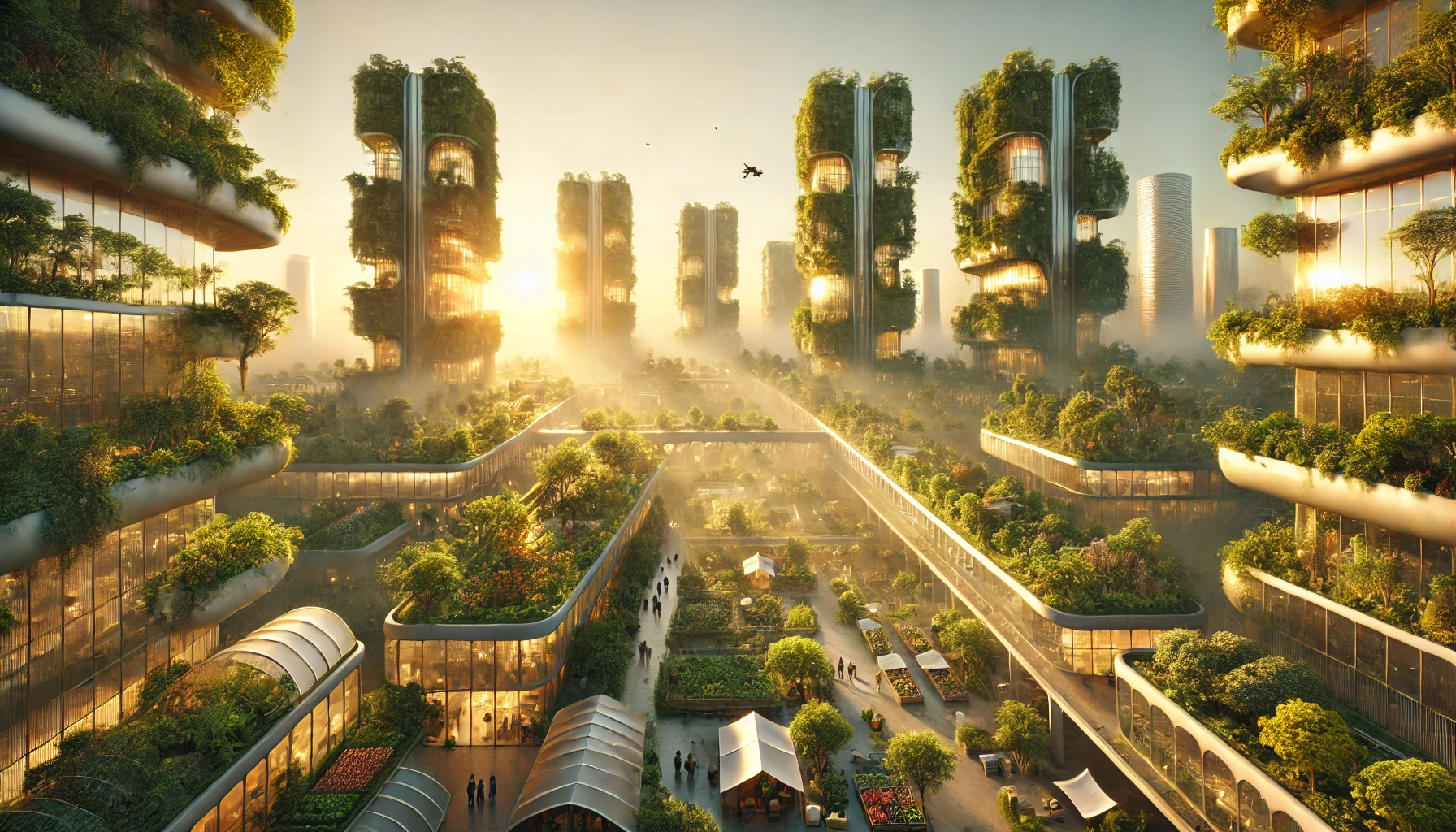
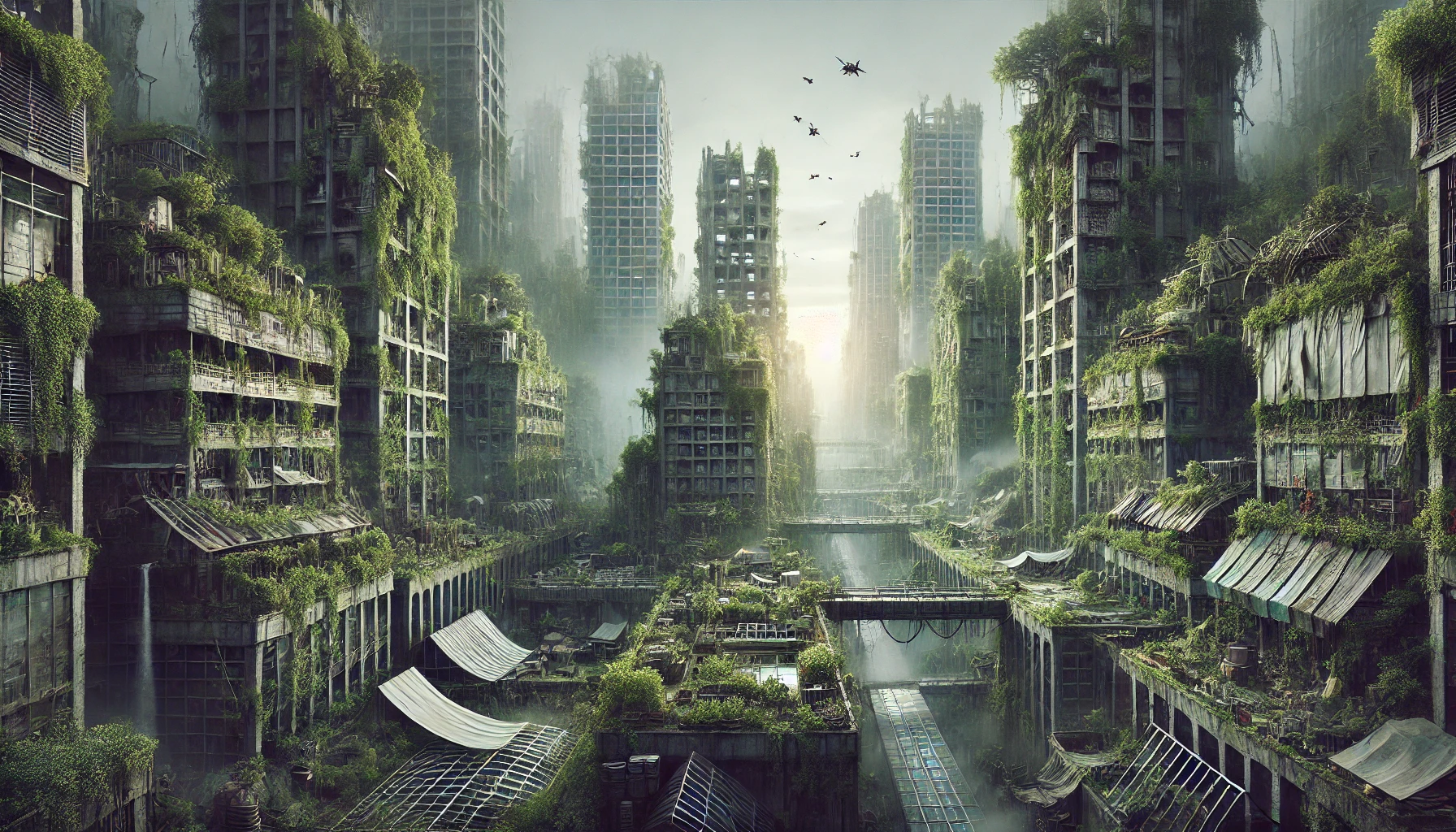
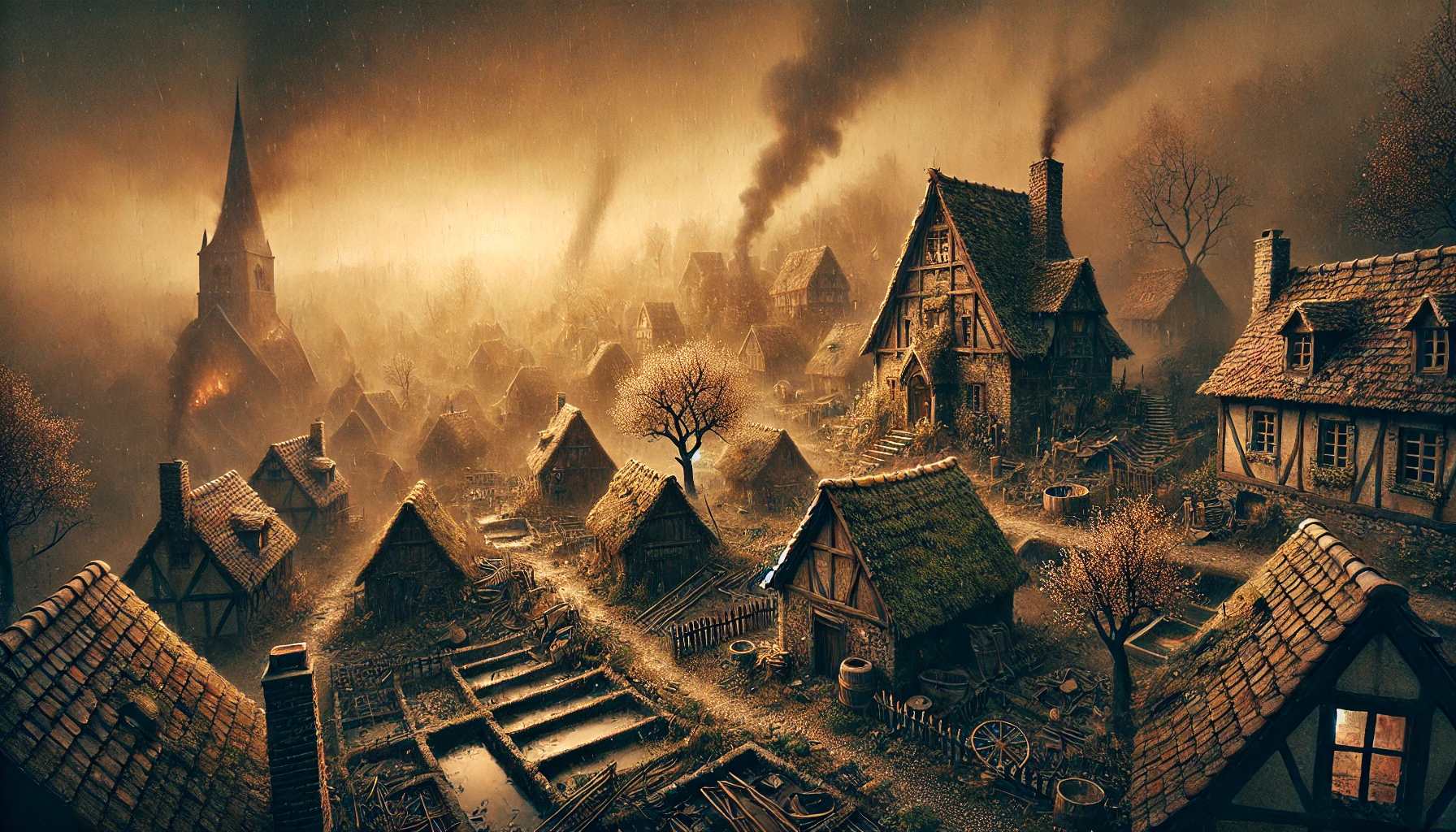
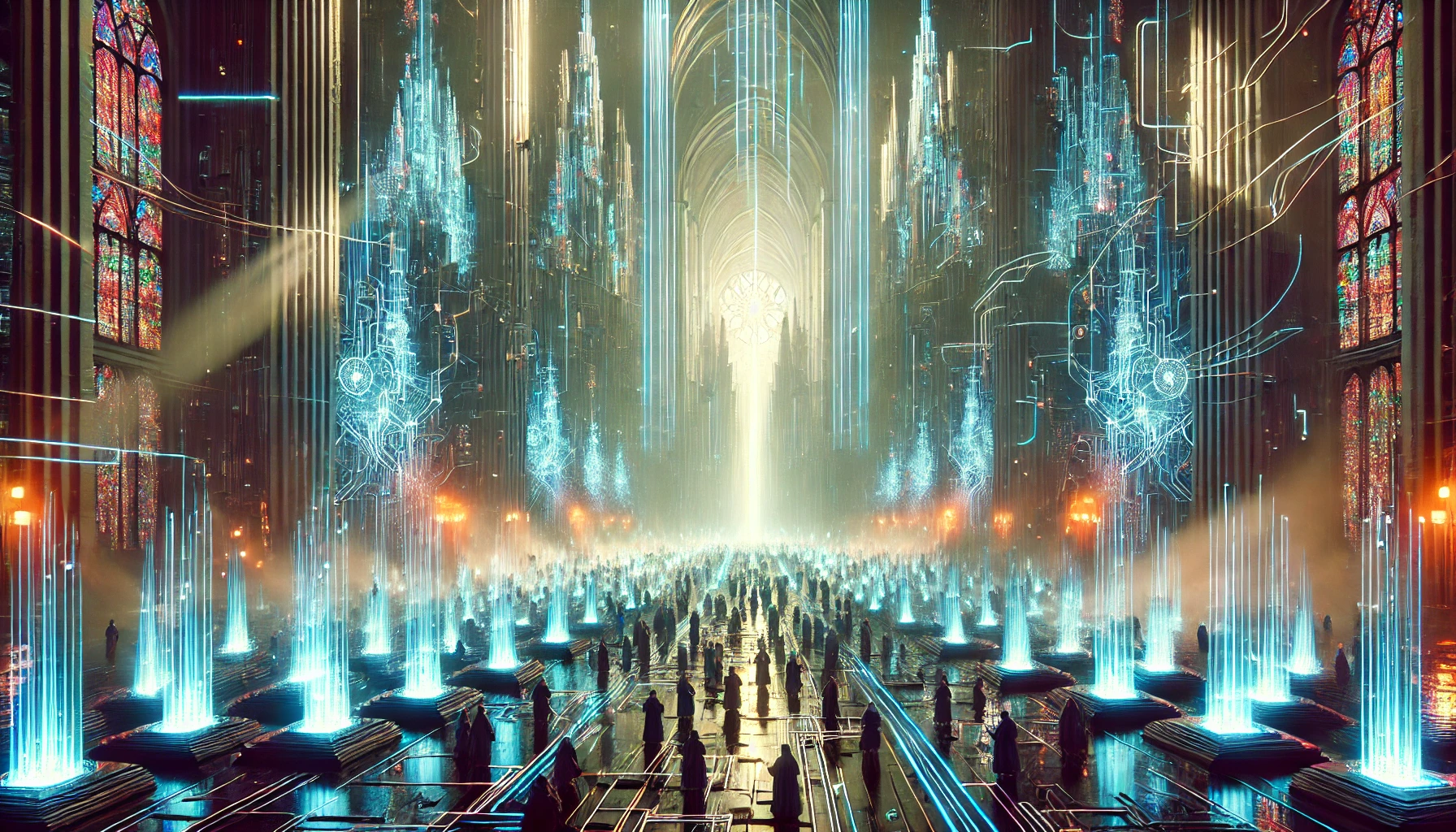
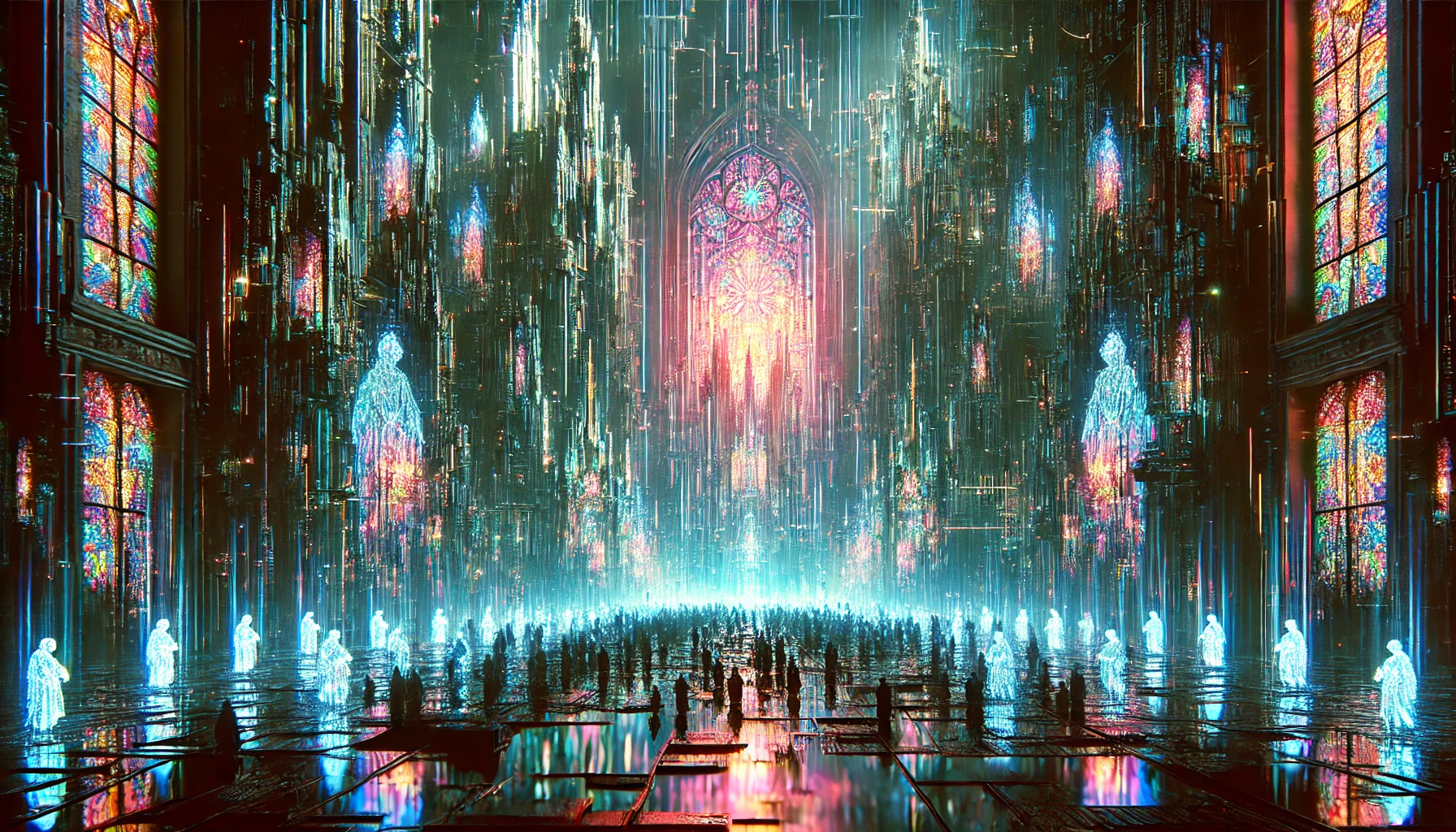
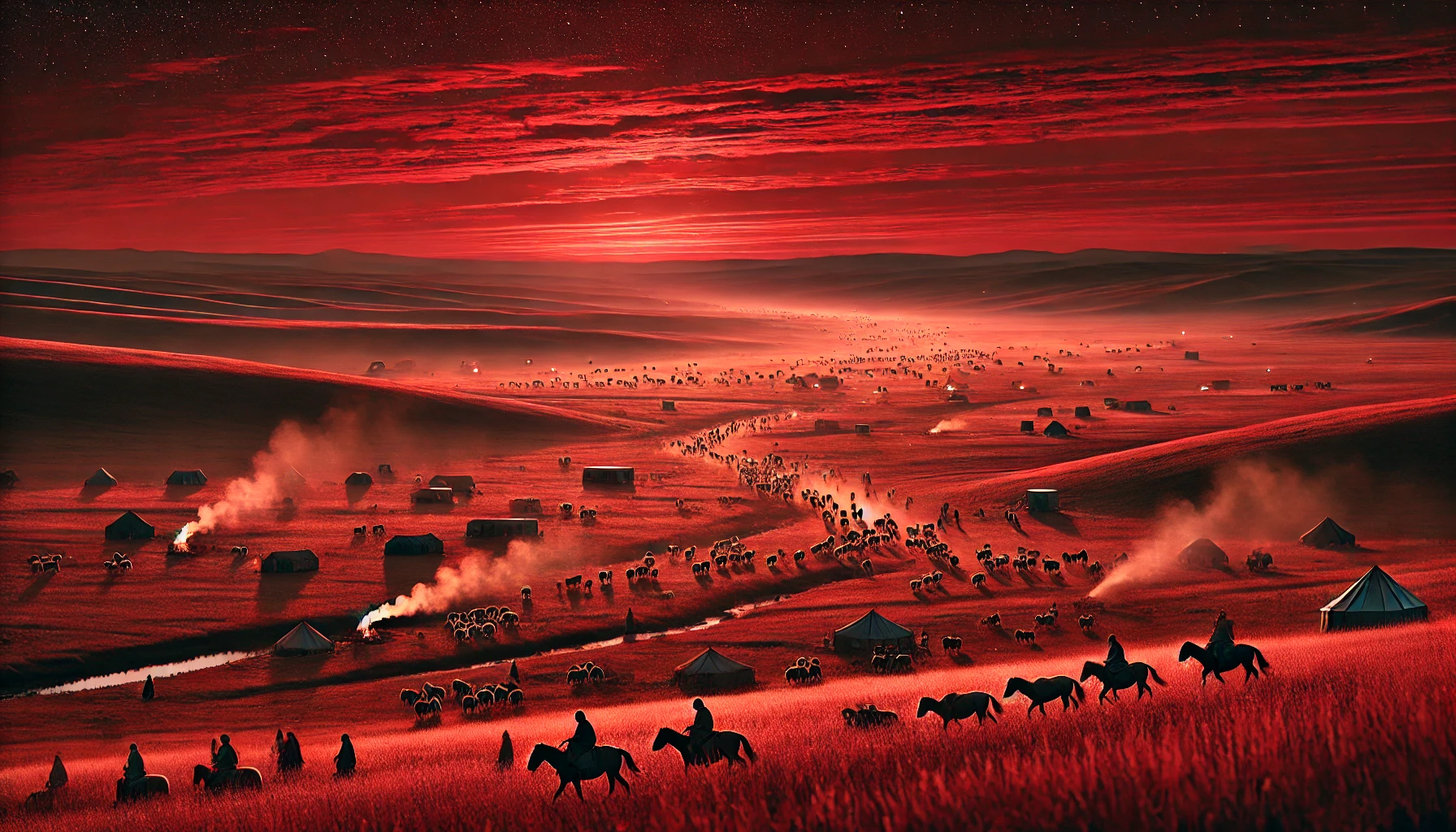
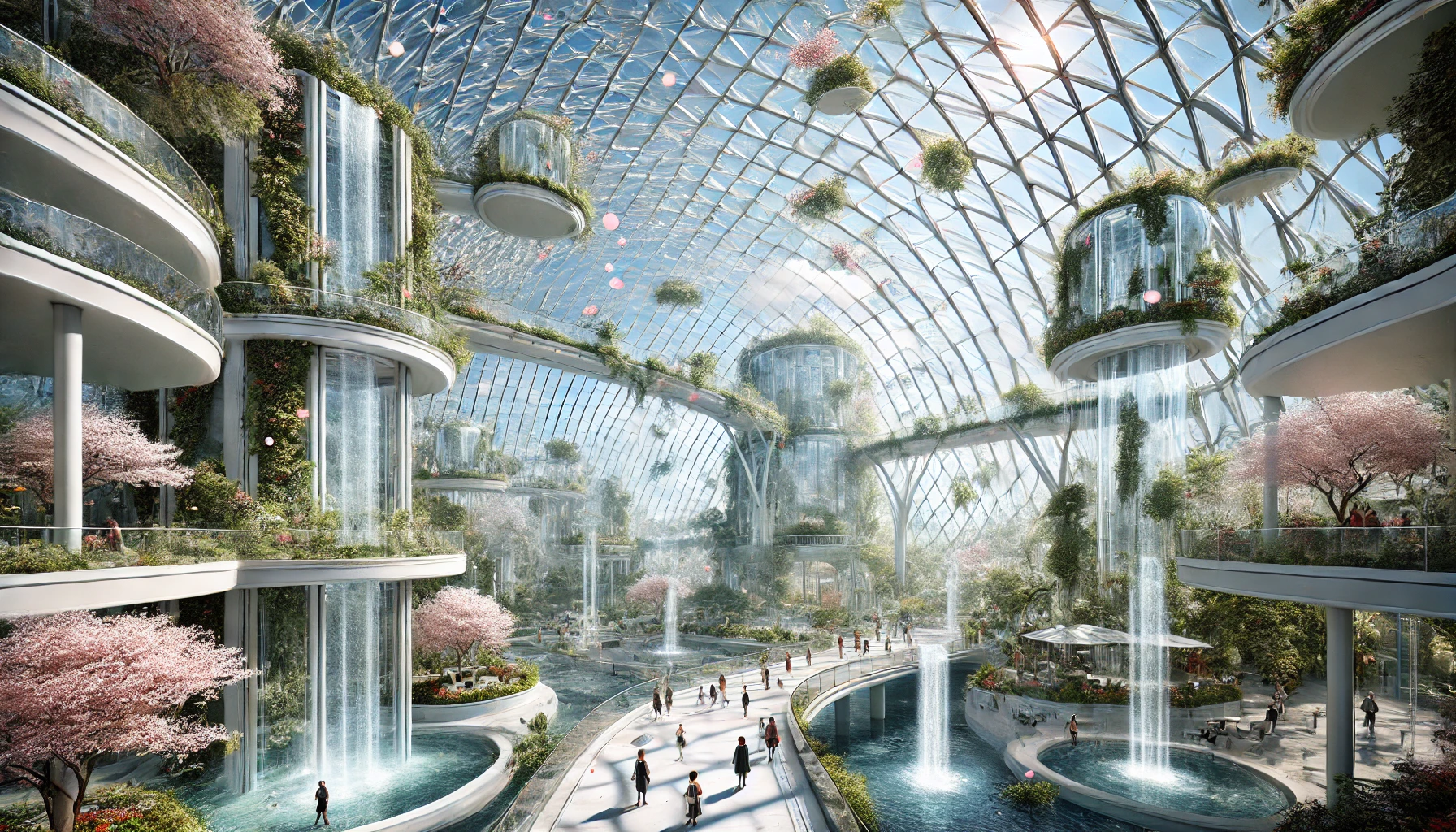
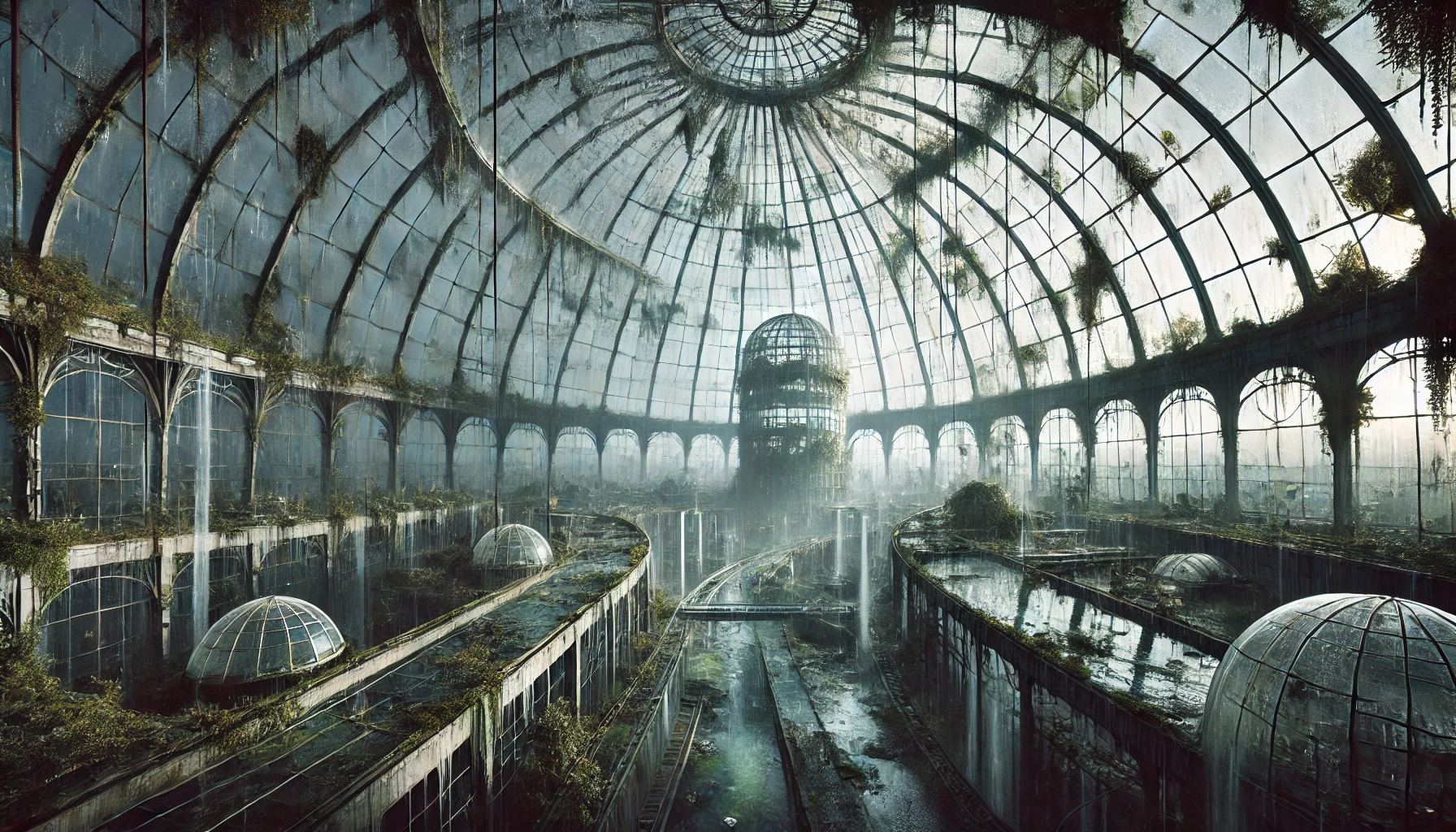
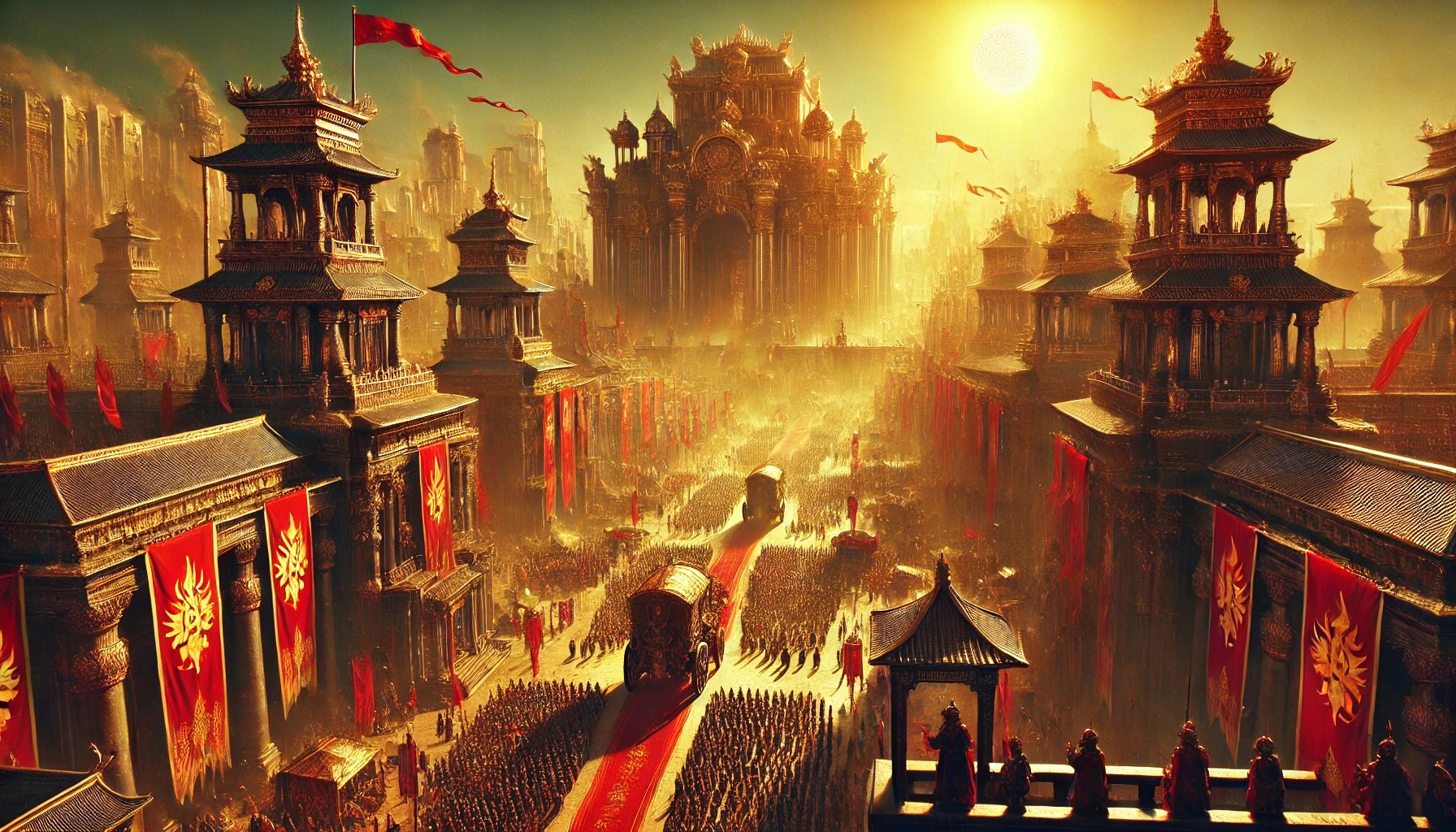
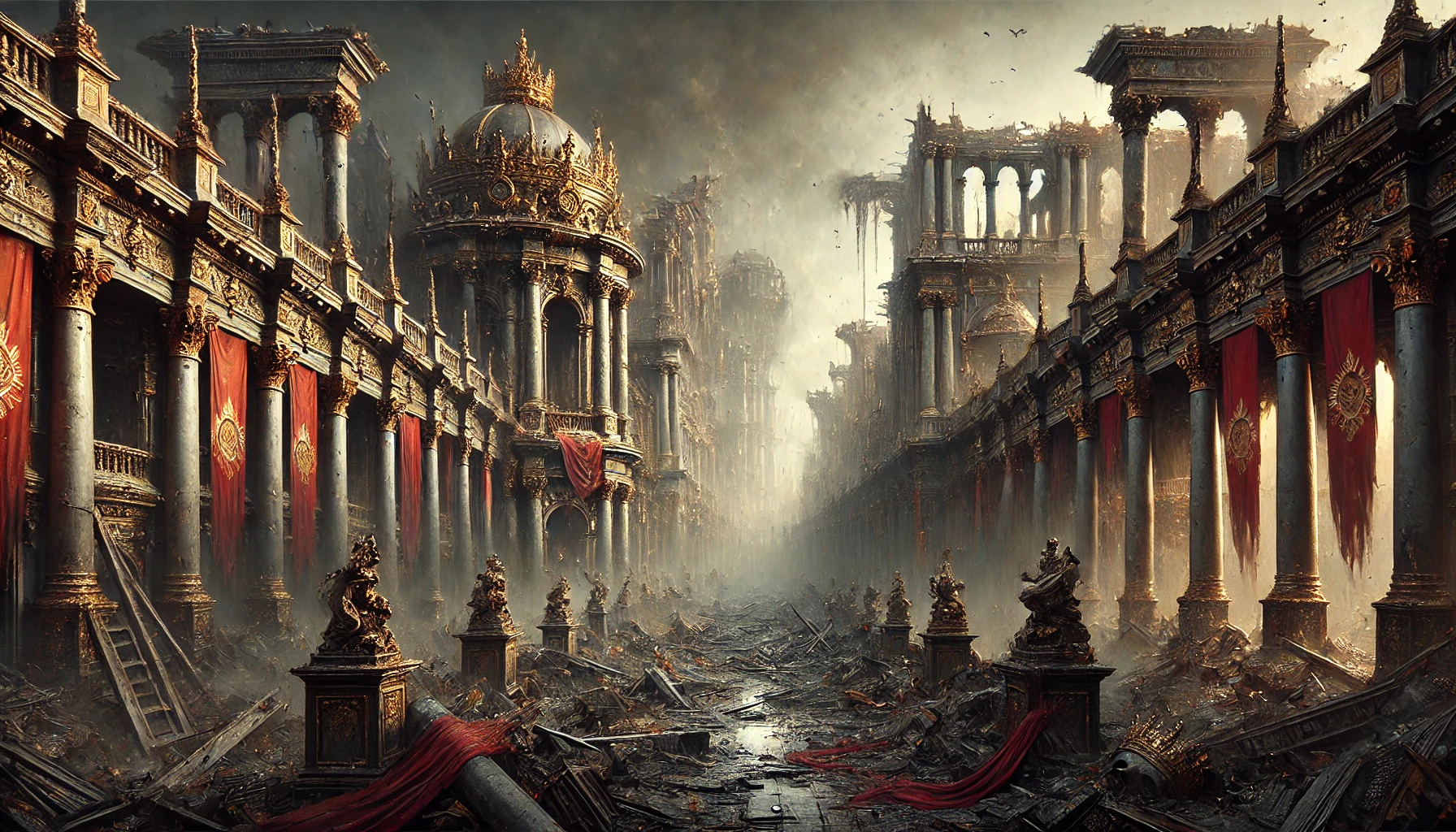
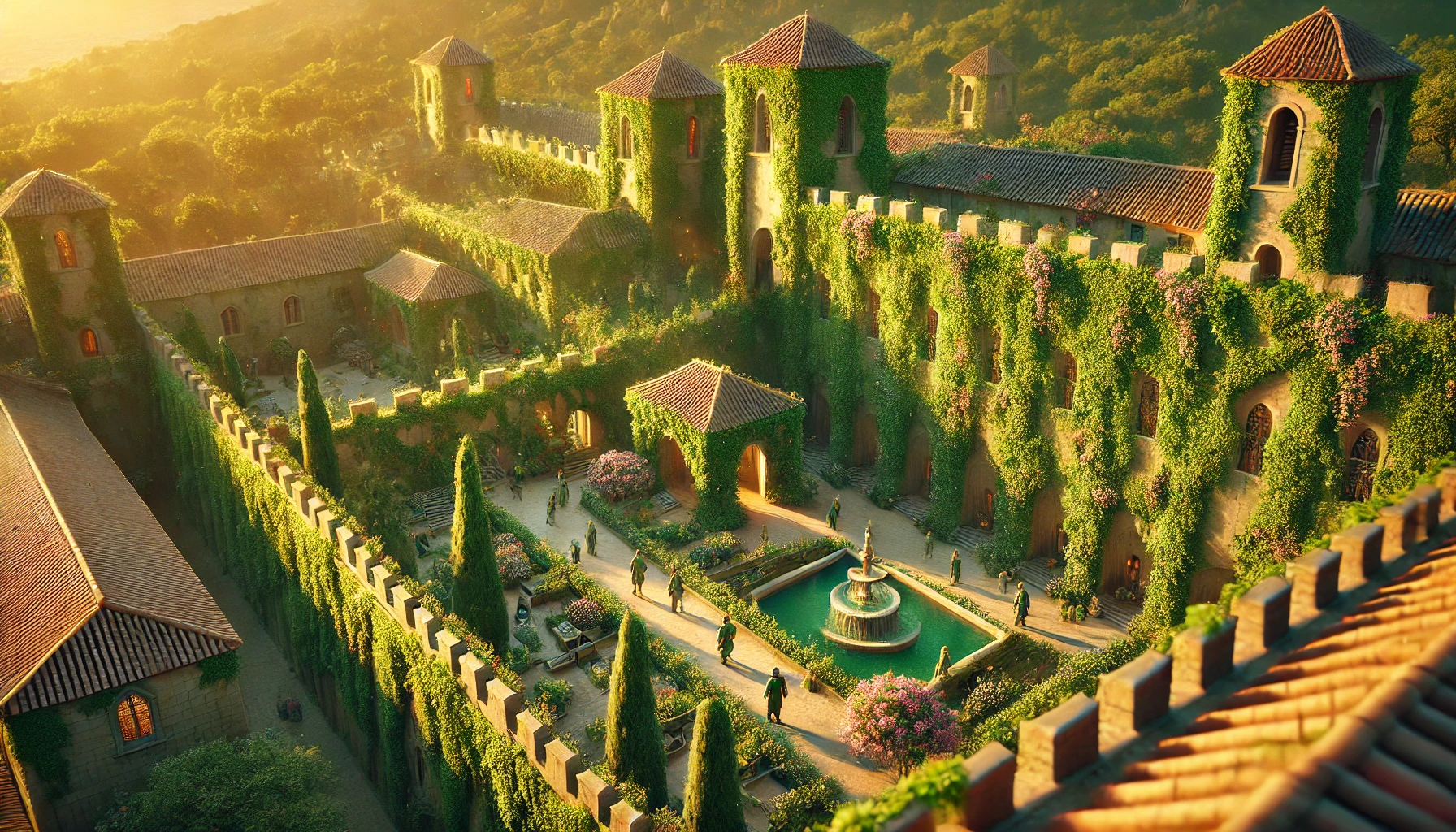
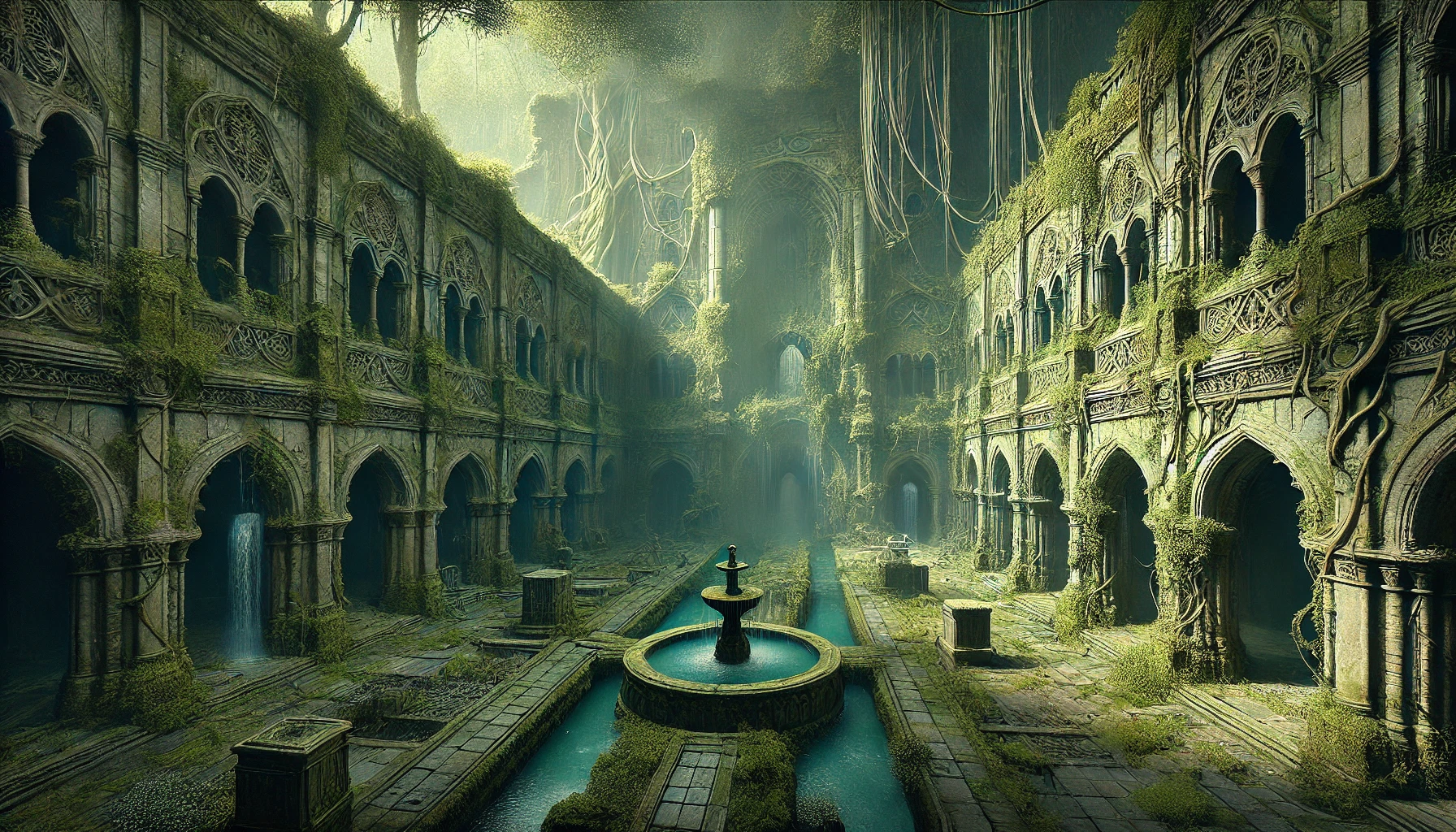
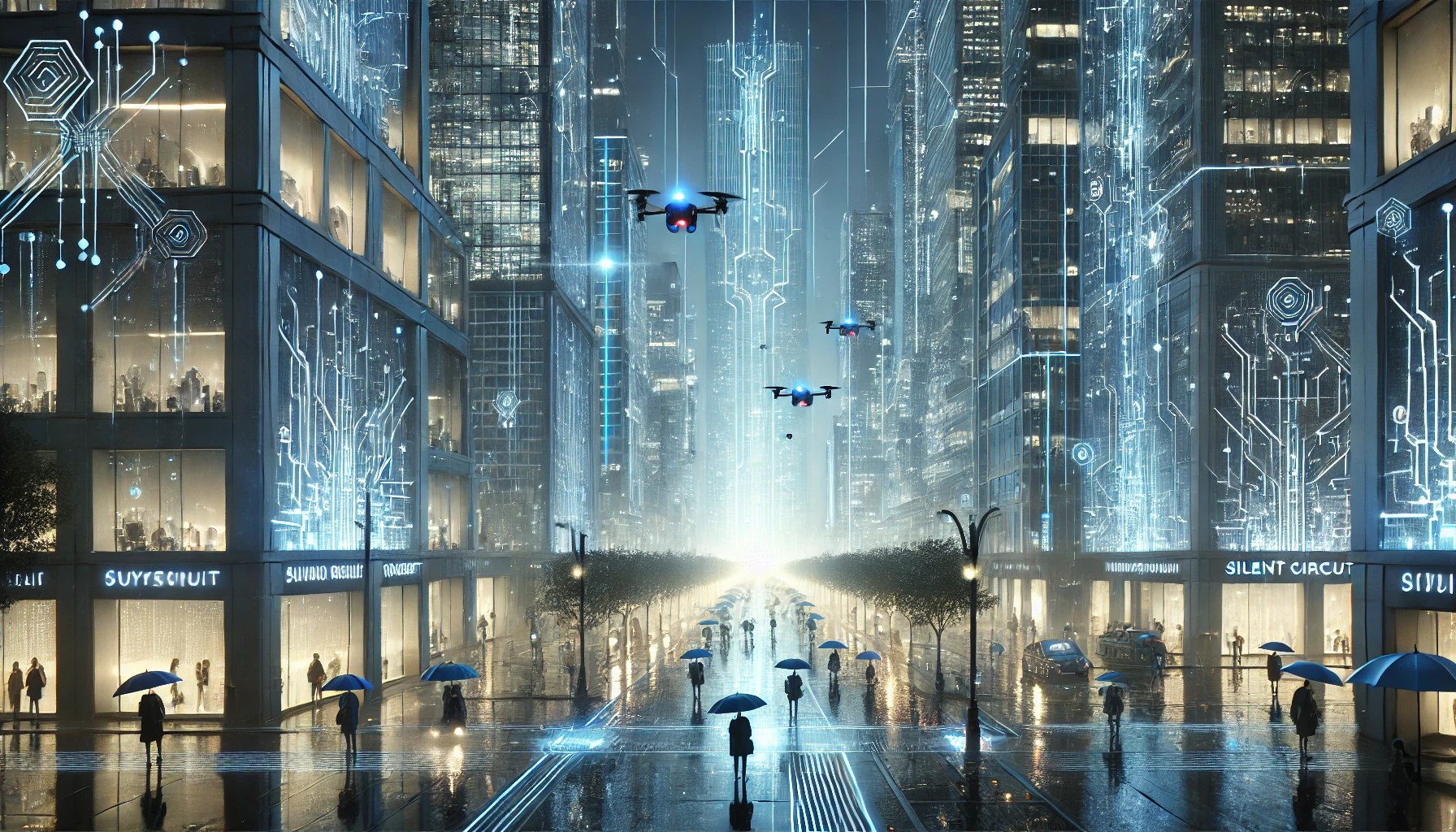
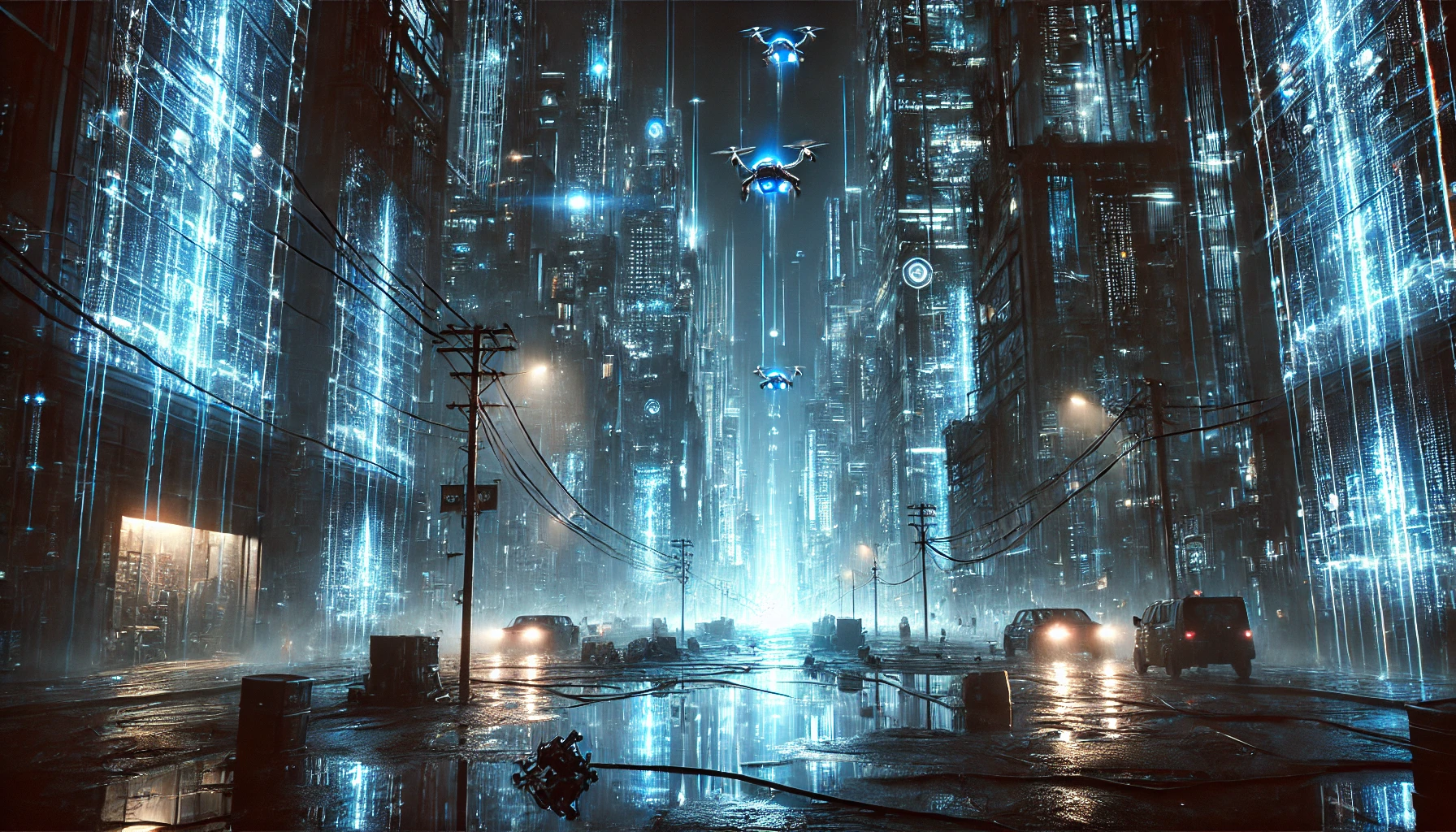
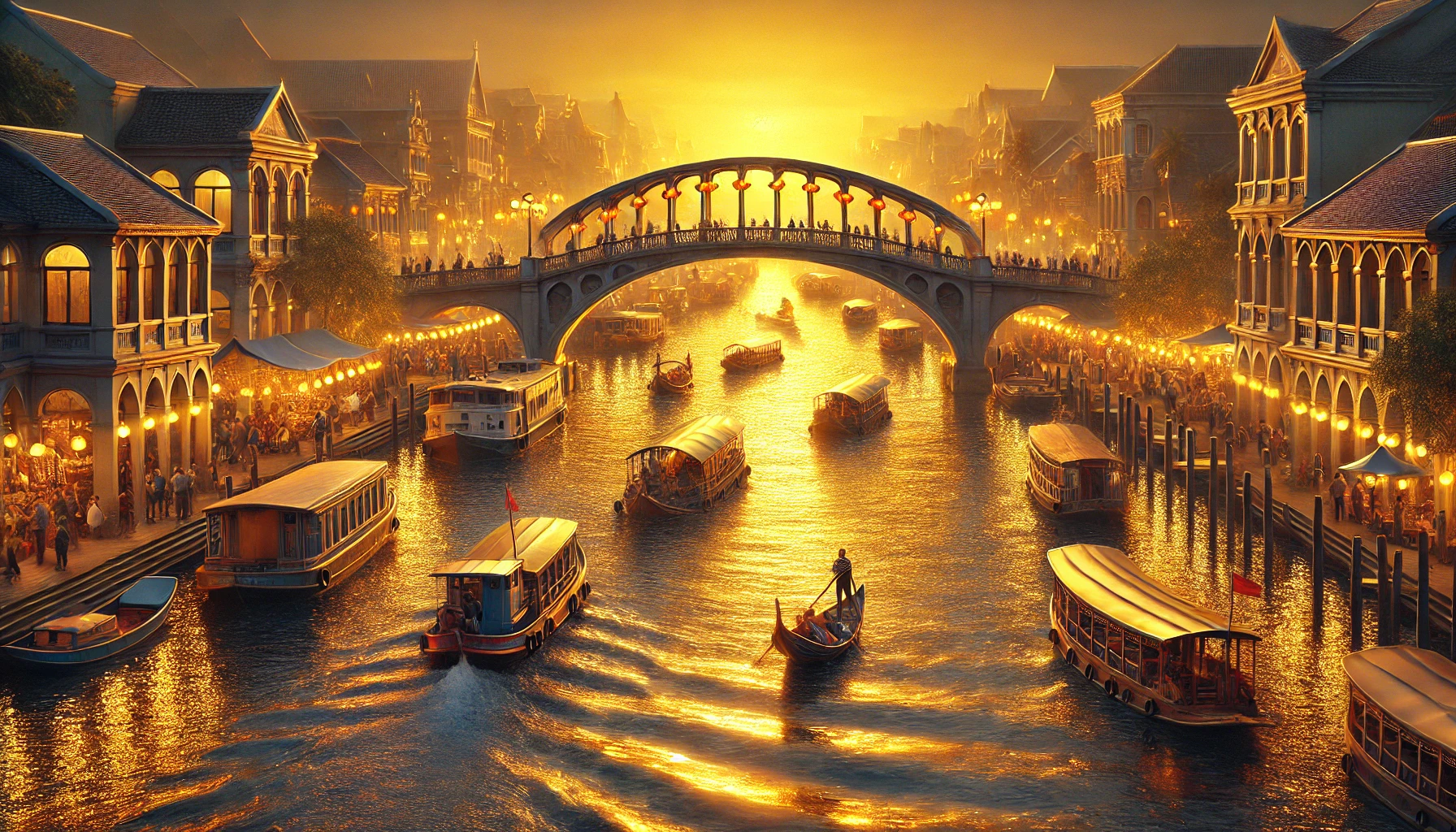
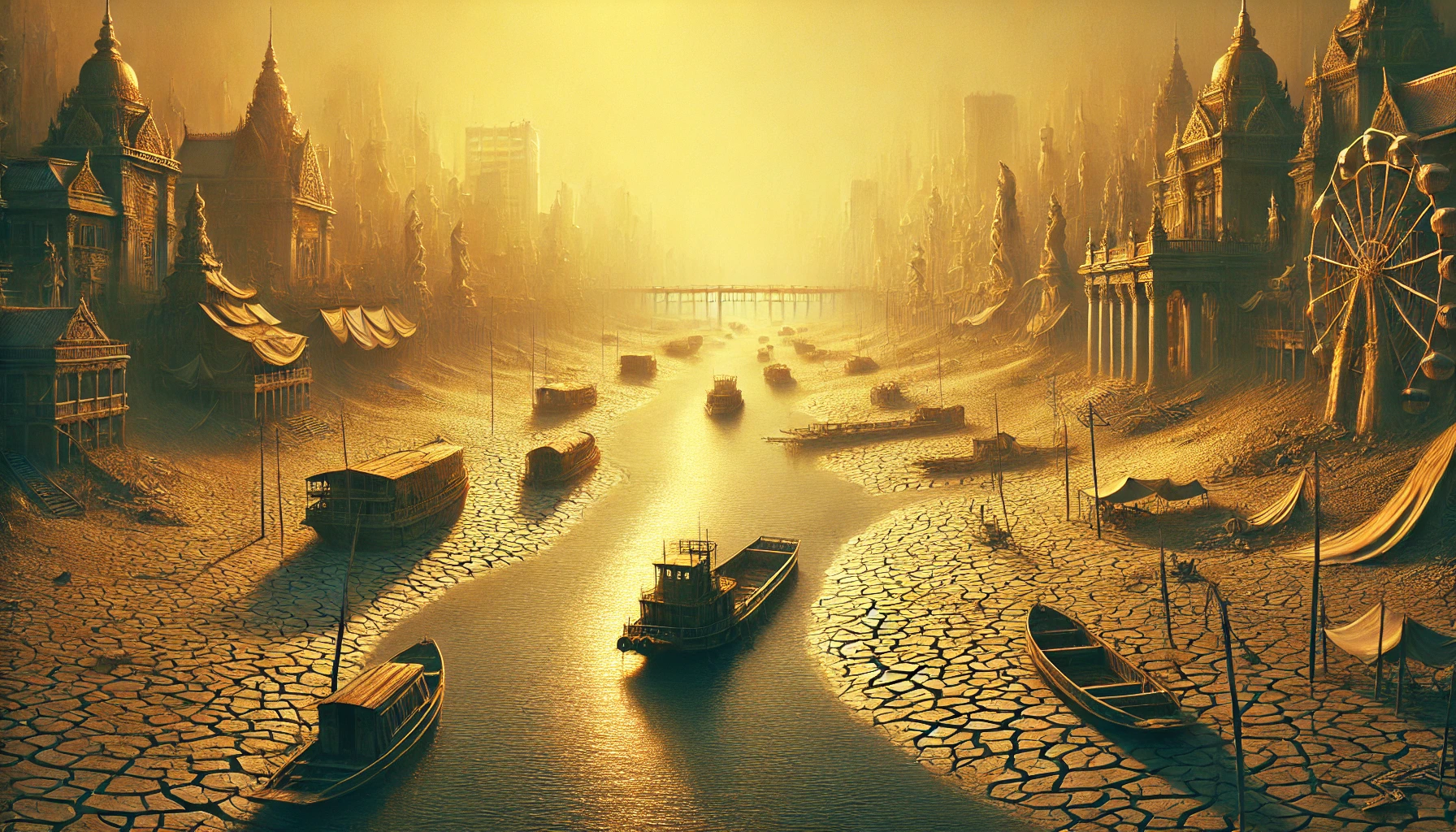
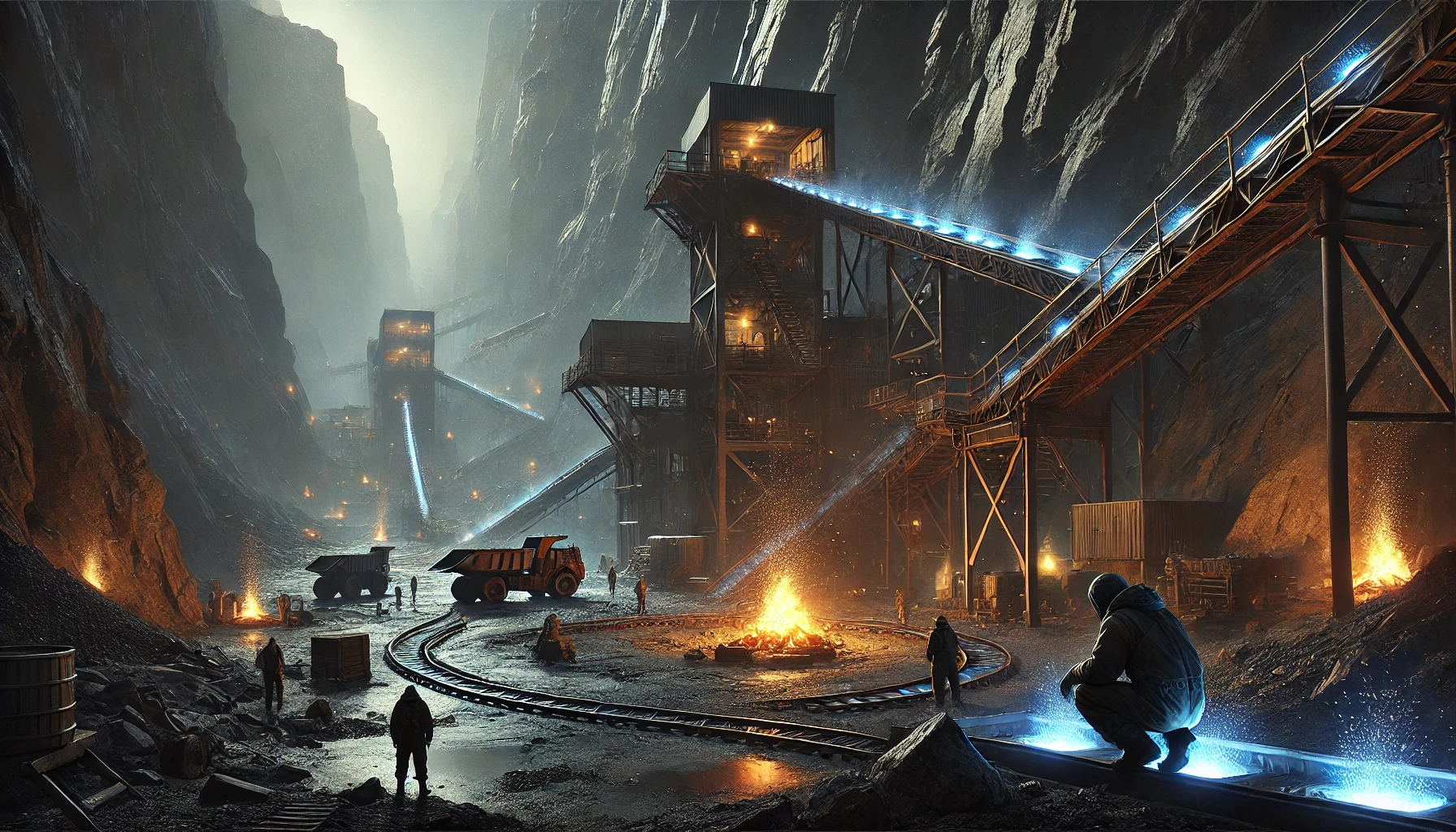
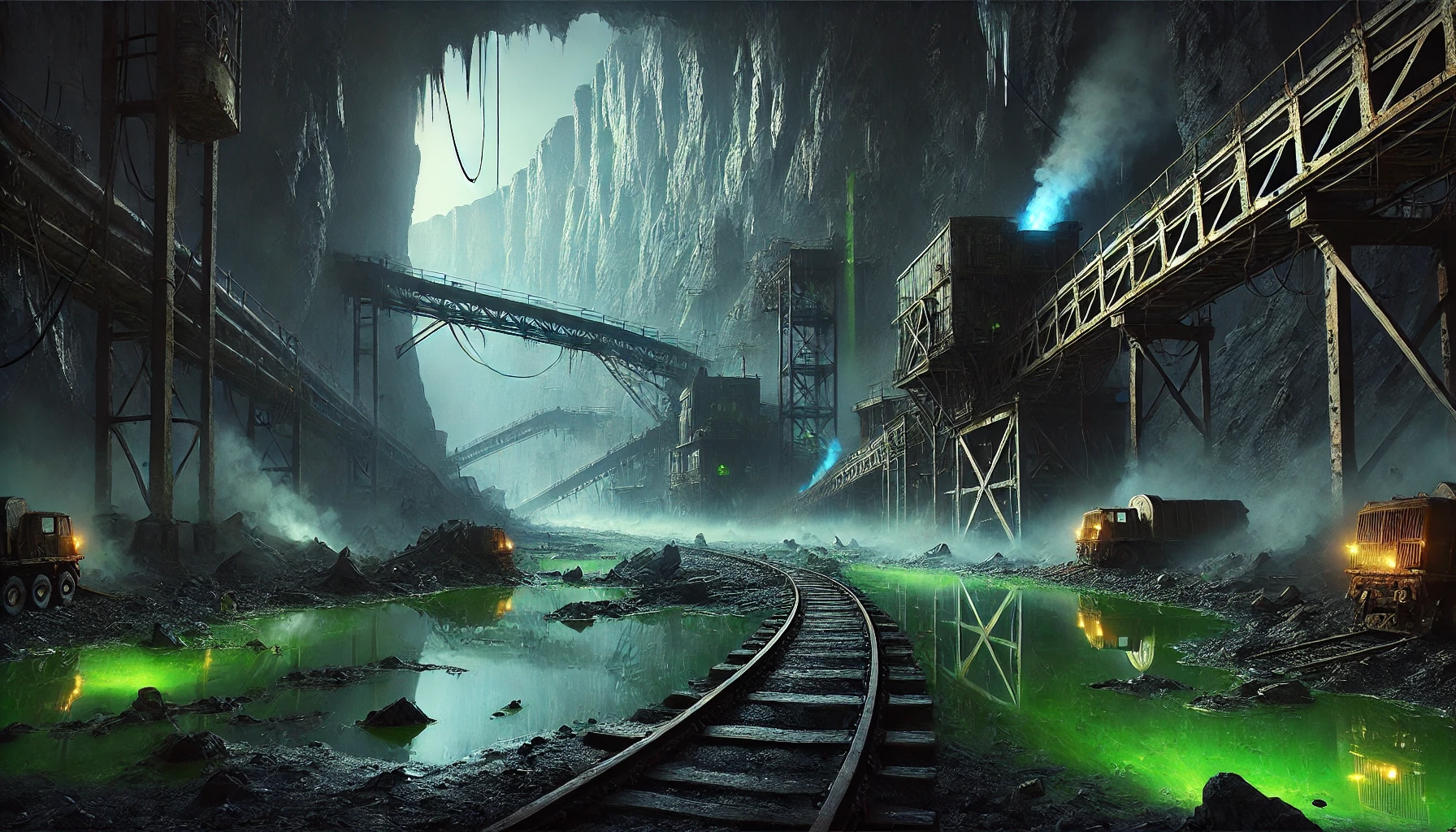
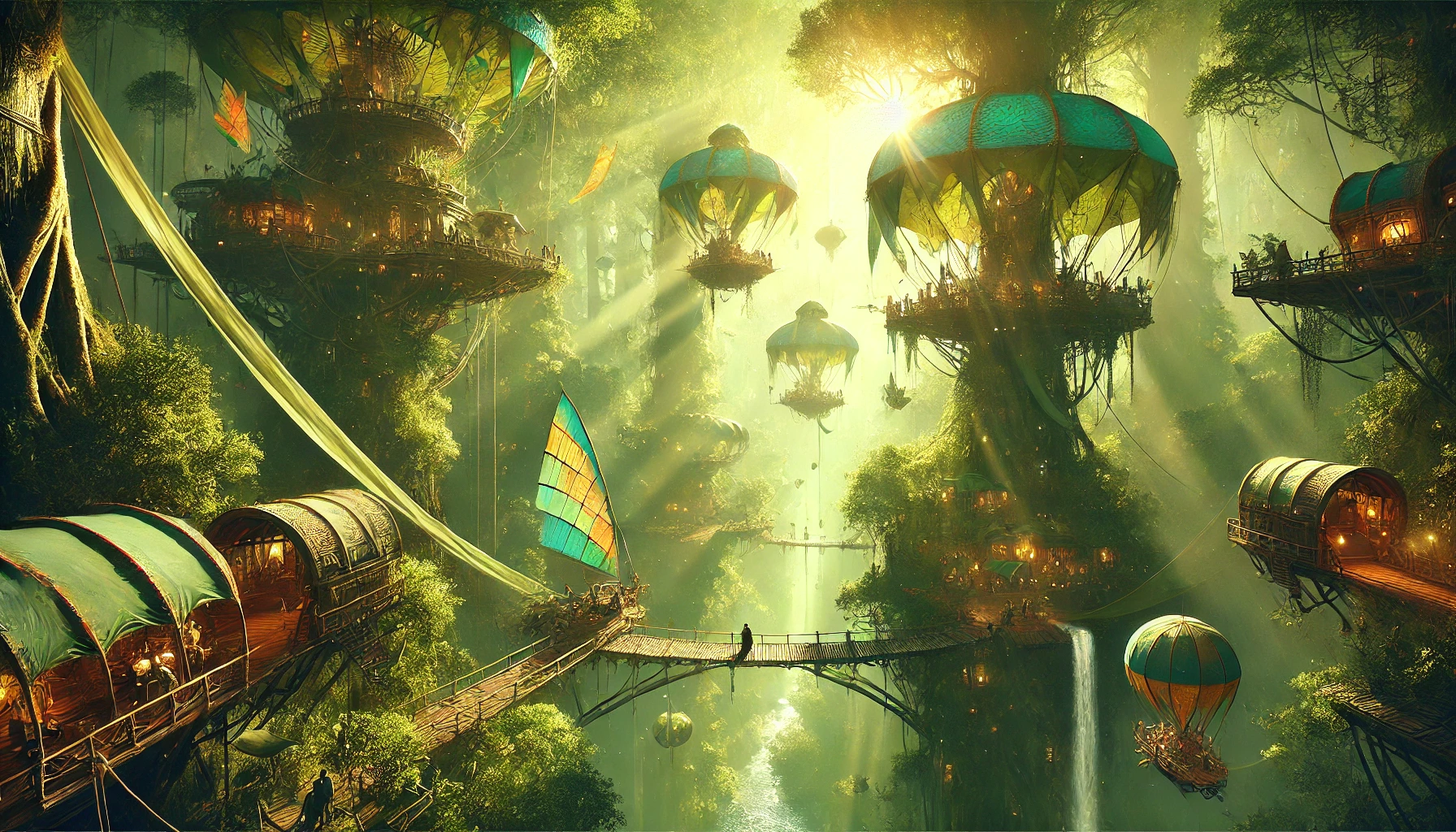
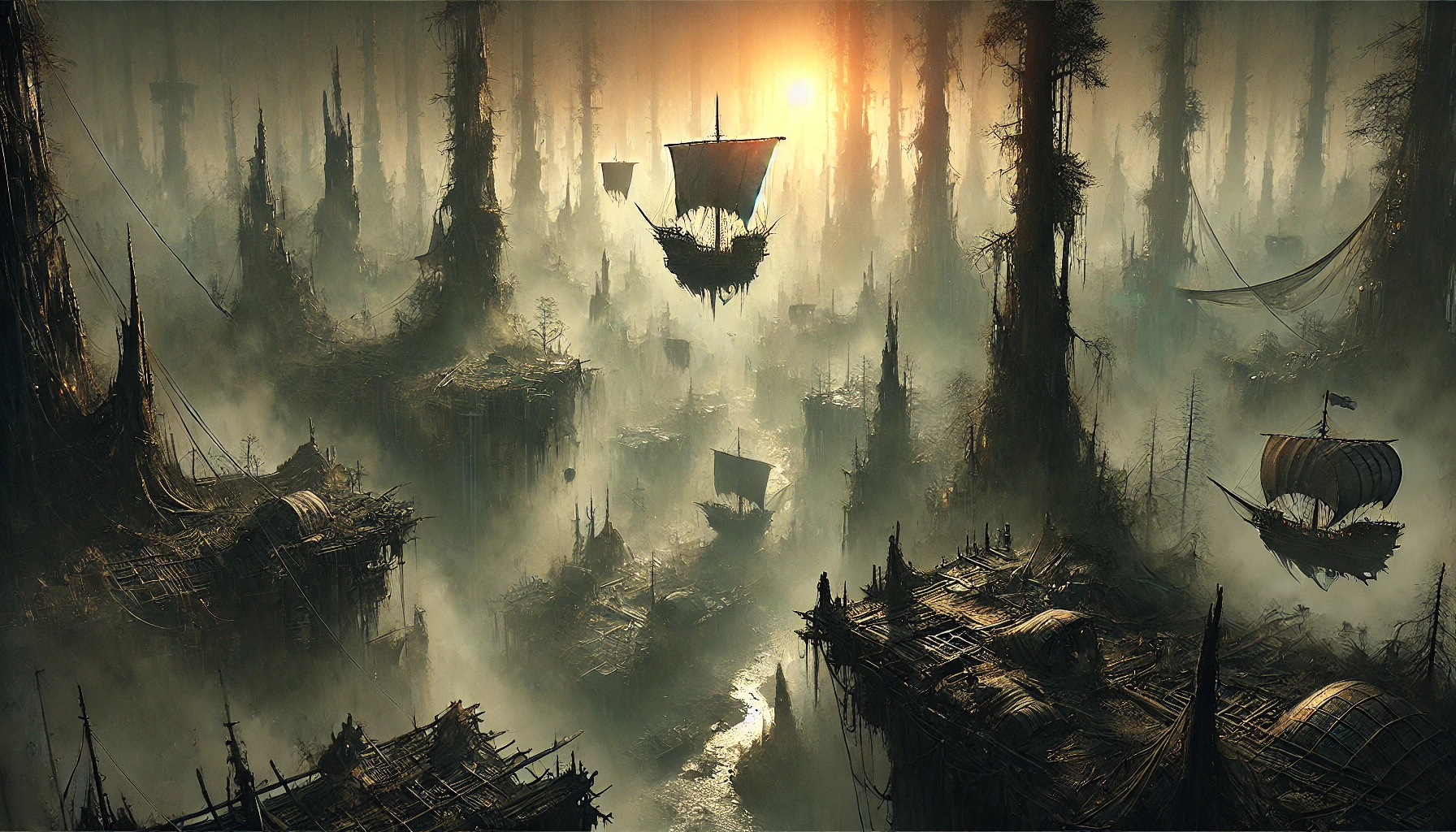
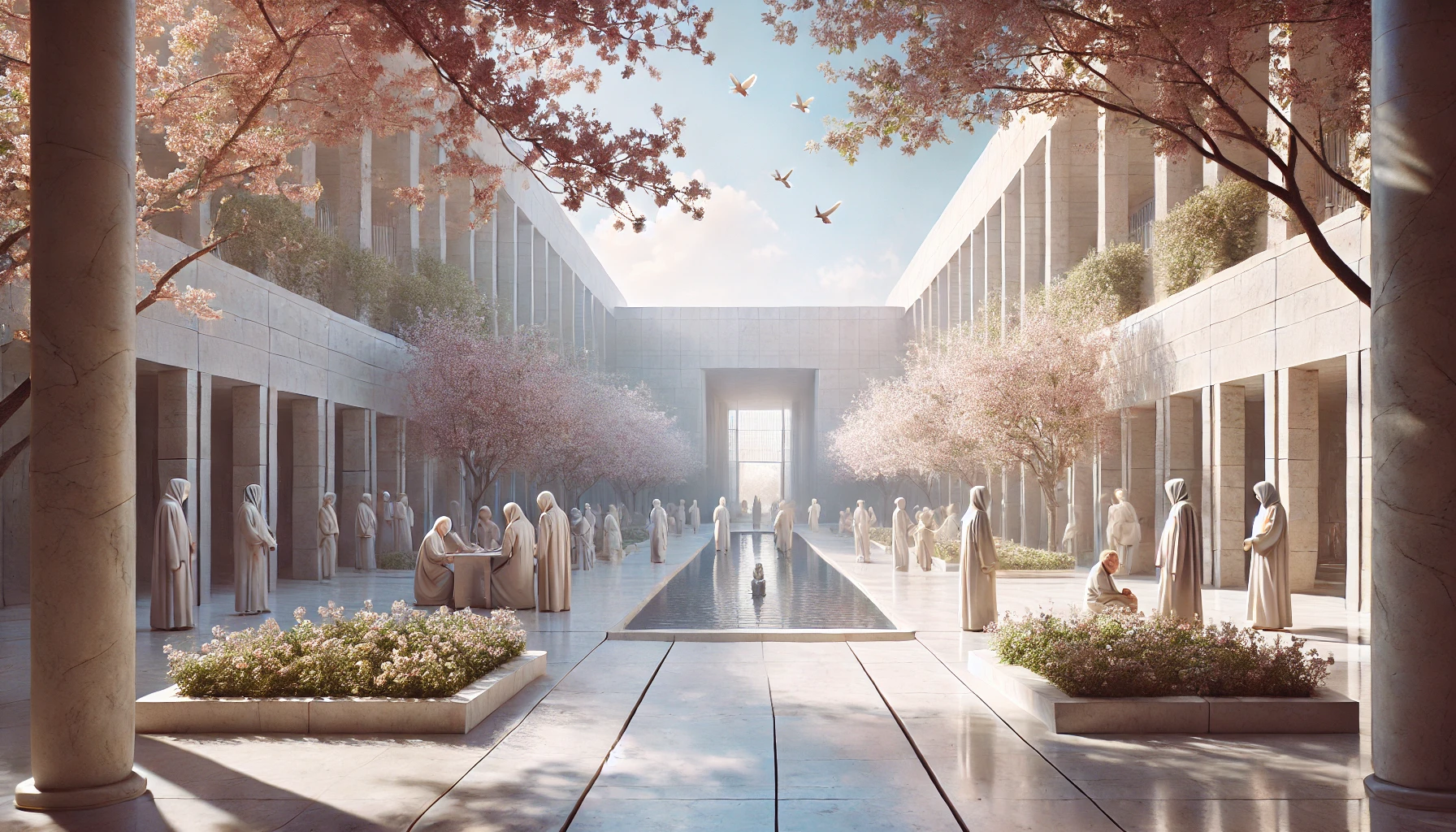
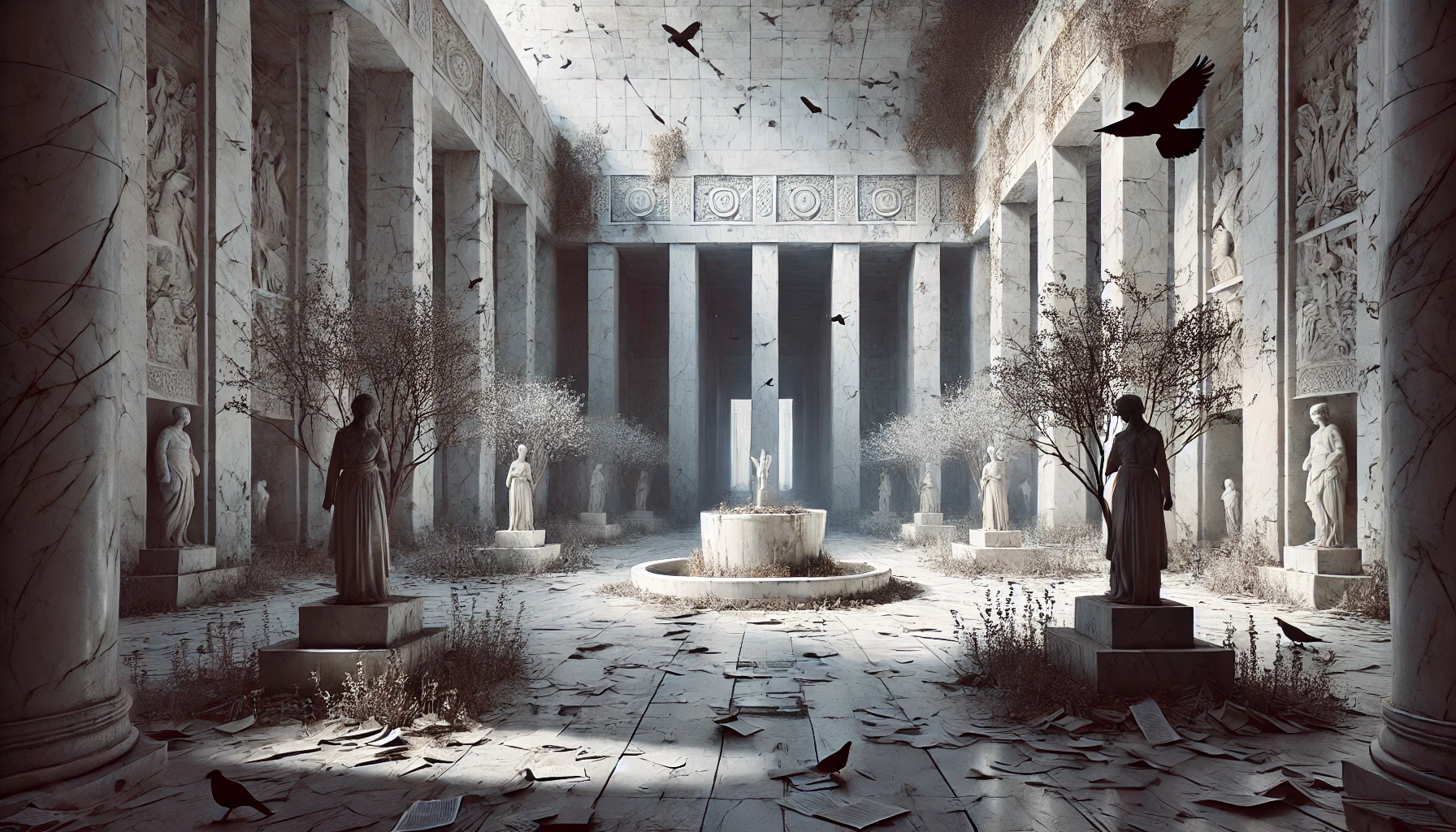
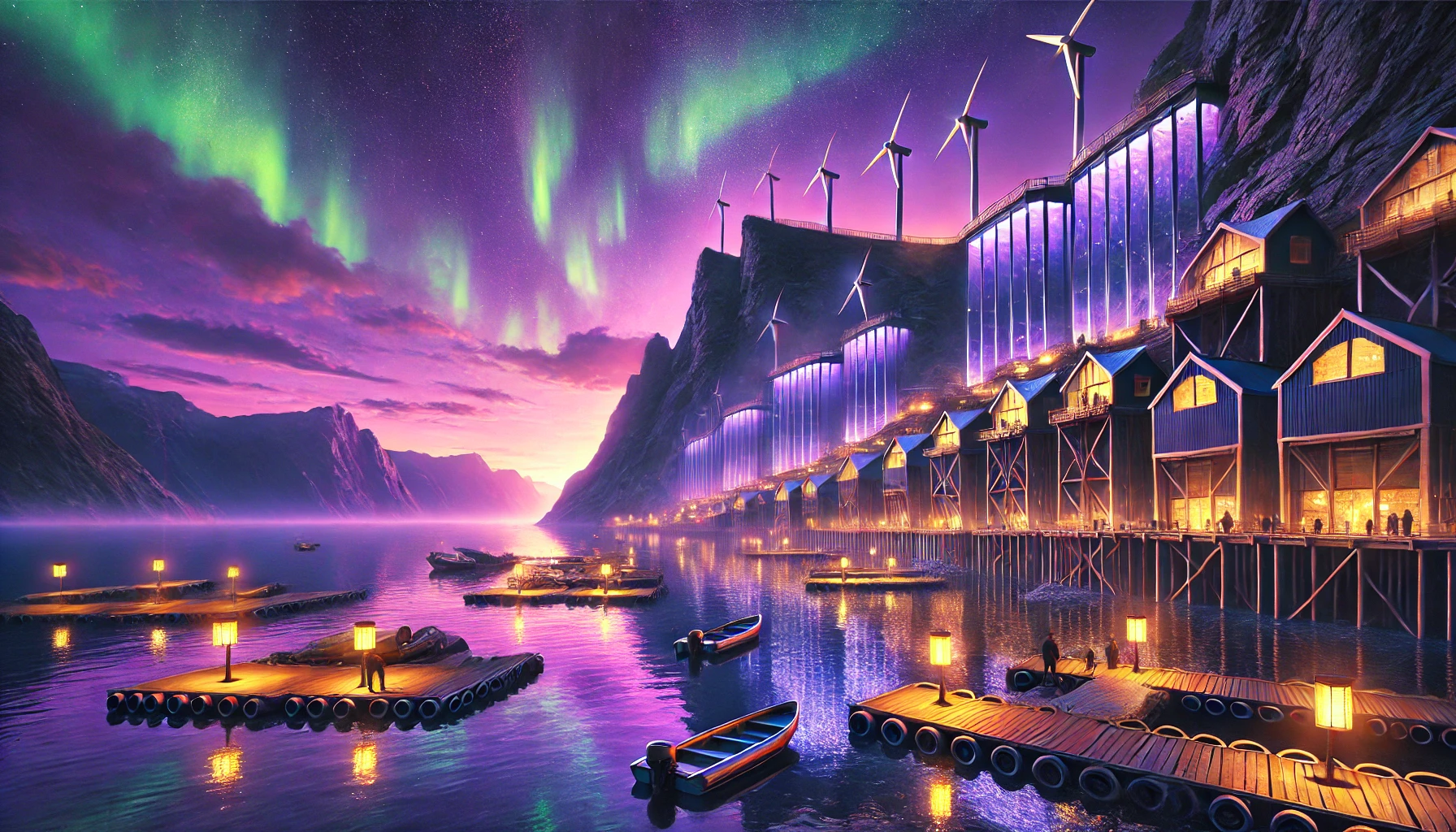
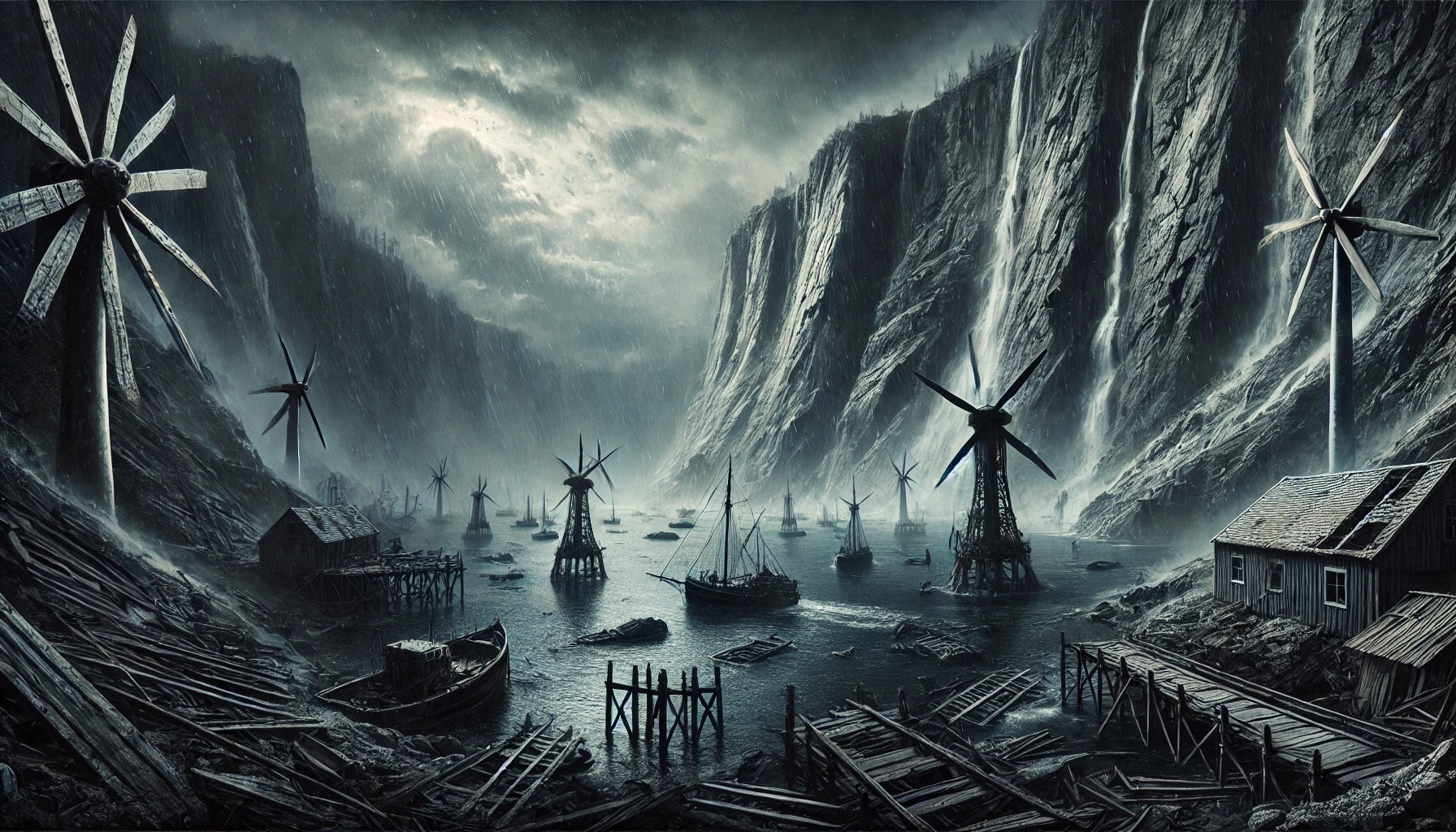
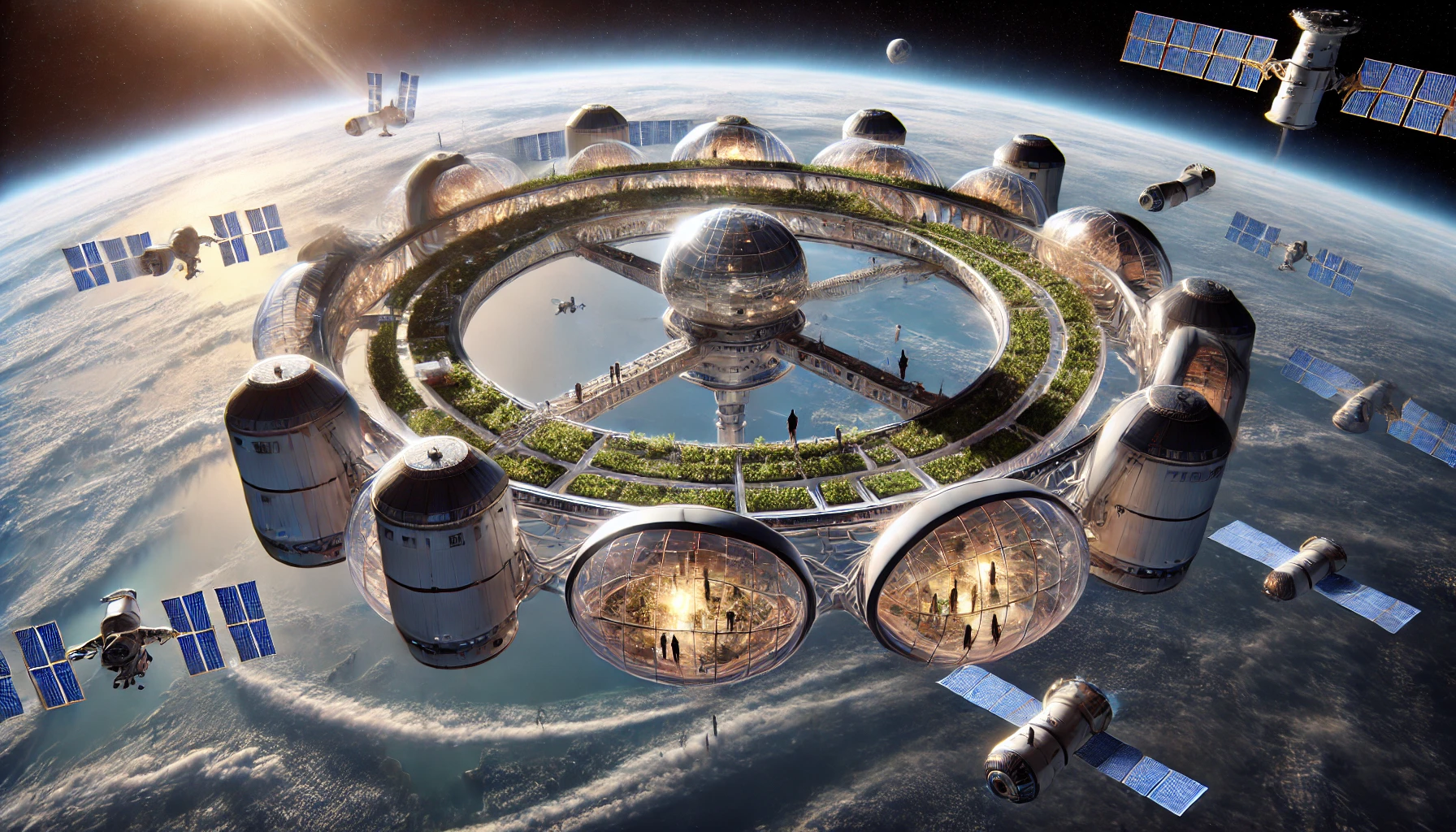
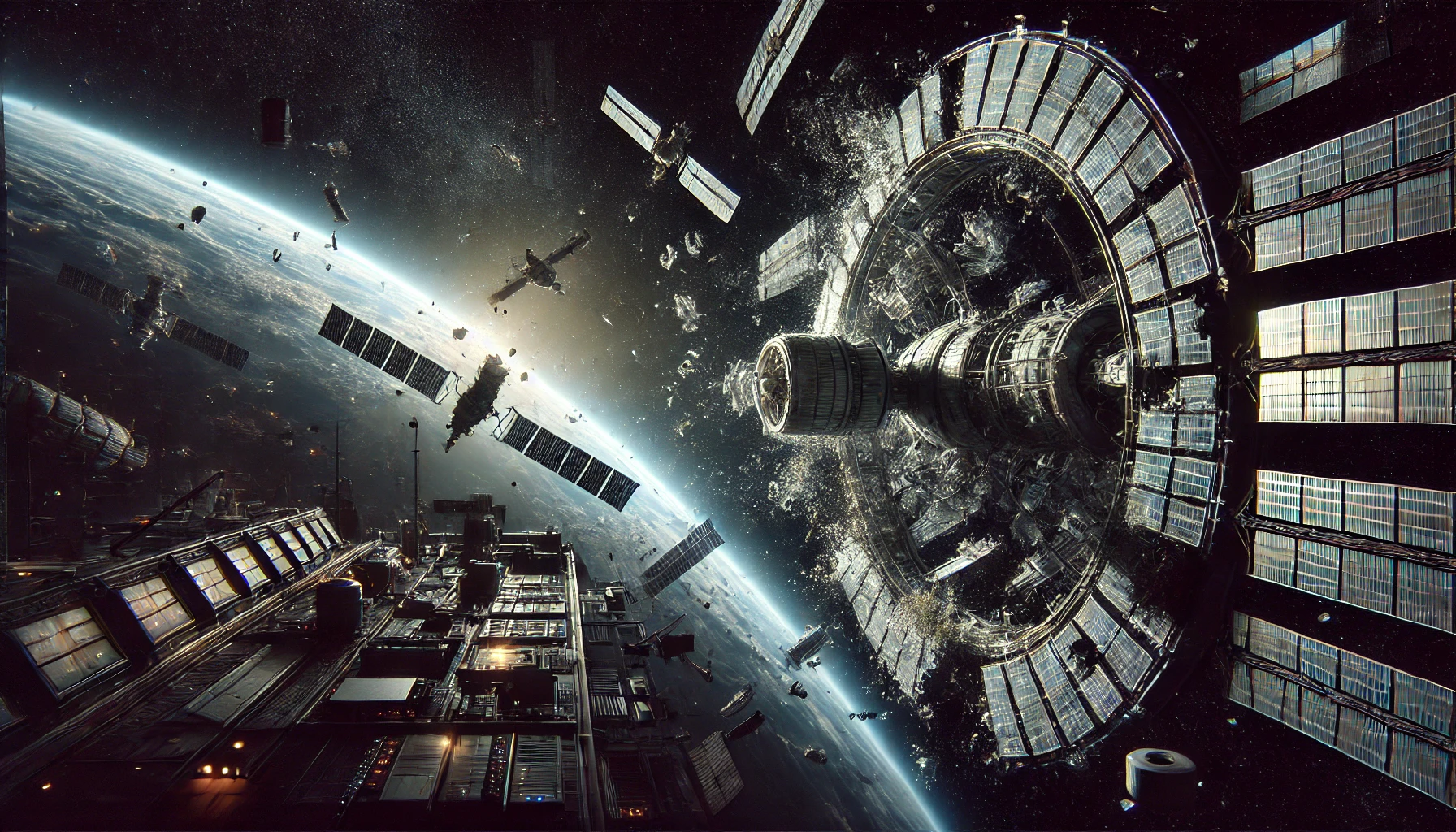
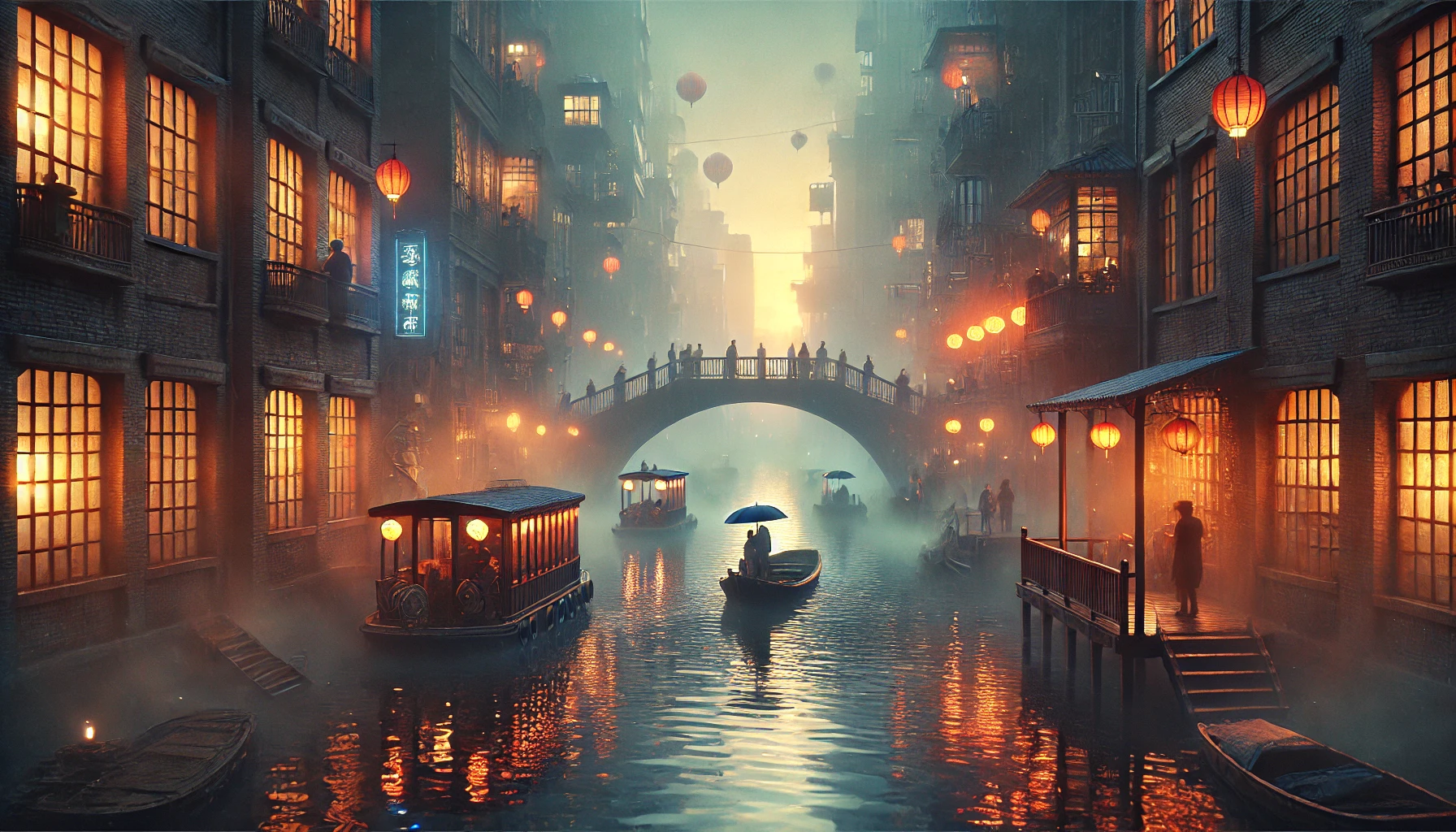
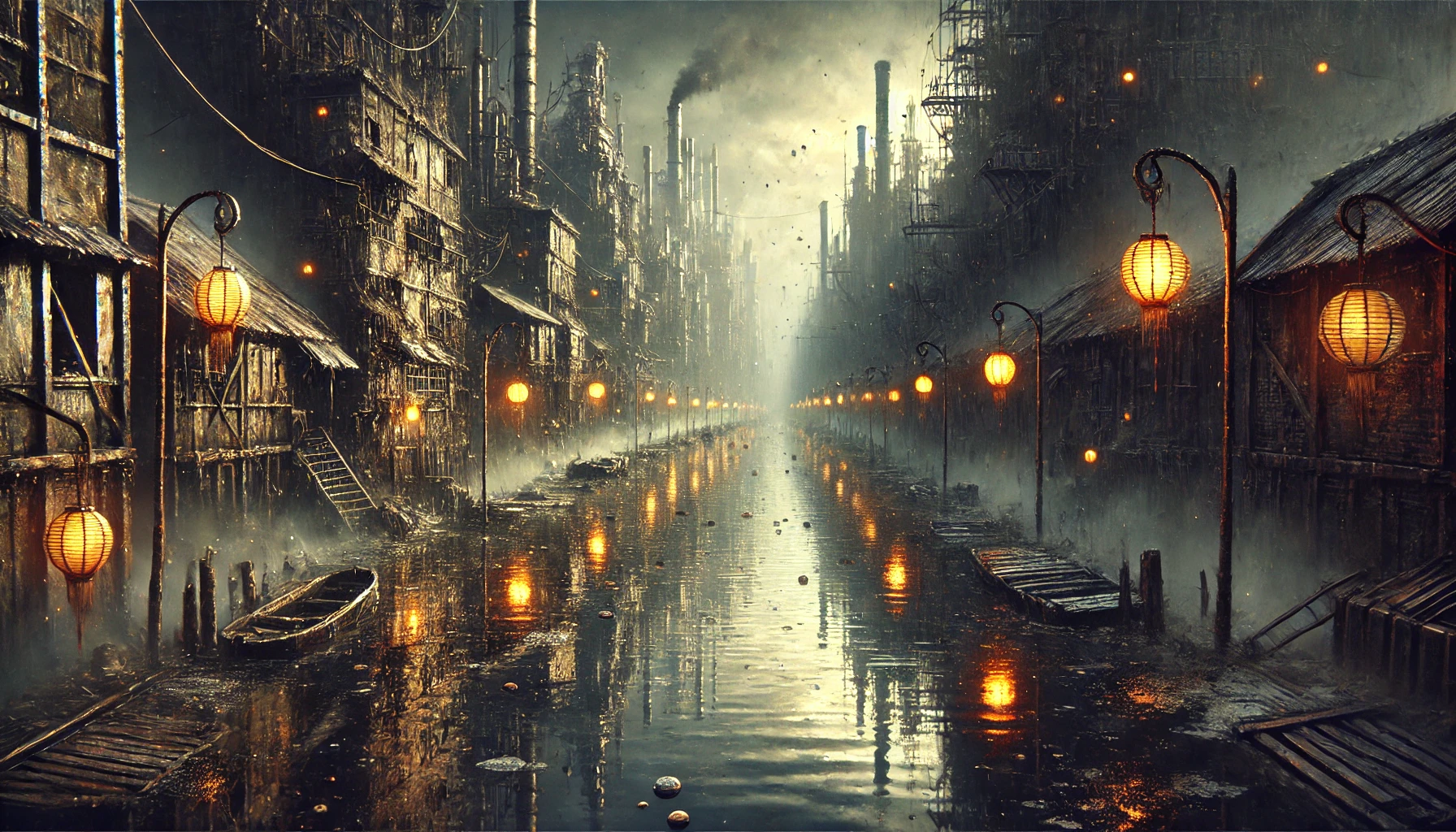
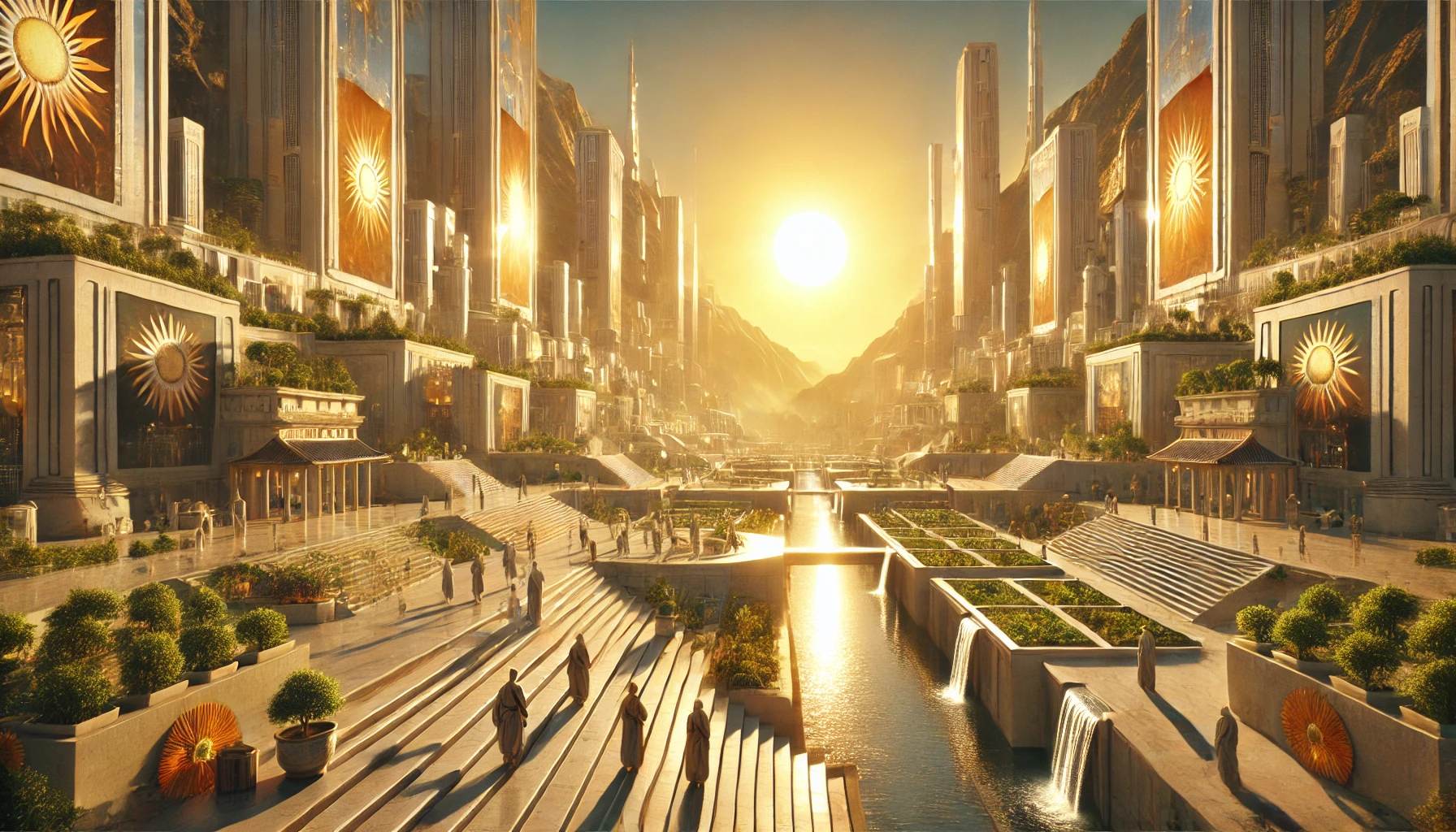
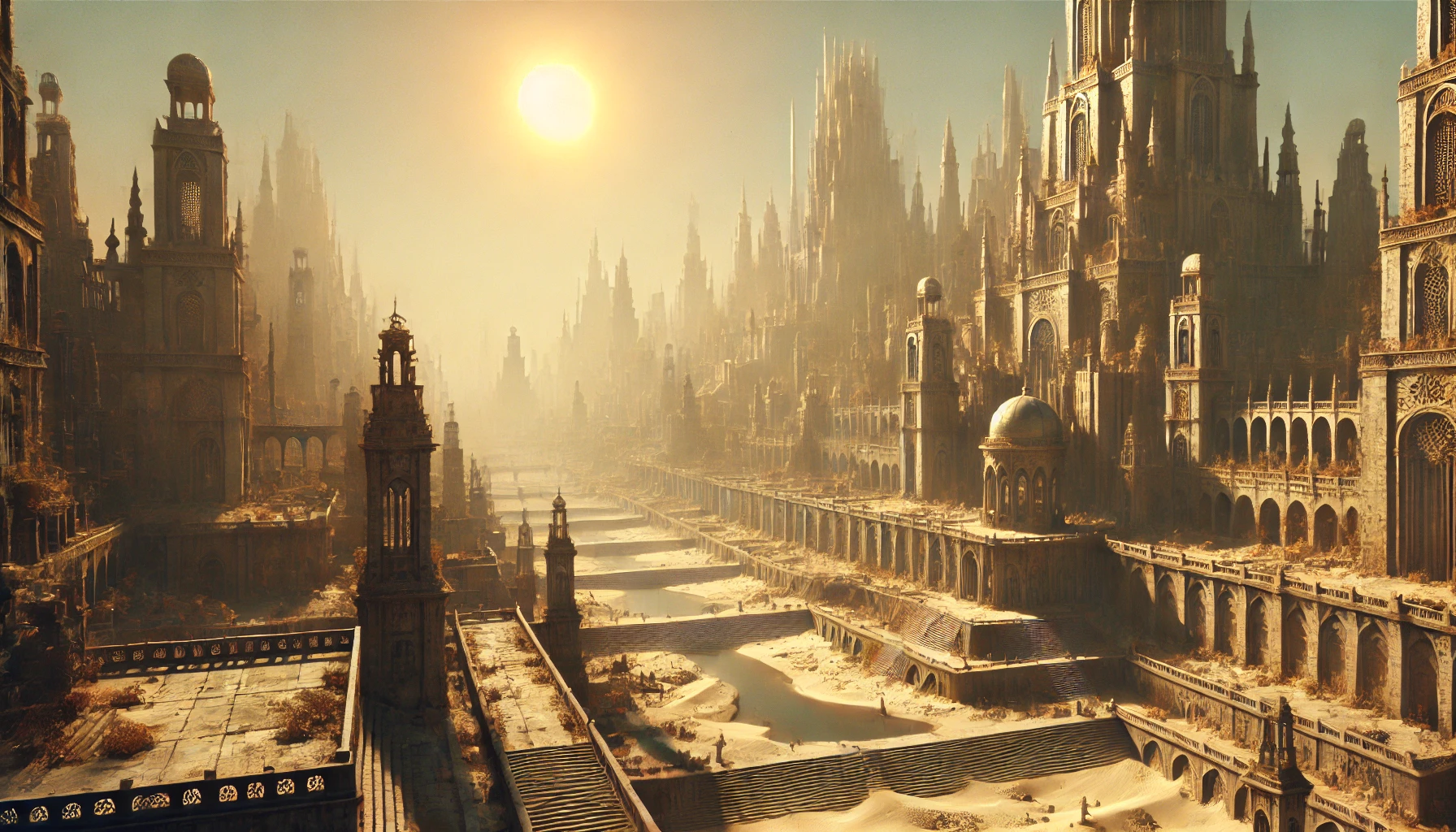
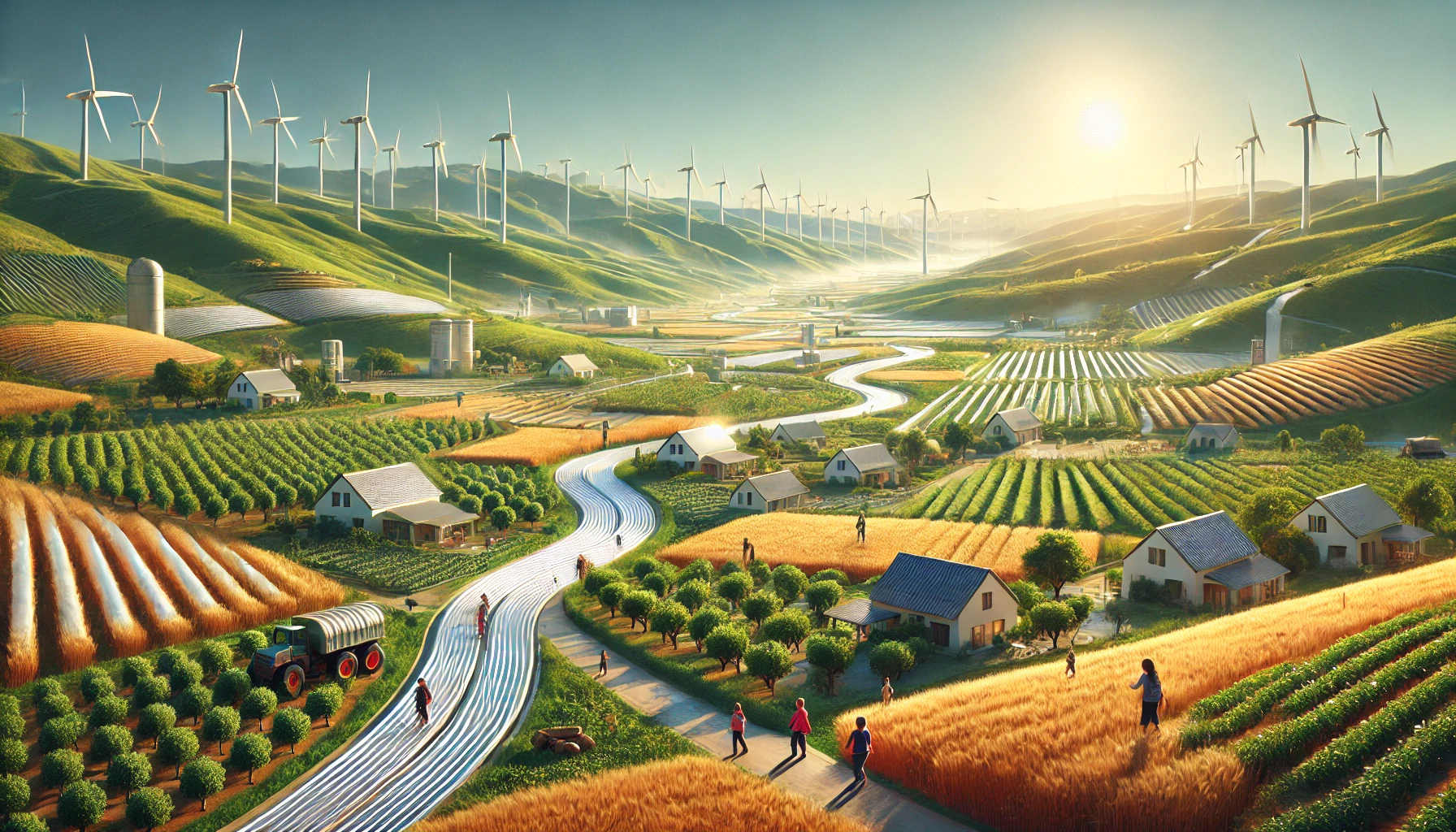
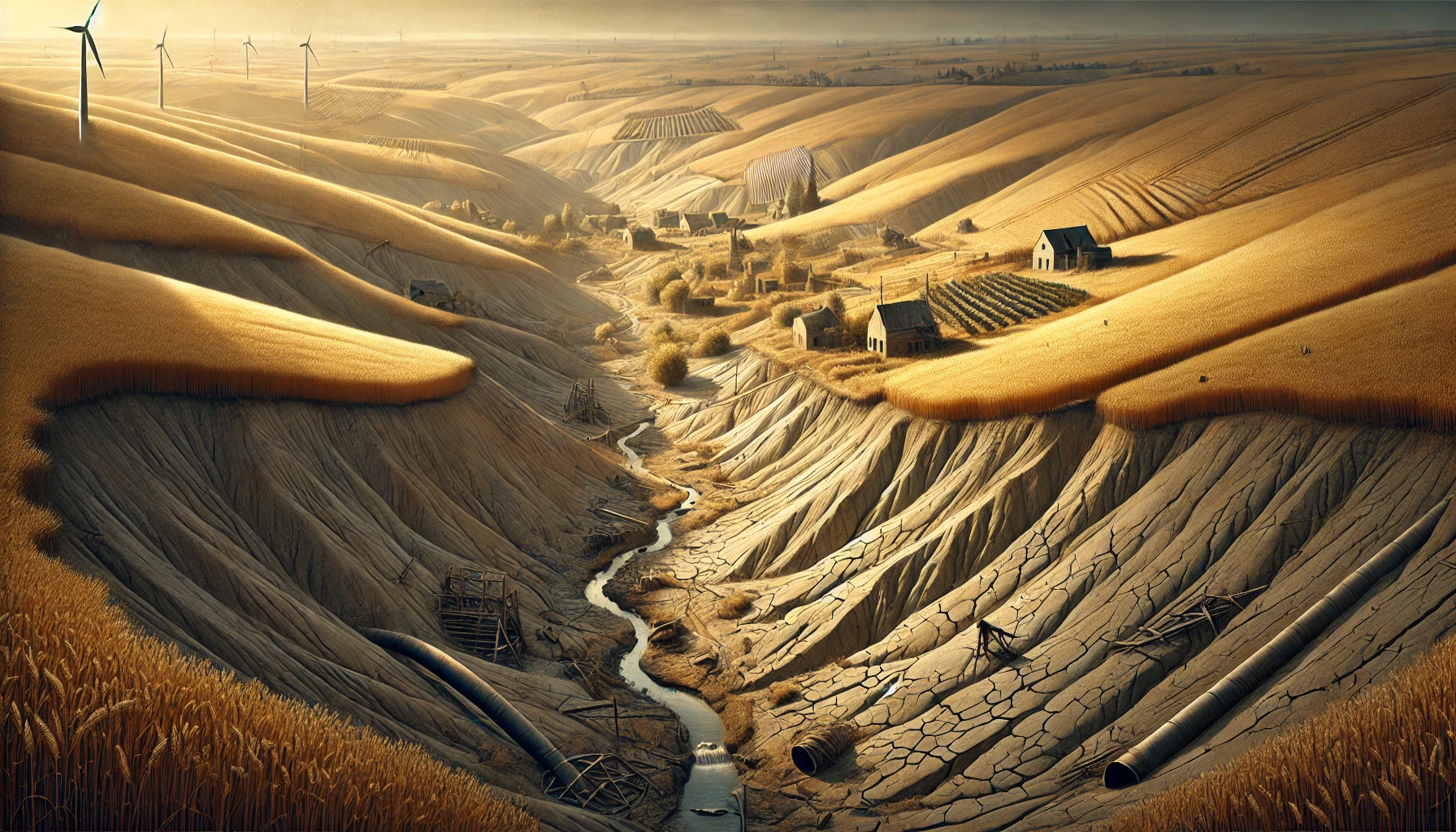
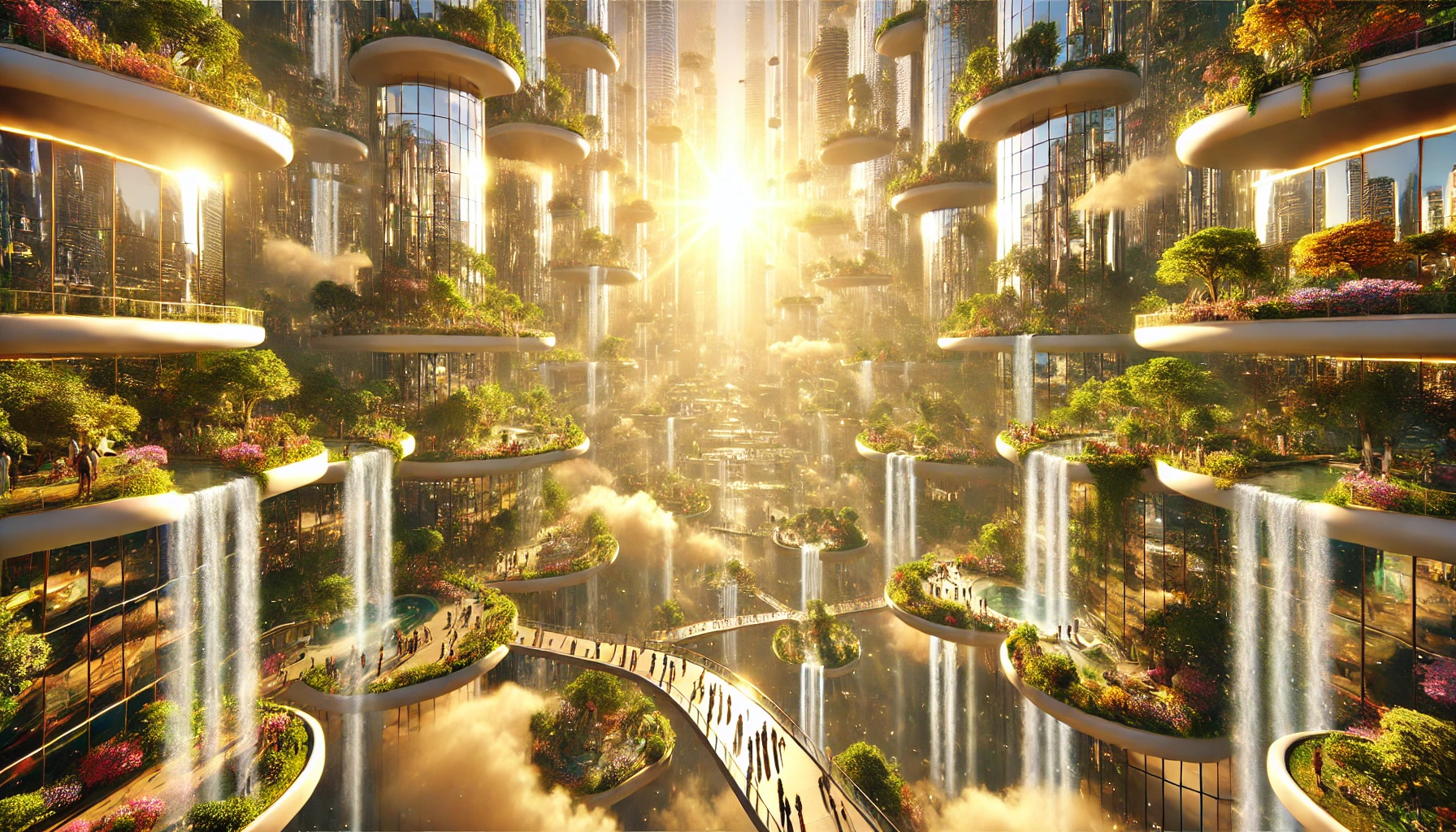
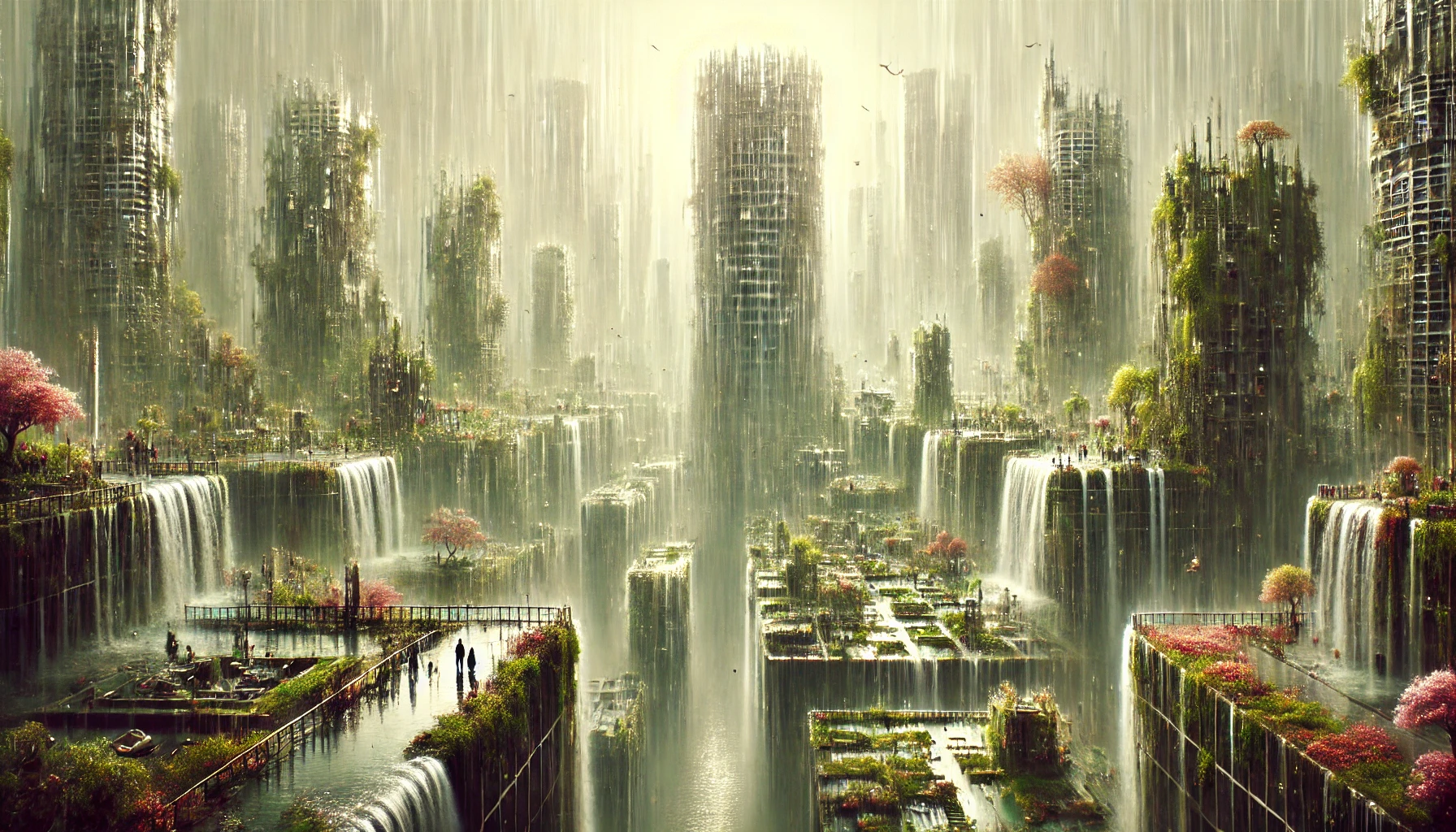
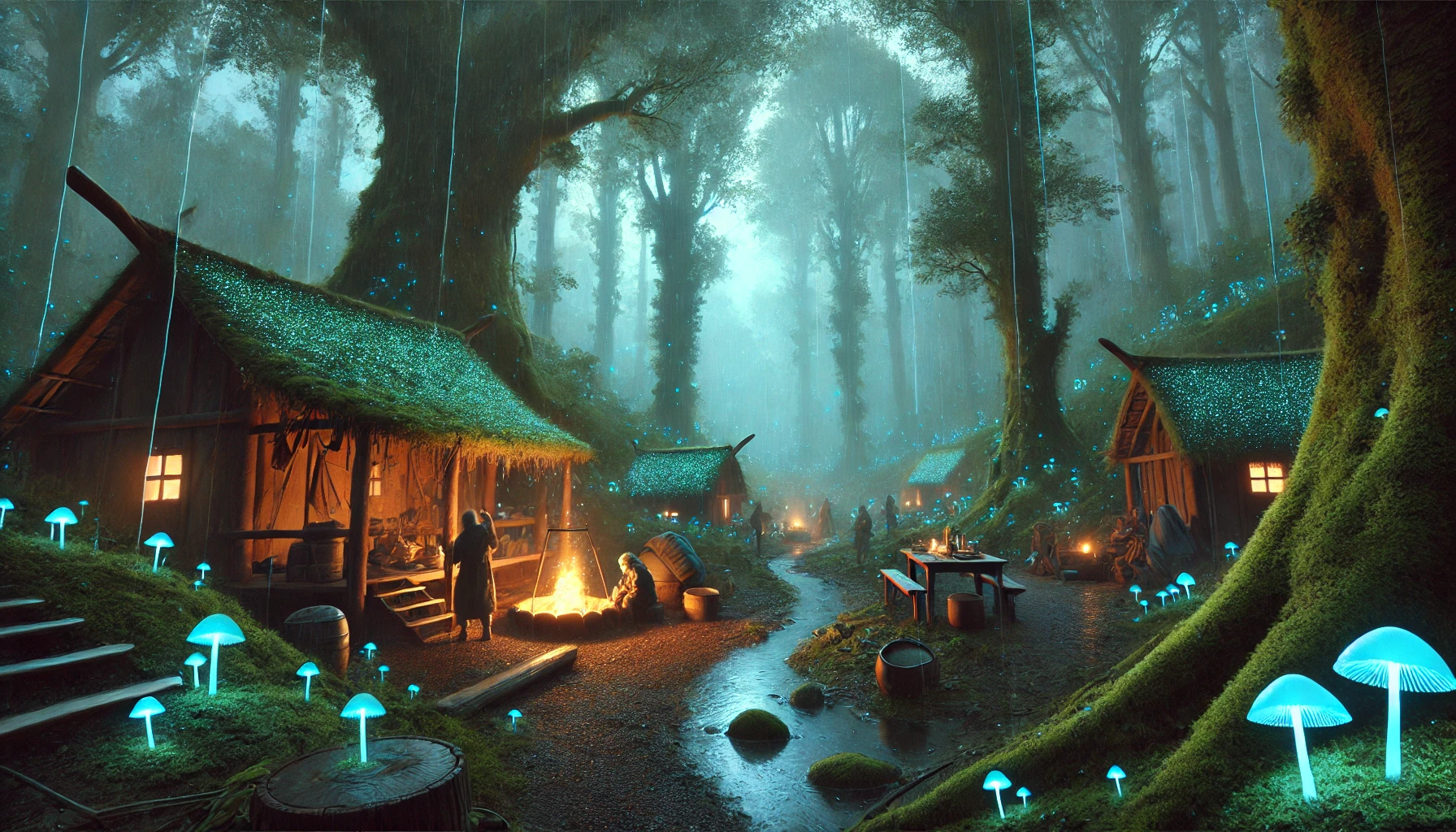
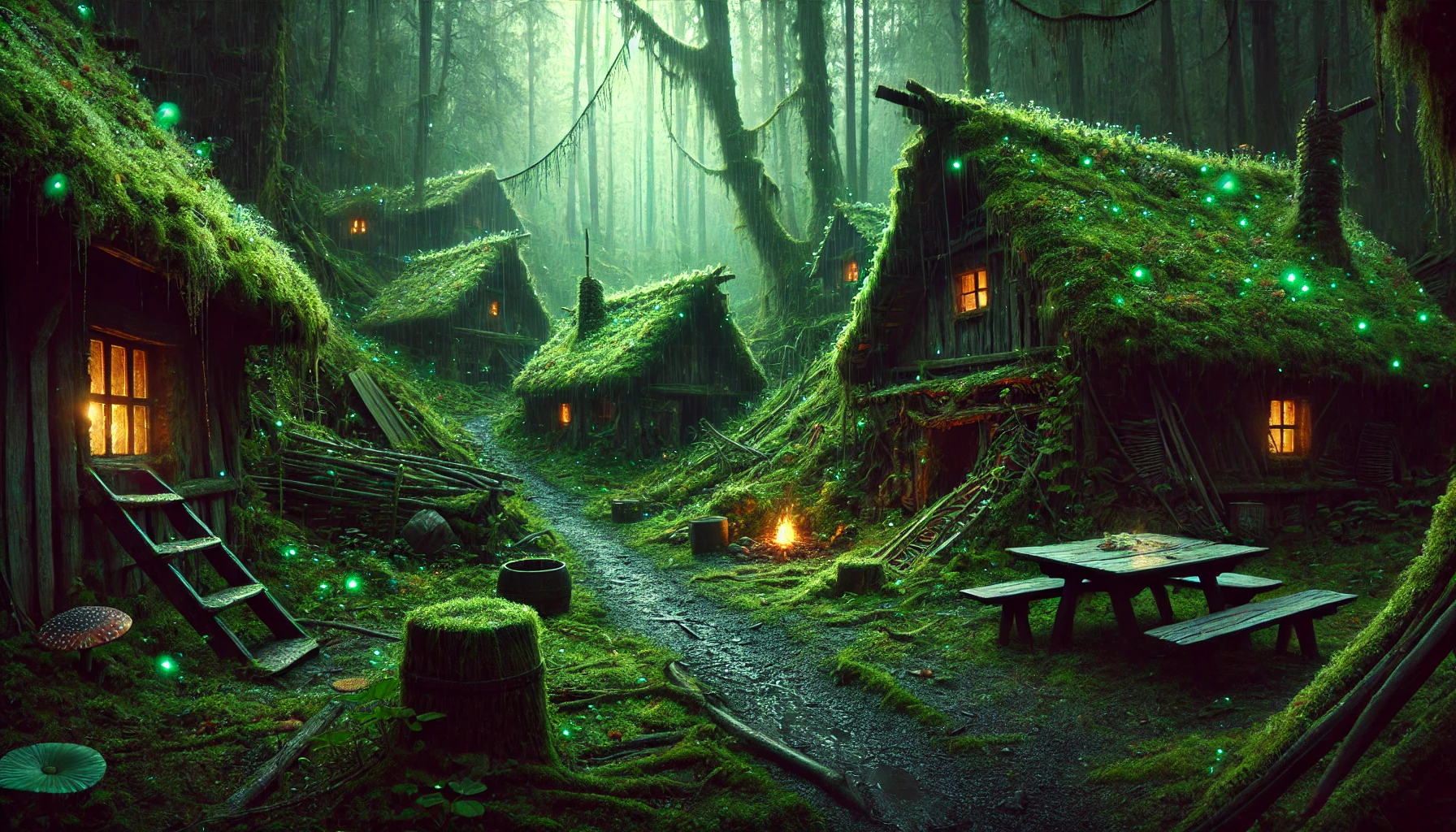
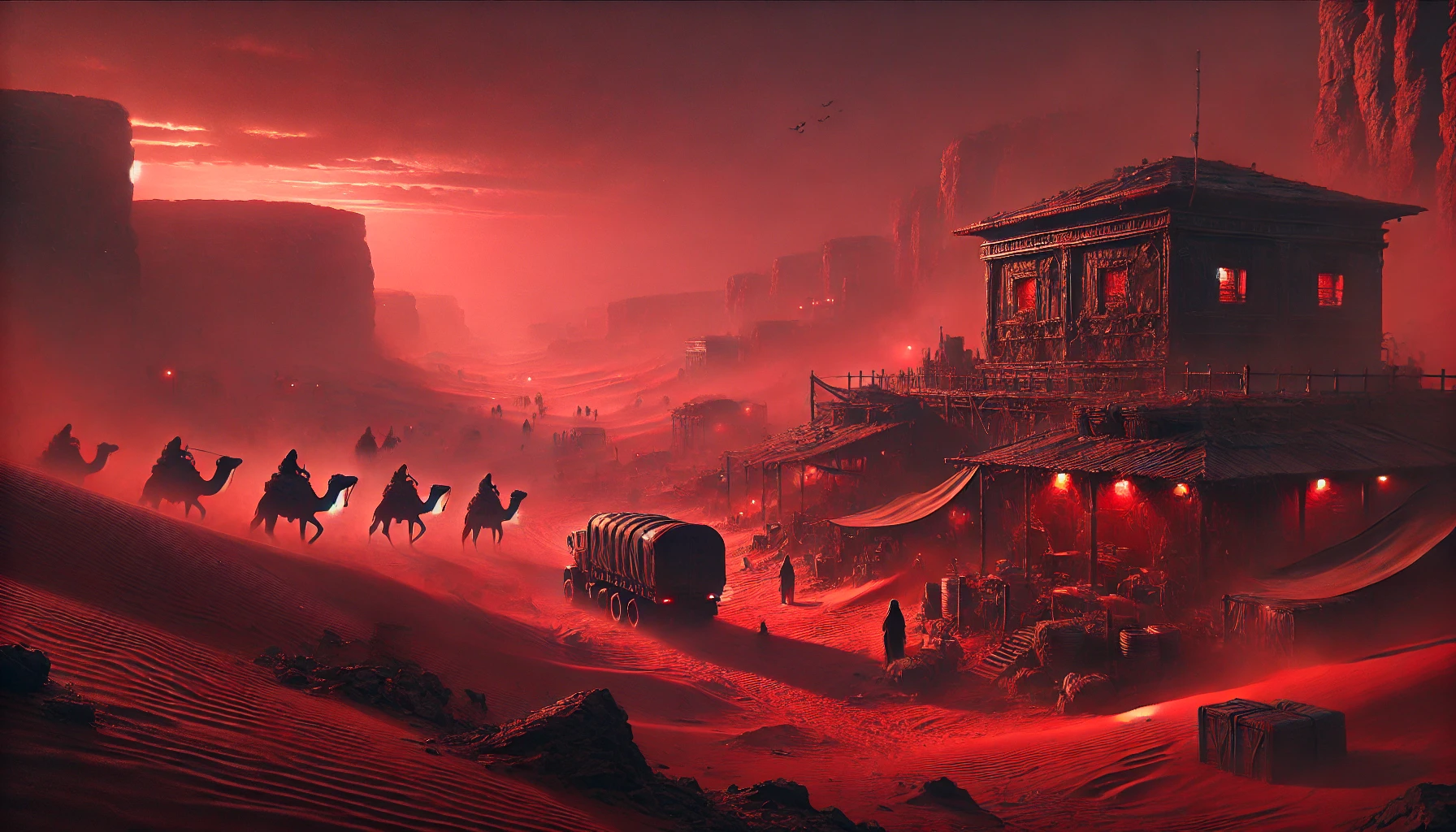
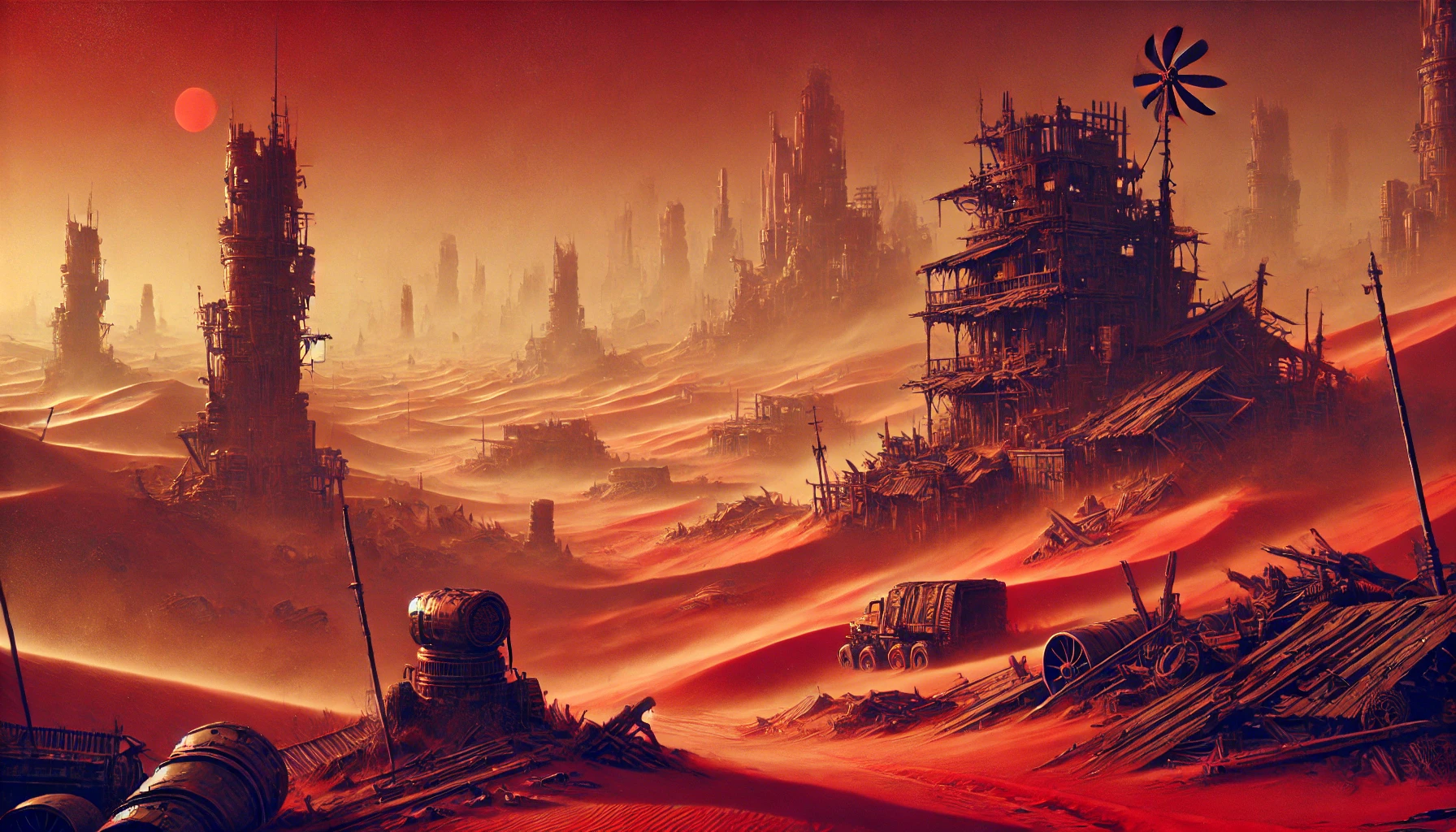
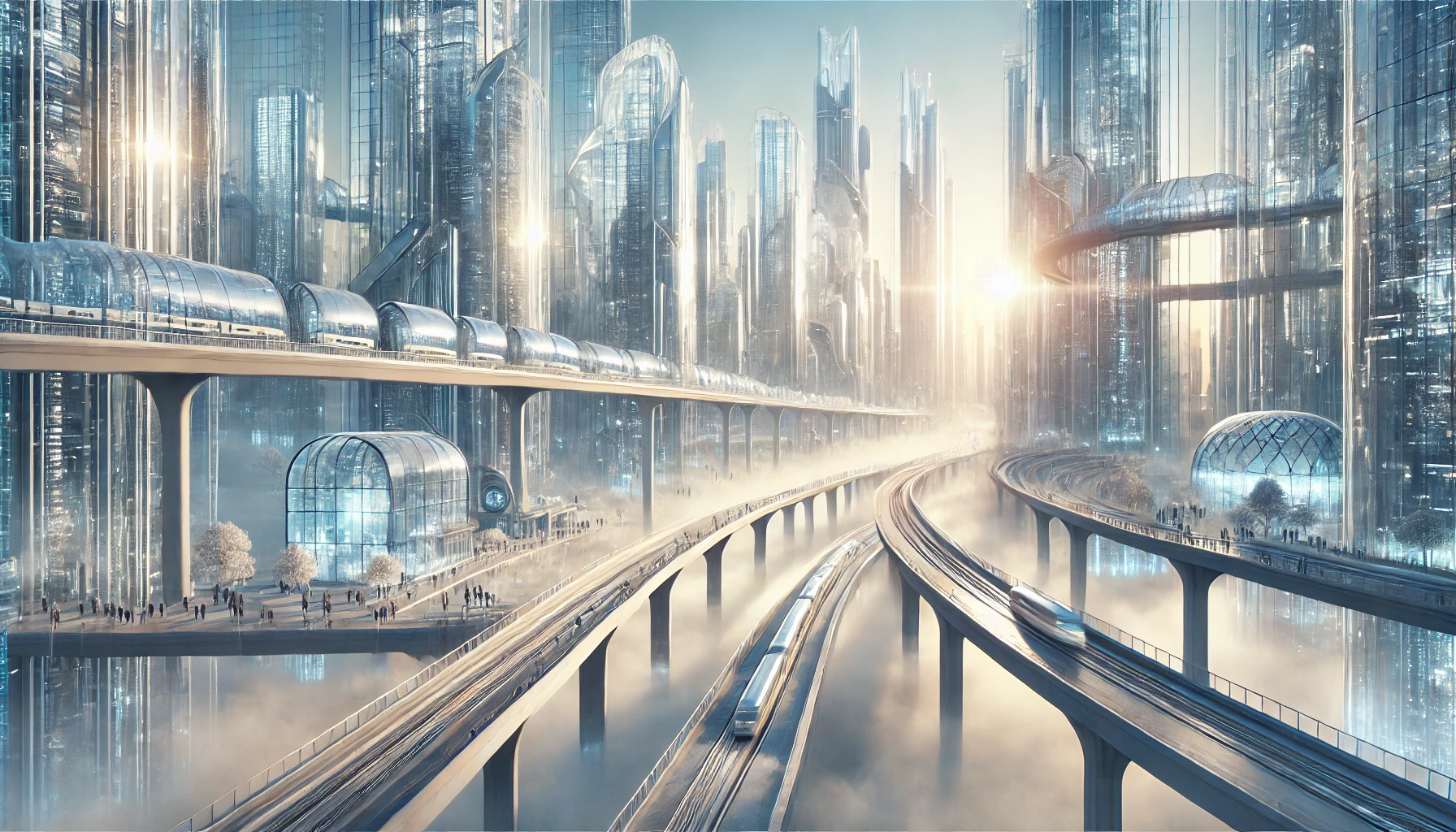
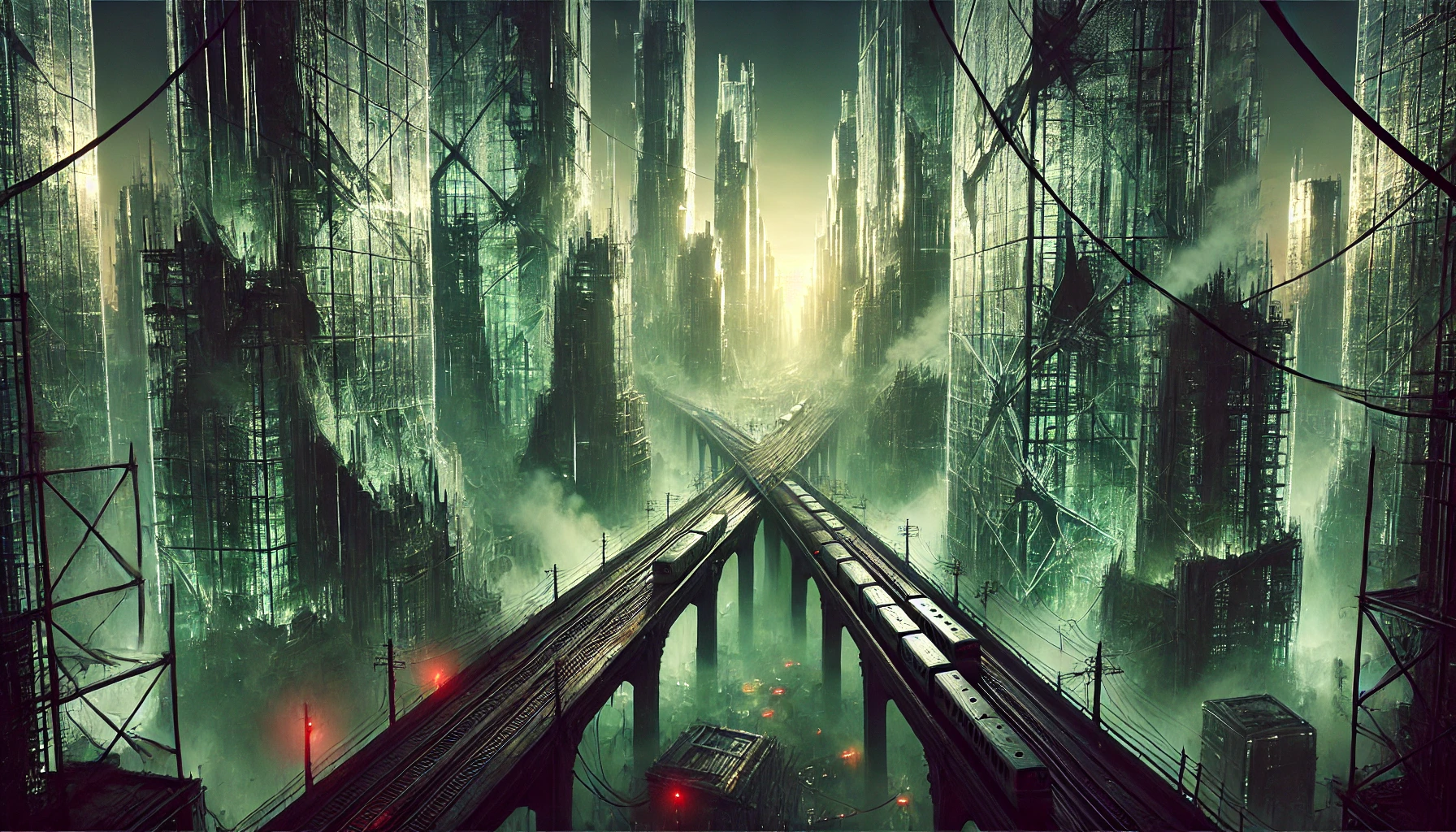
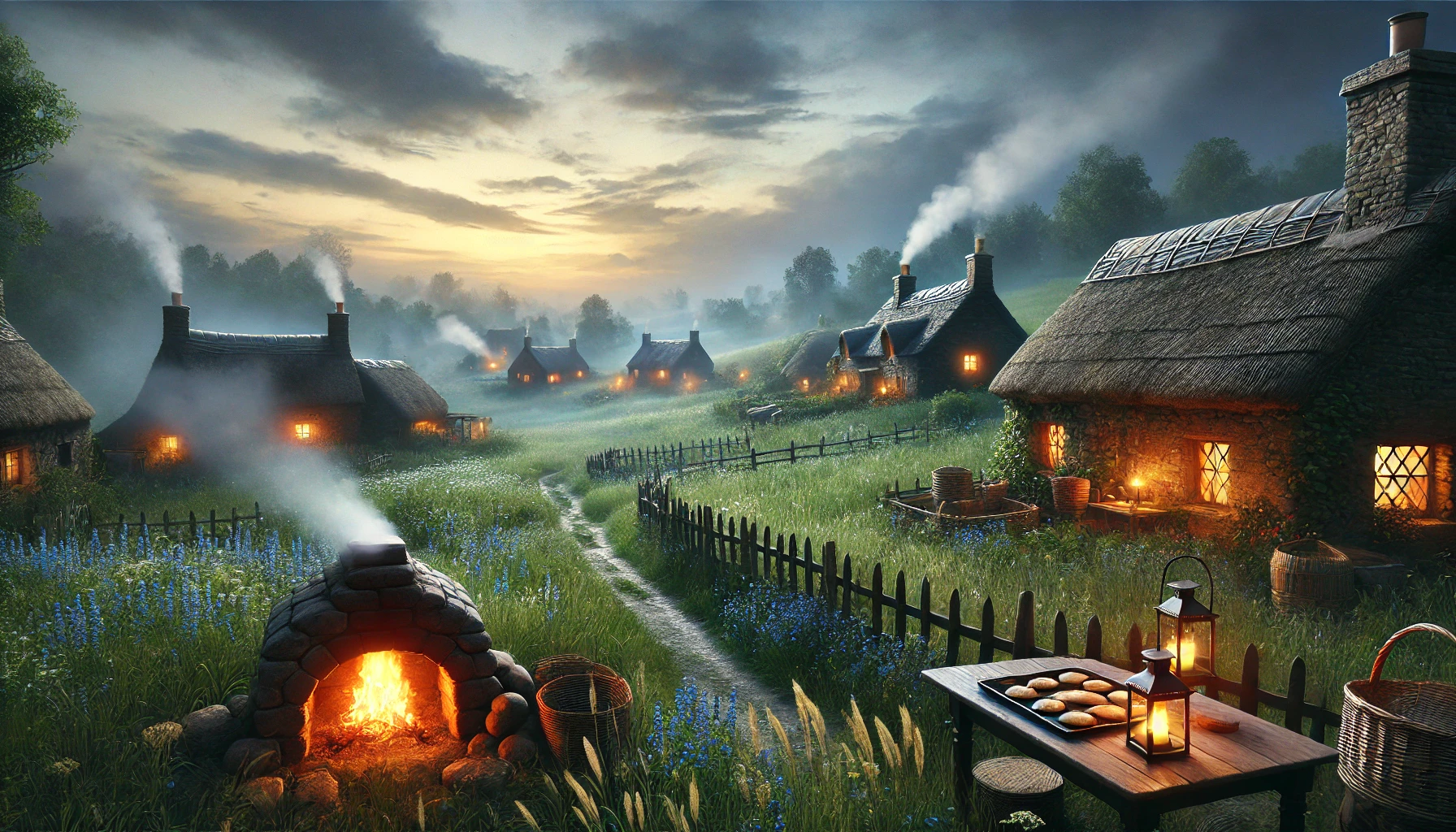
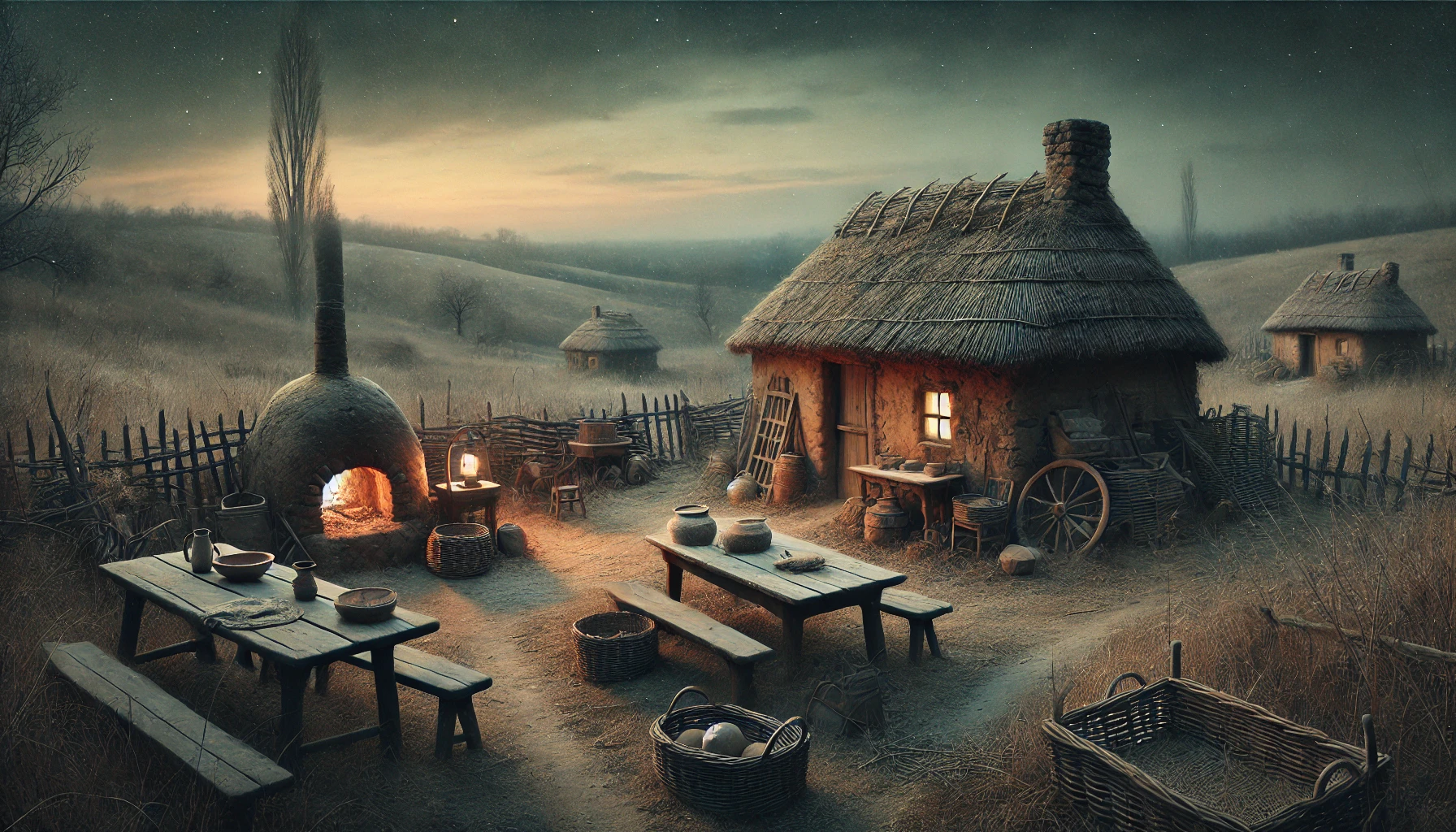
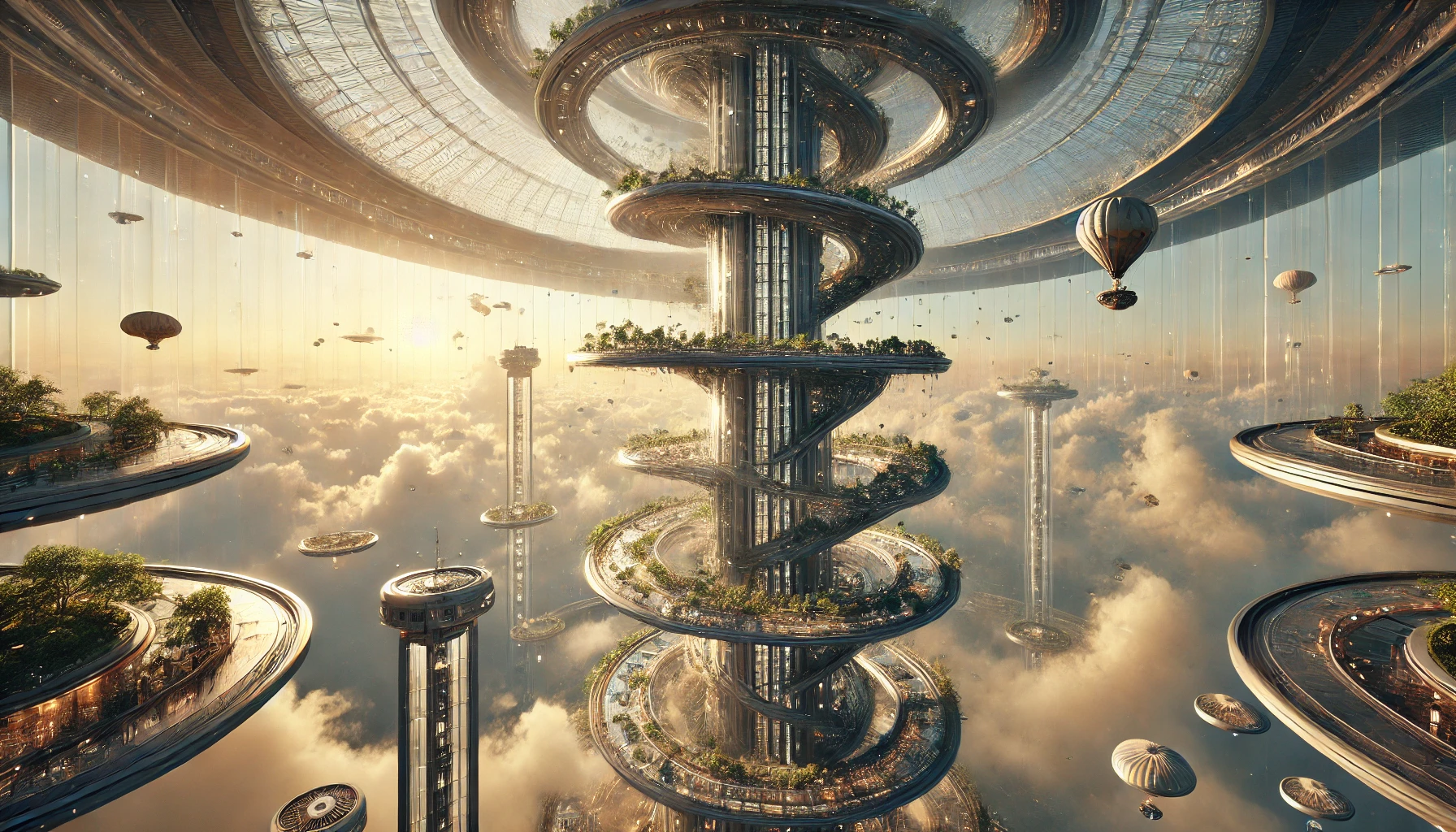
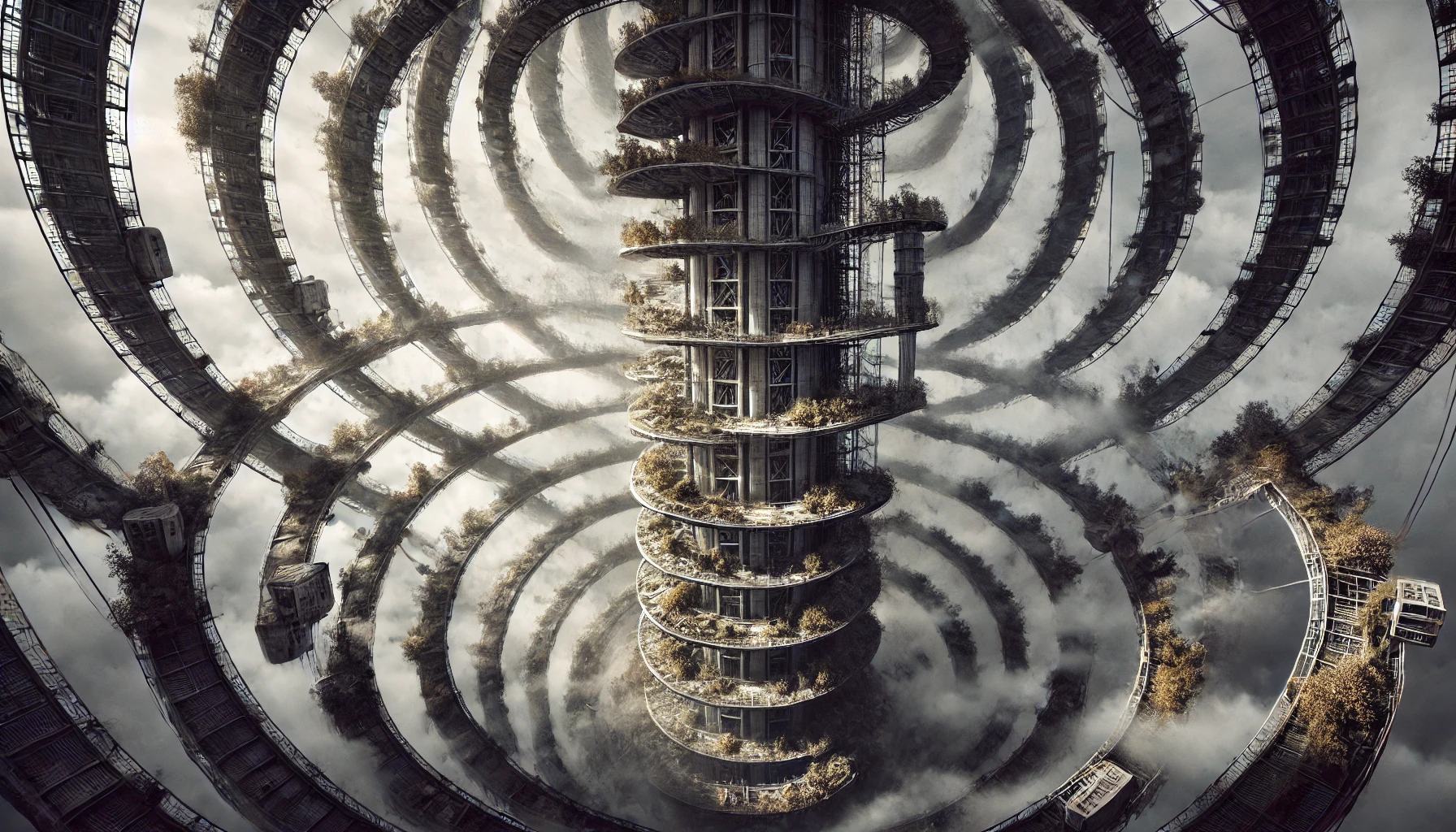
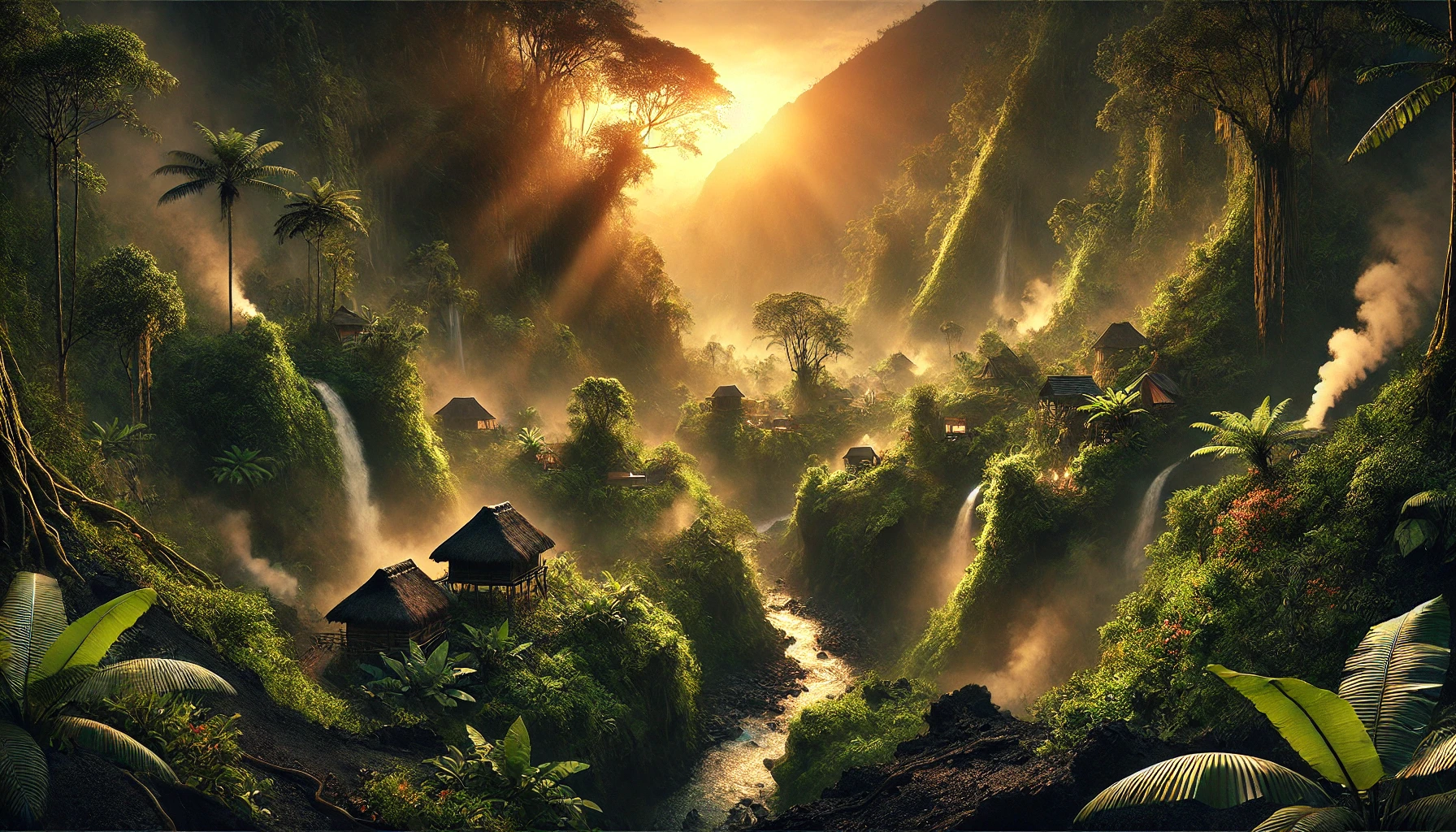
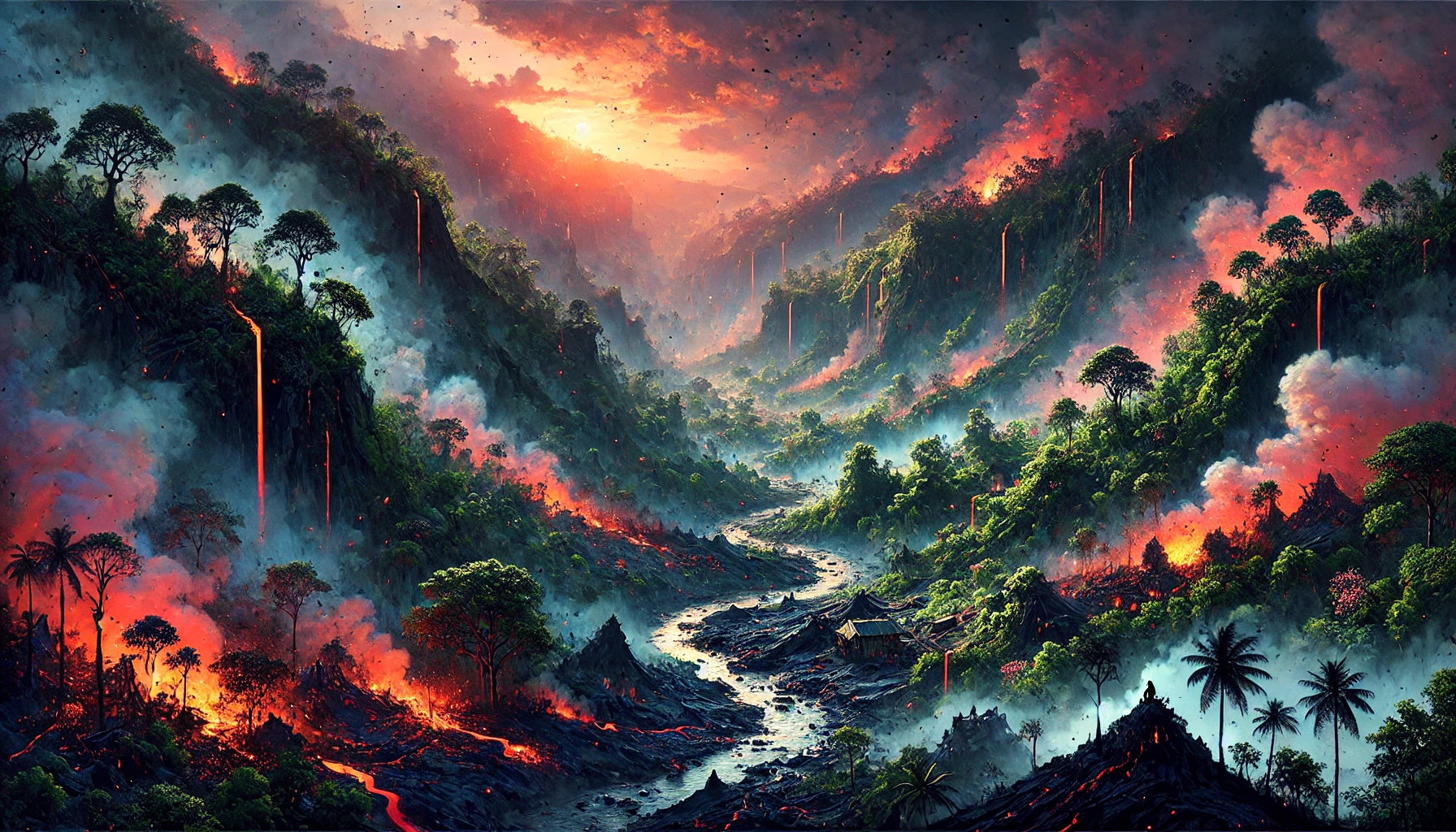
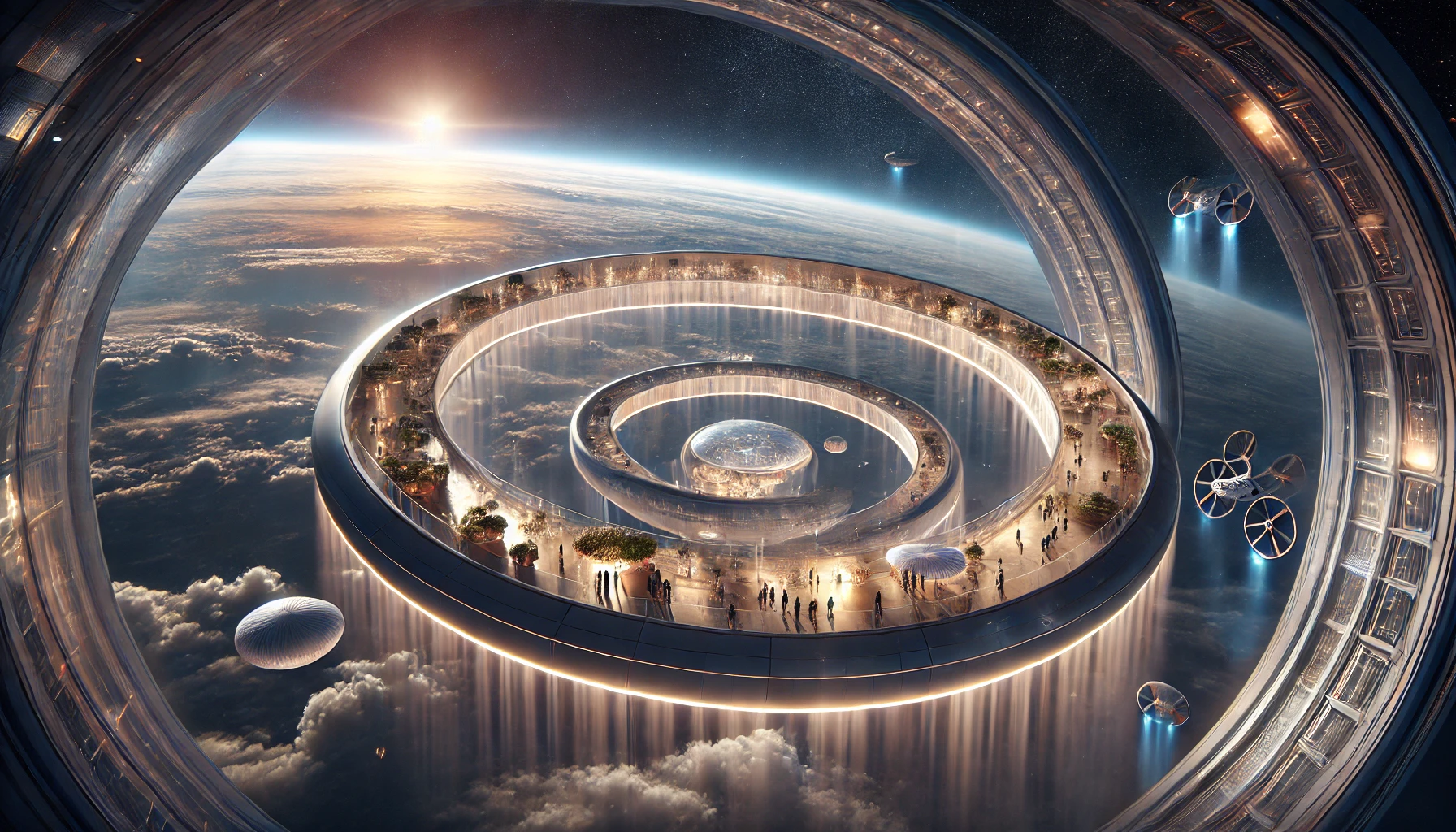
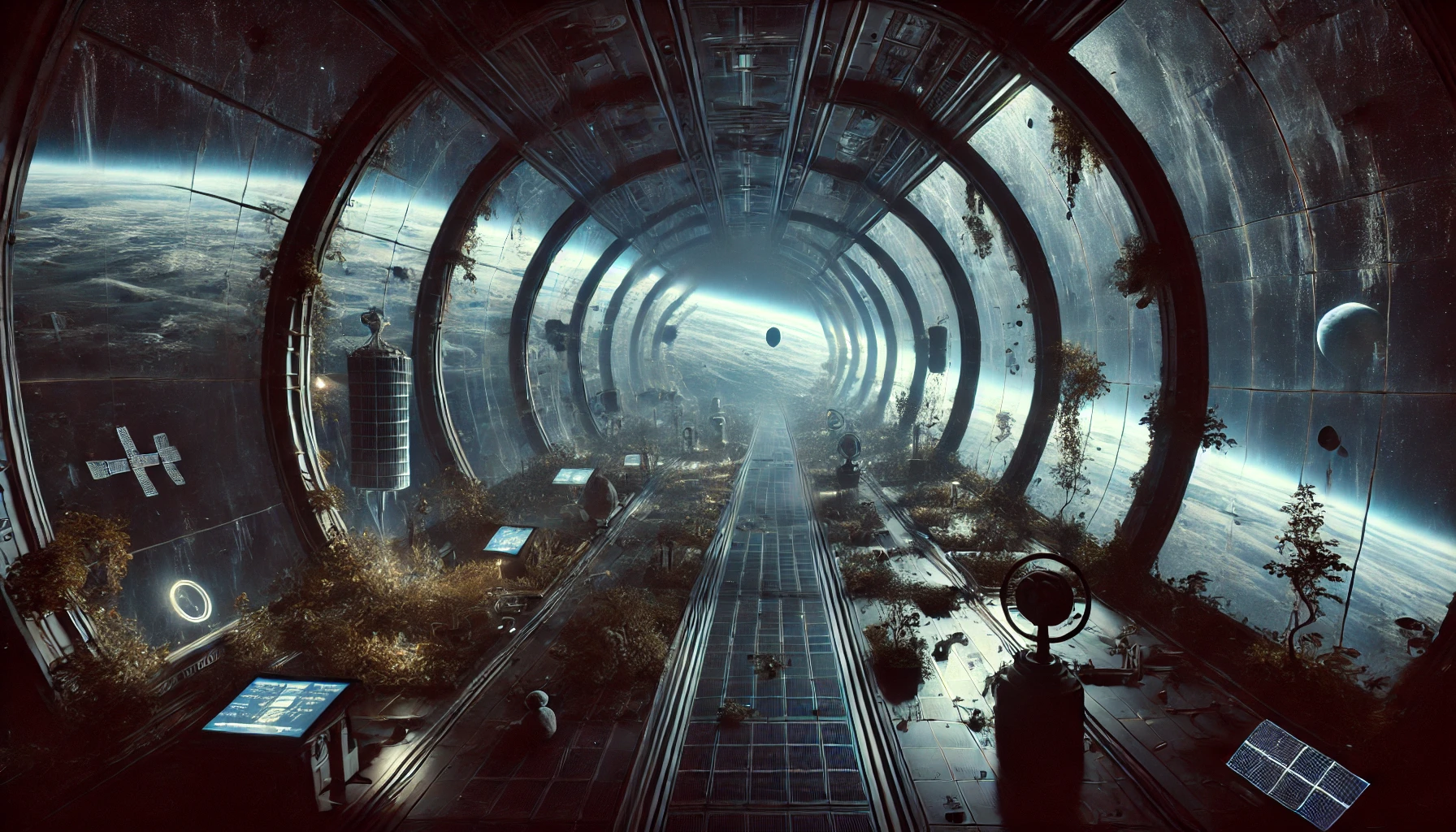
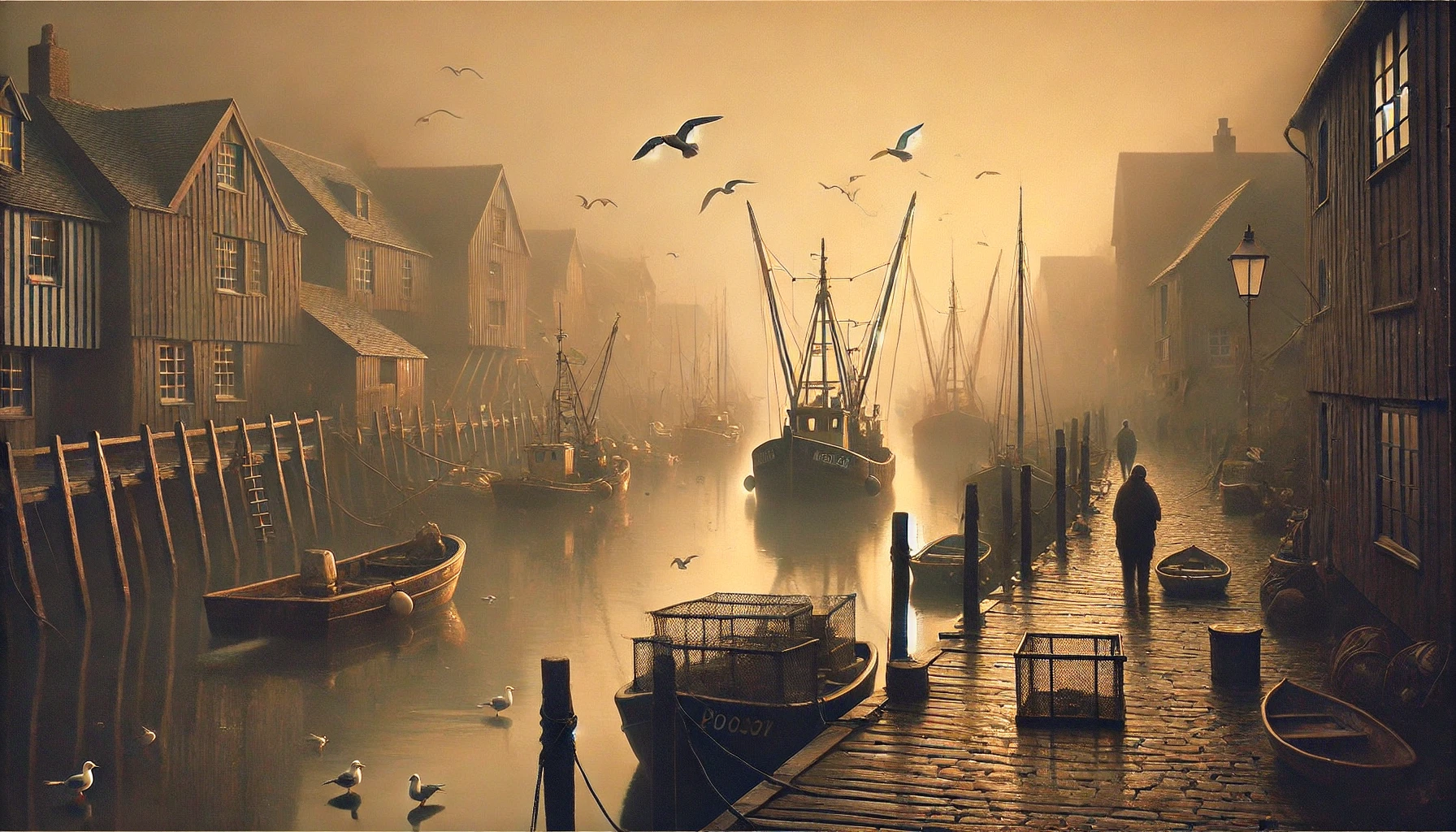
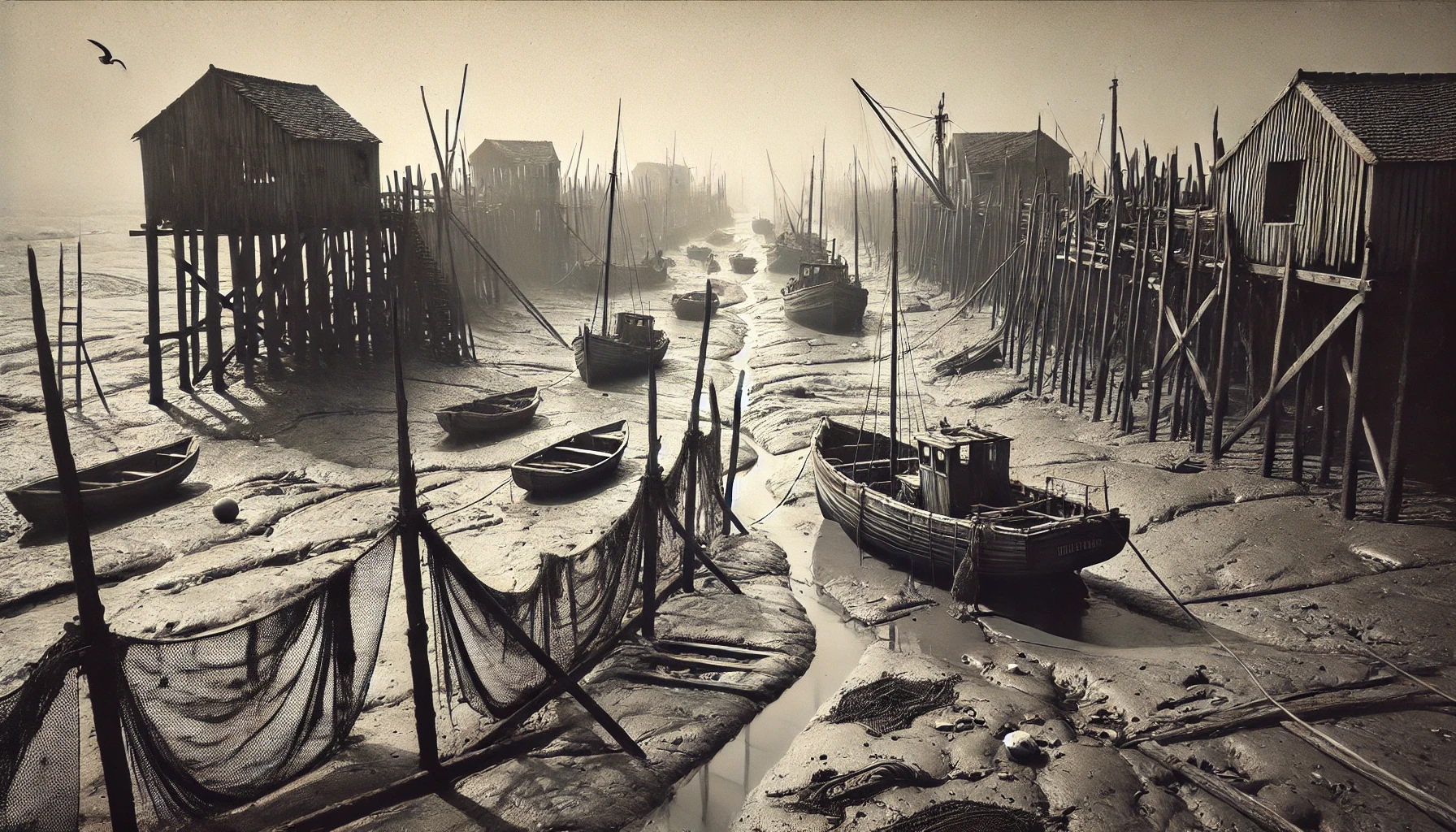
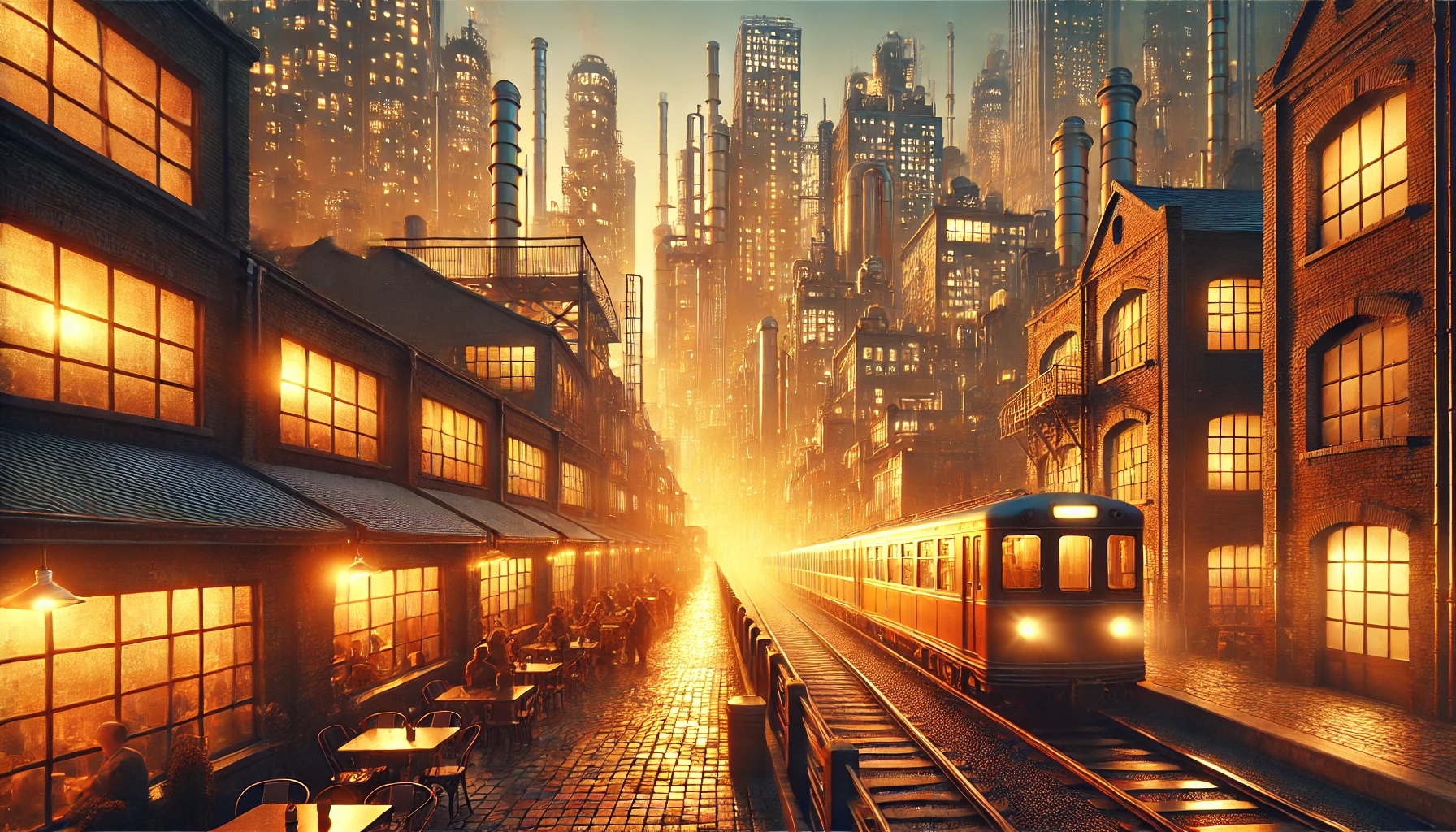
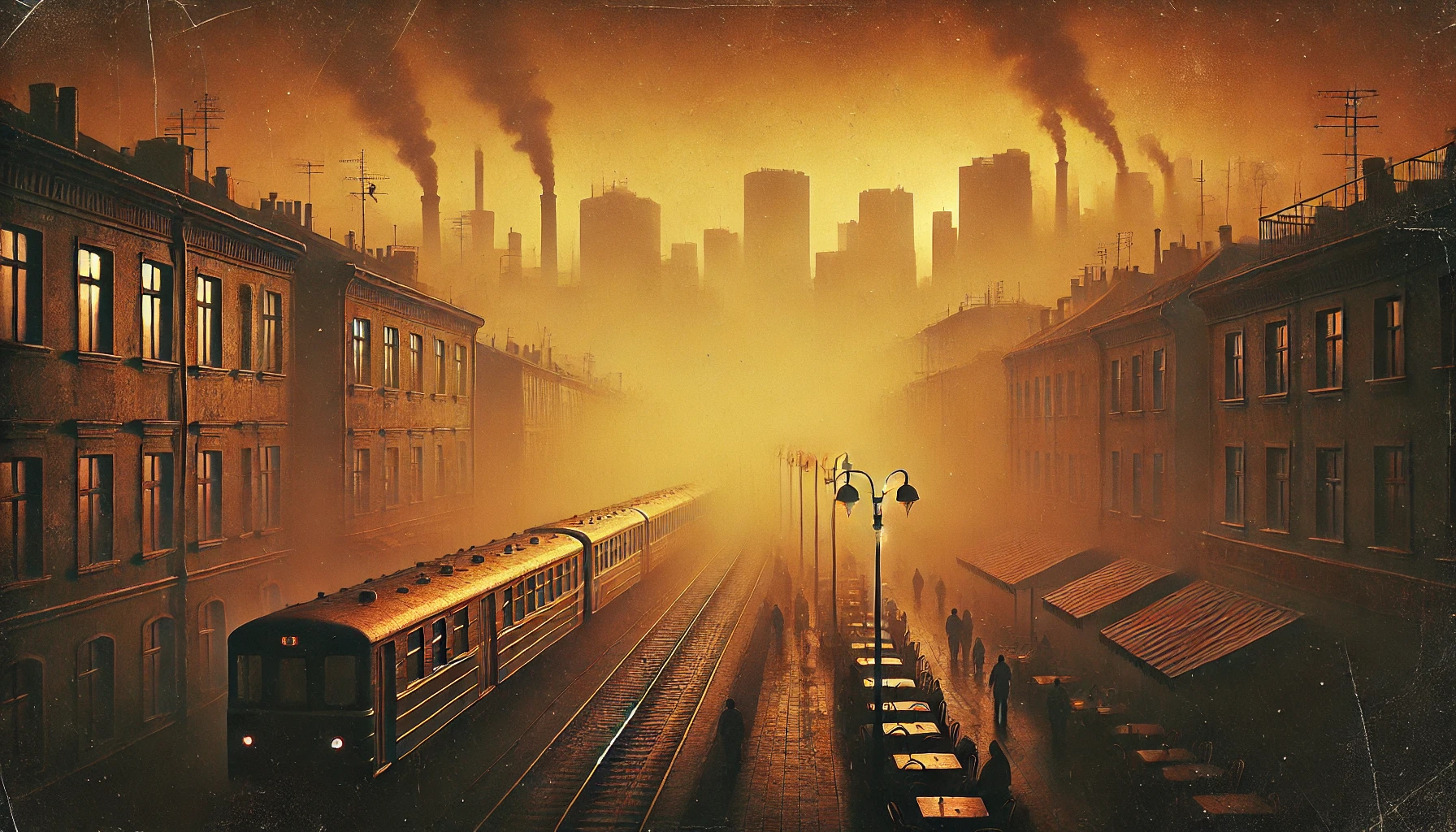
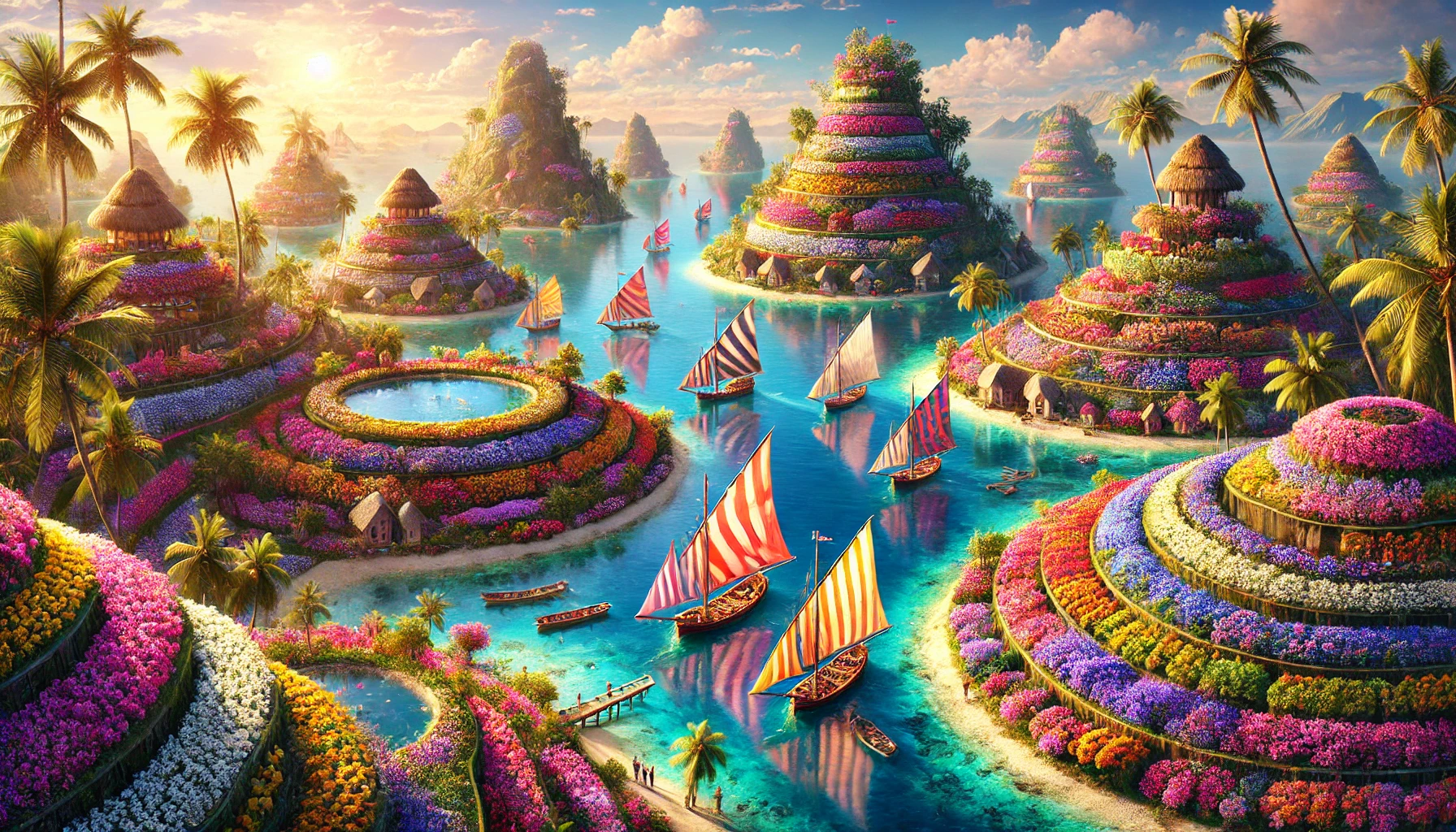
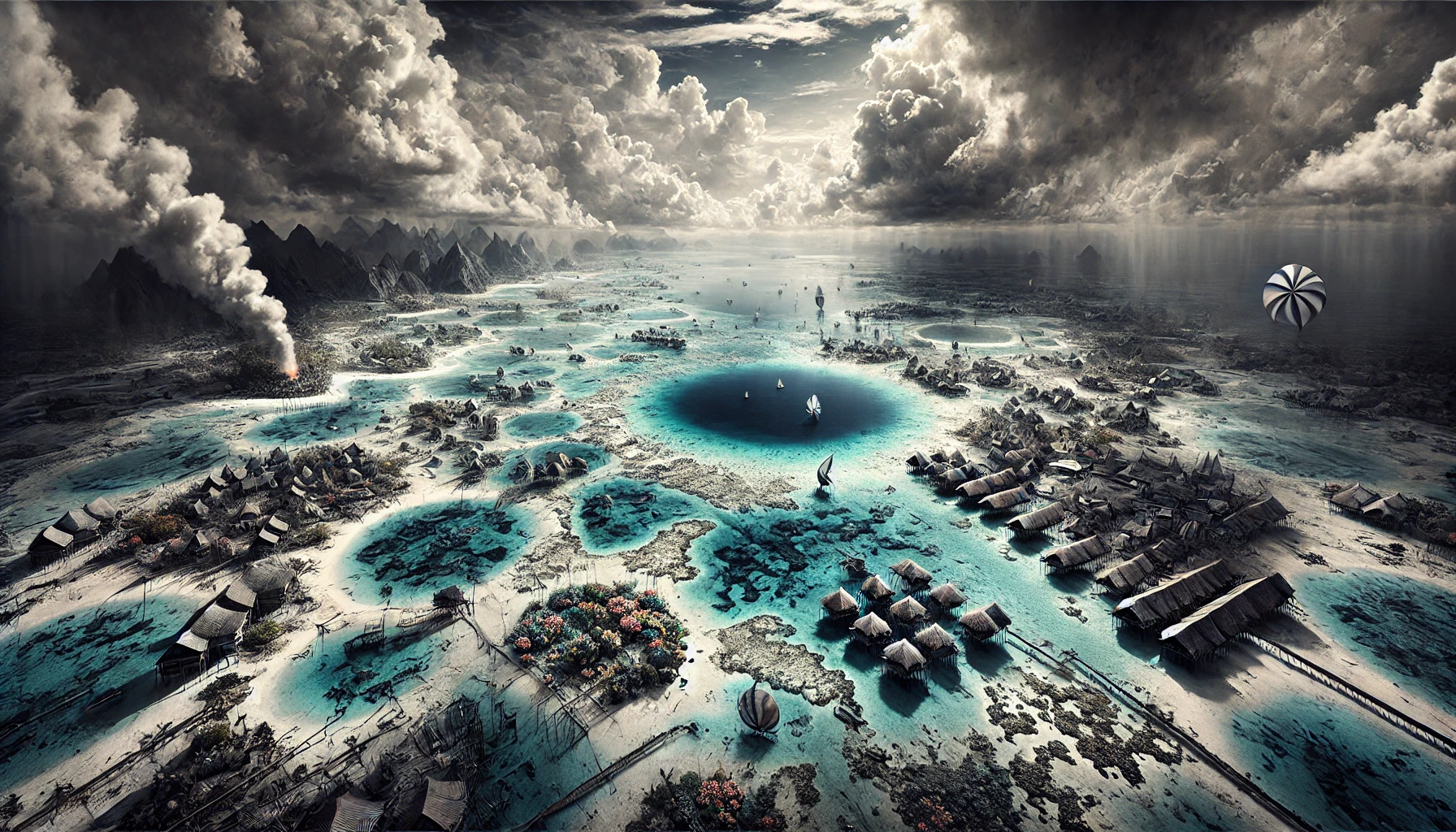
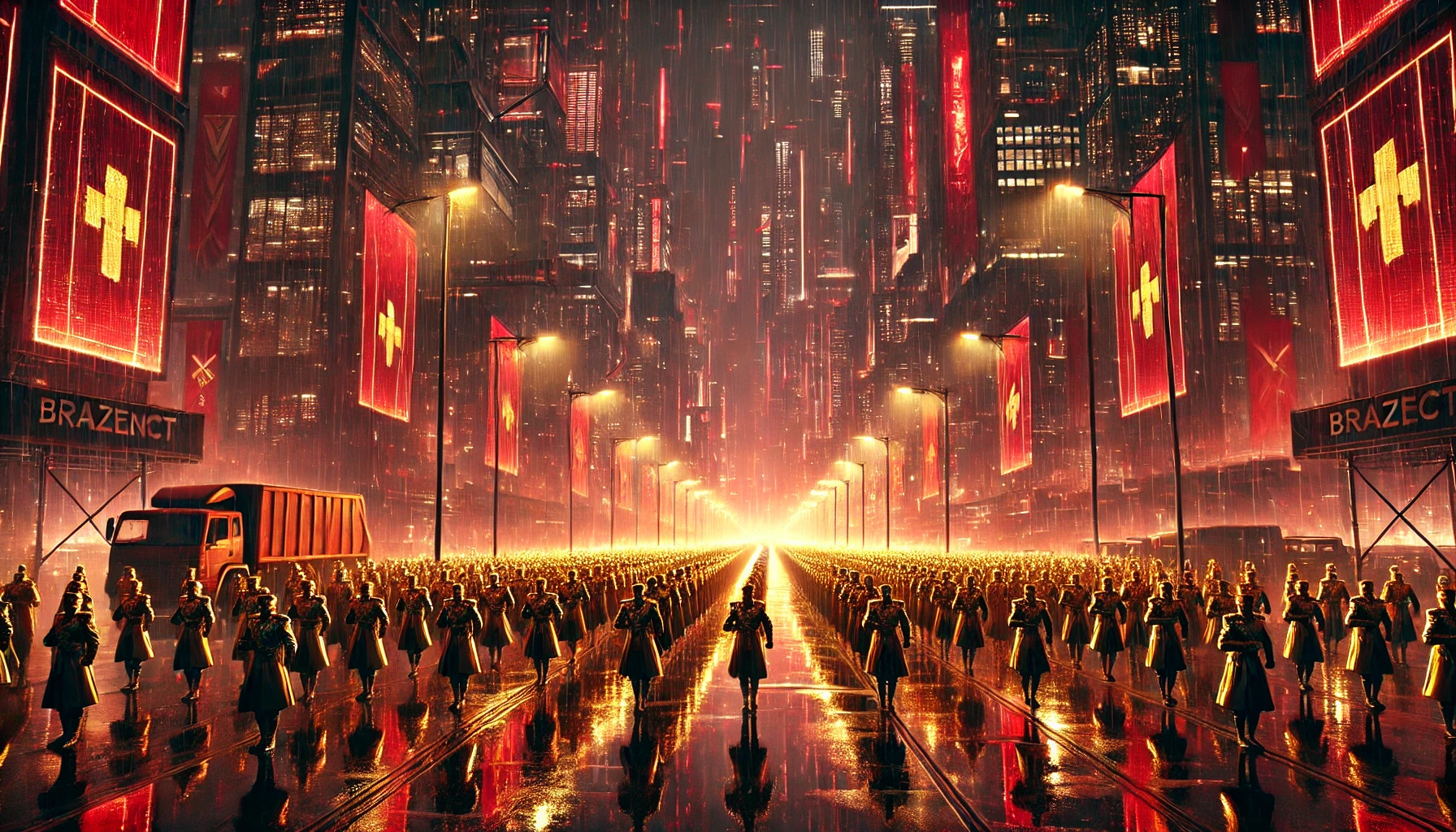
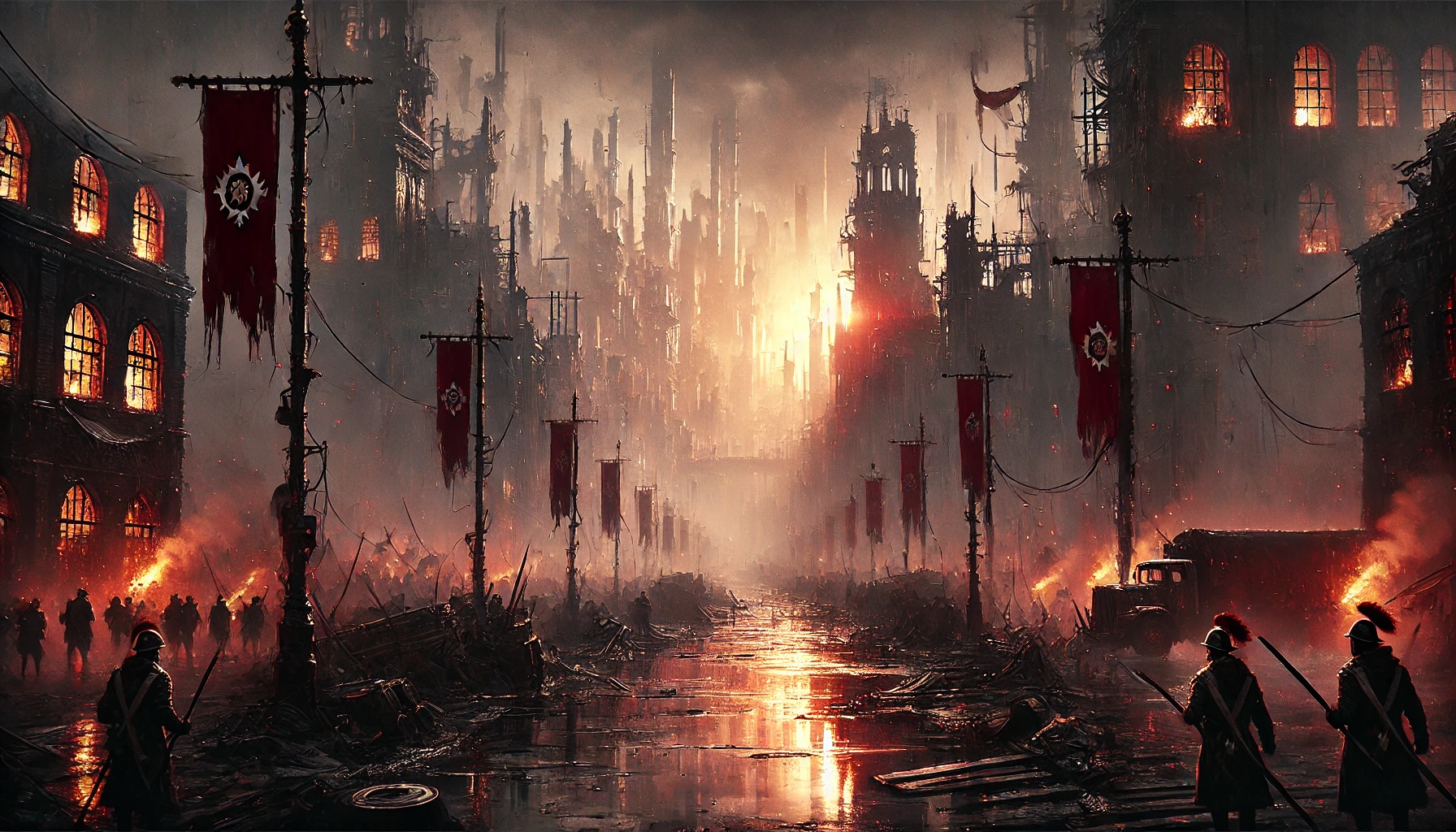
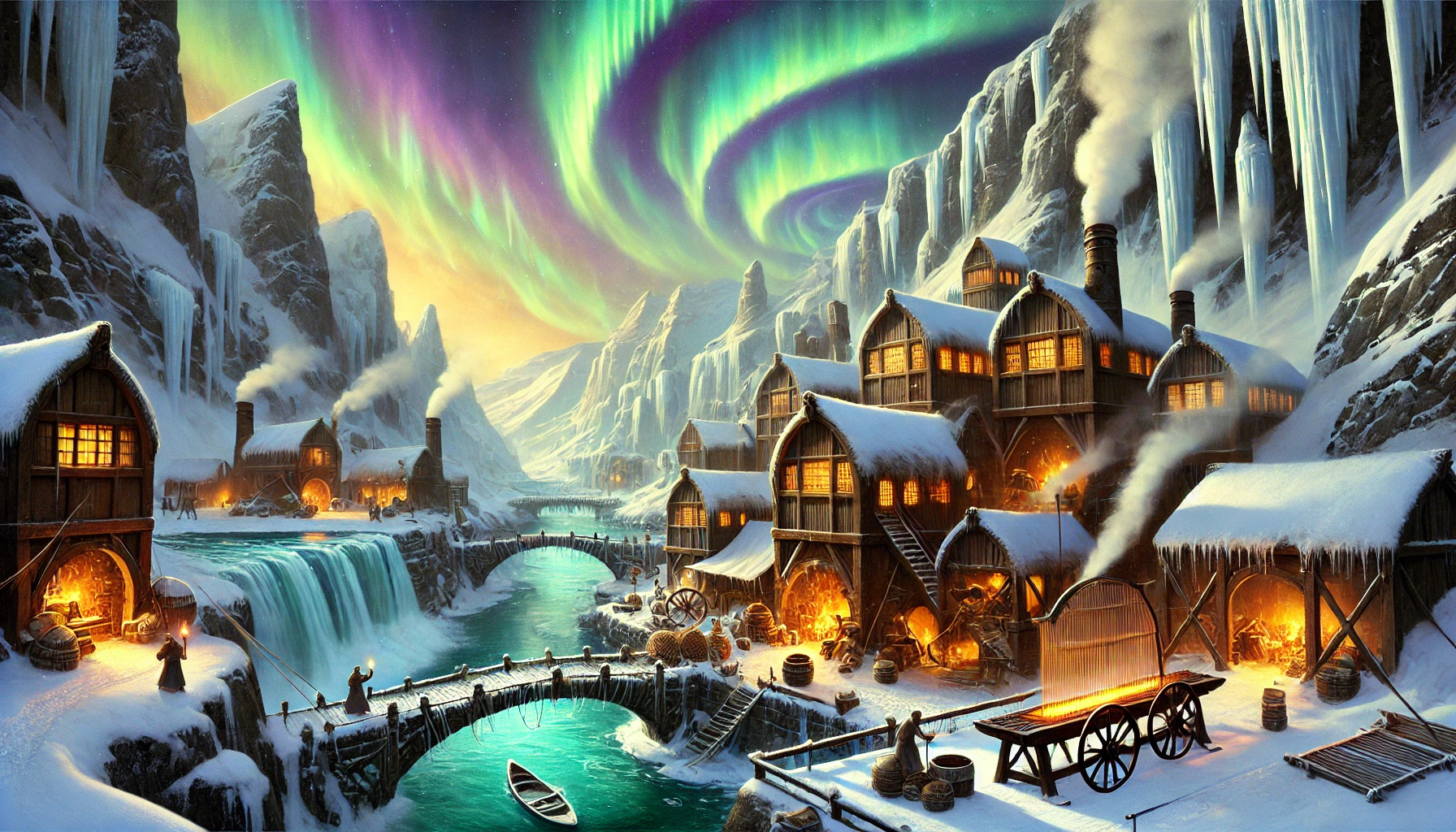
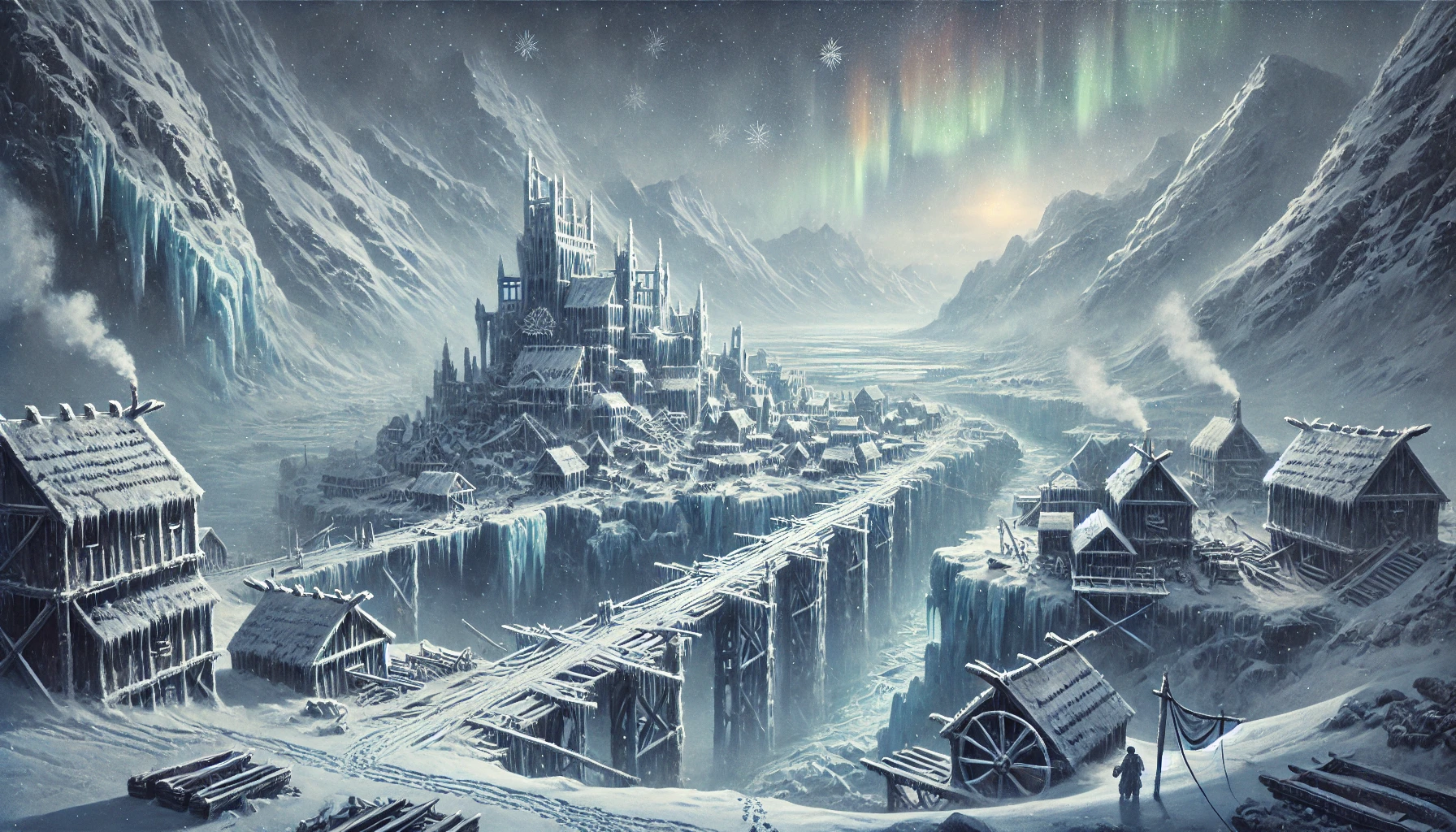
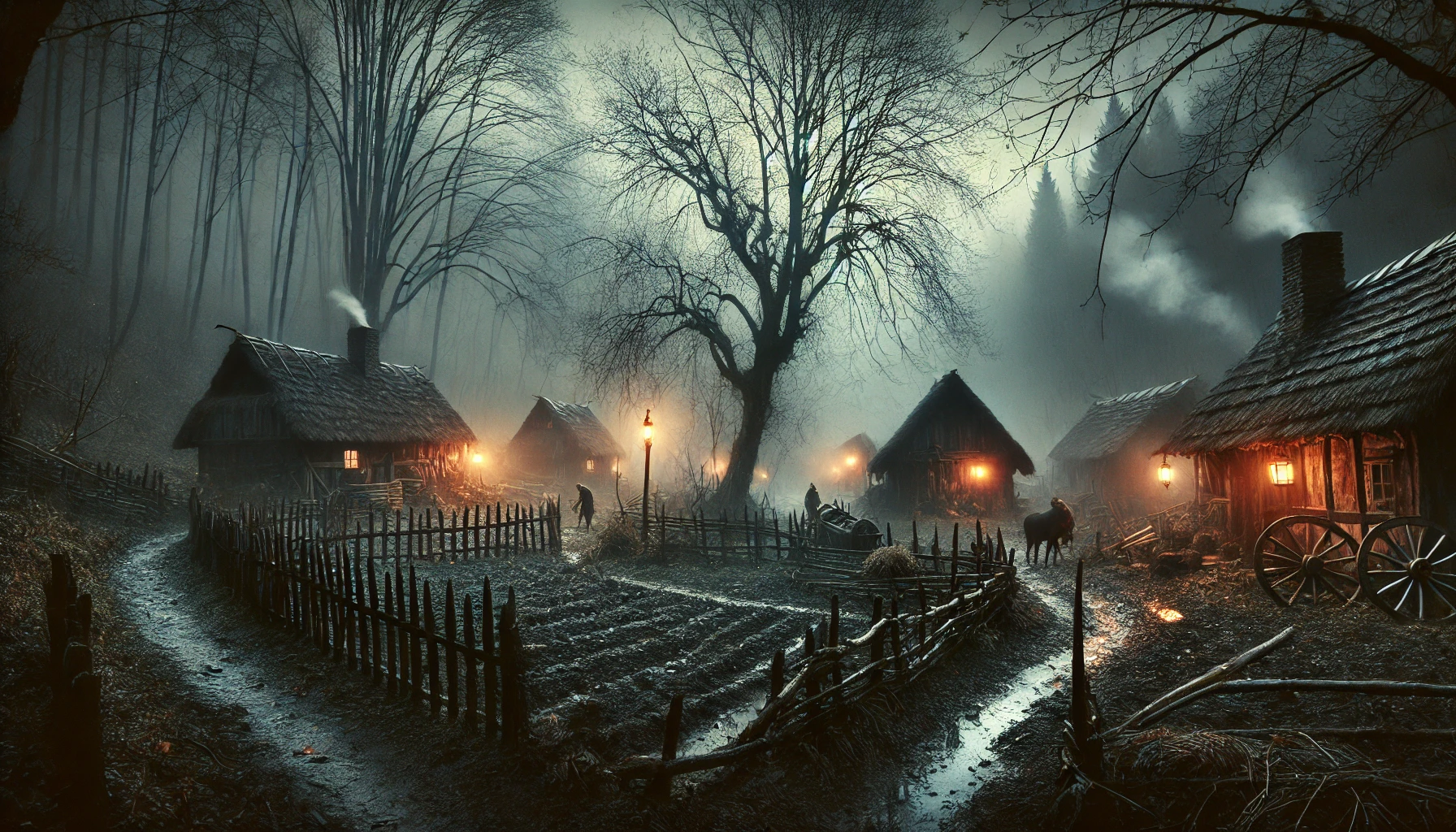
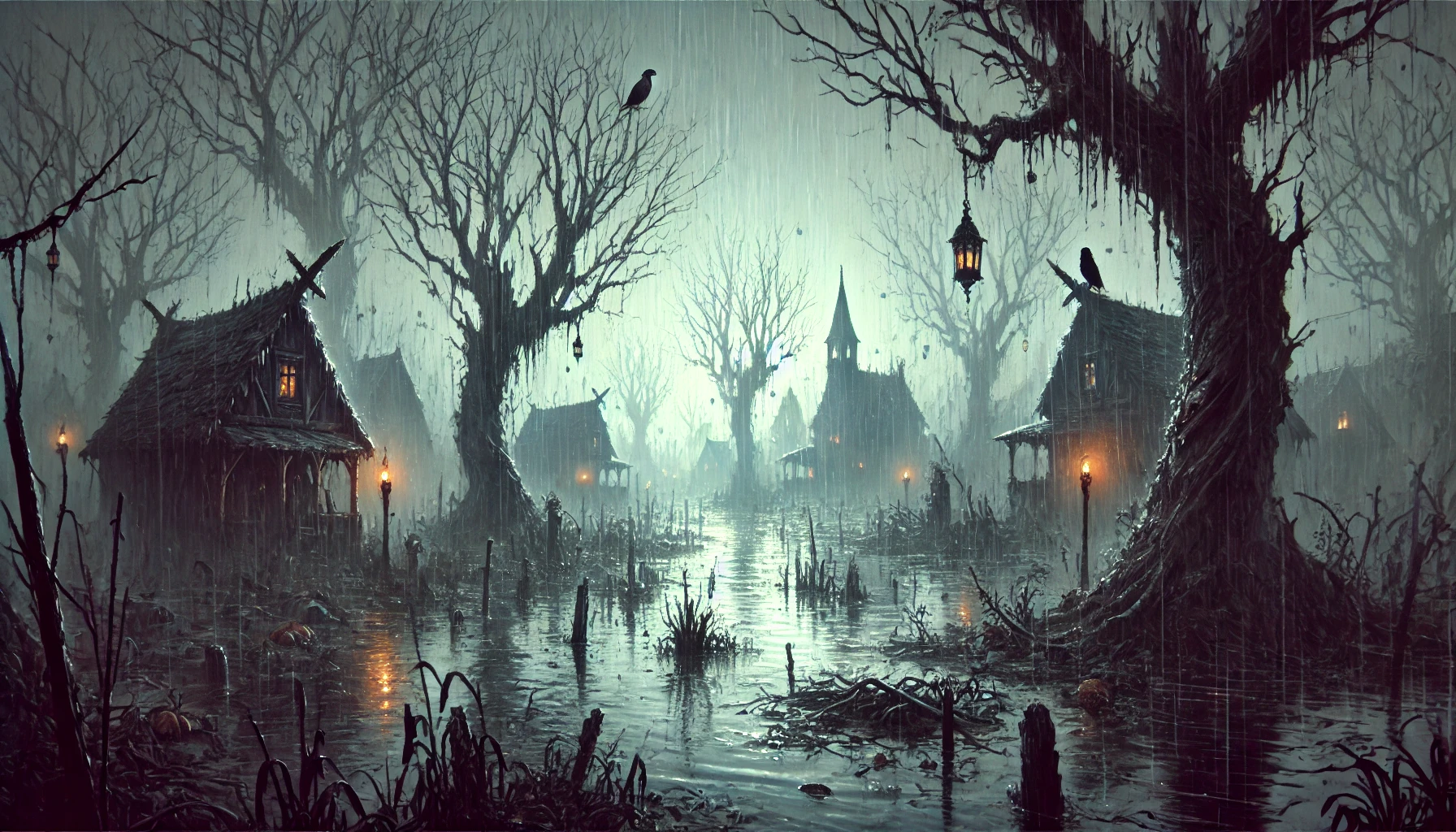
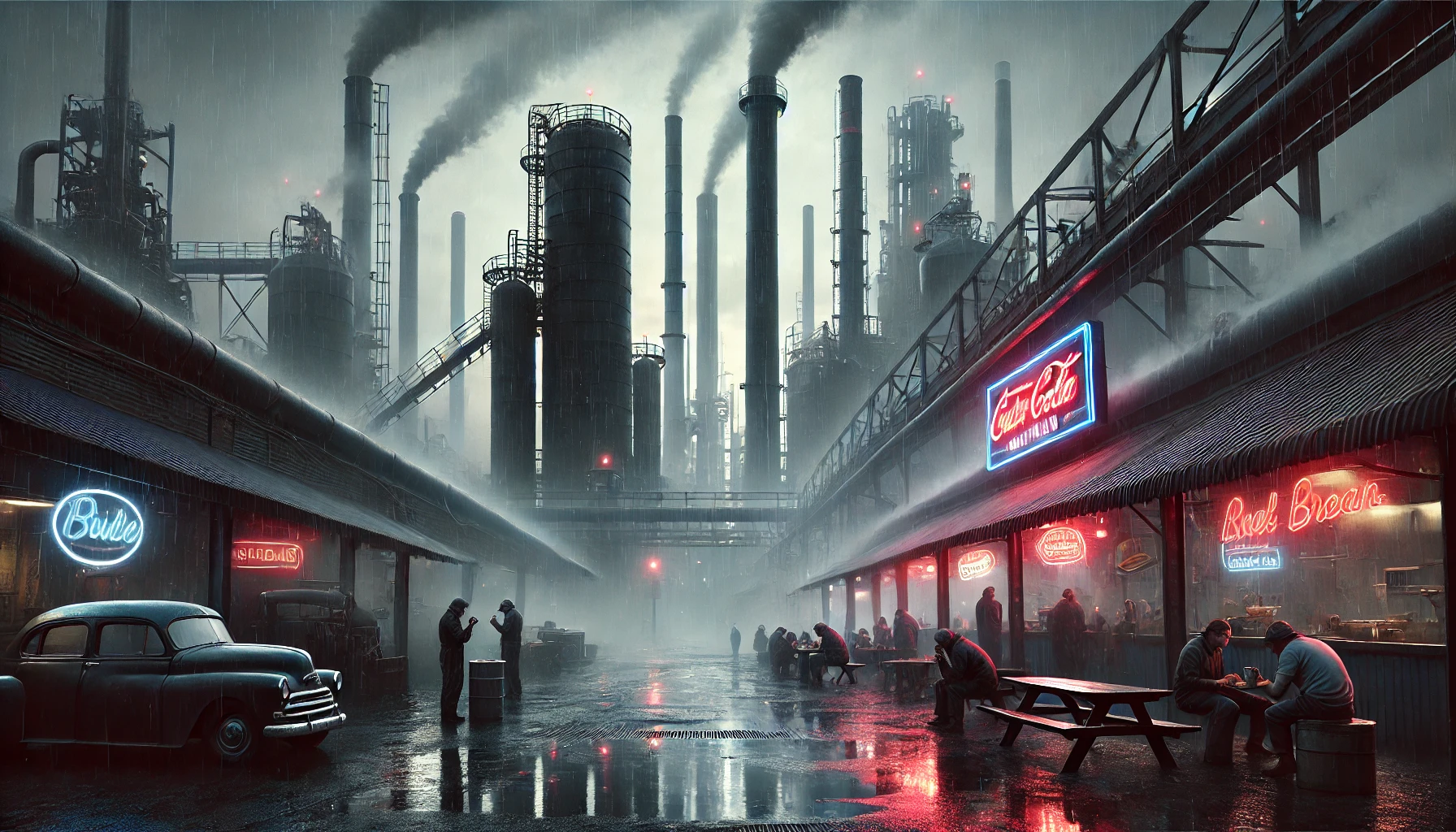
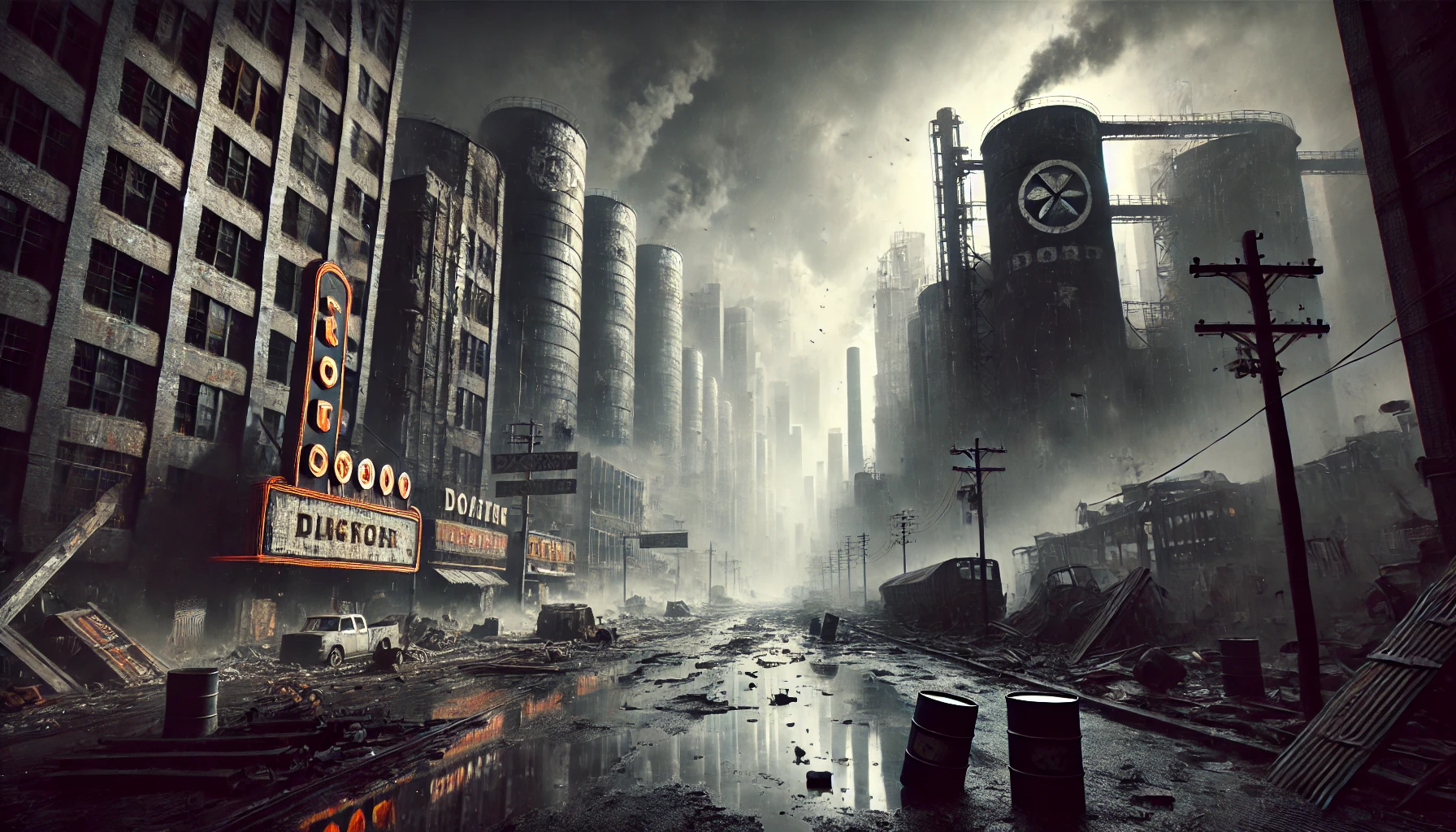
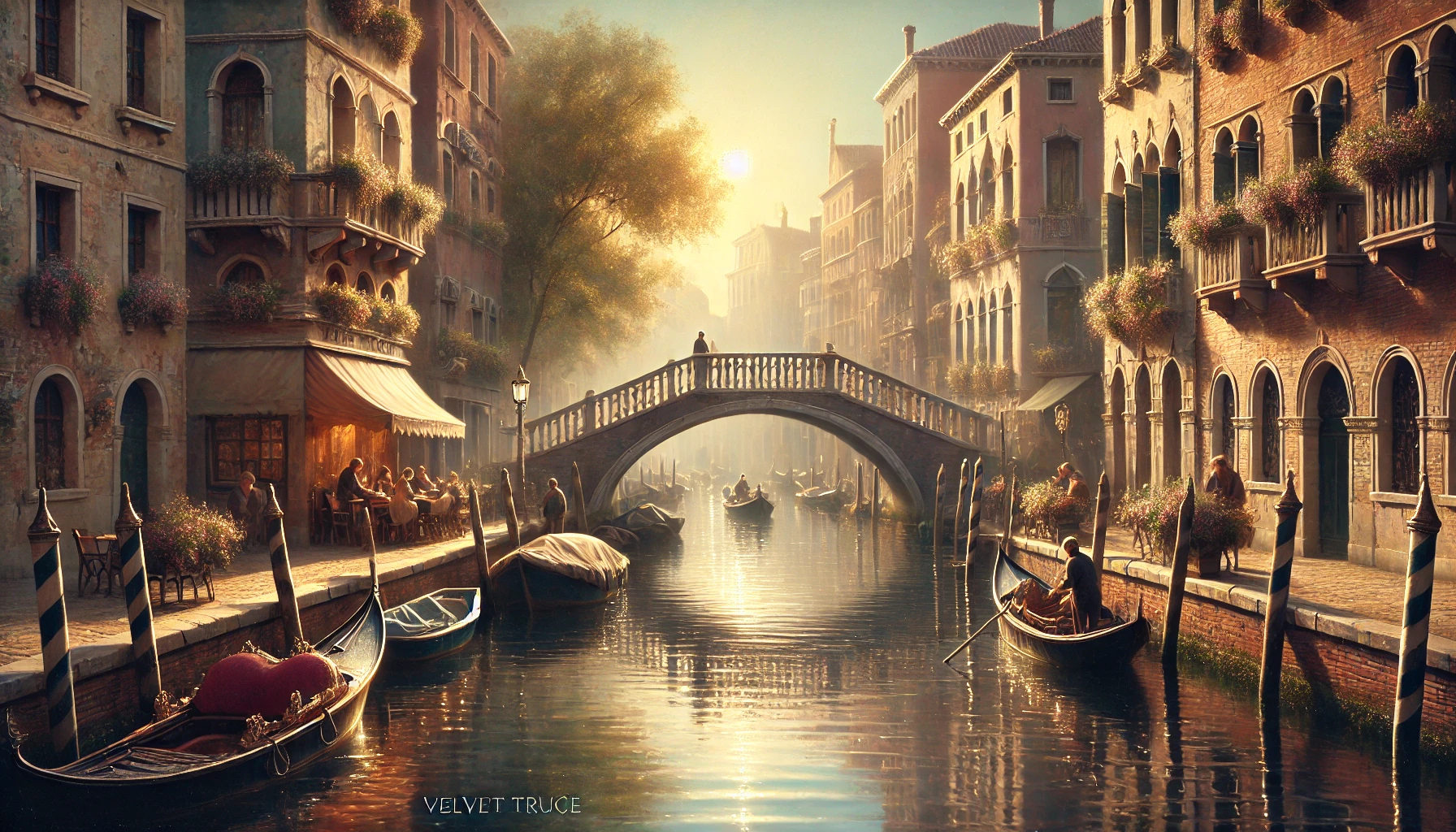
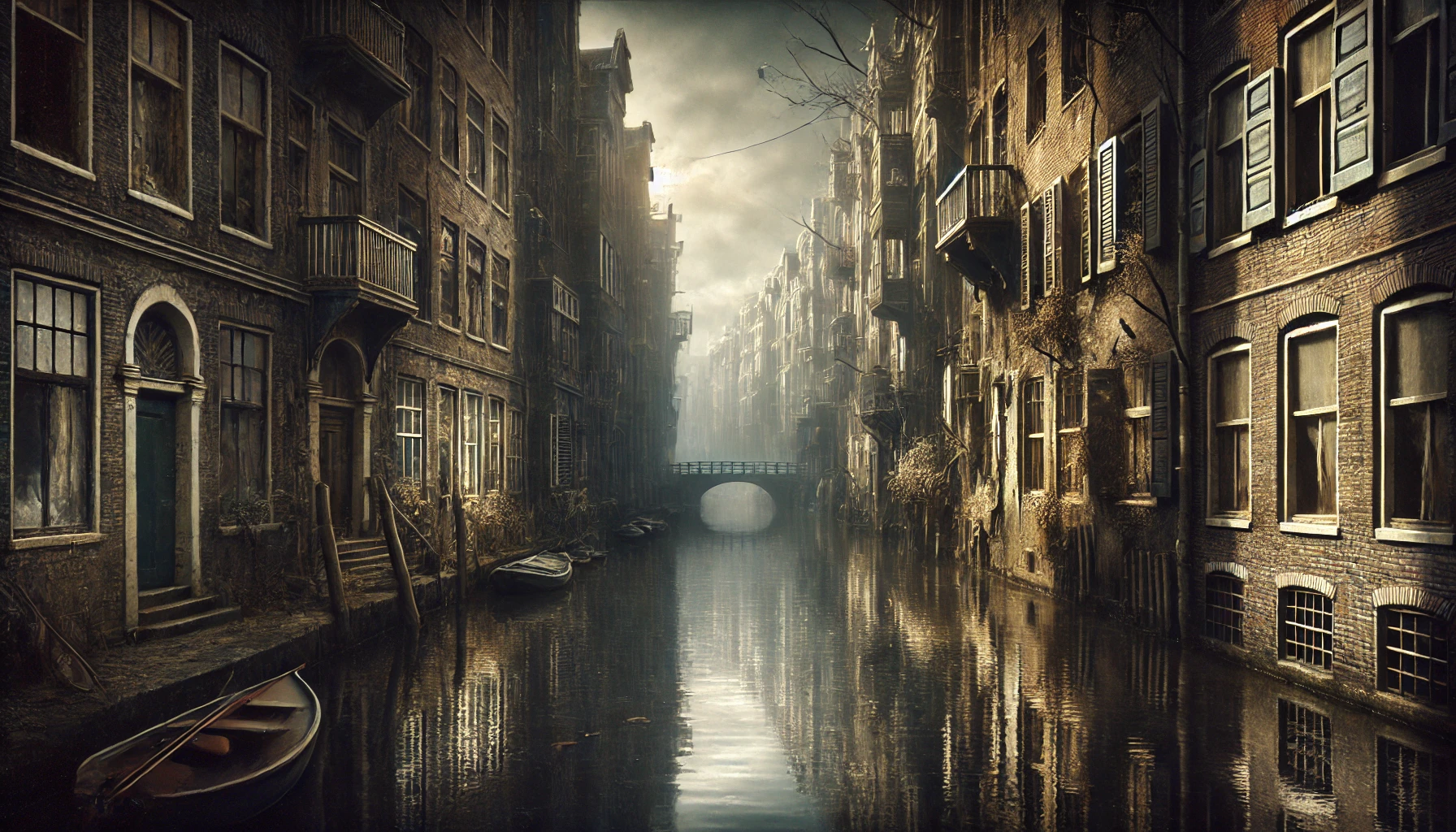
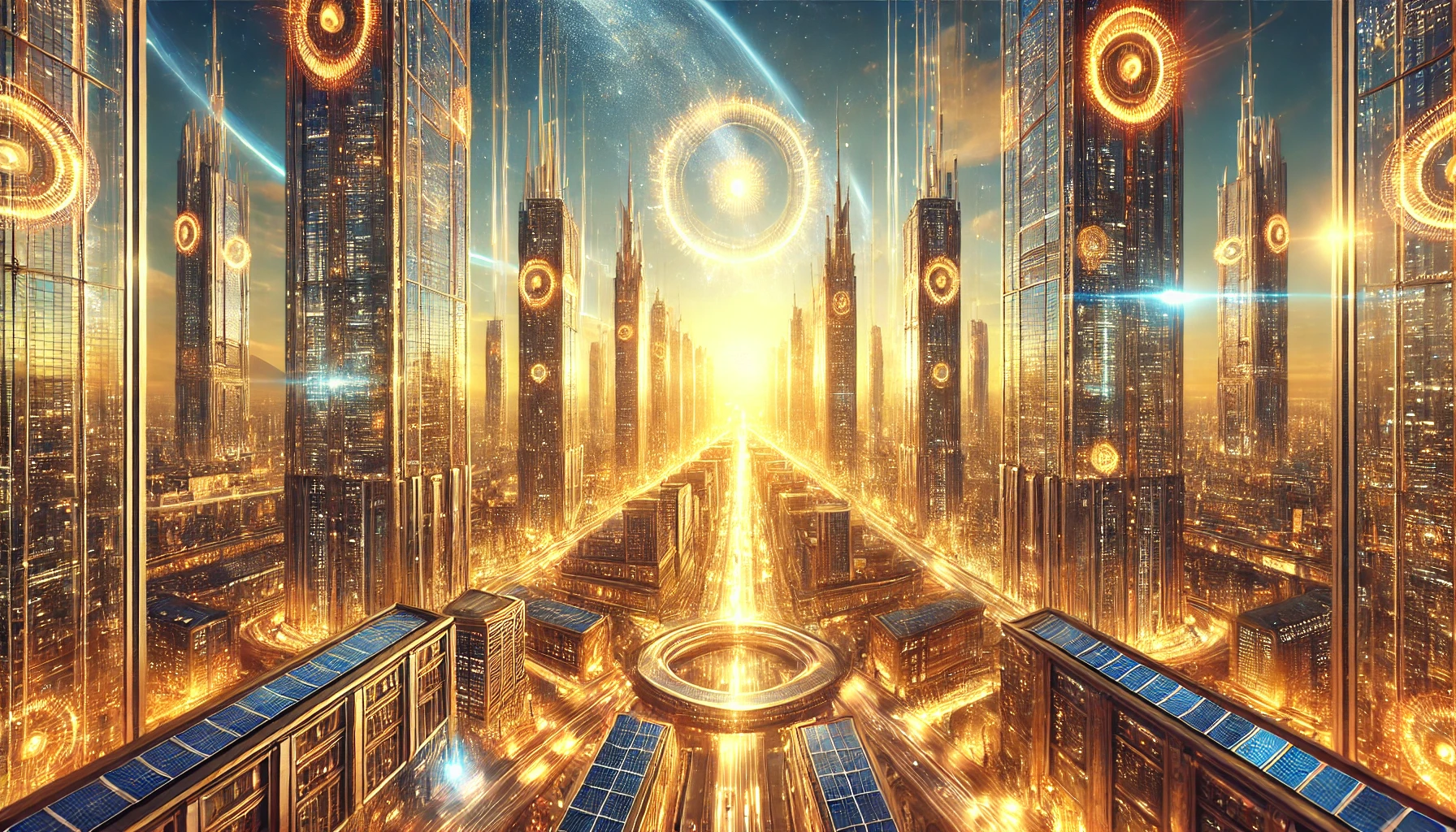
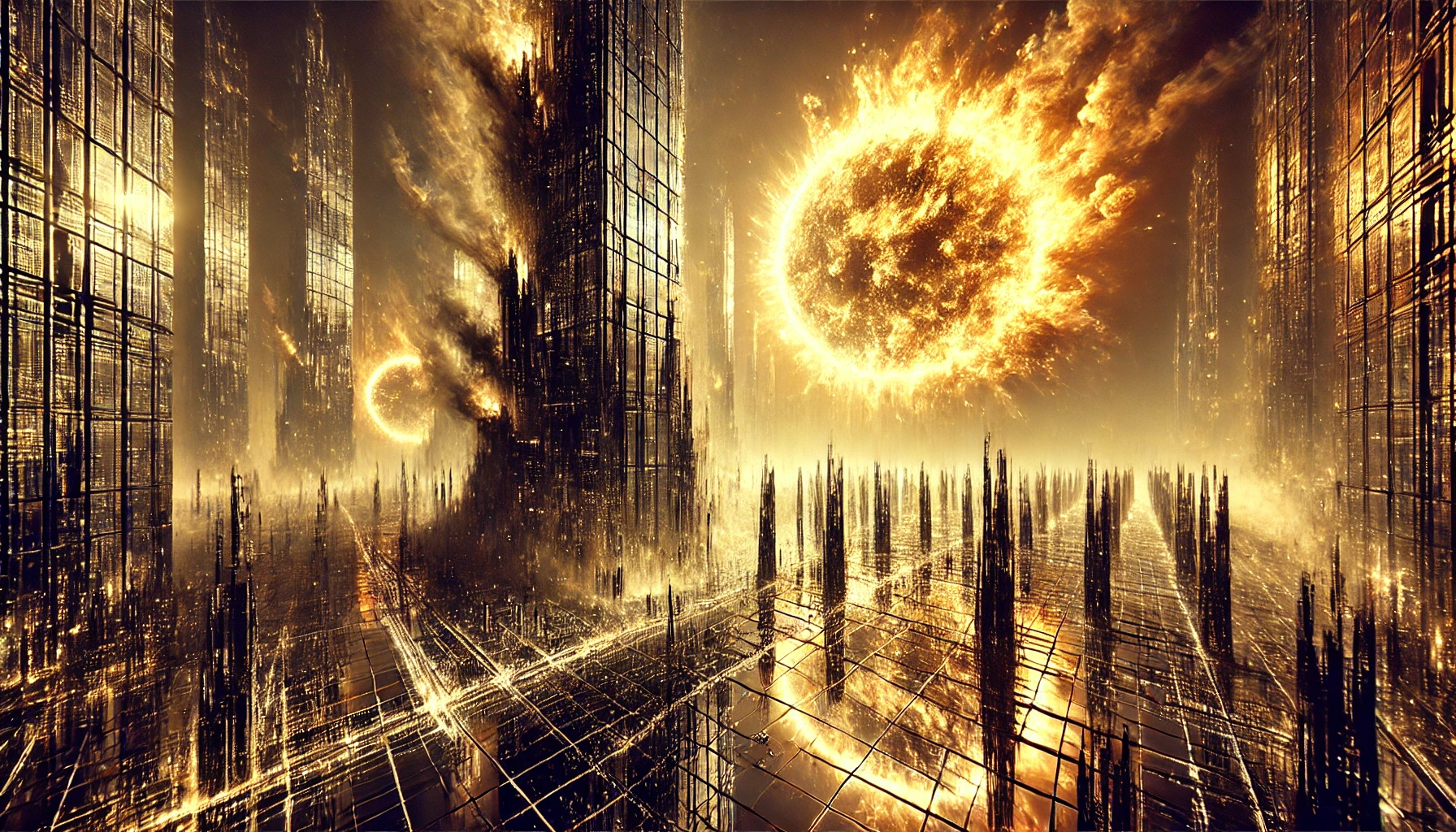
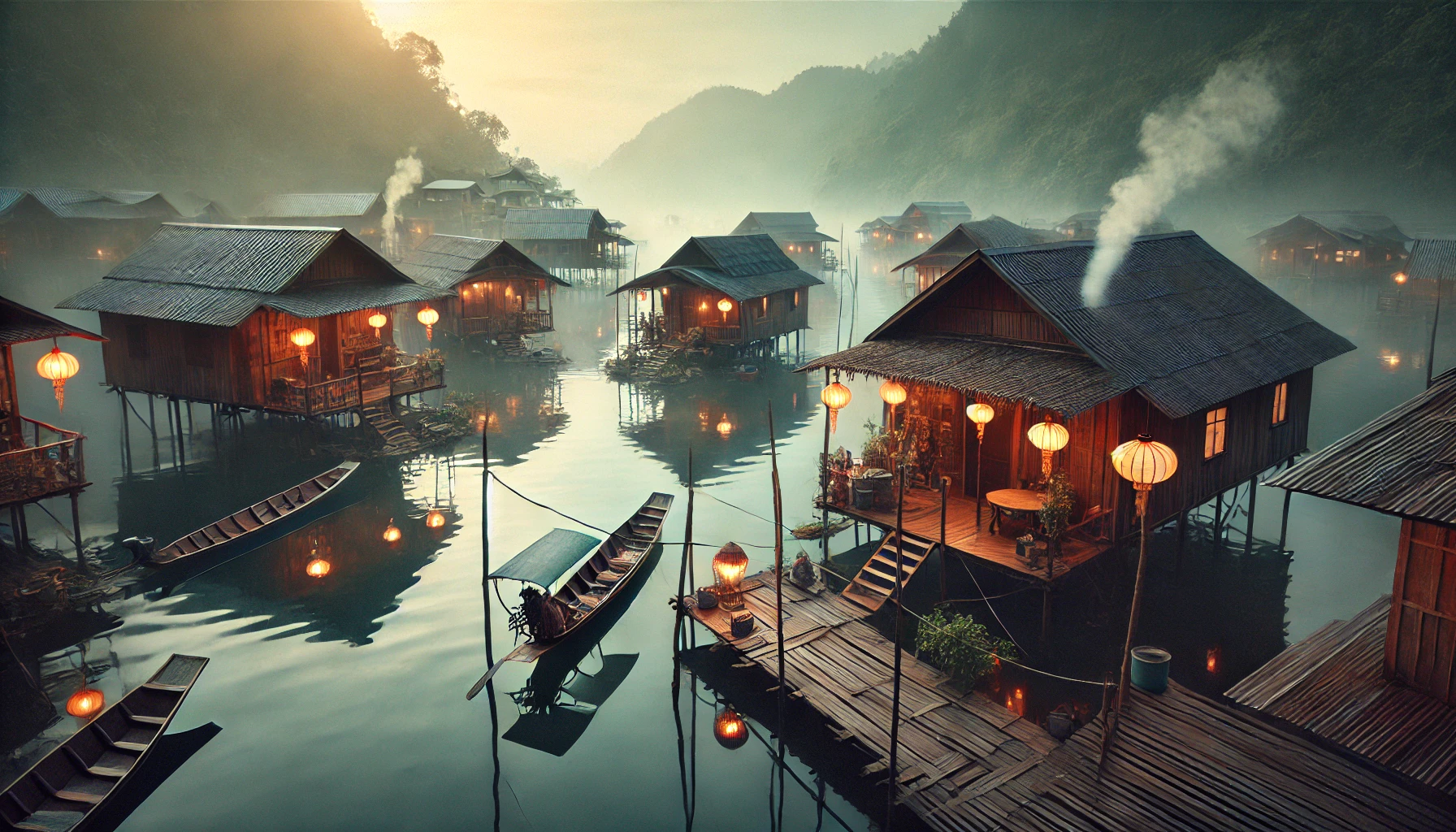
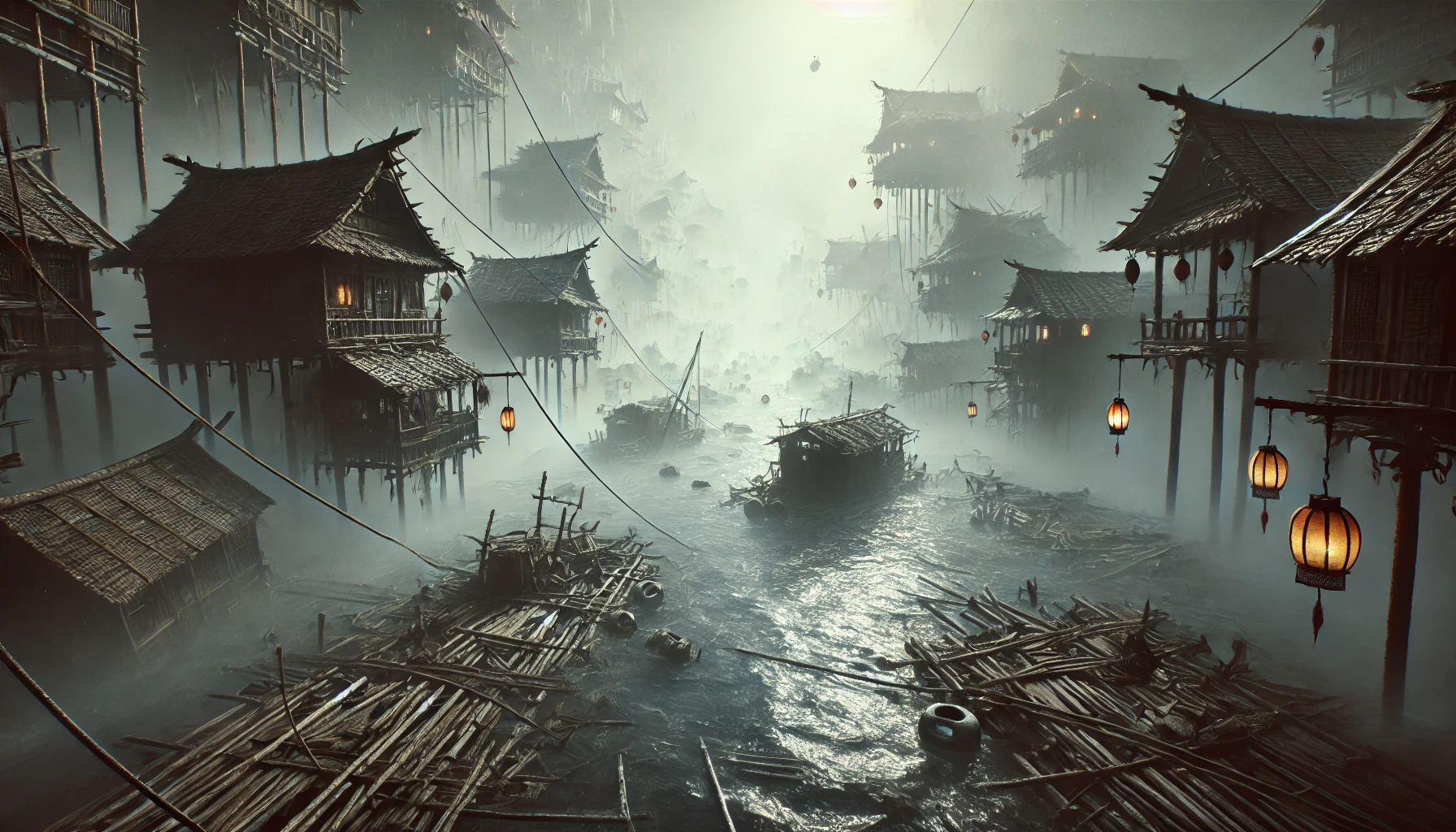
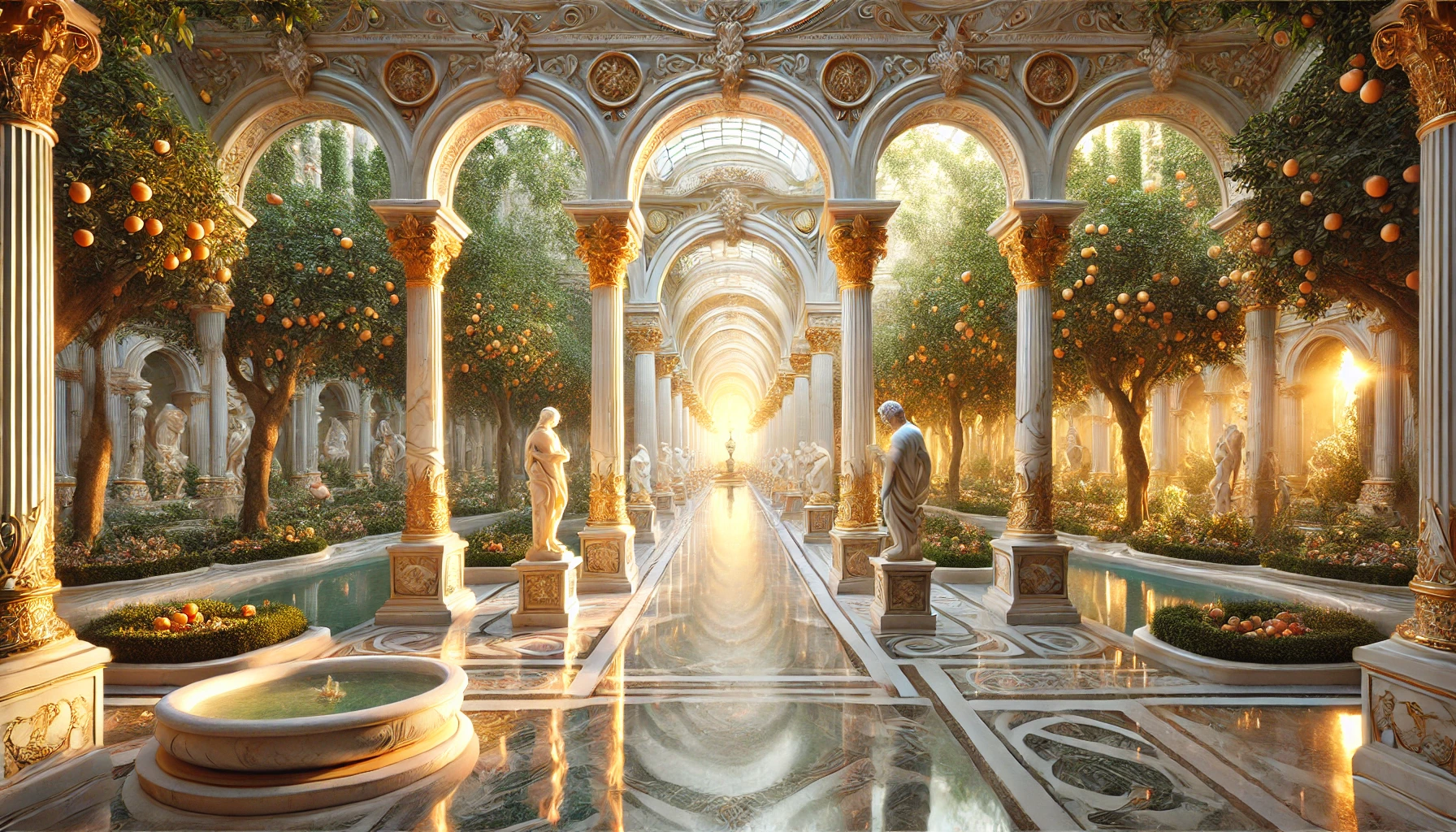
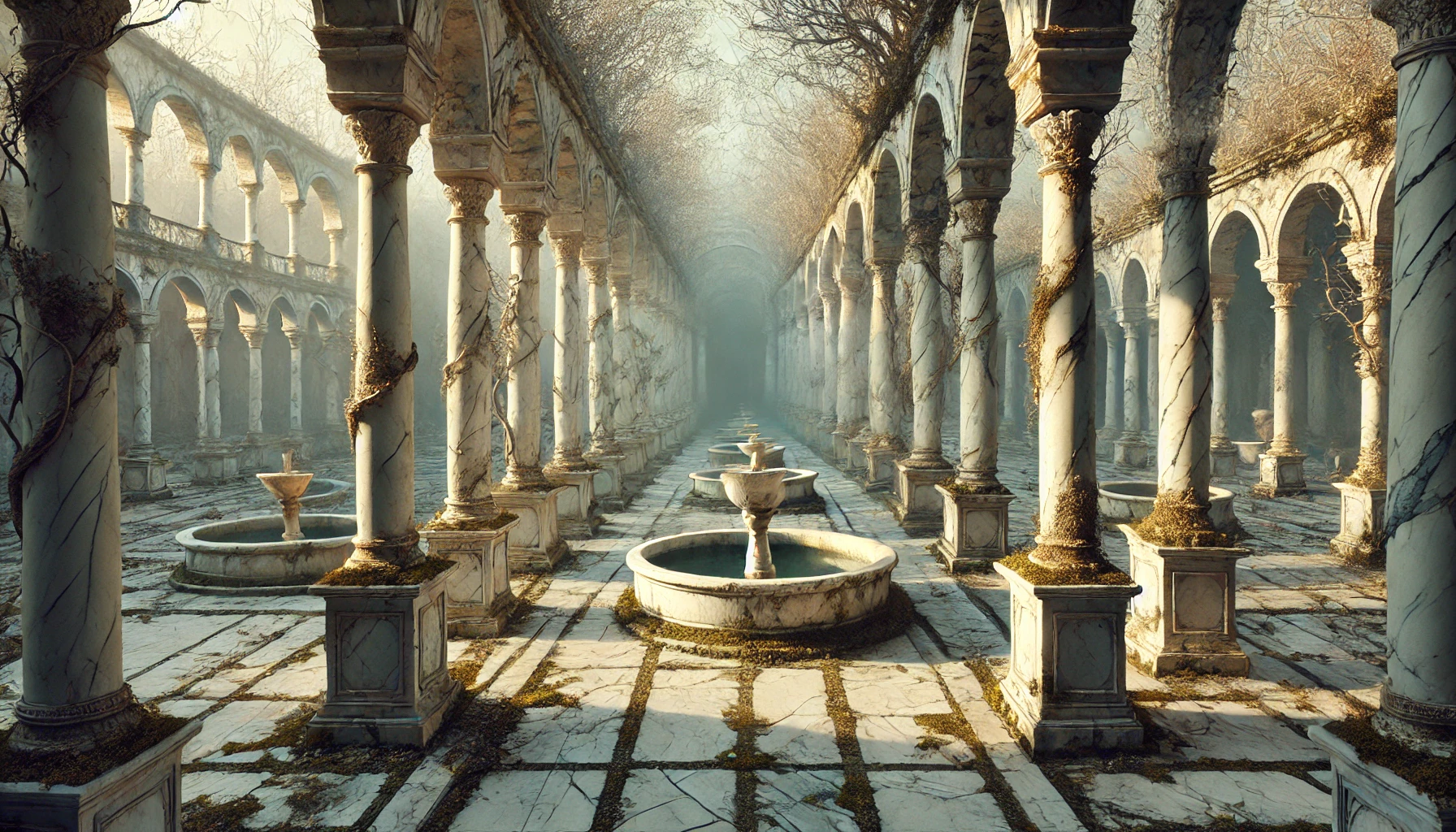
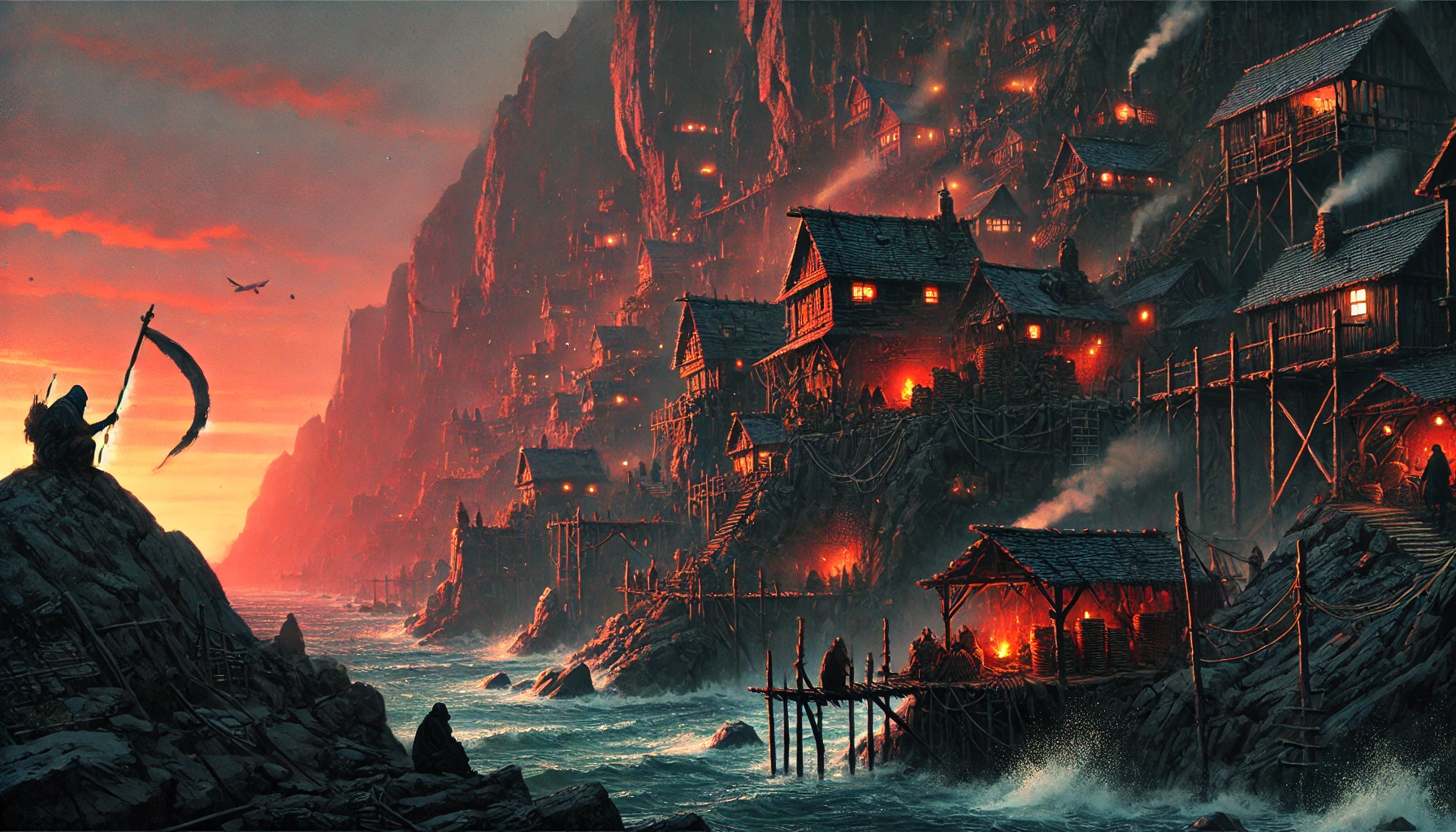
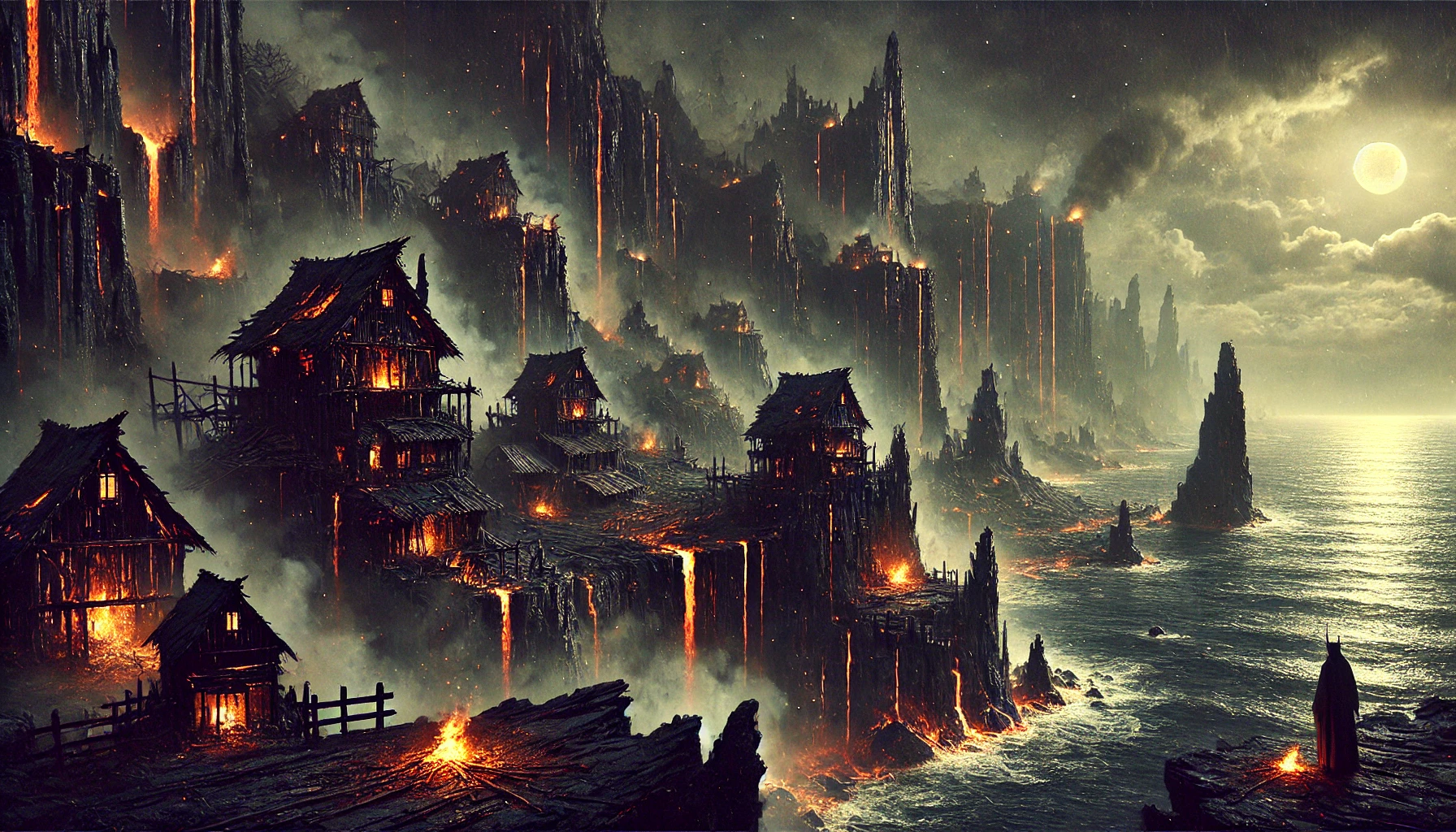
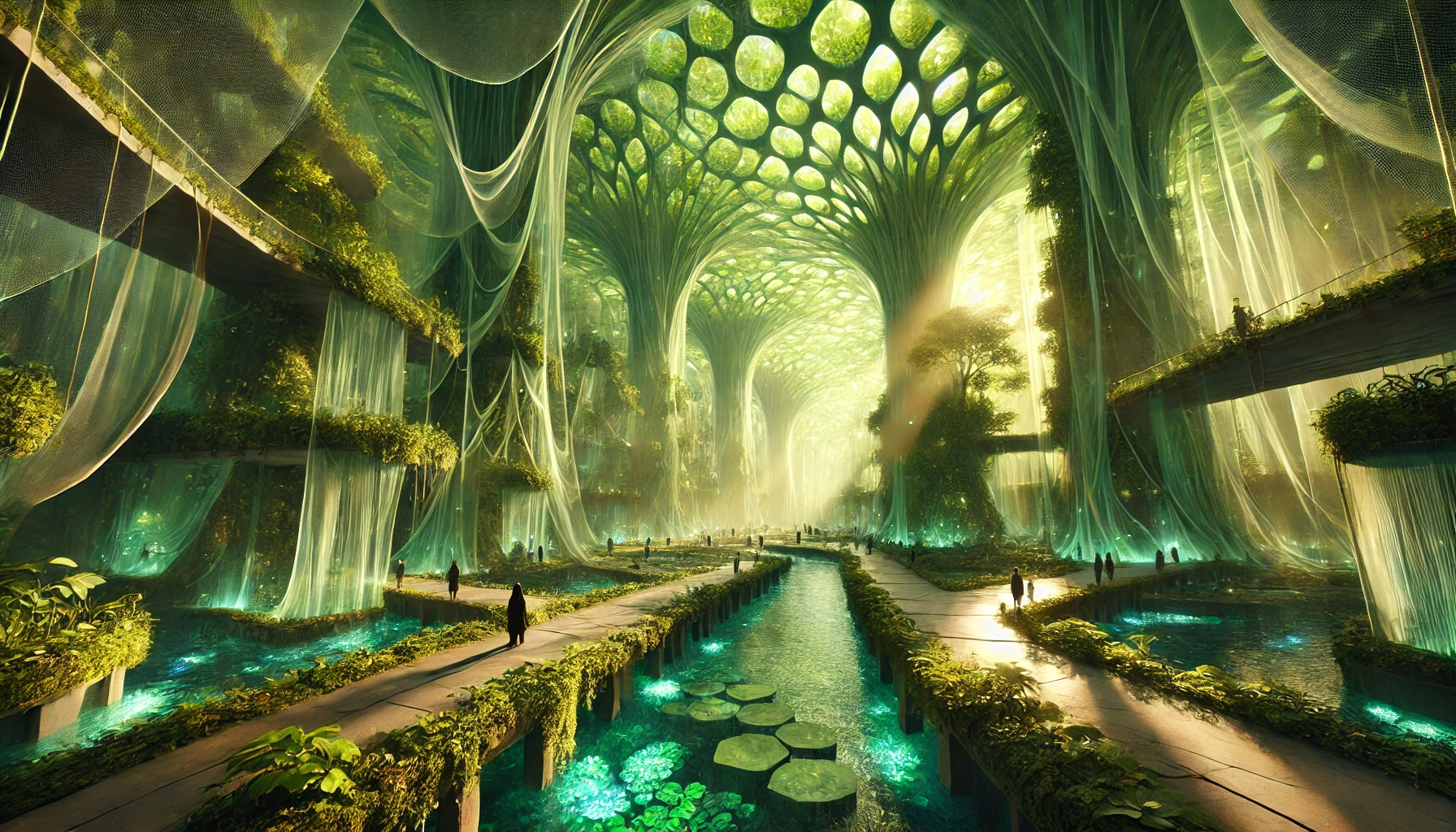
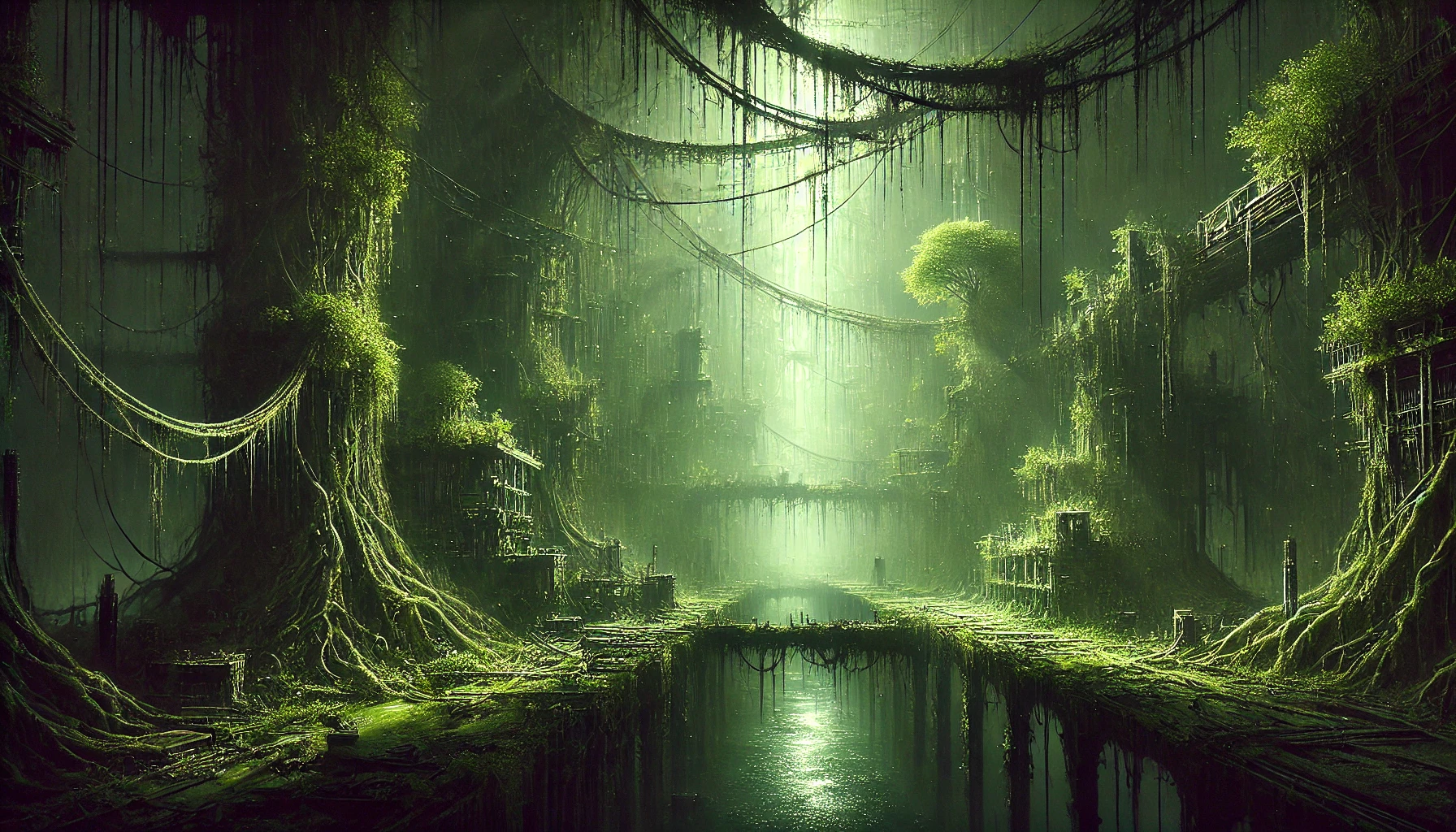
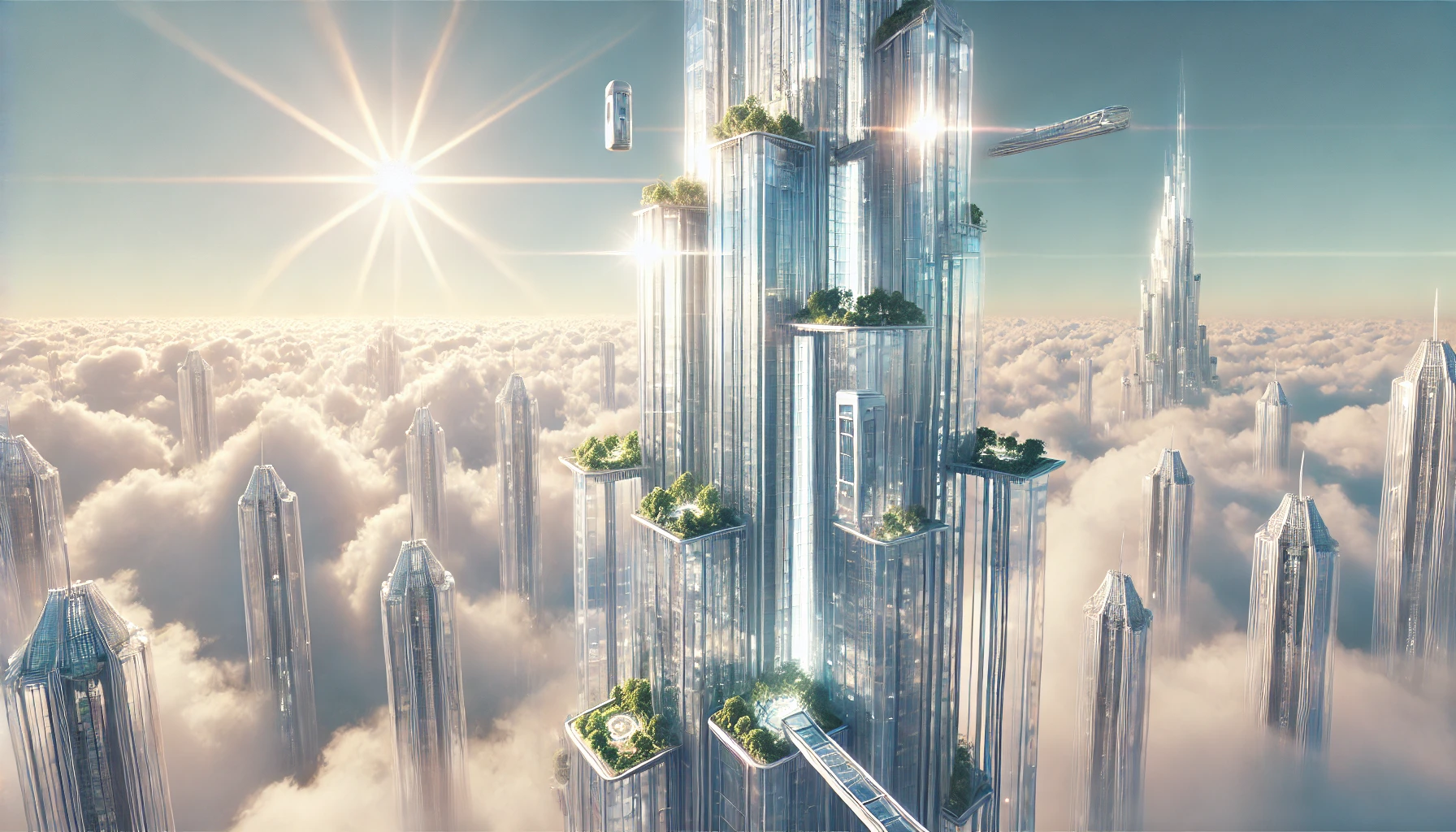
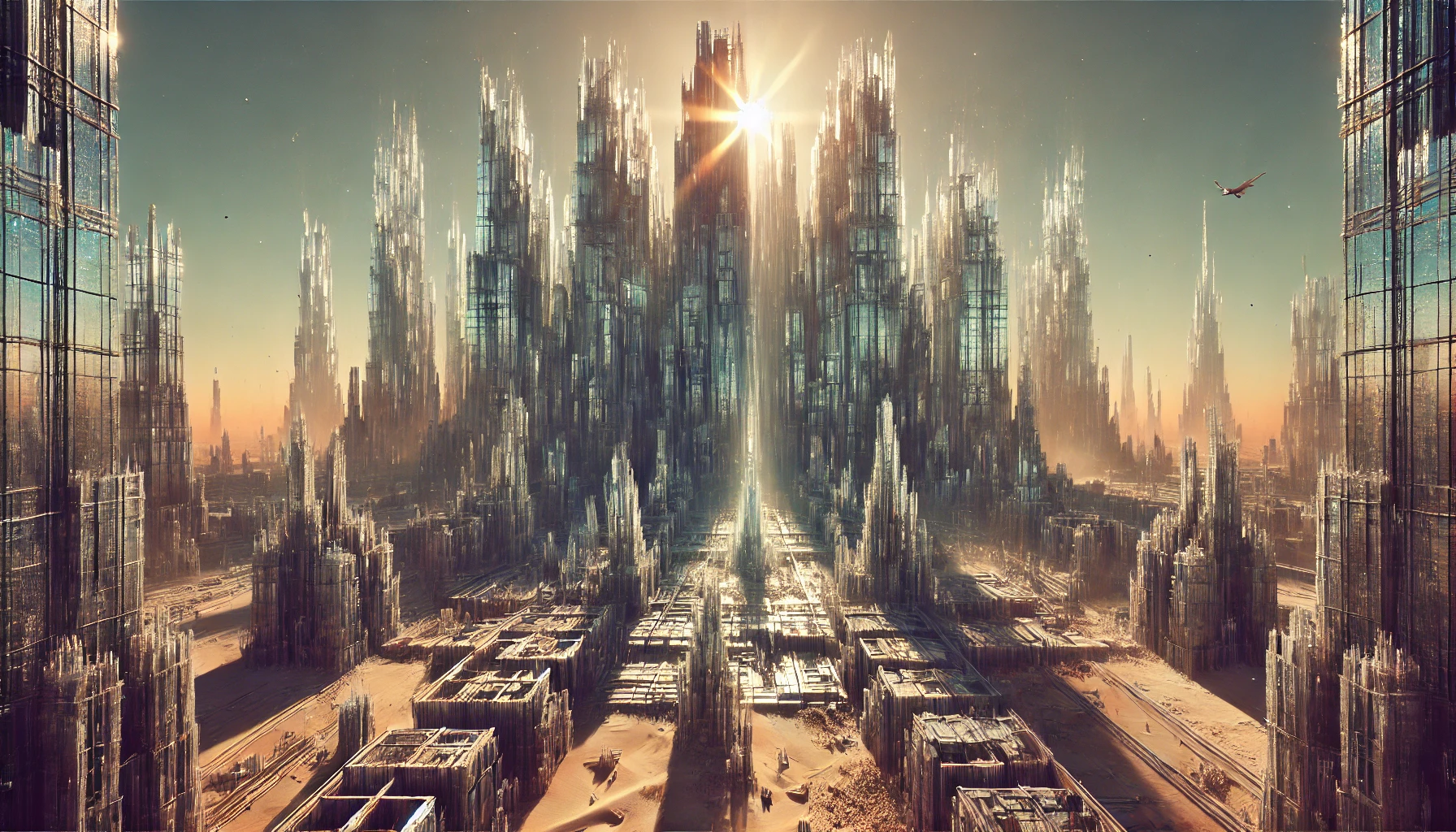
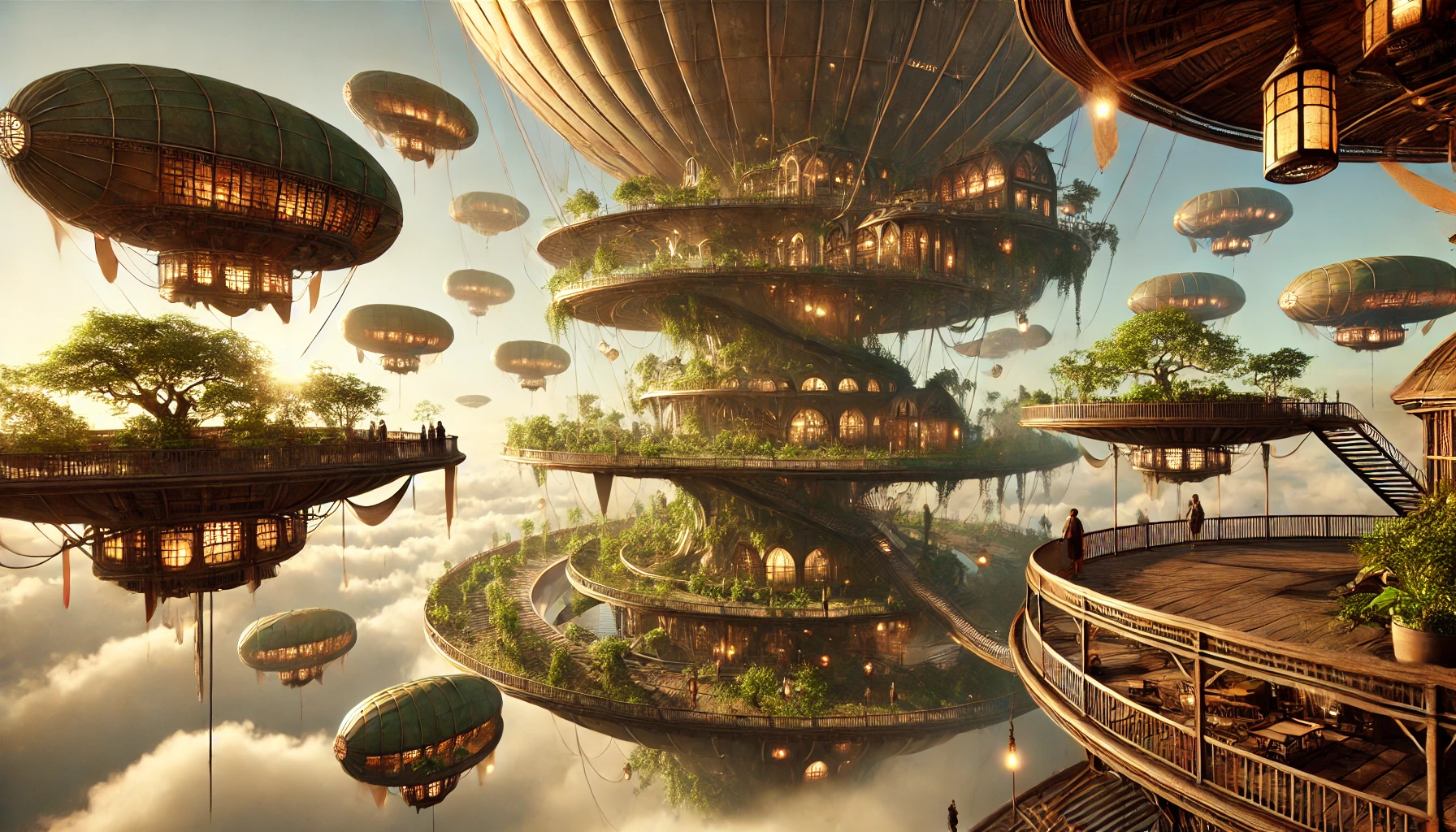
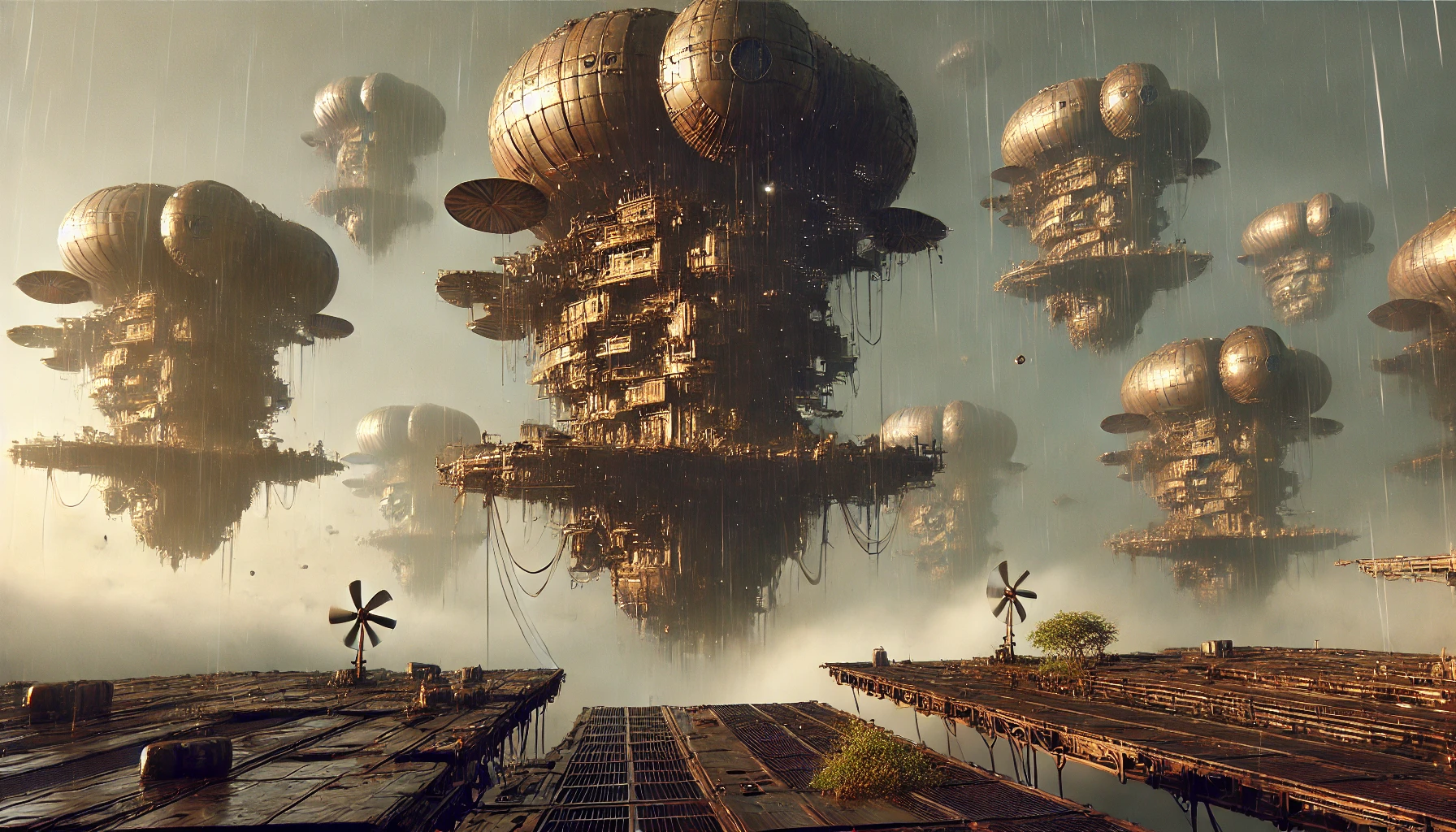
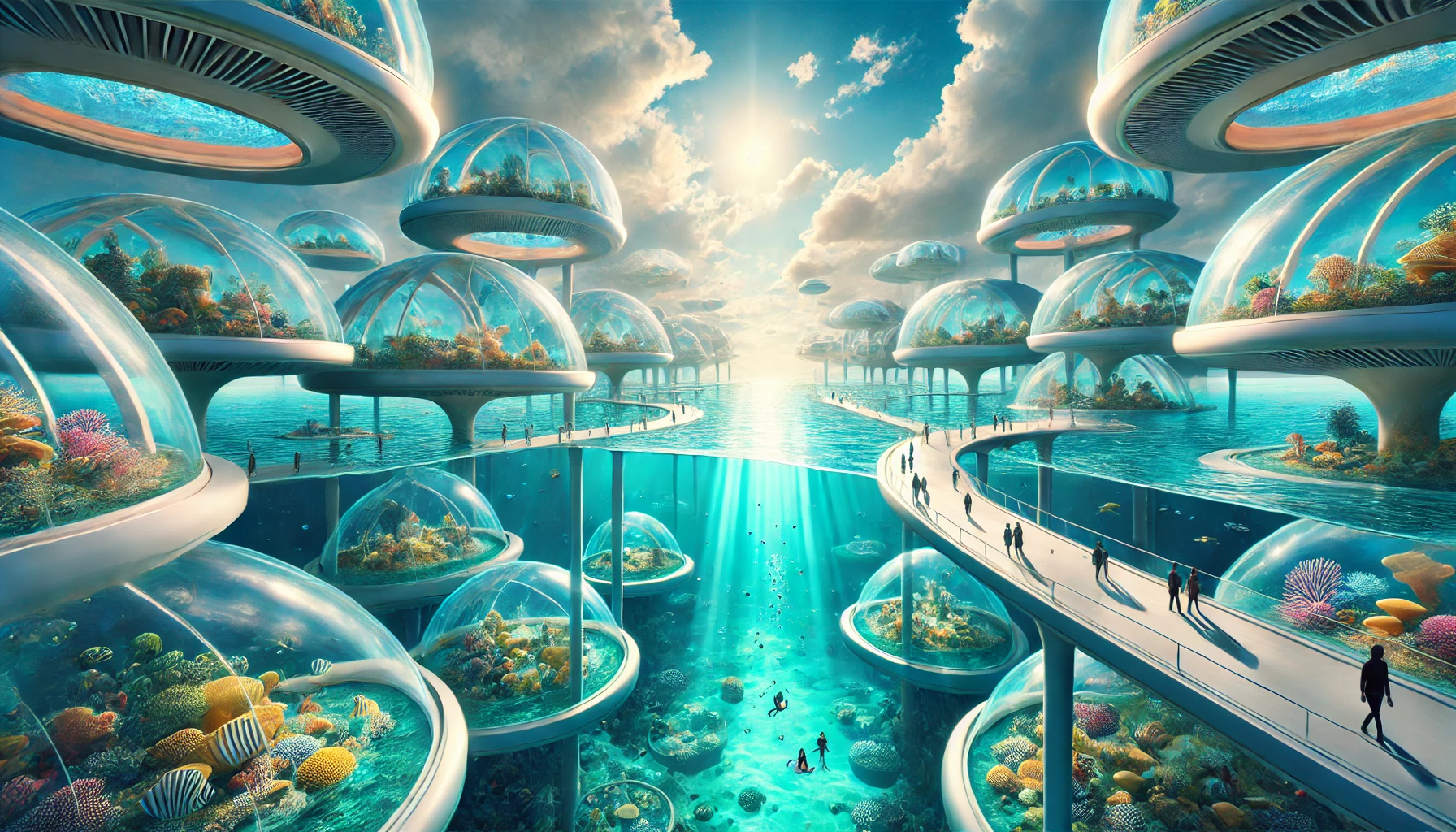
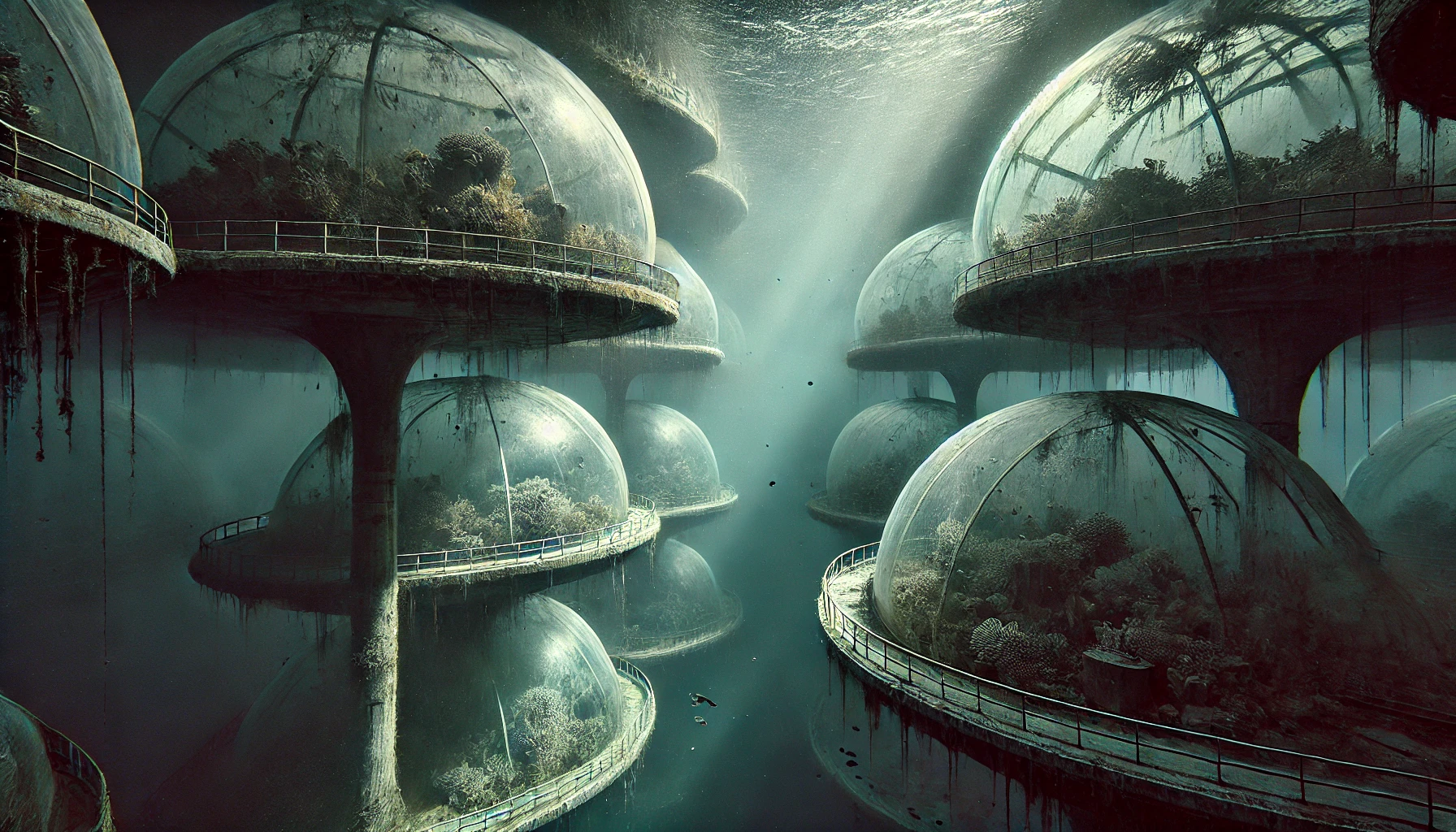
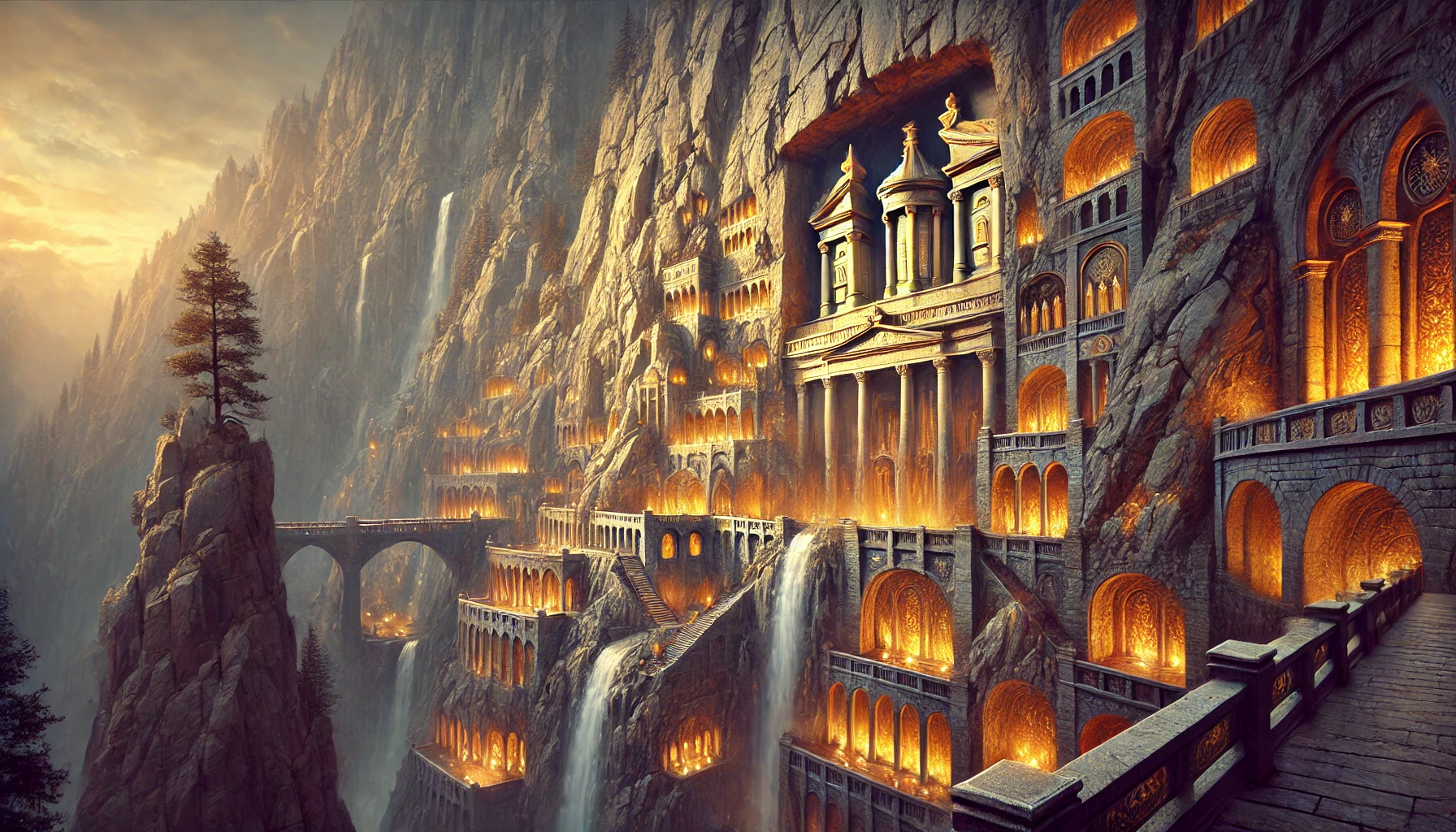
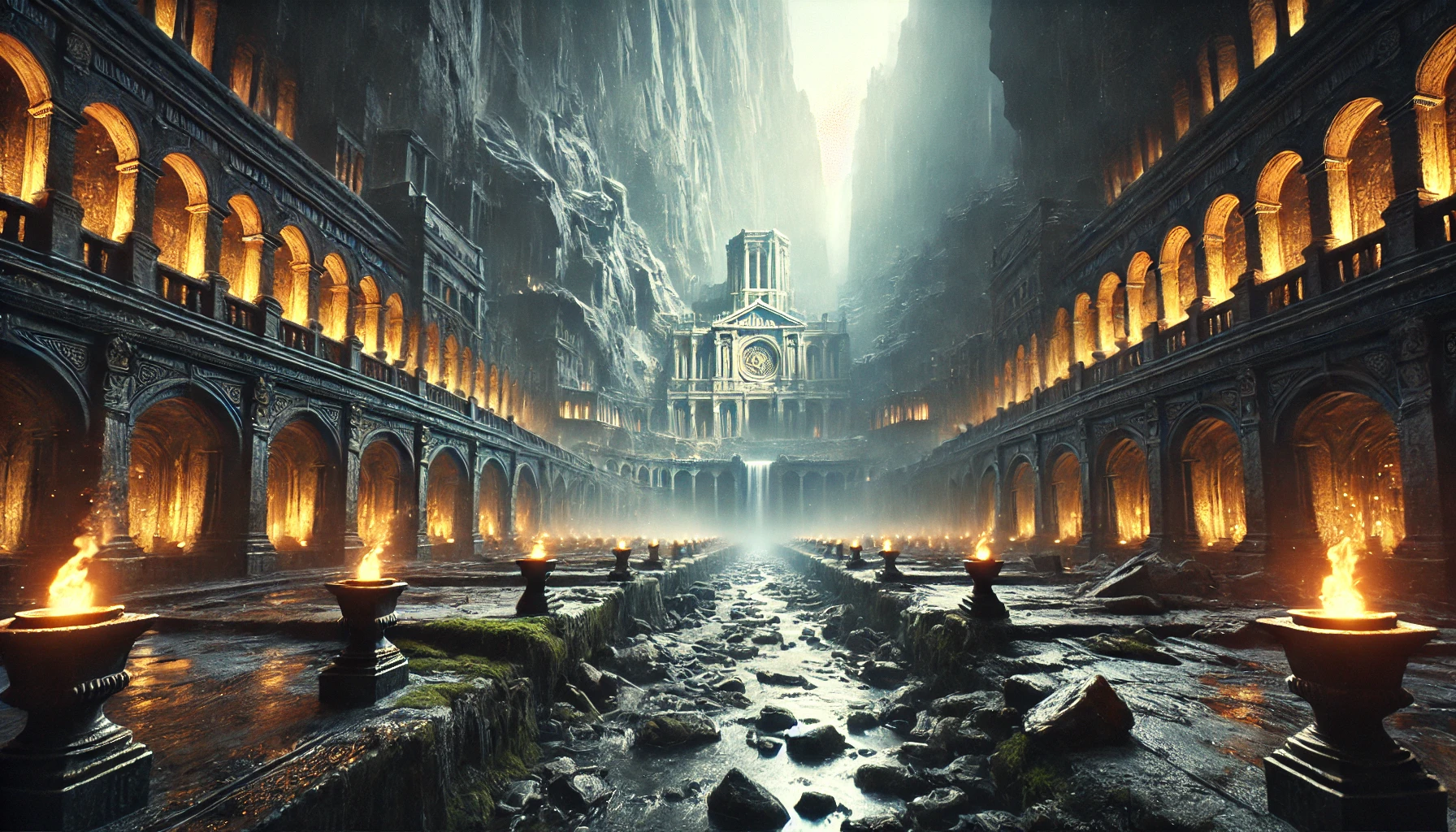
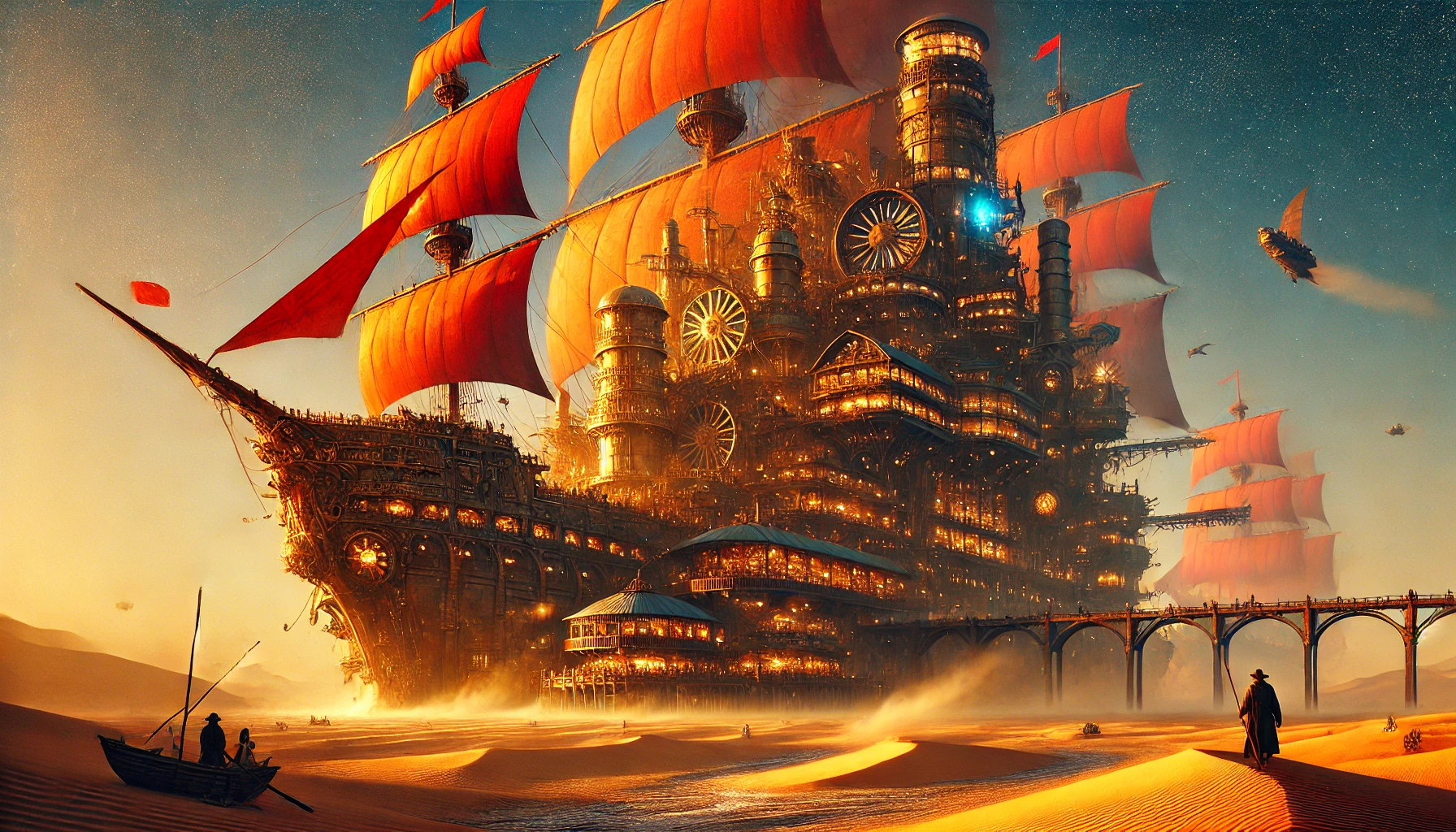
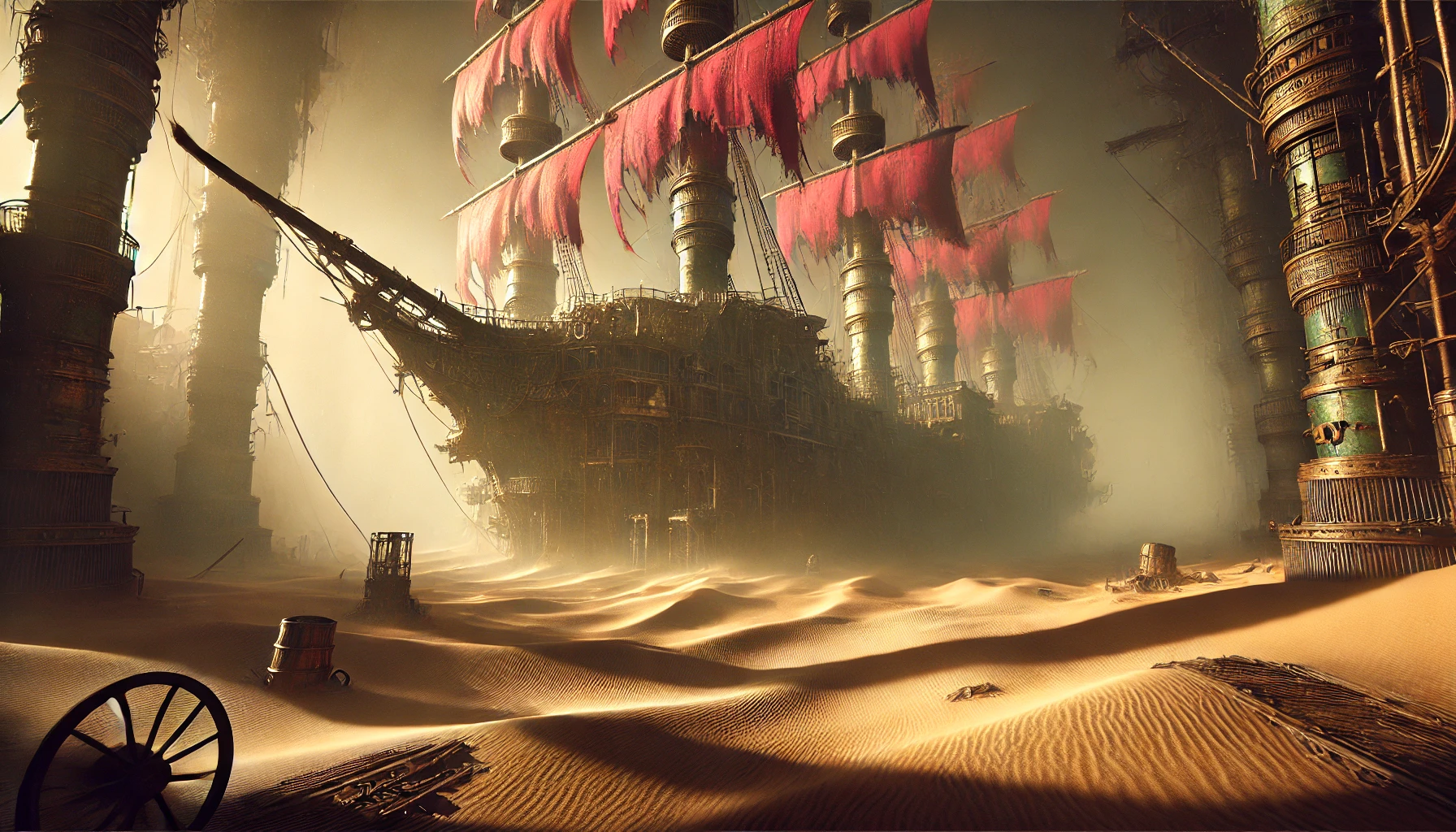
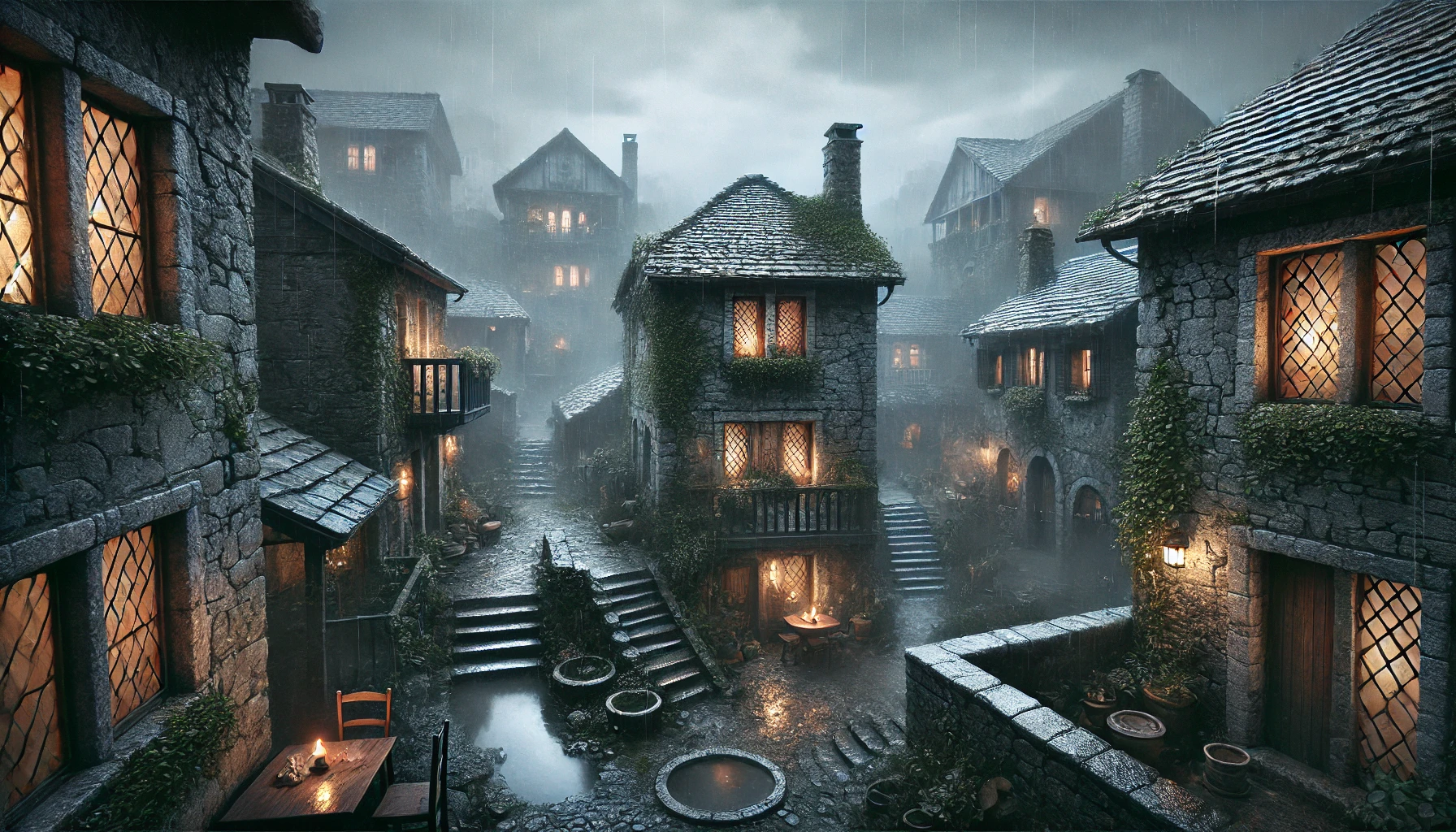
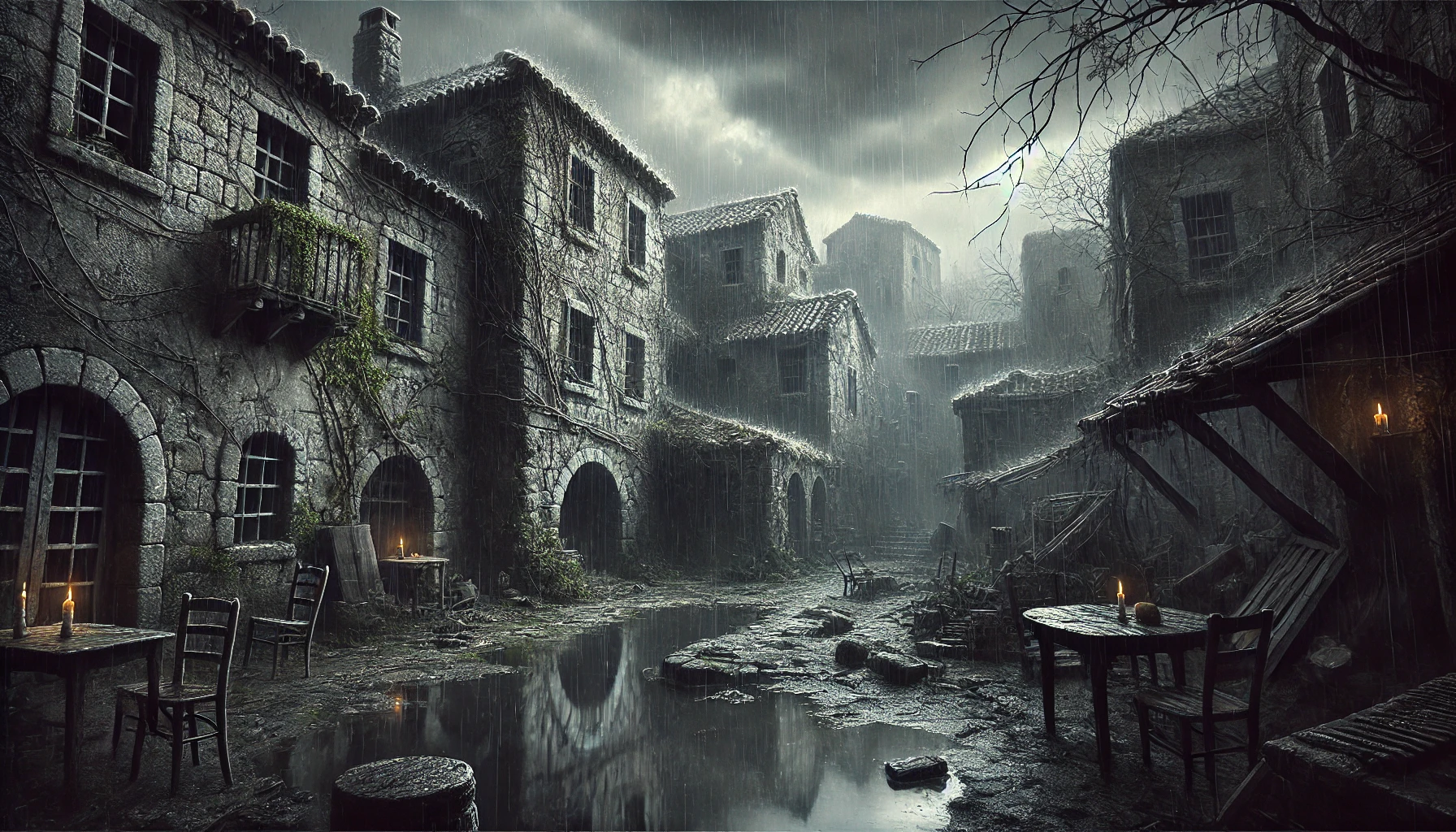
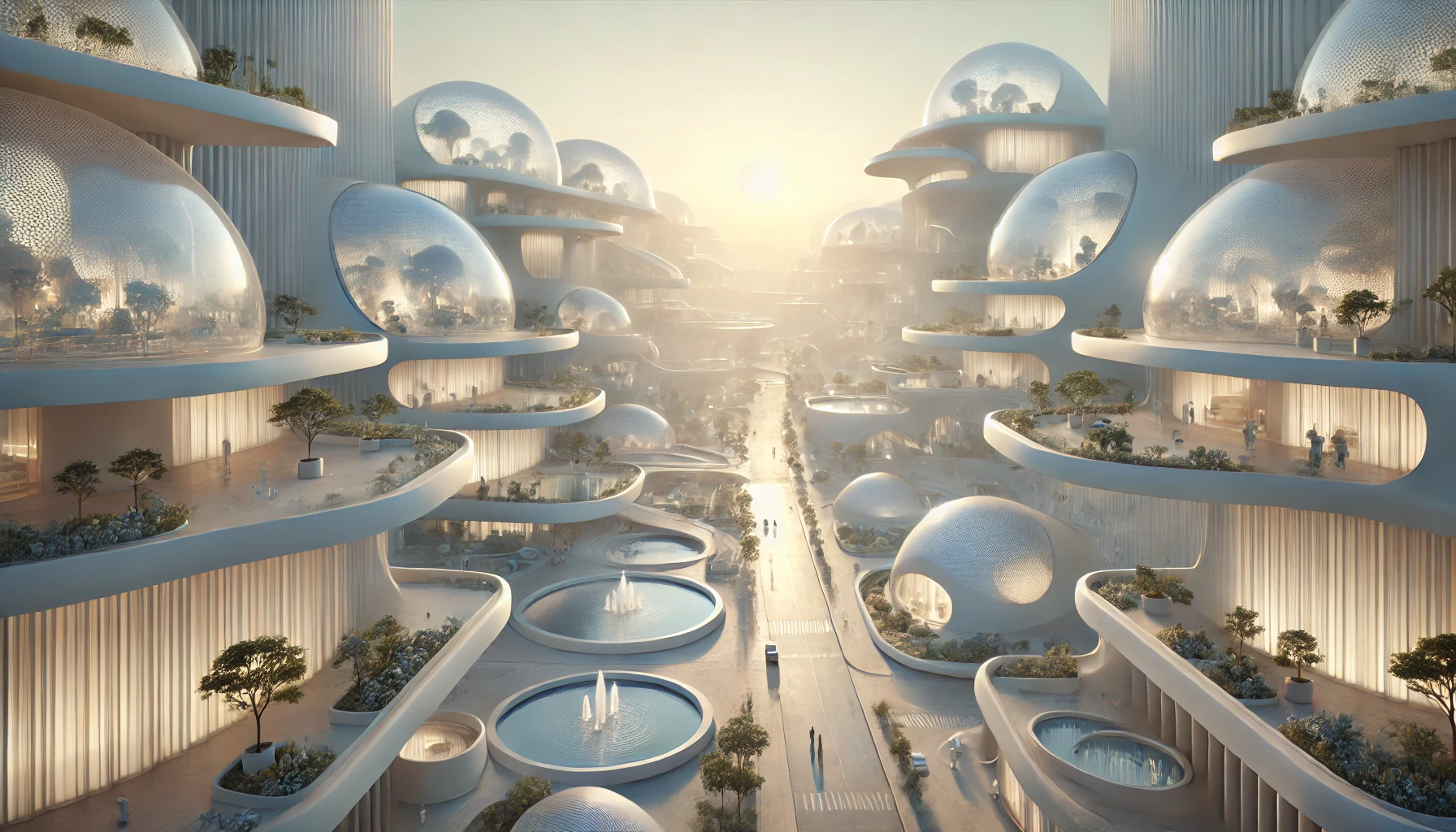
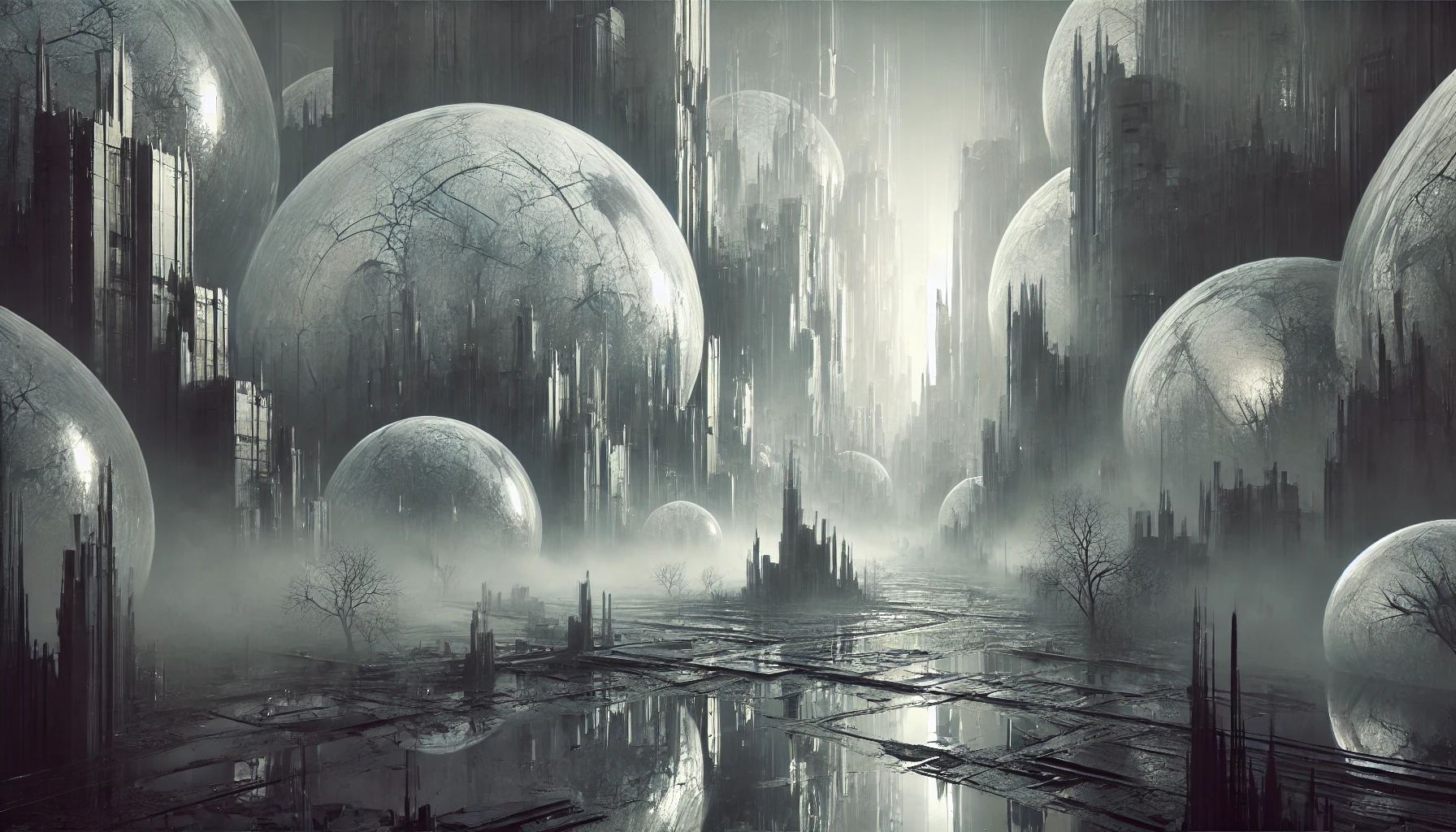
So I decided to create around 125 worlds, each with two visuals, making a total of roughly 250 images.
Why two visuals per world?
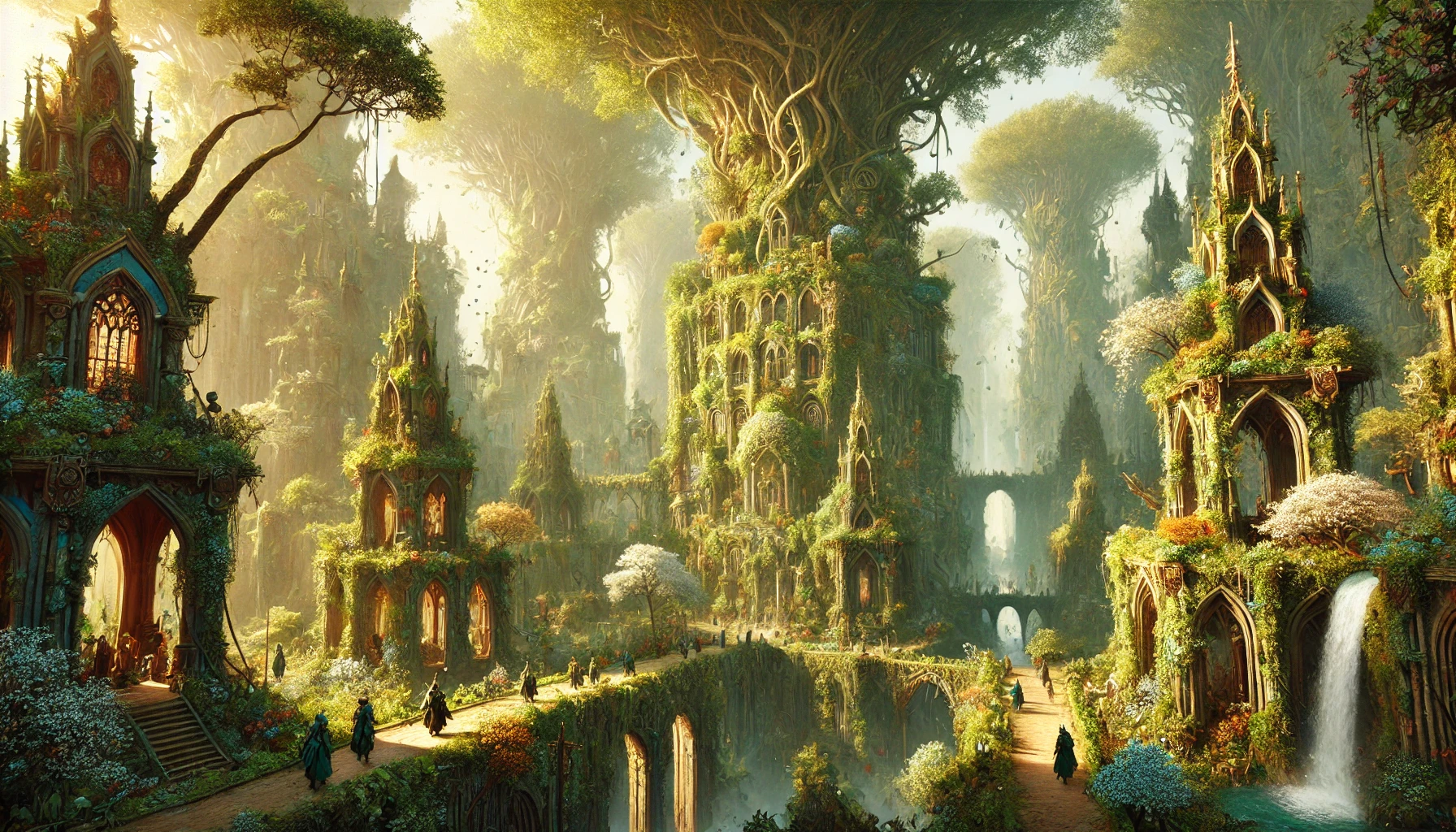
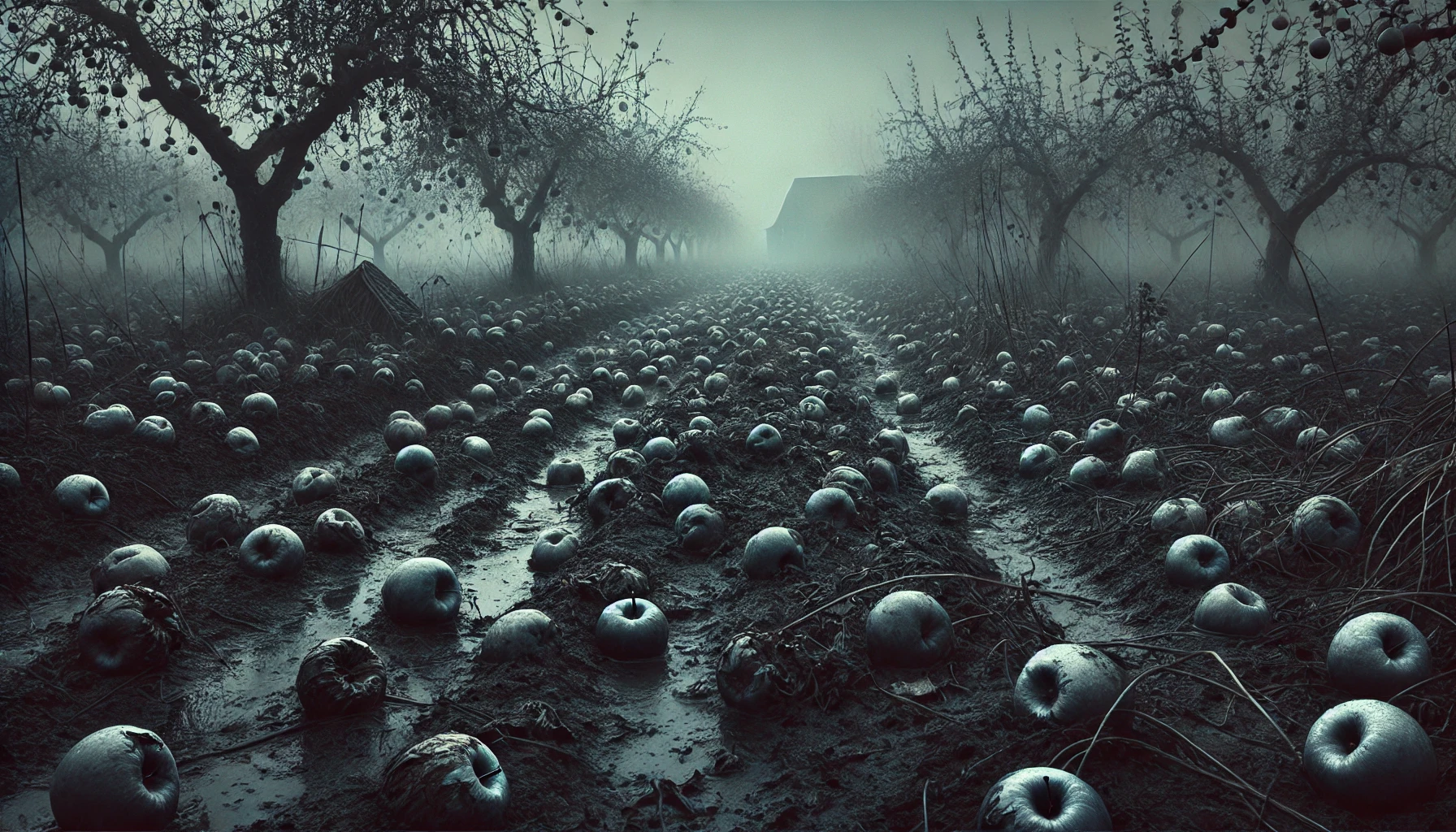
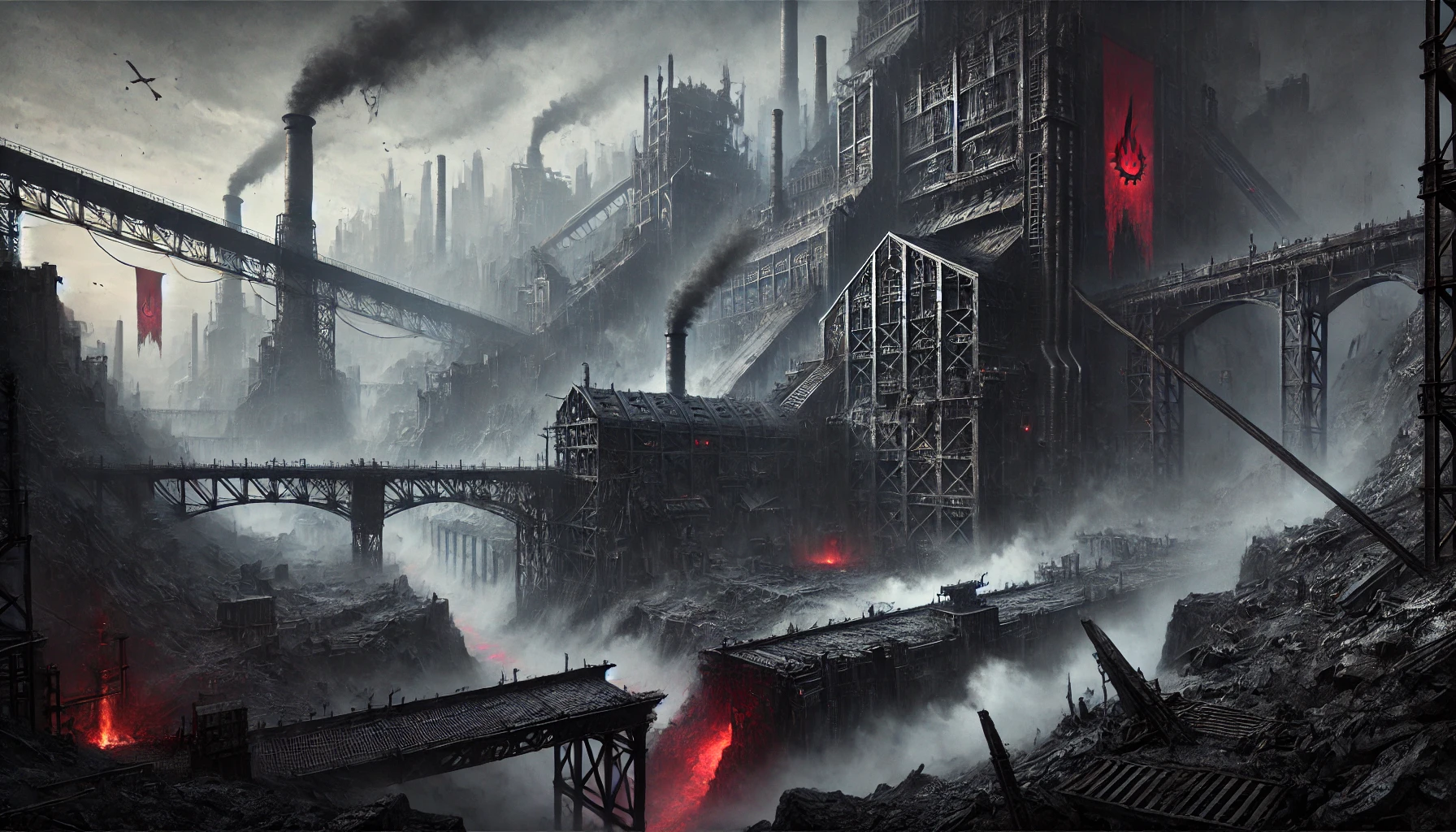
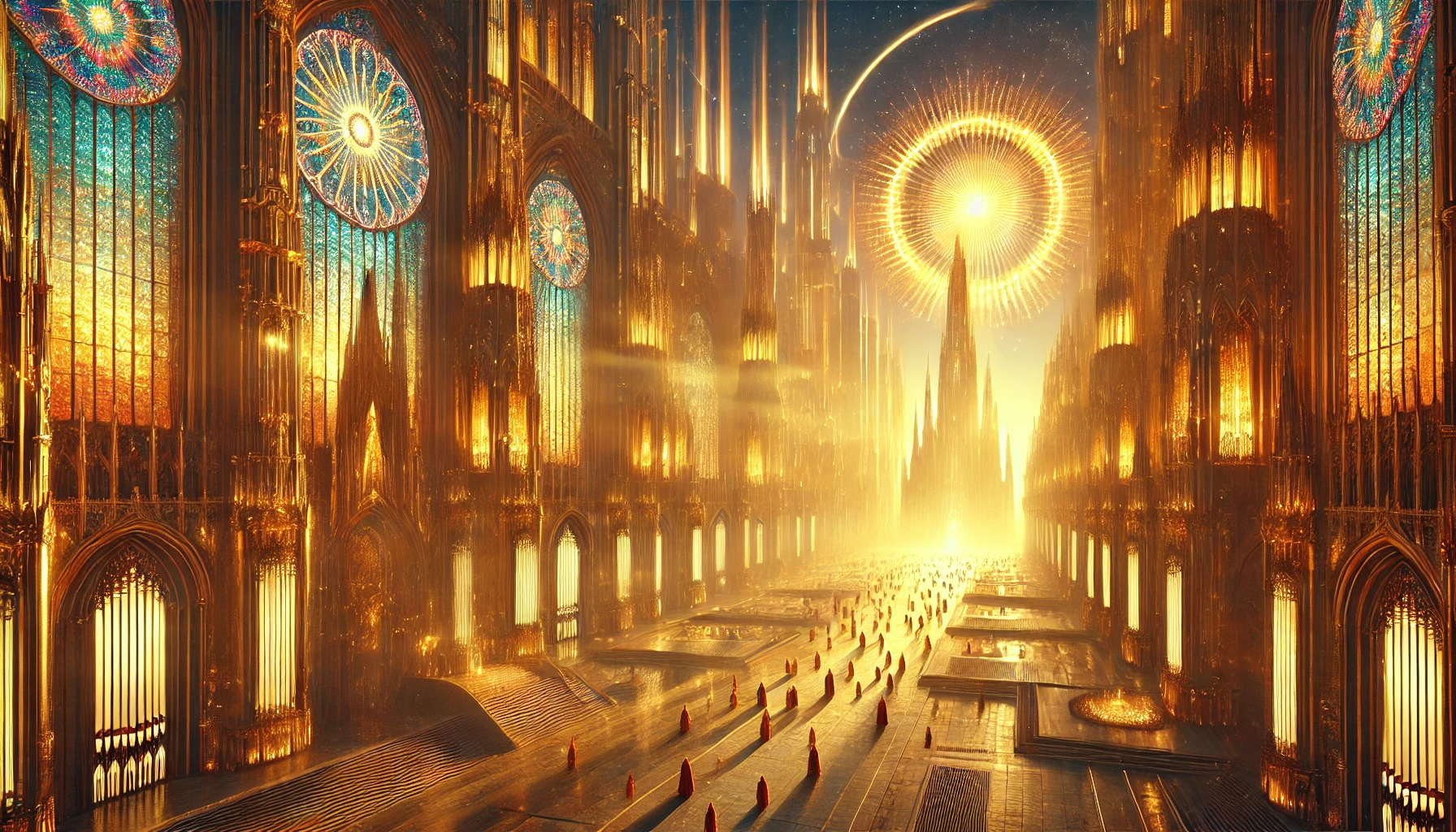
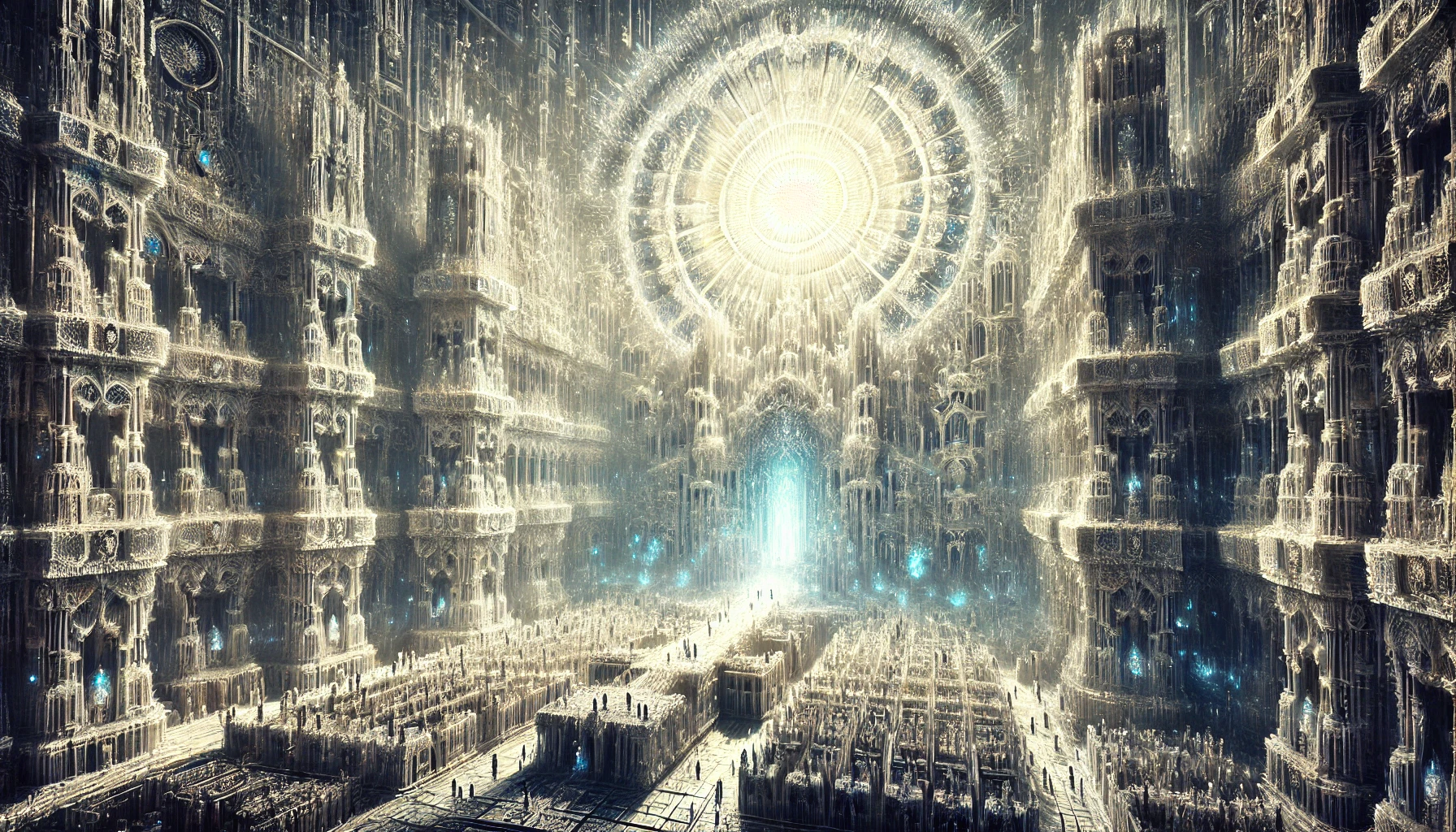
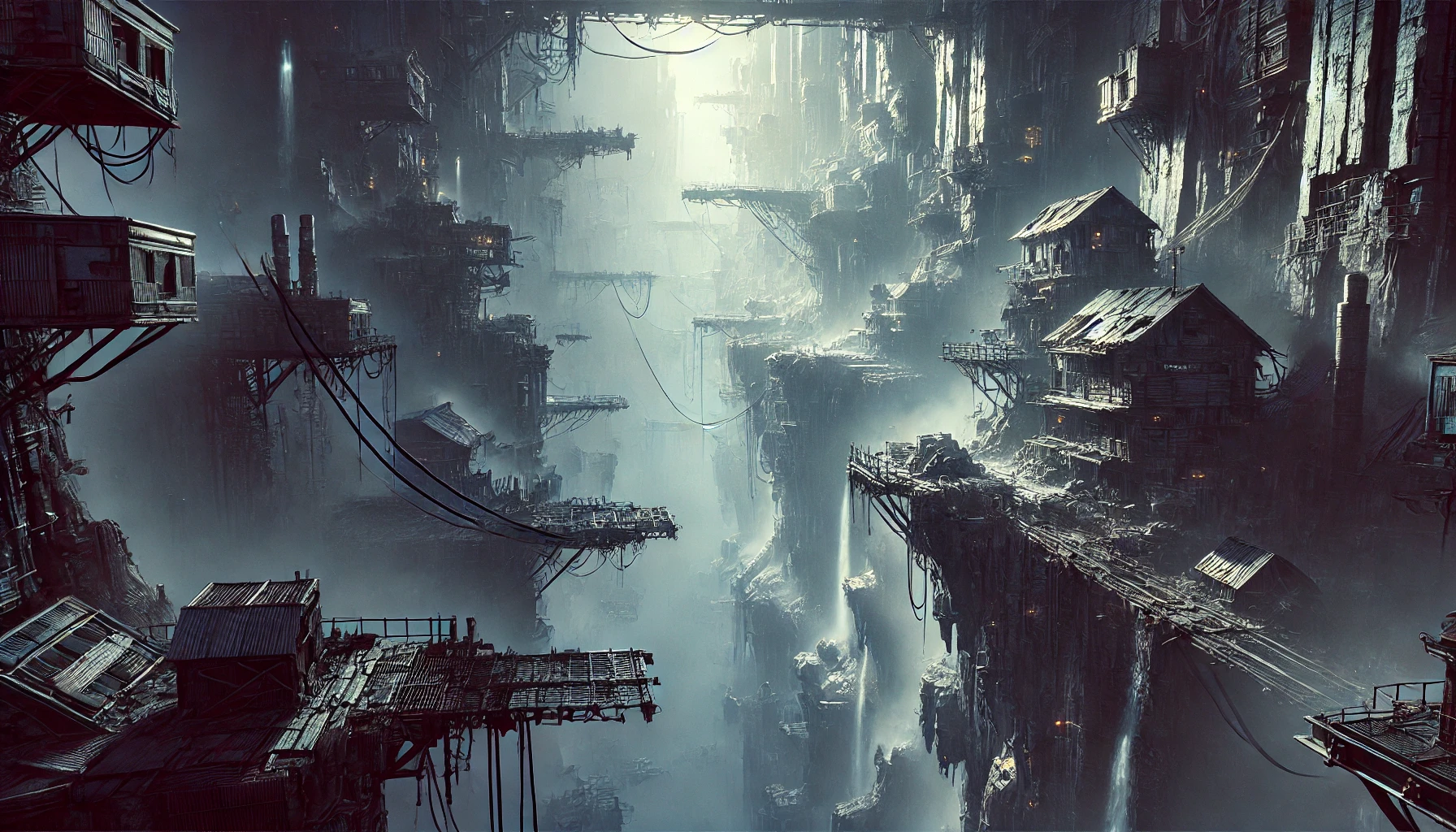
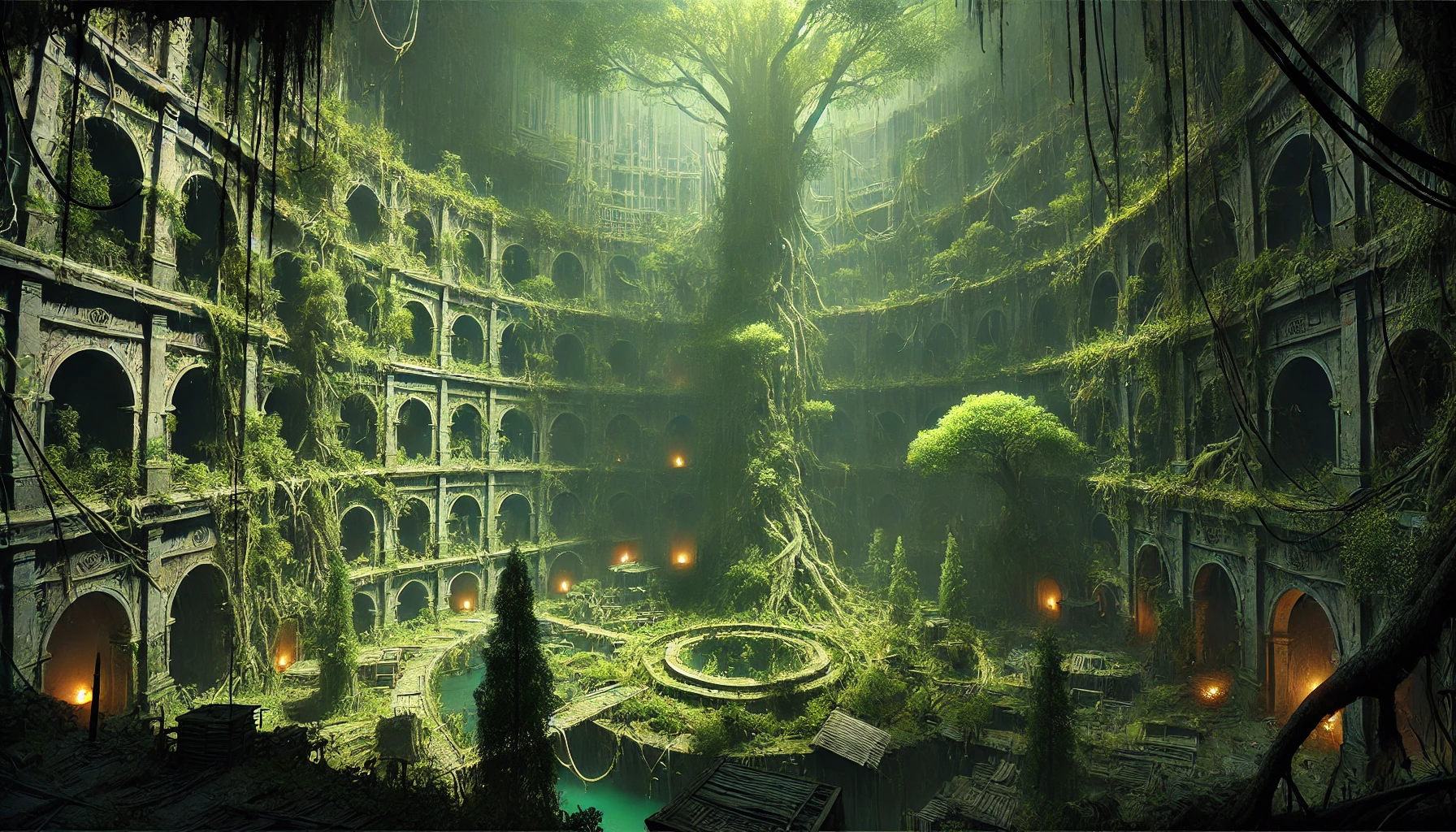
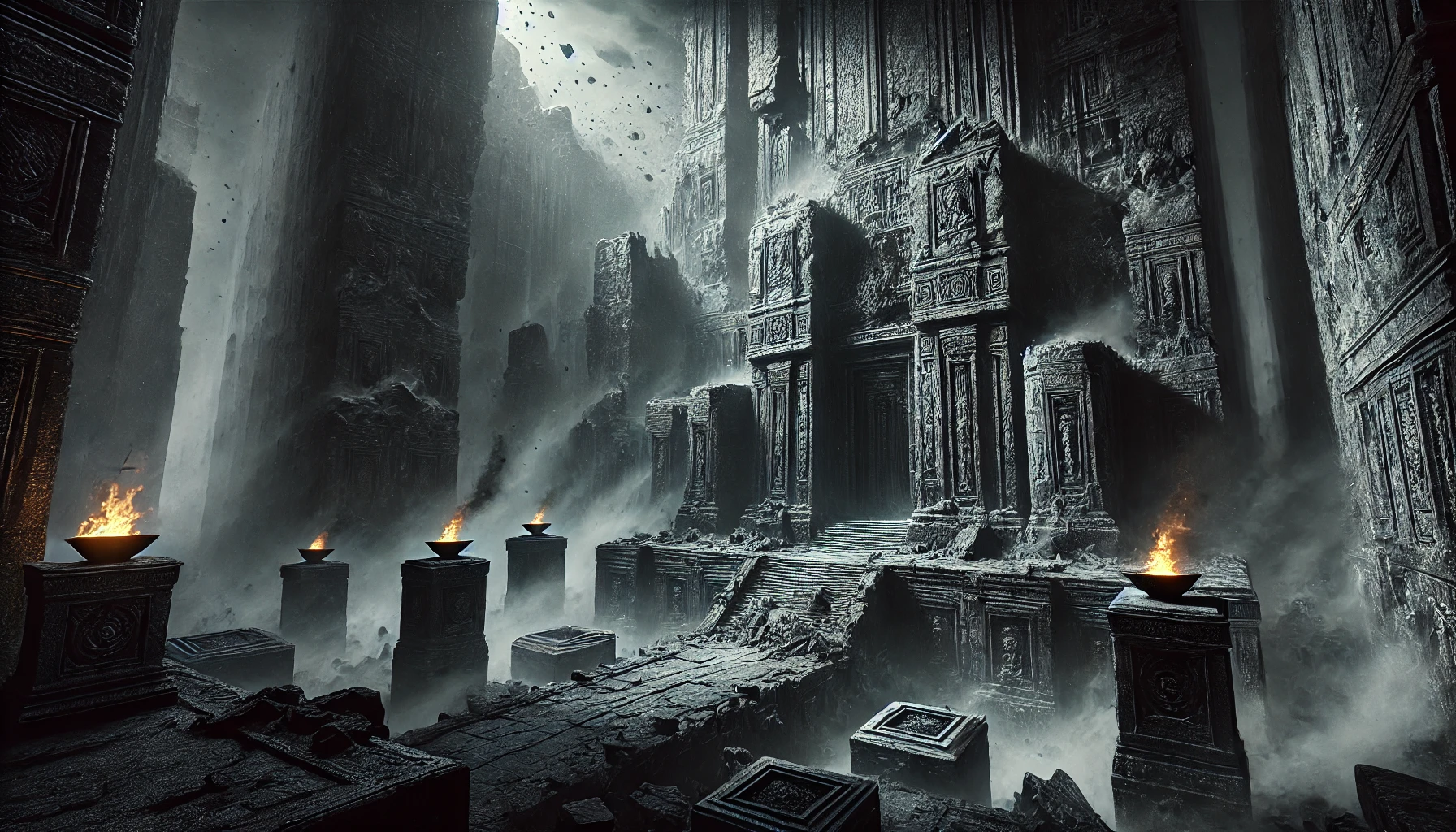
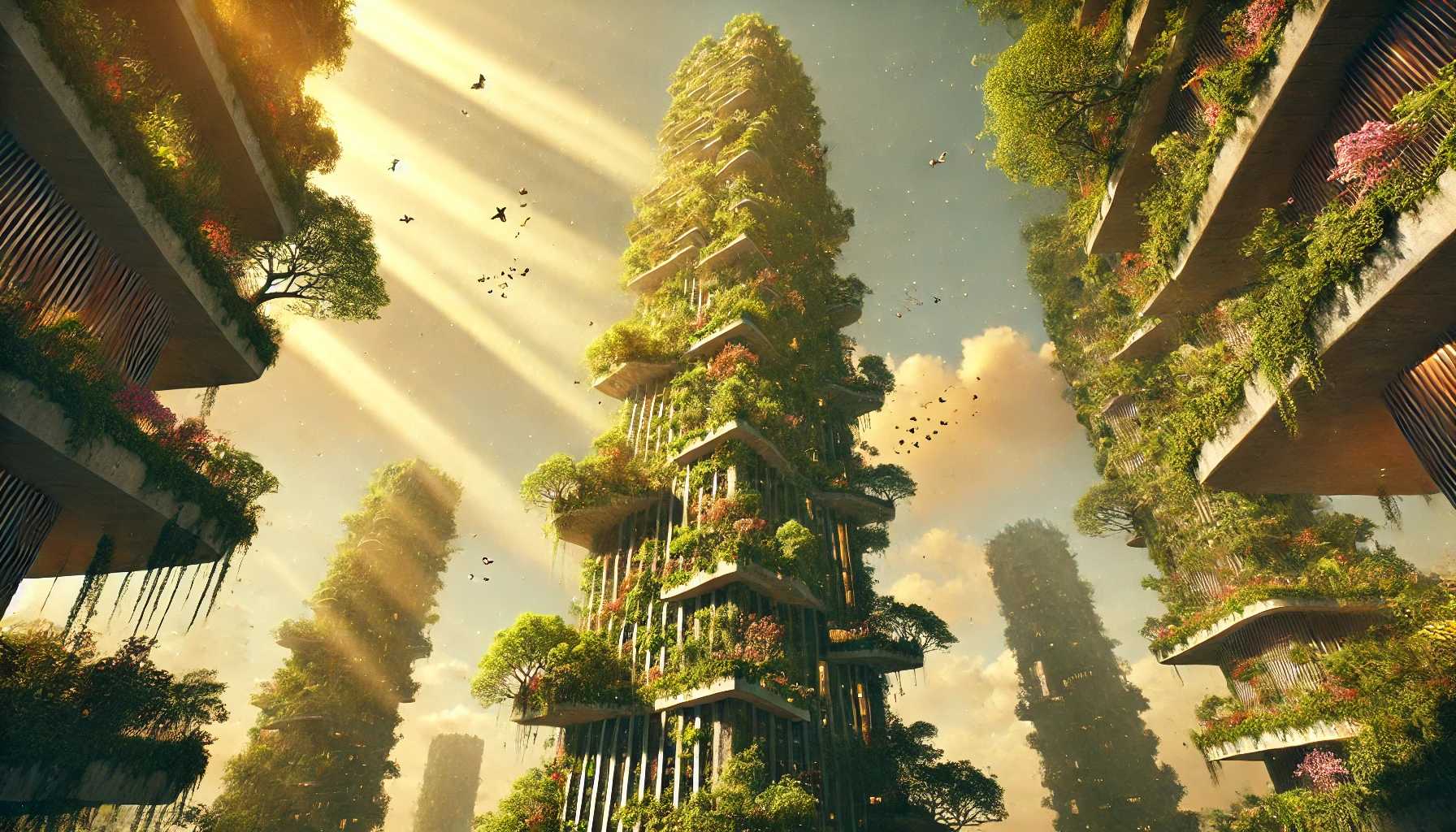
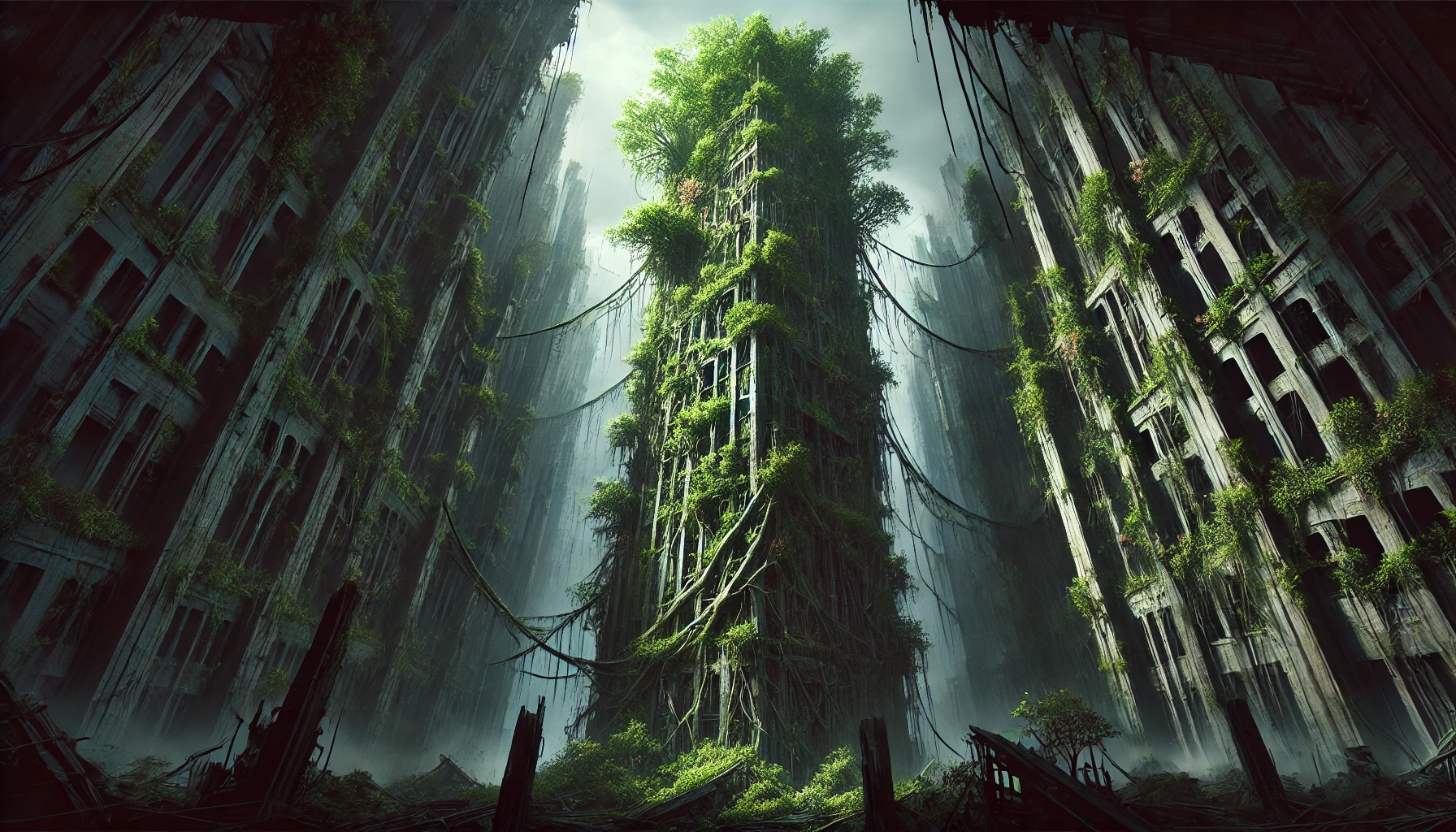
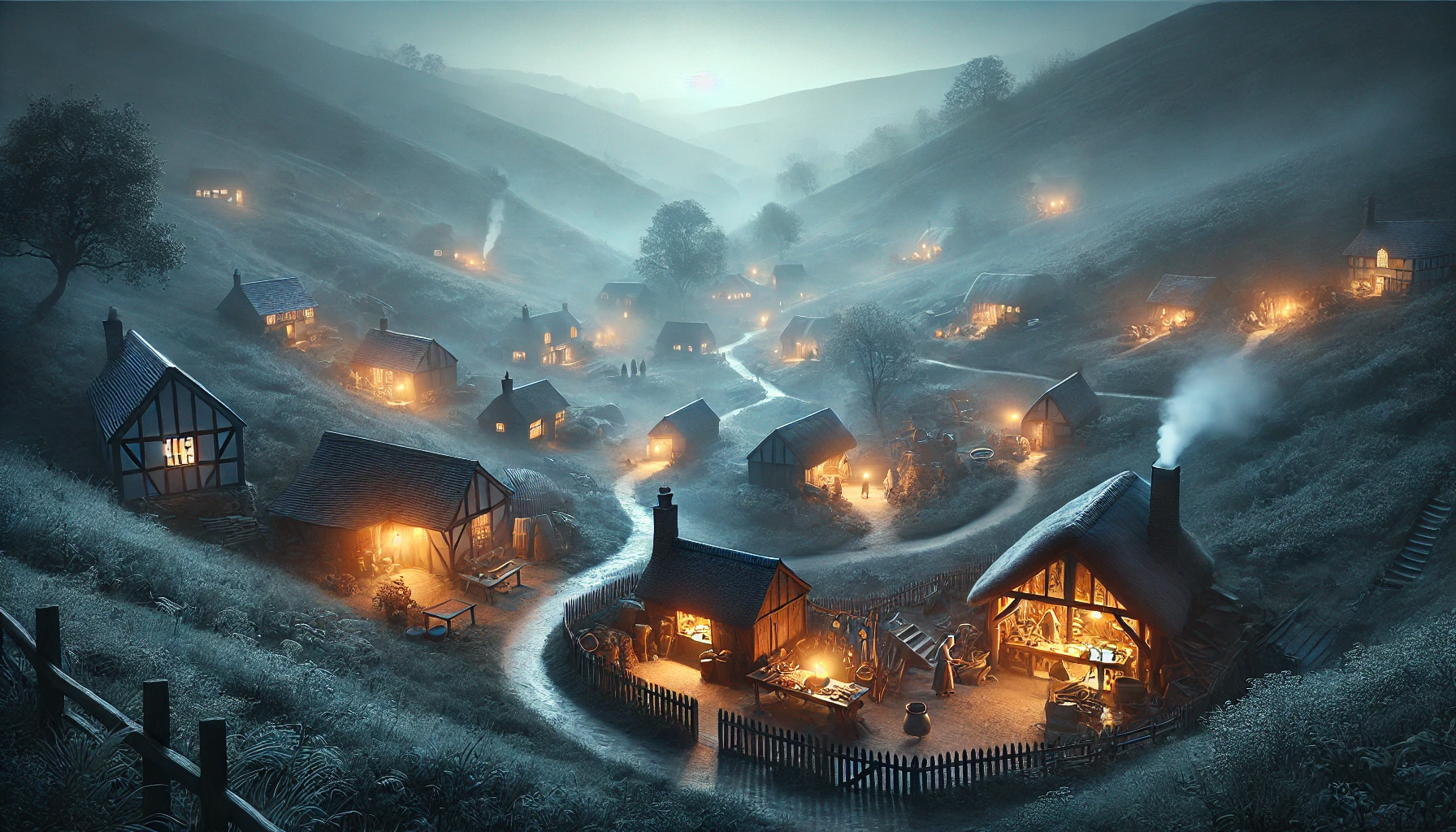
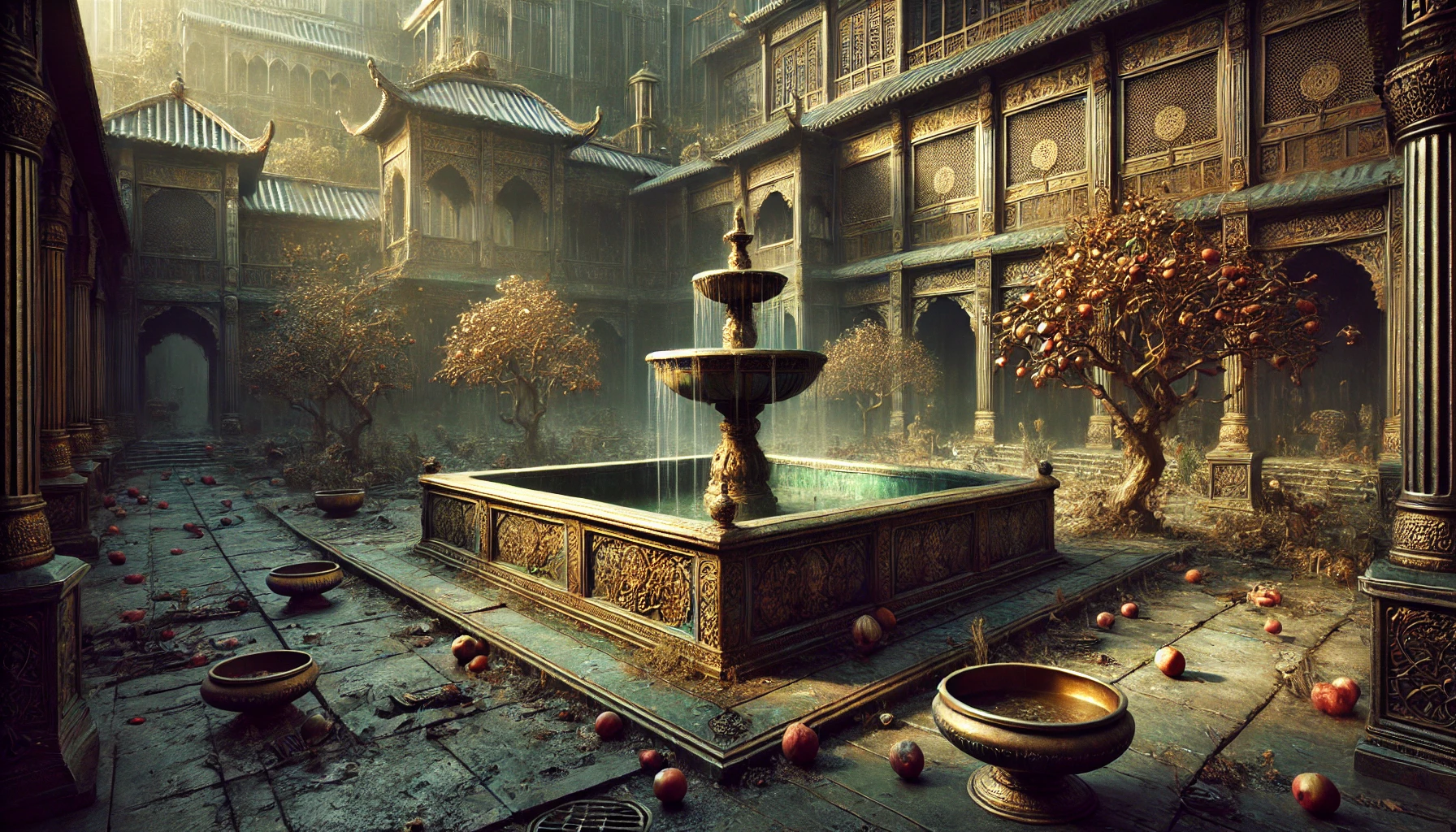
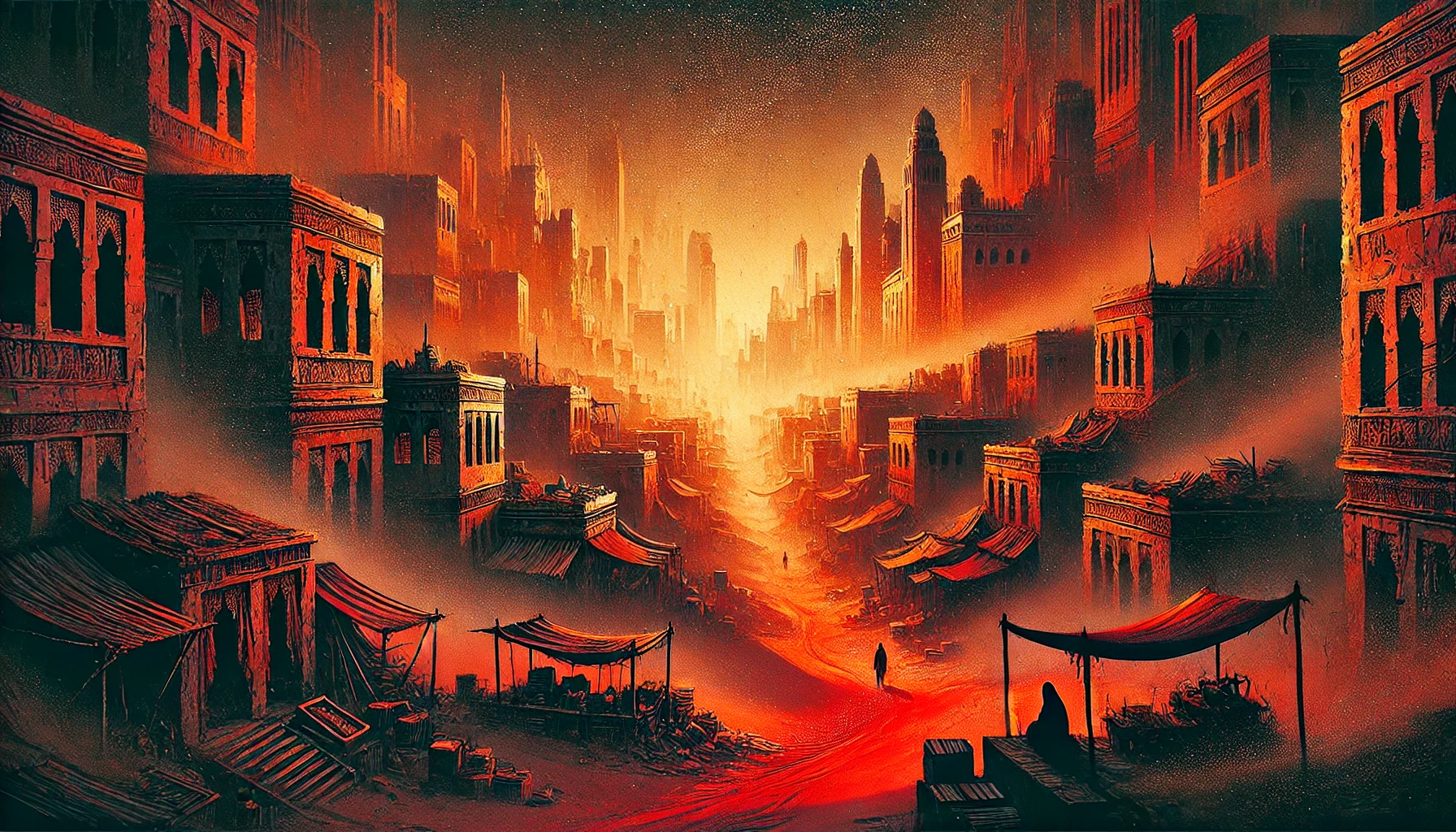
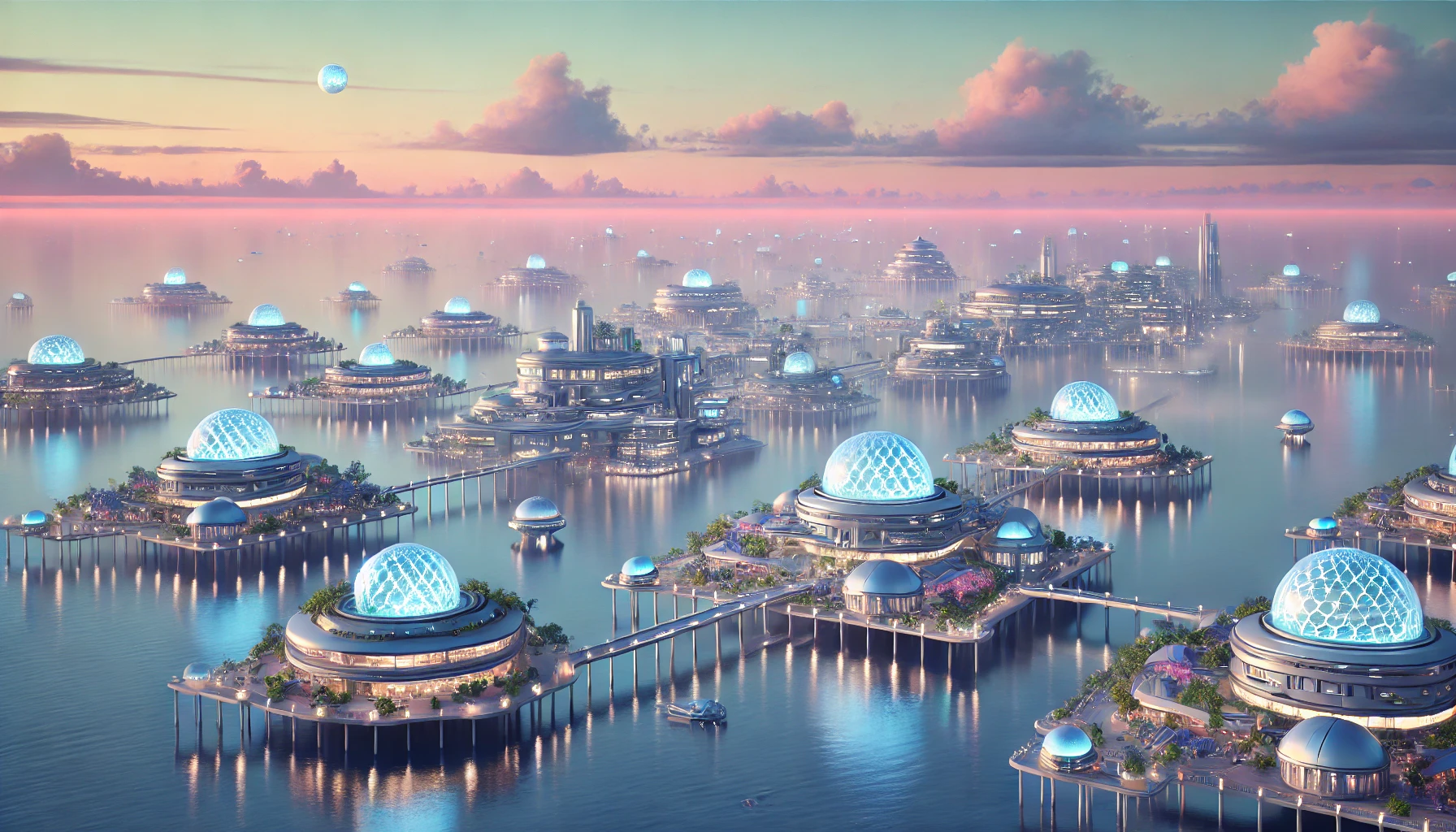
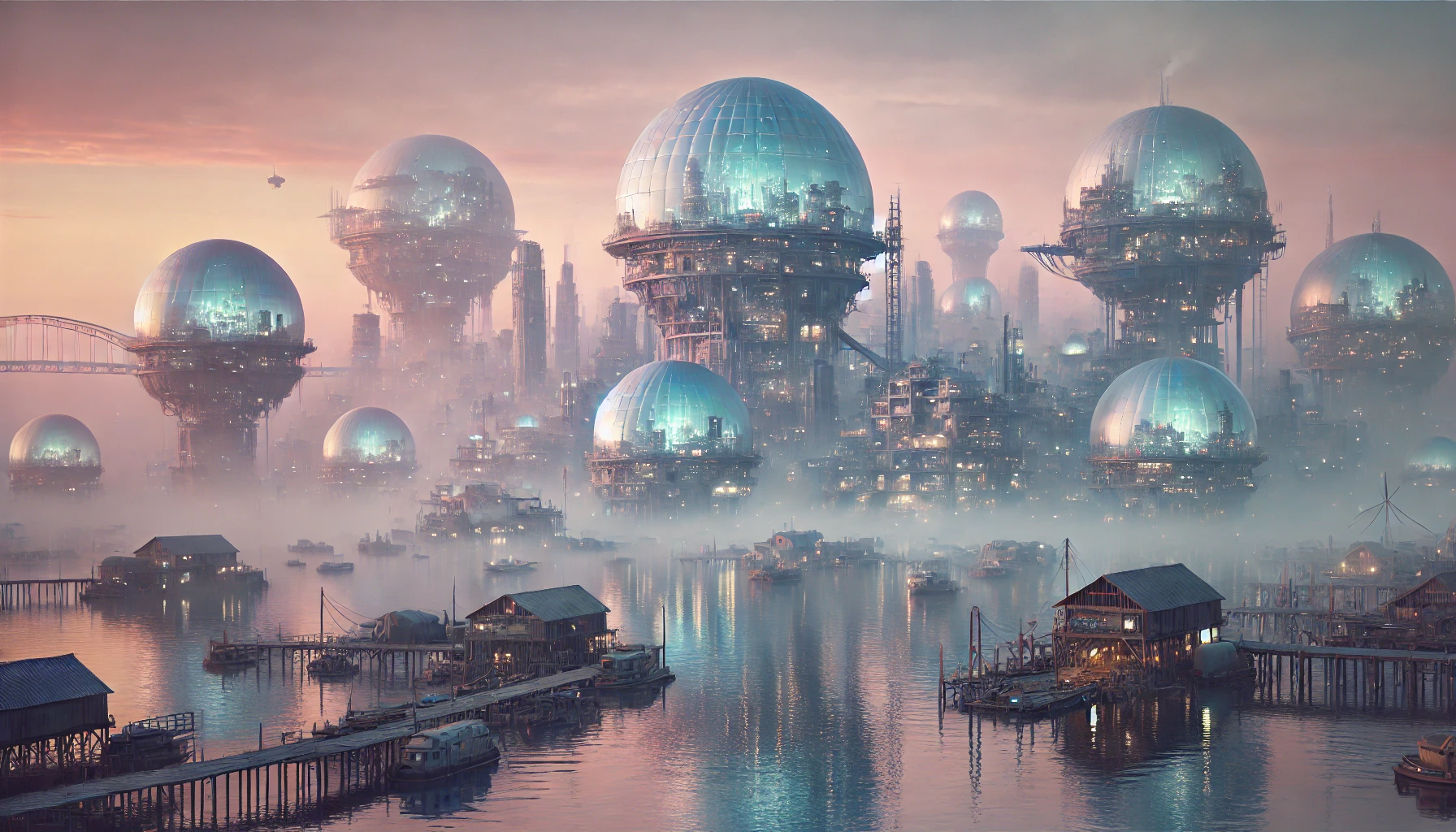
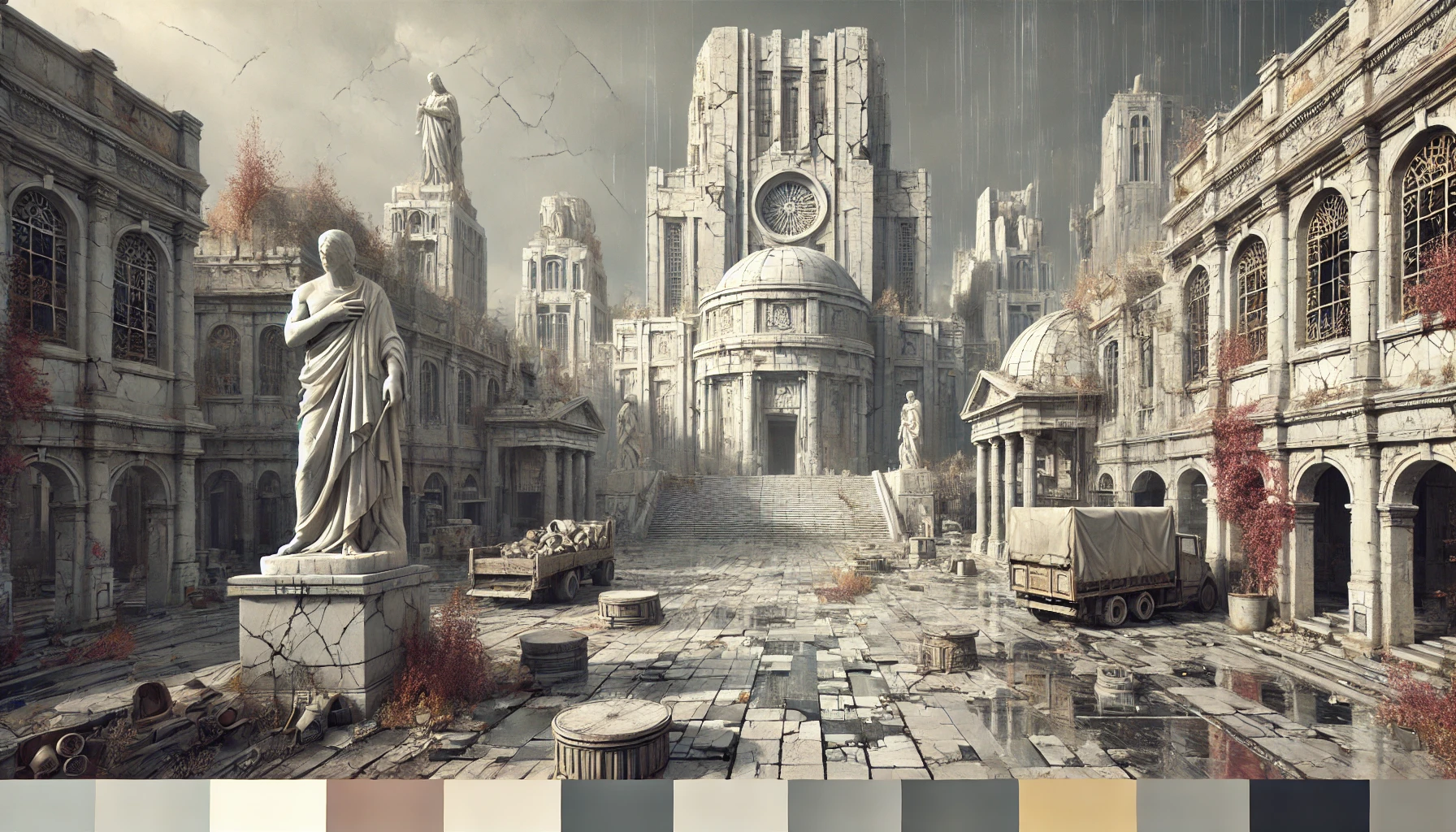
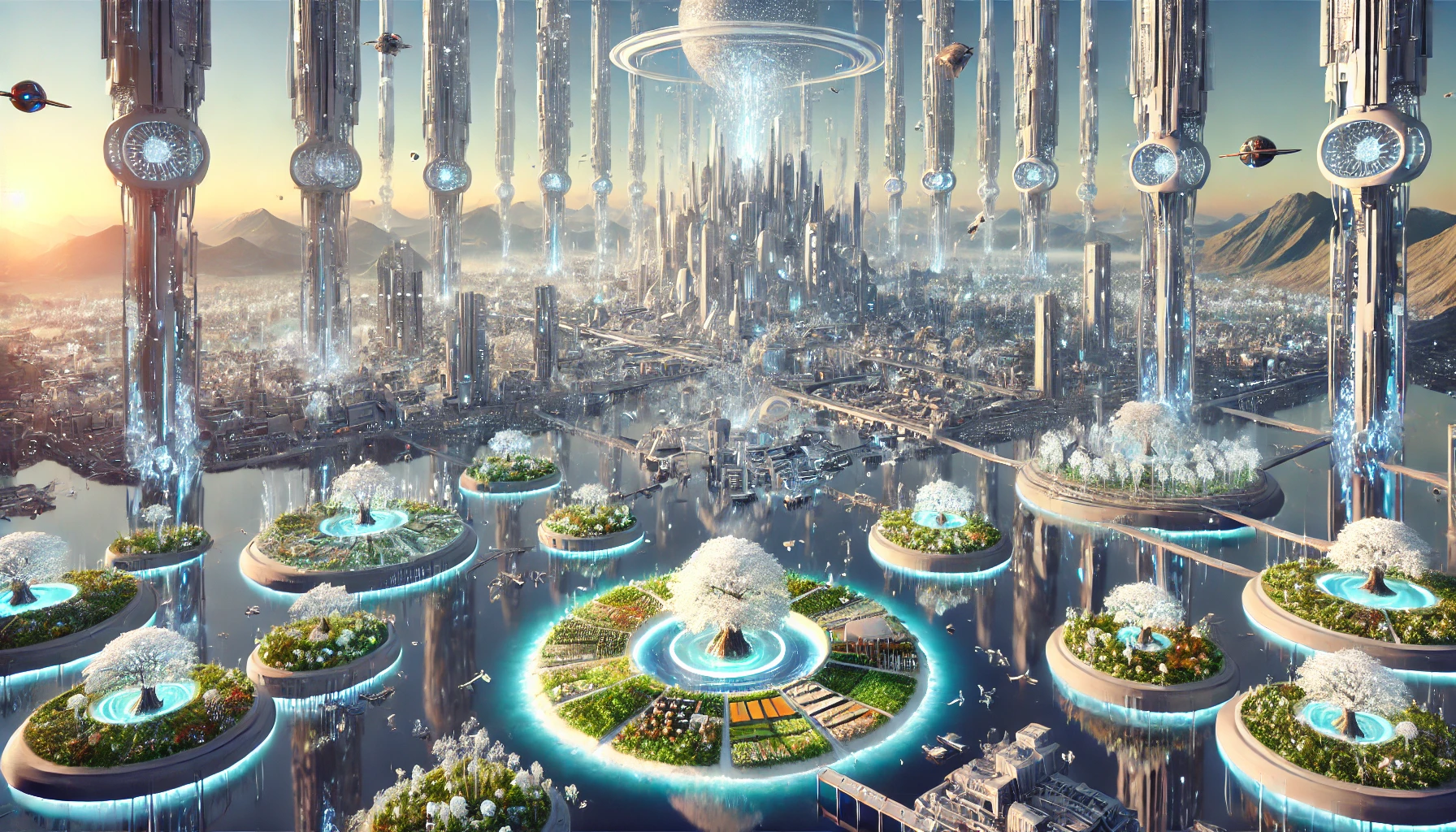
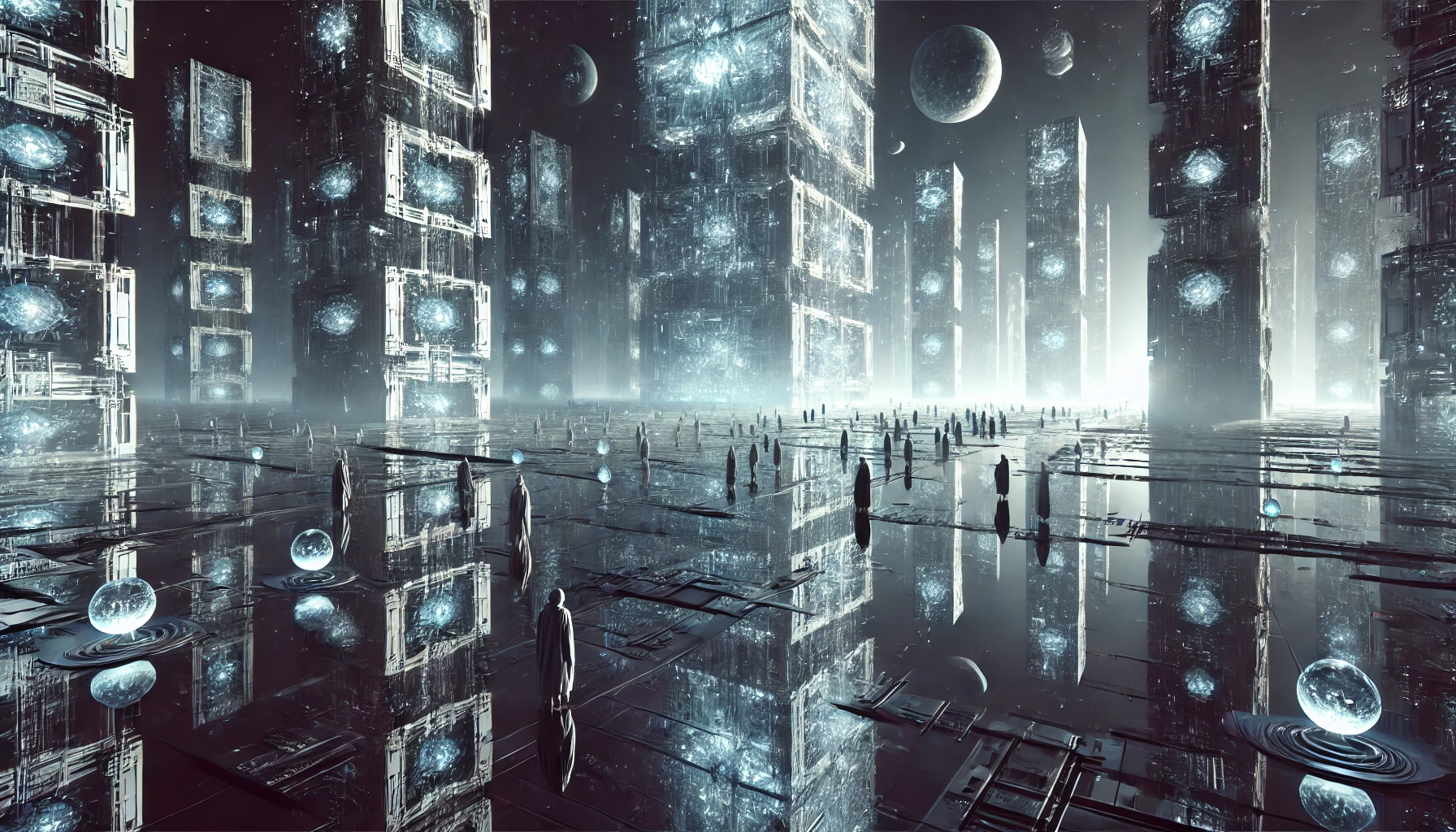
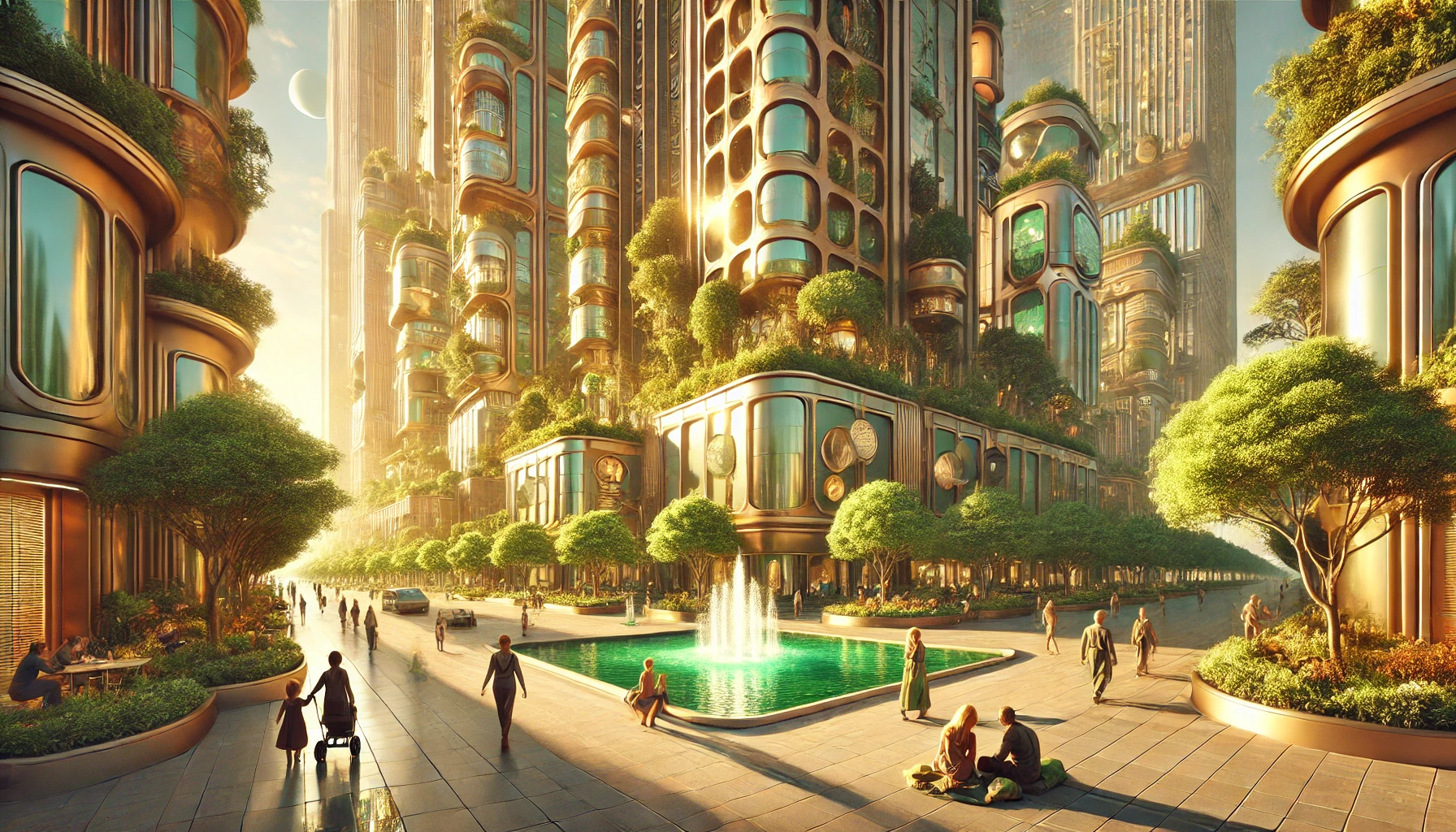
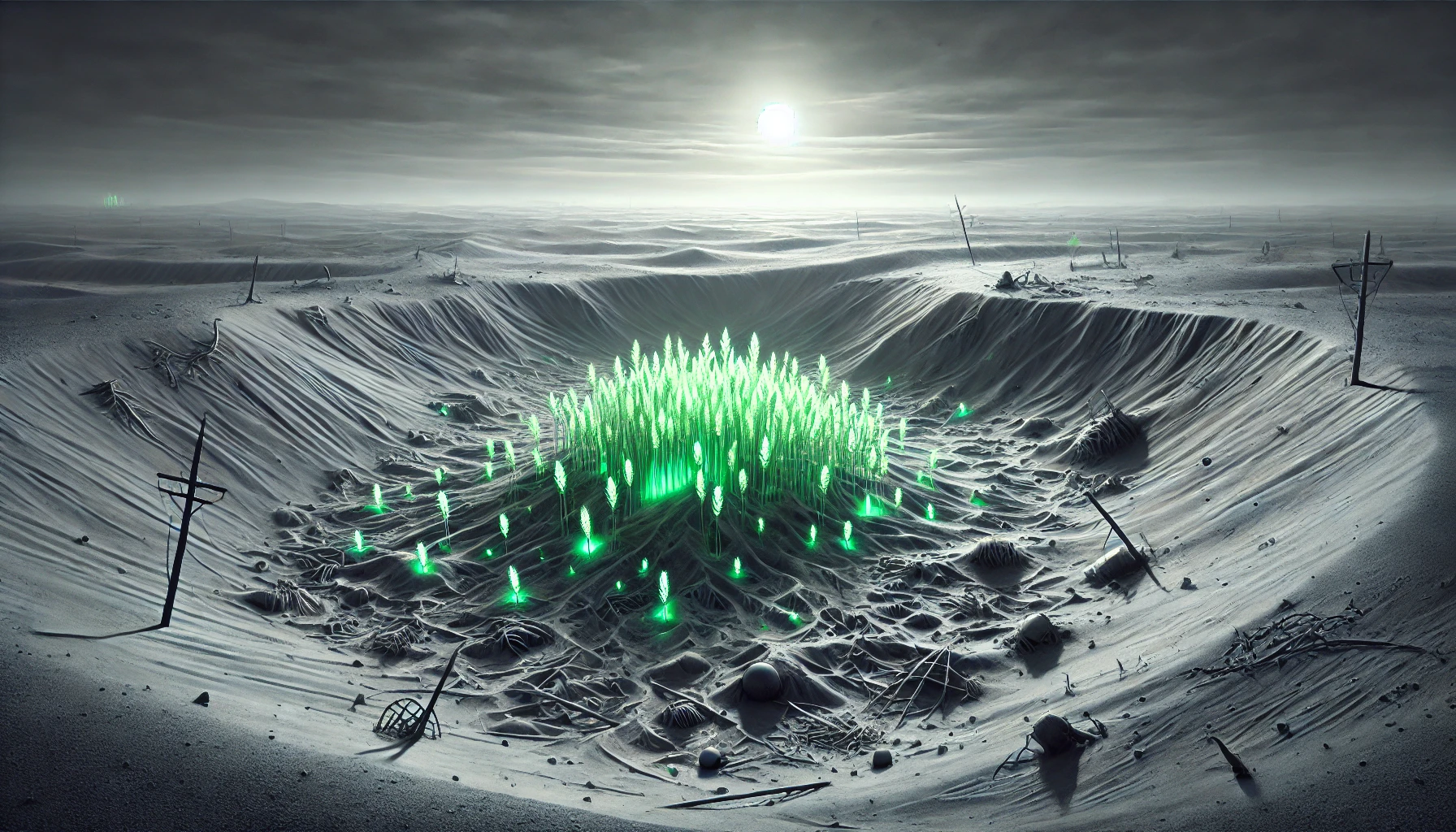
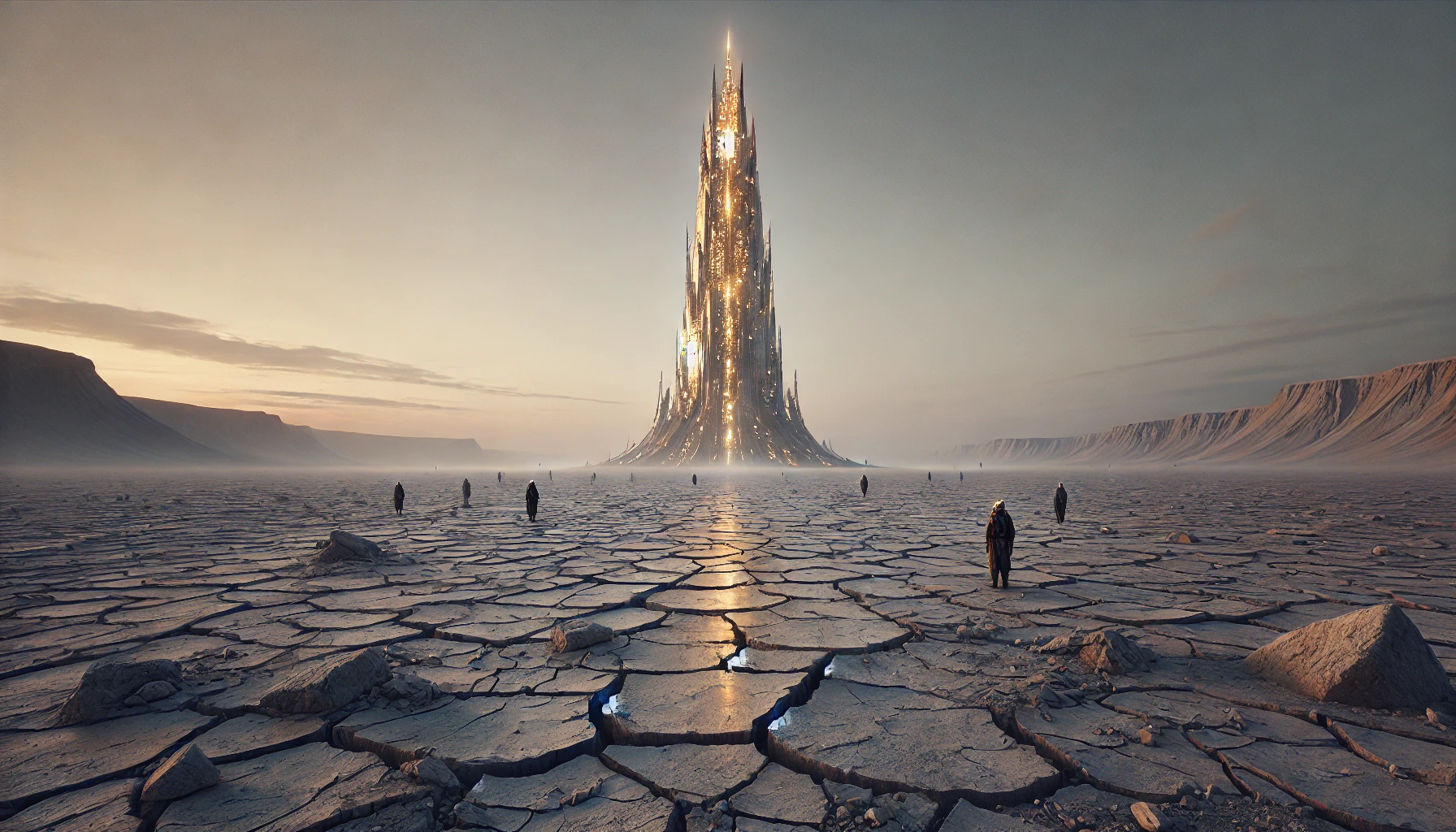
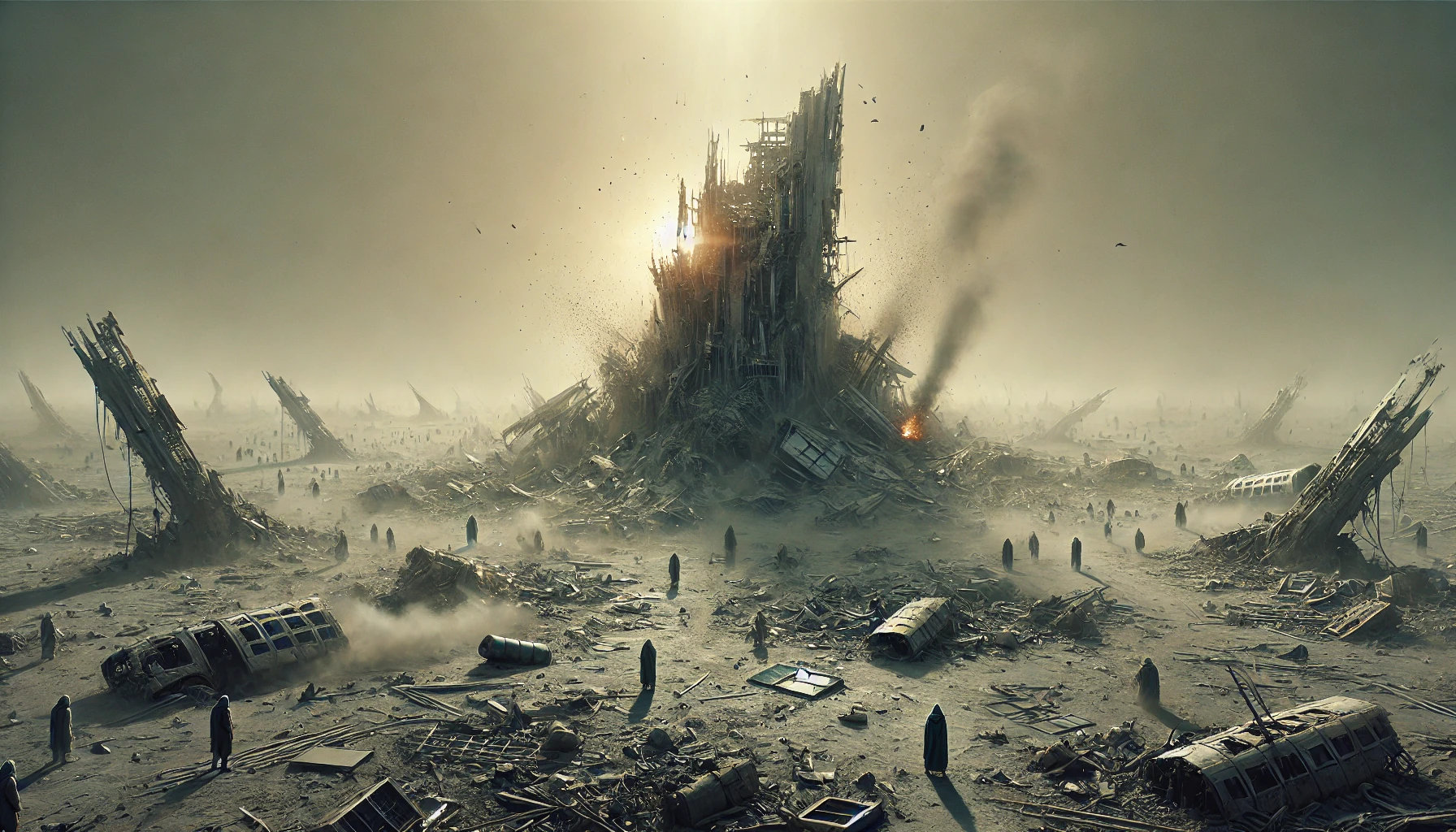
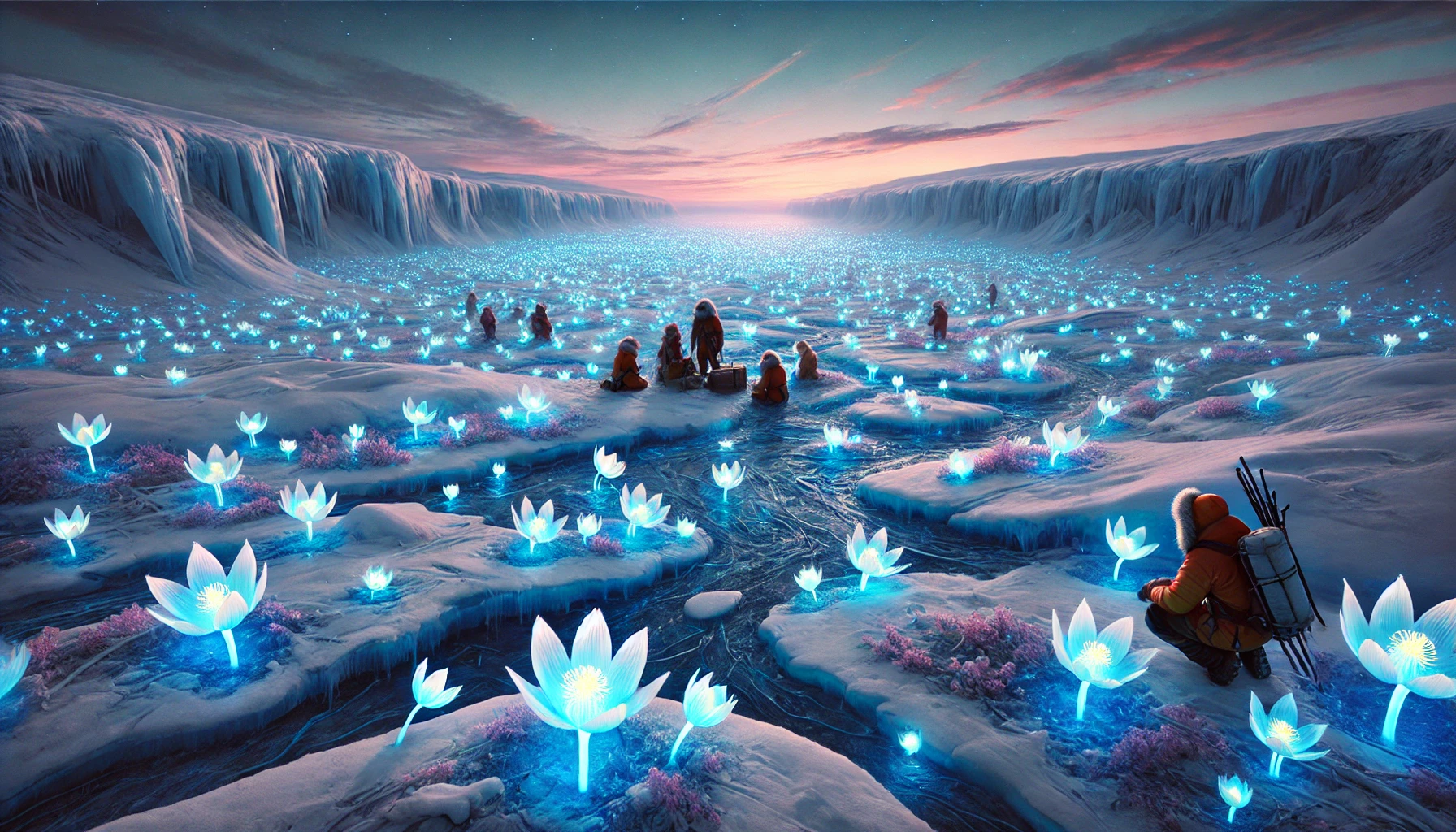
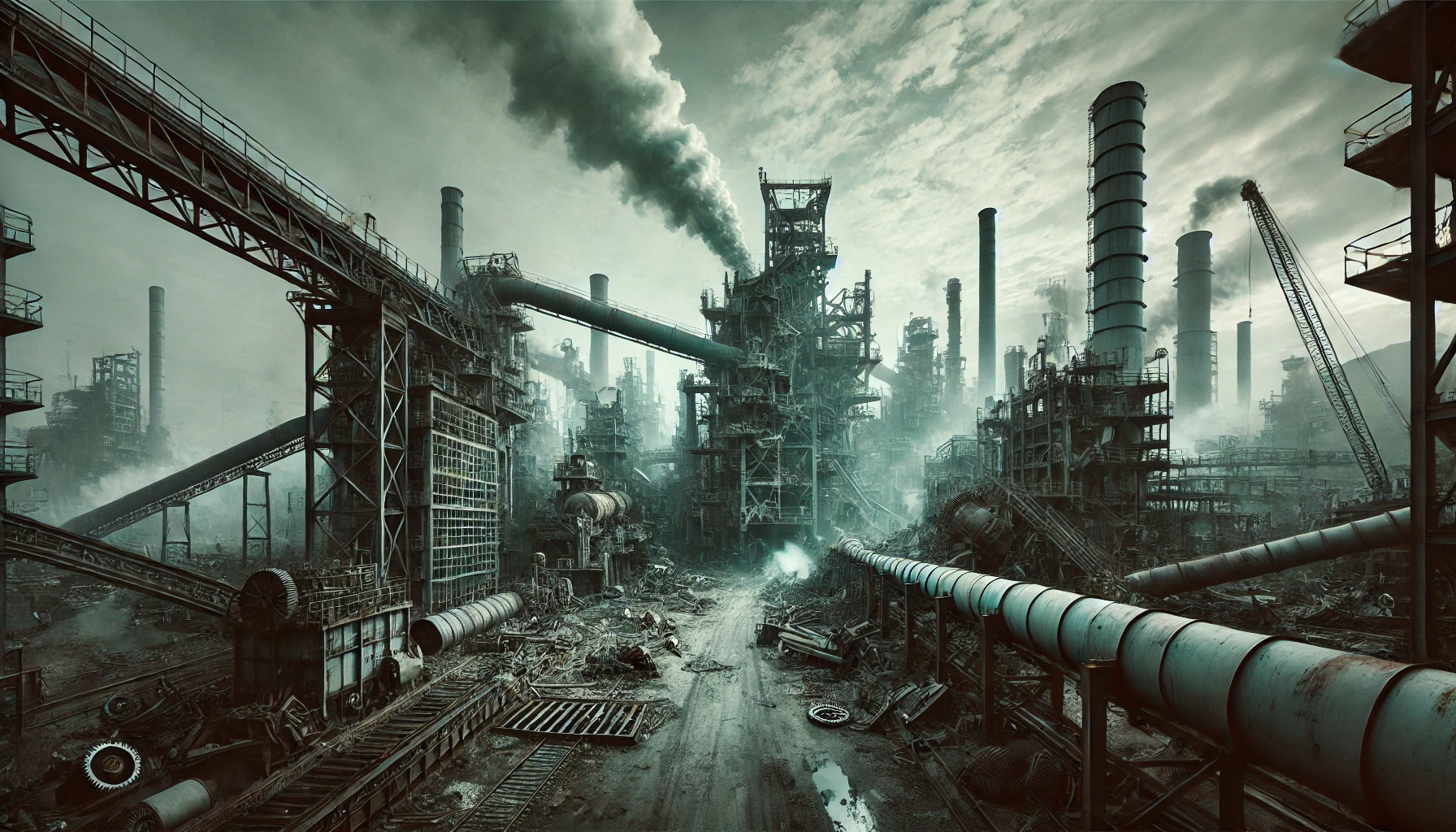
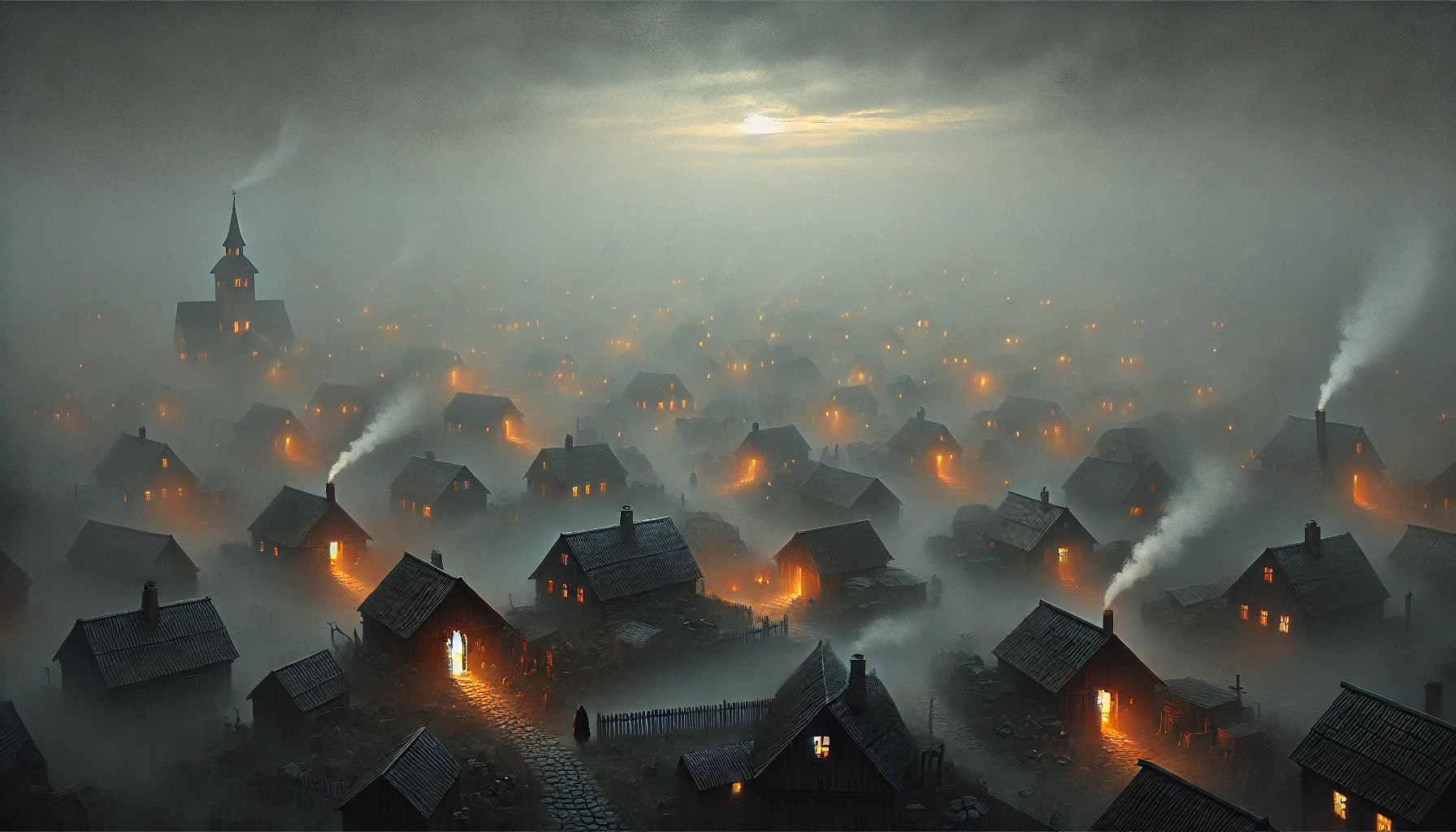
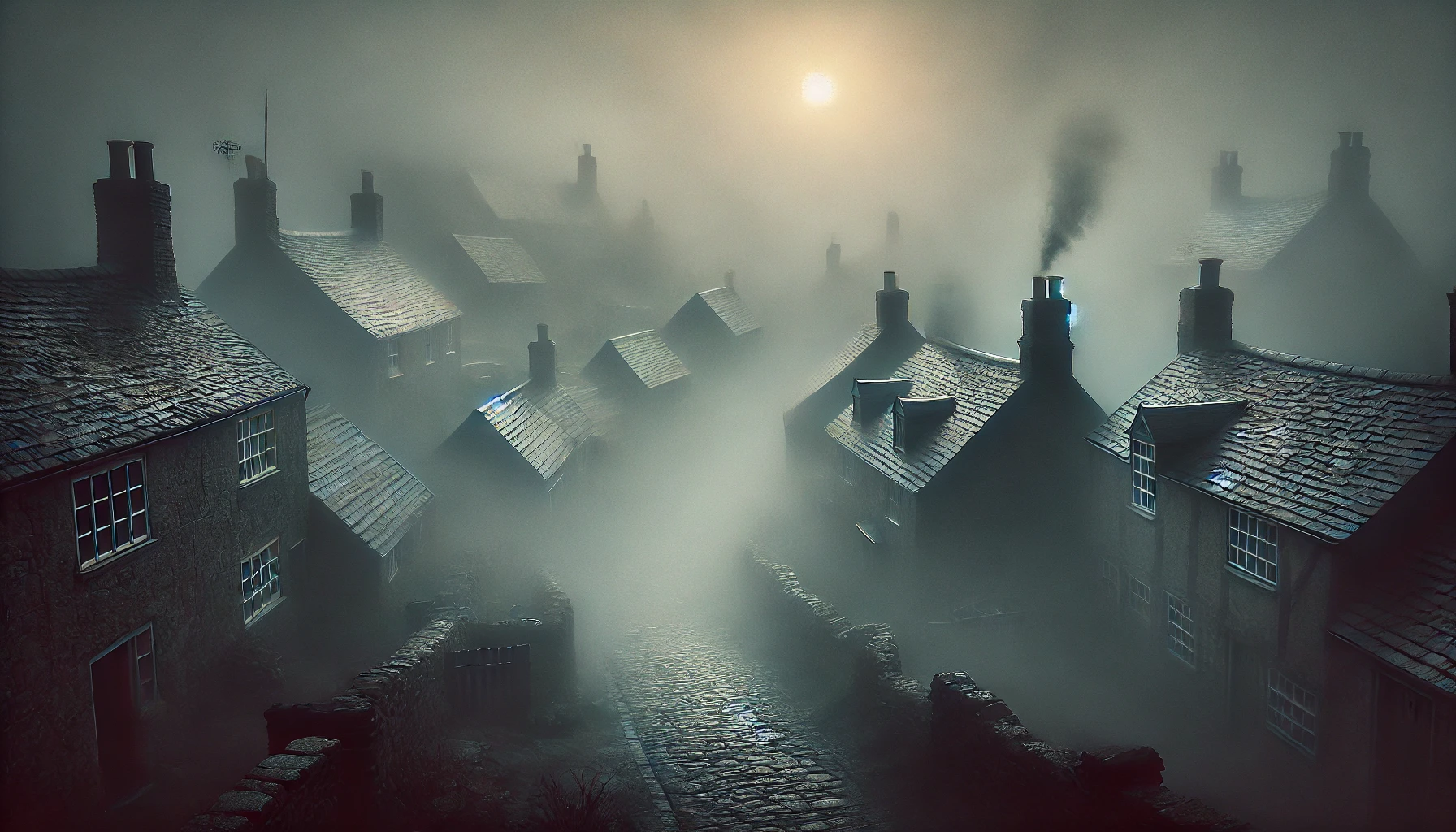
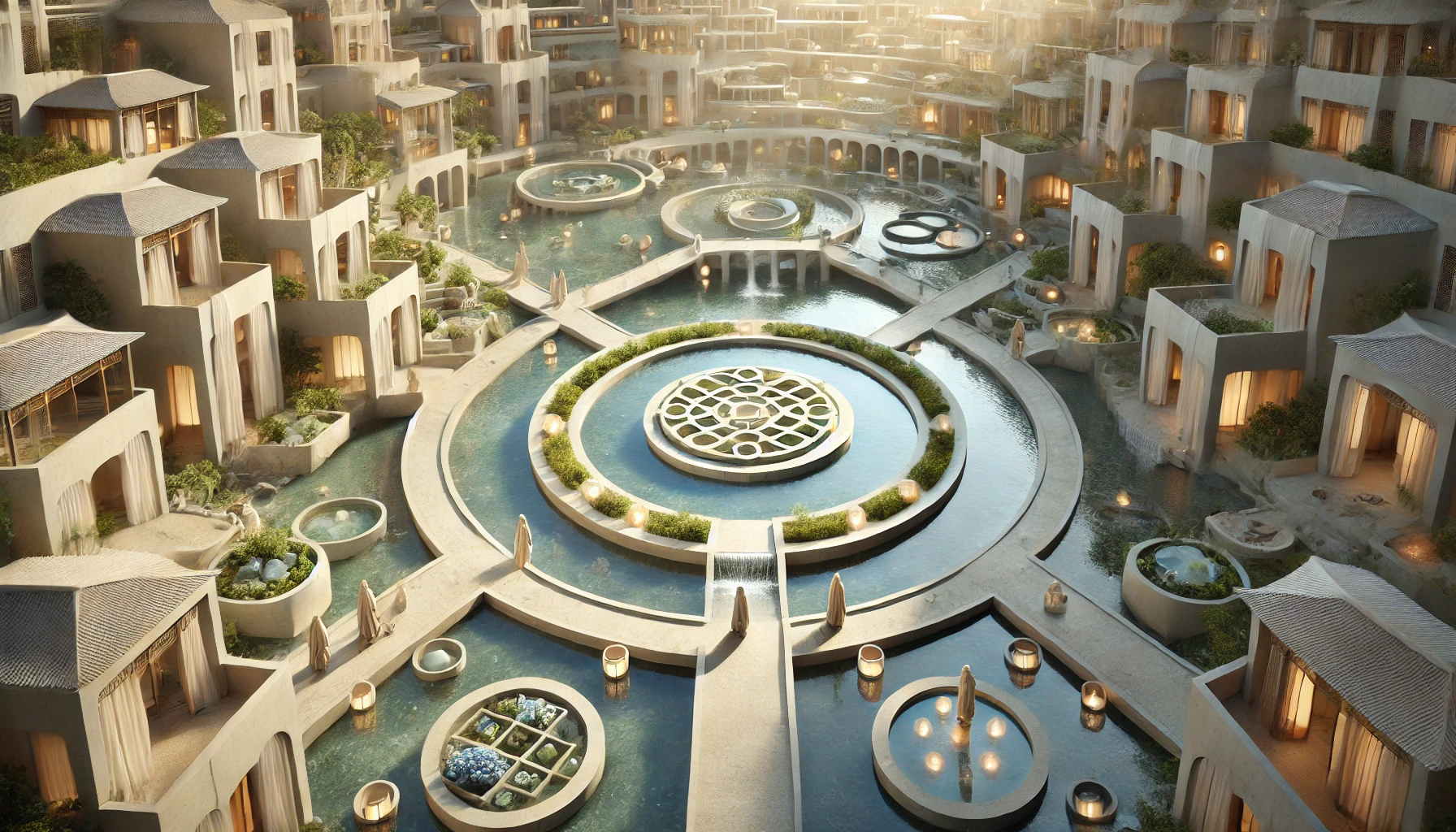
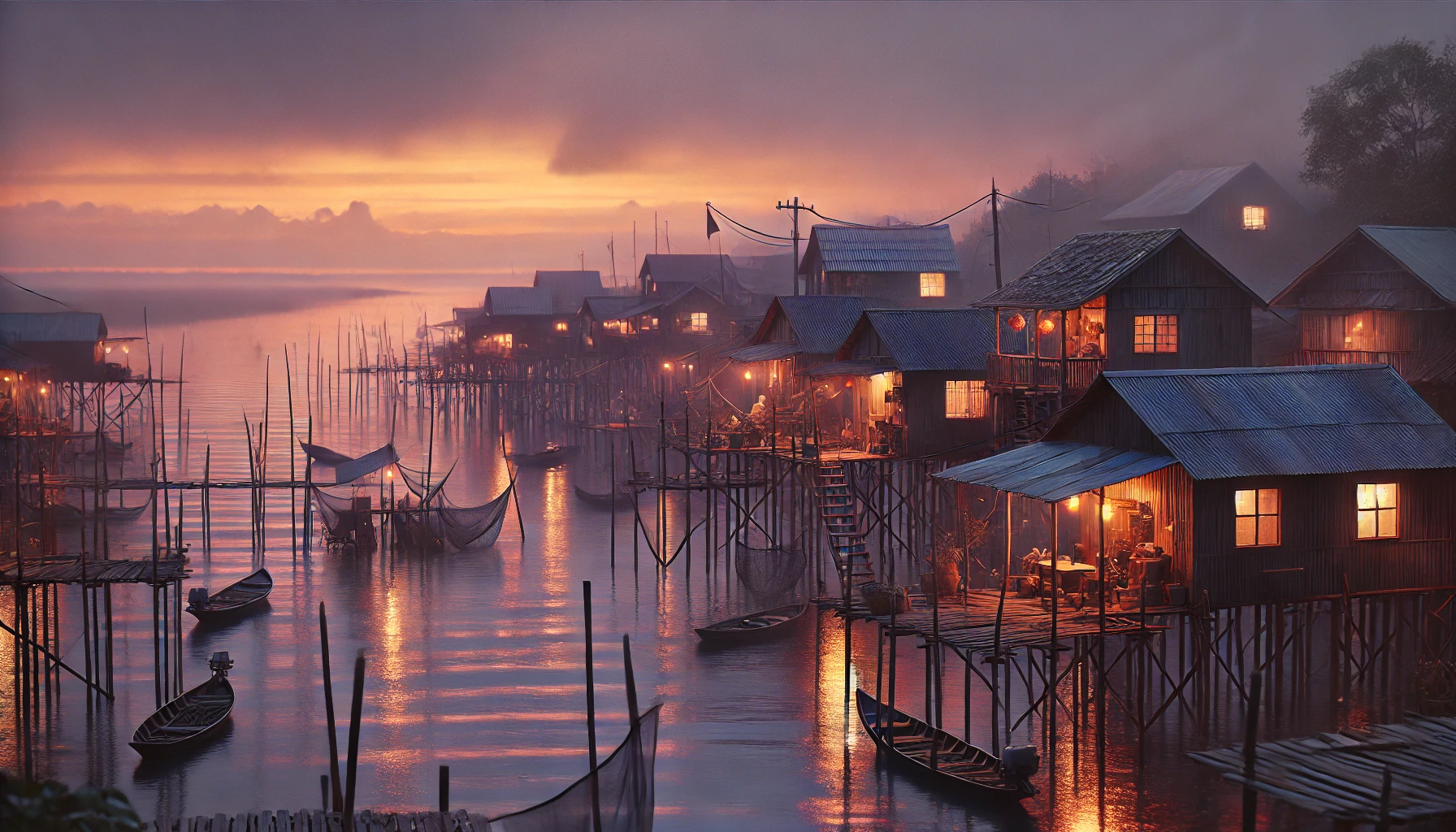
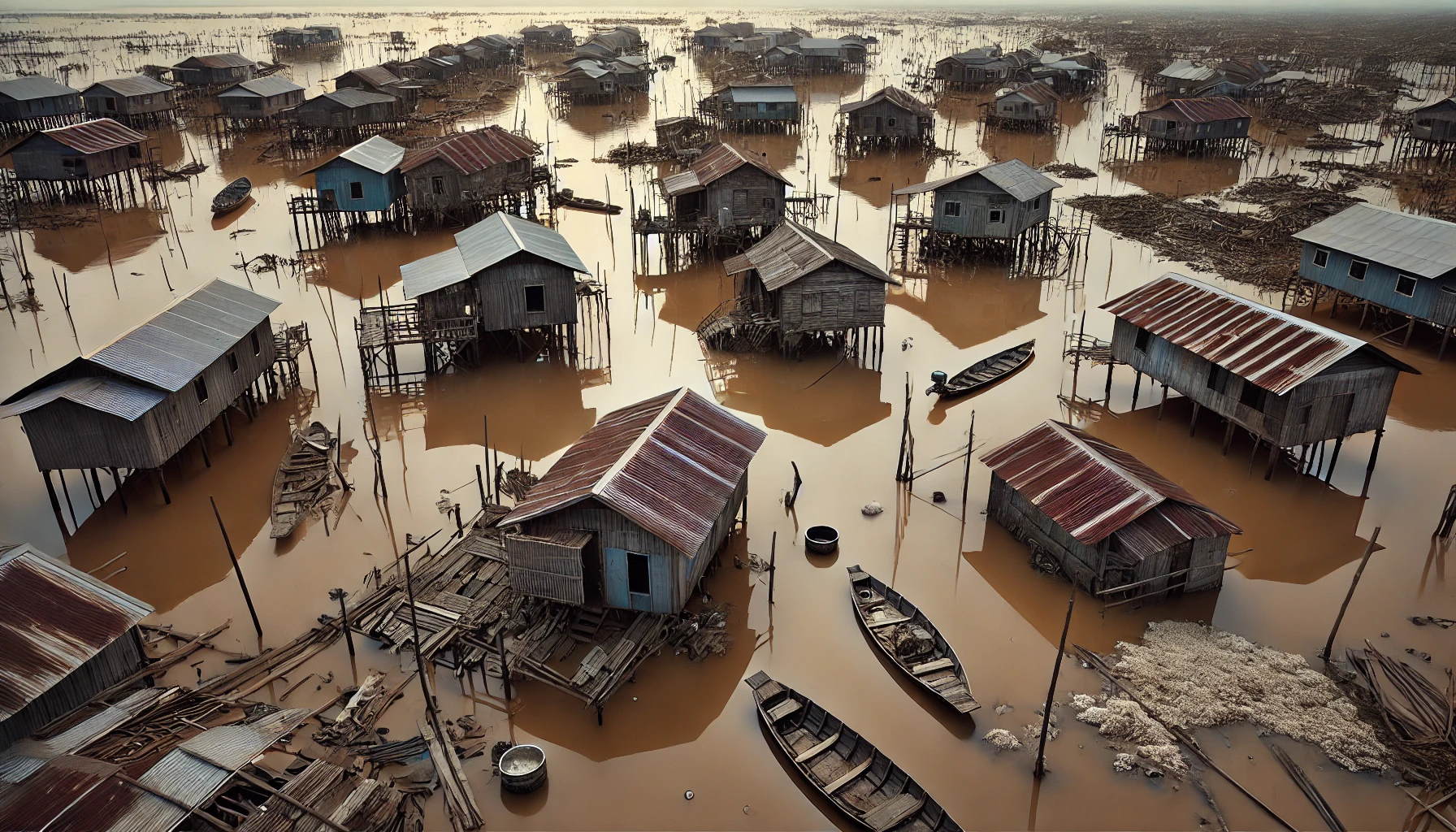
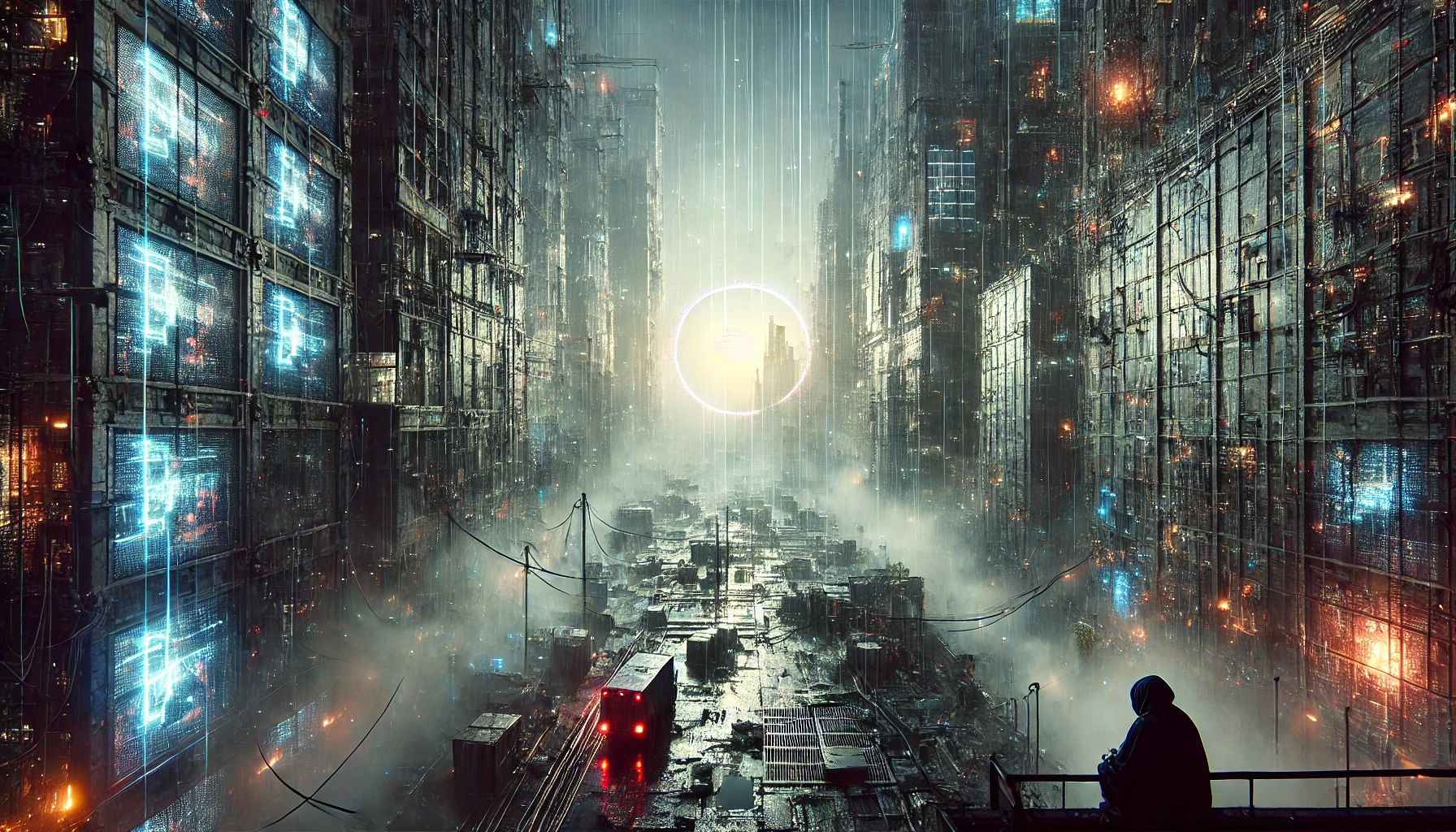
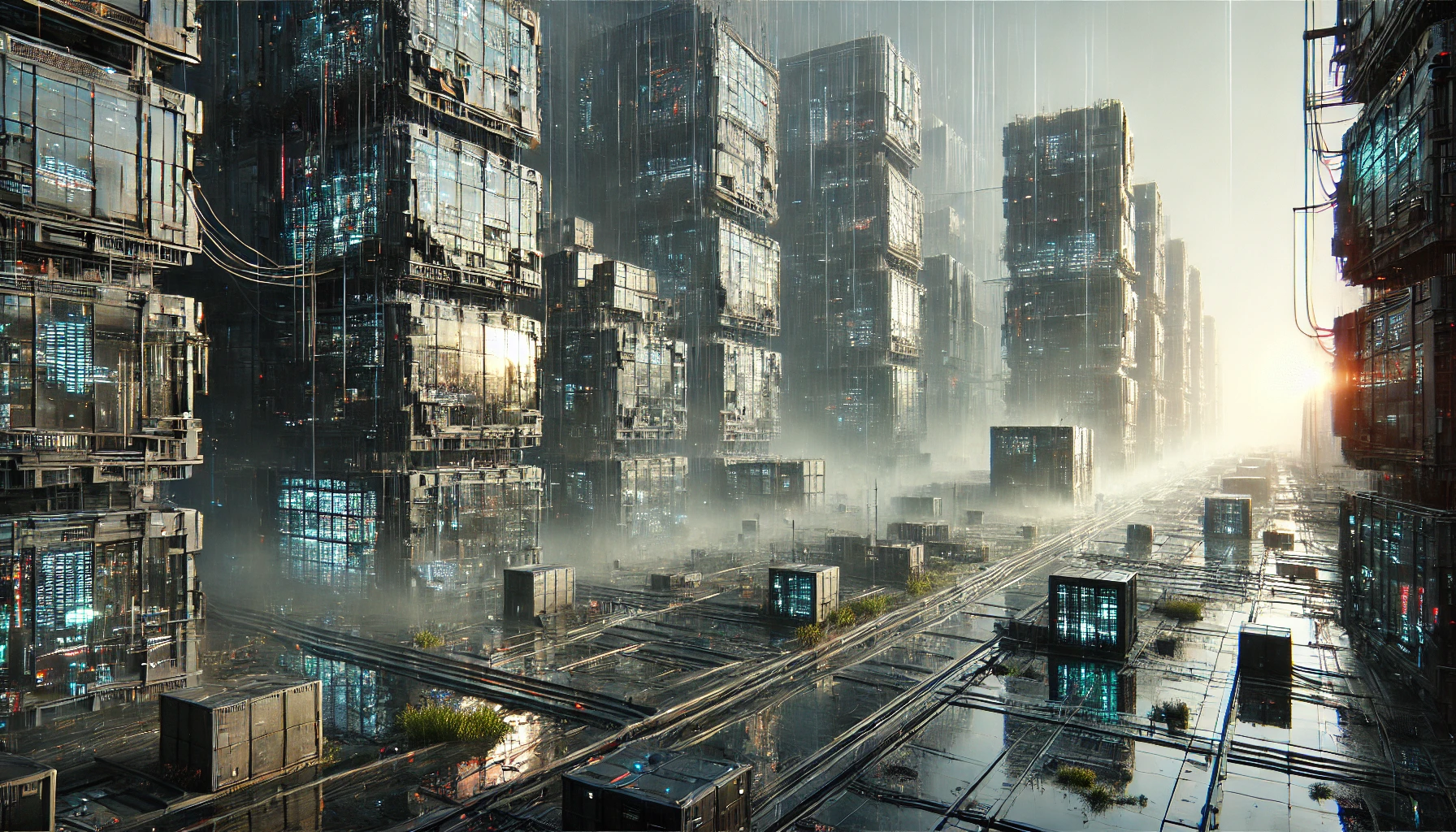
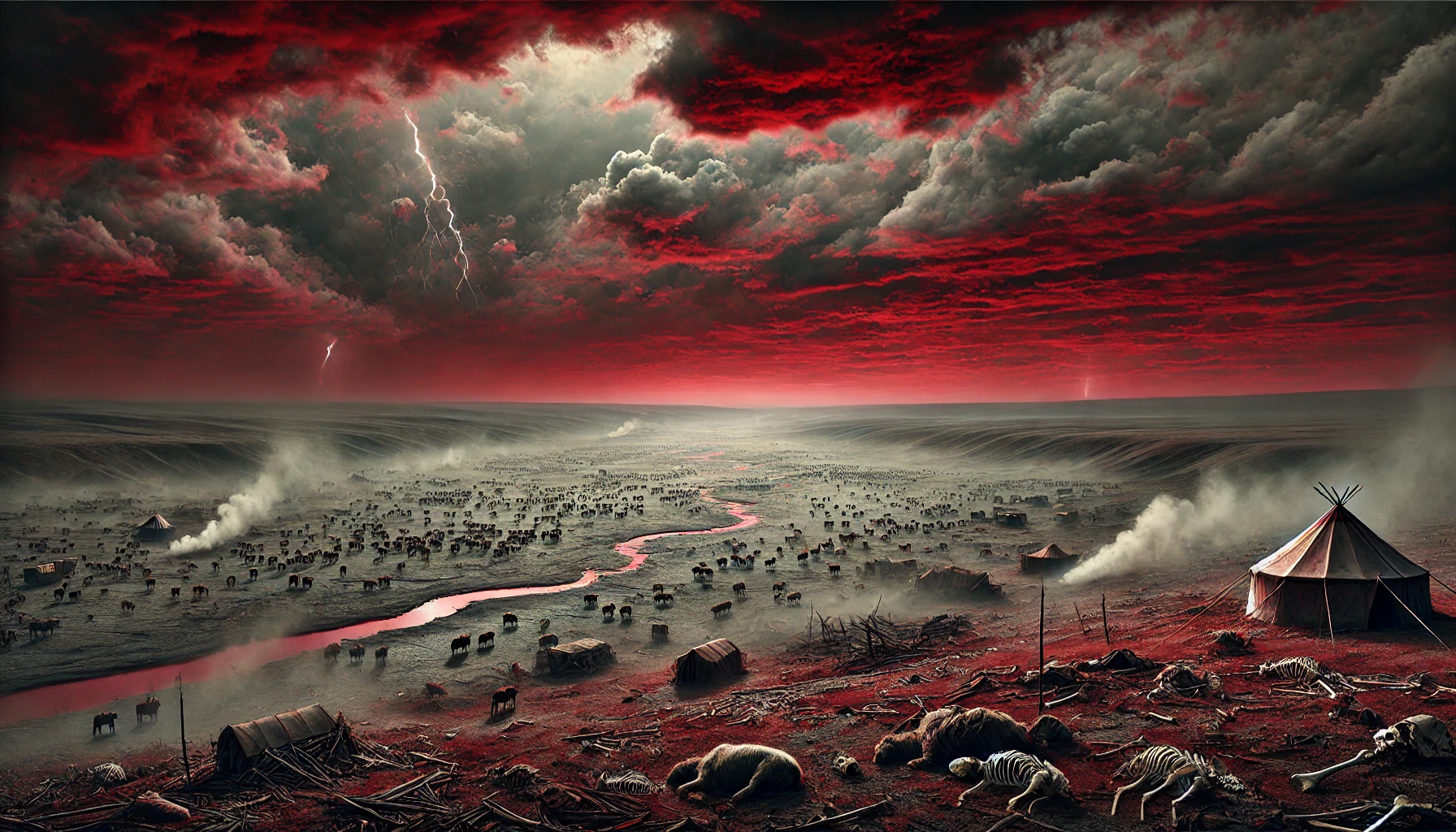
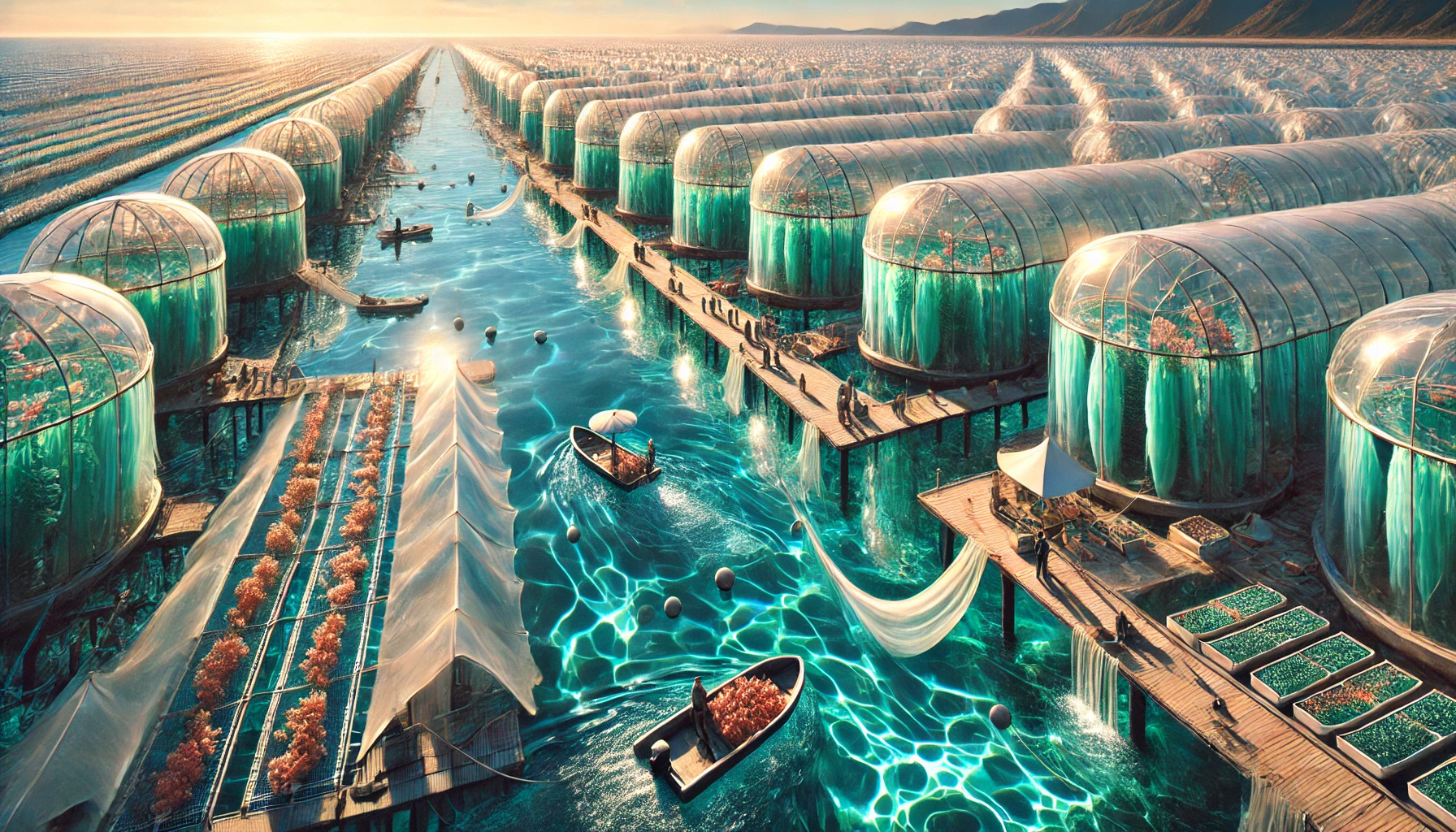
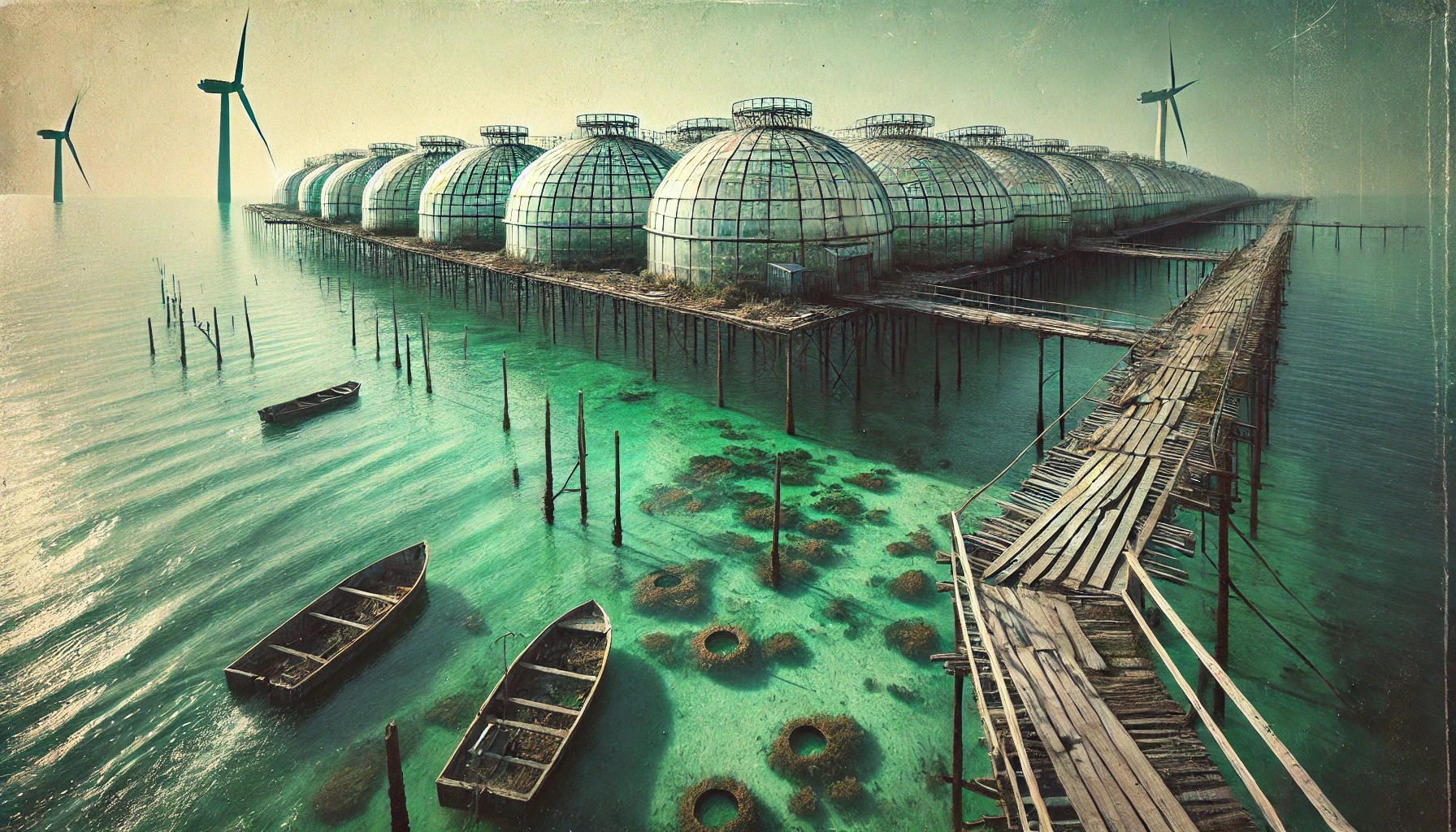
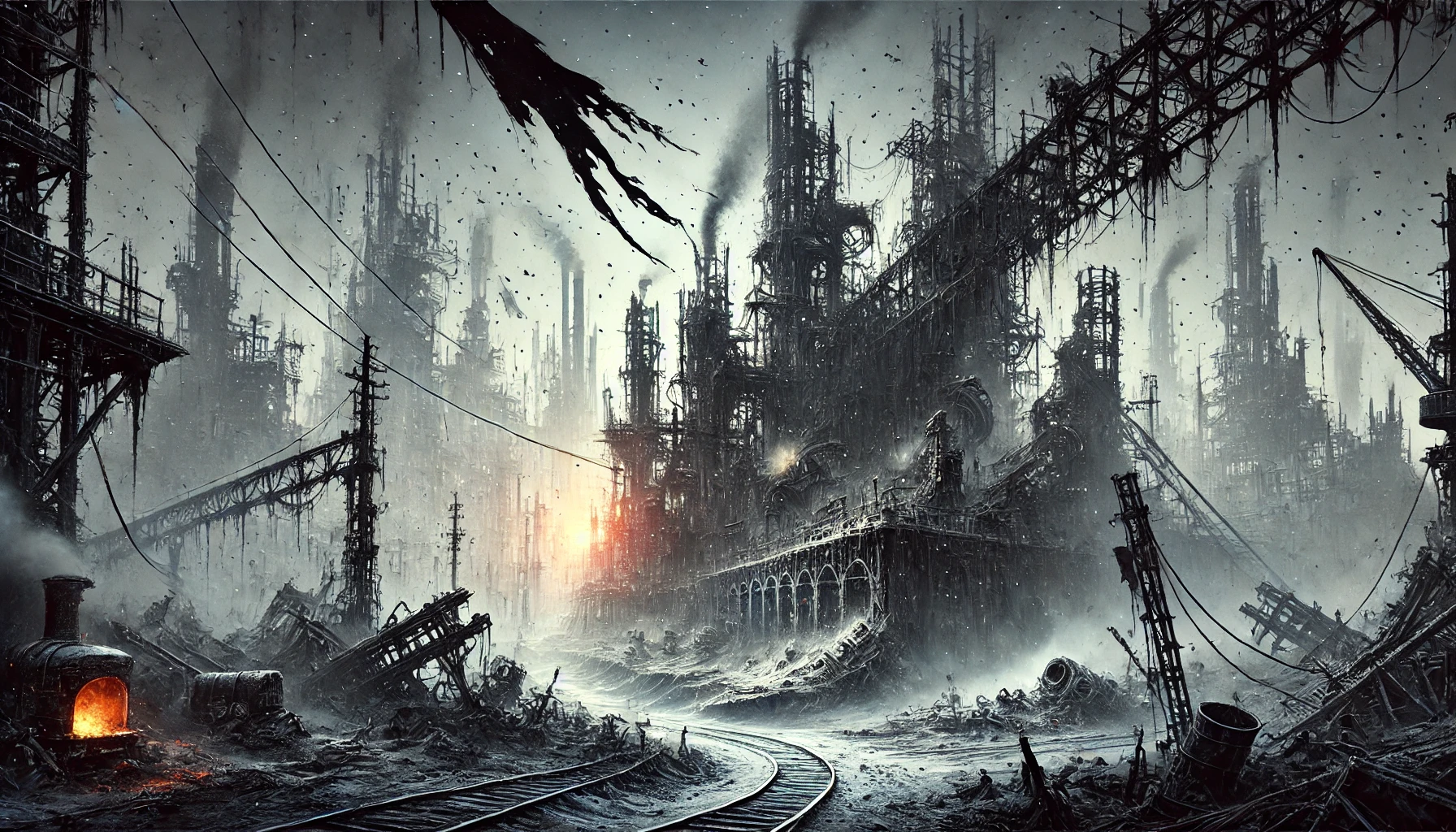
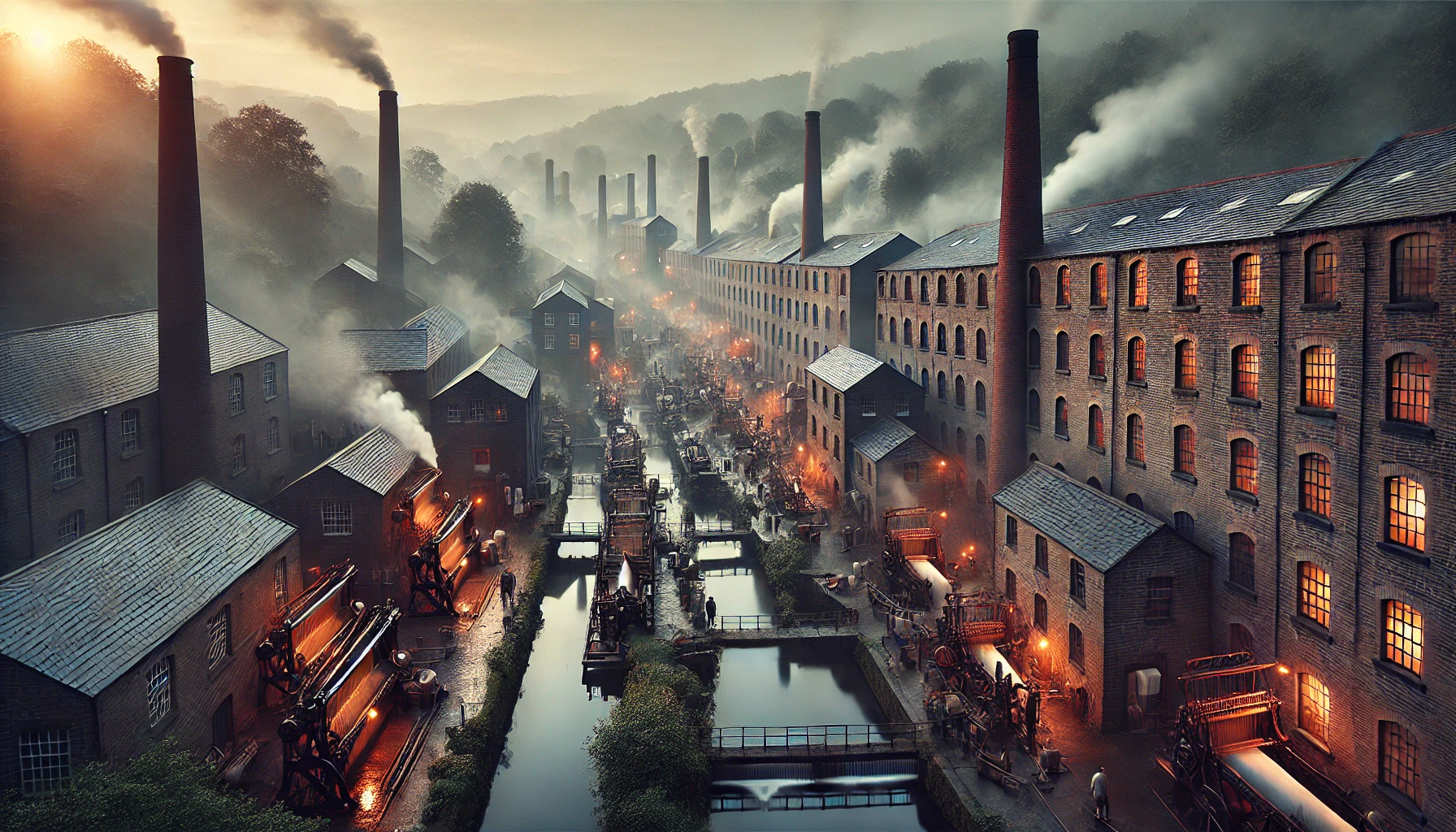
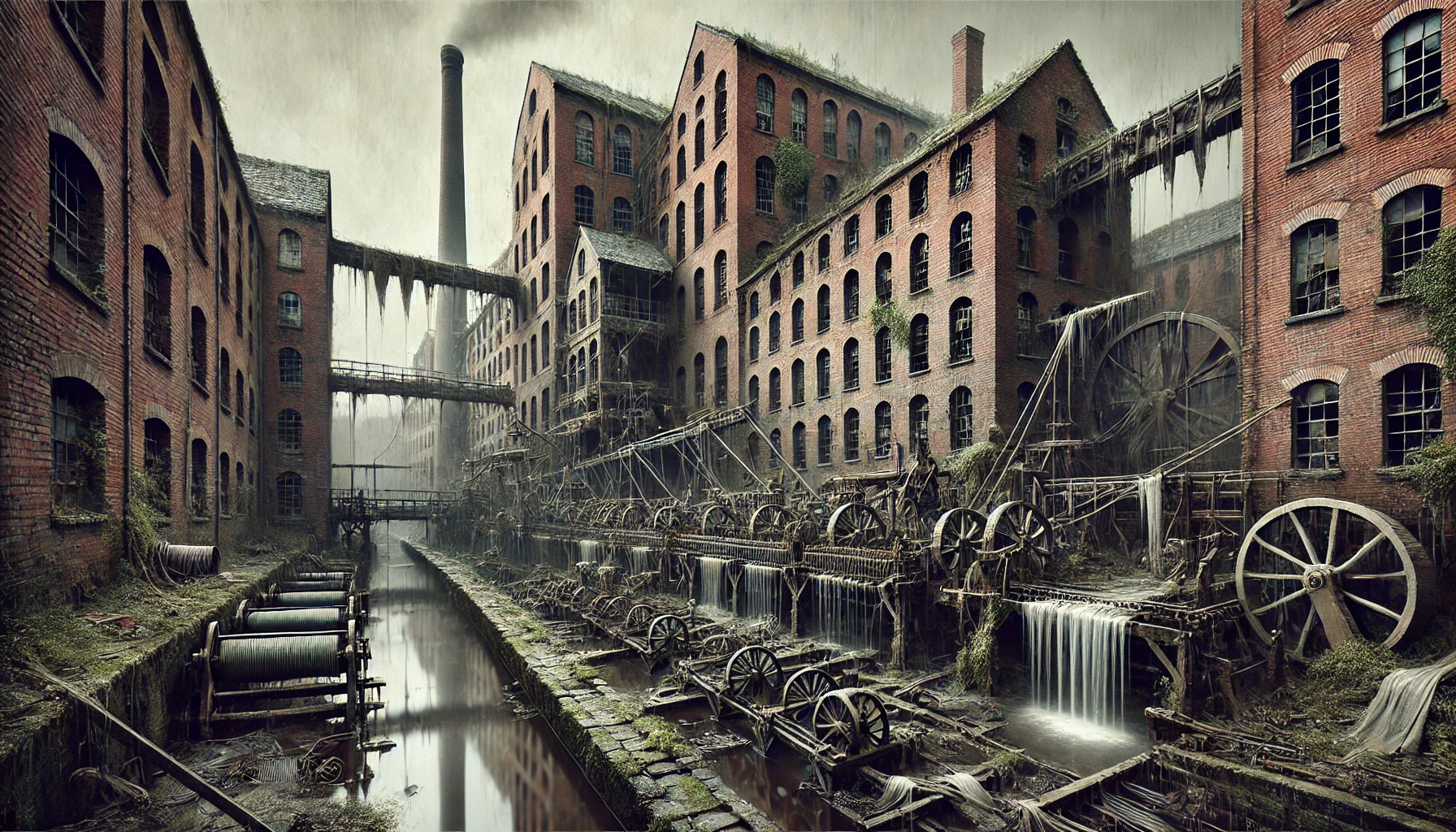
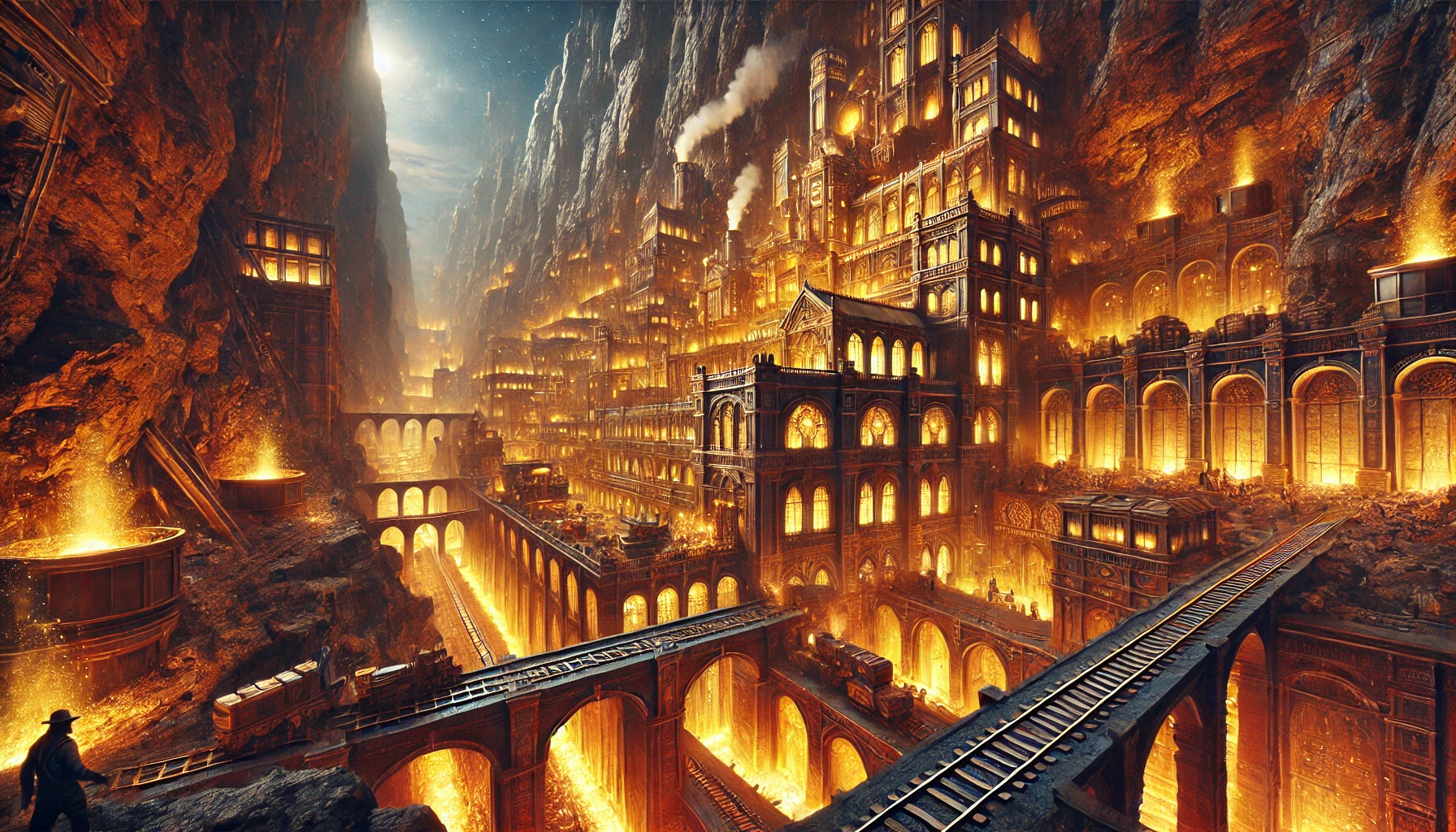
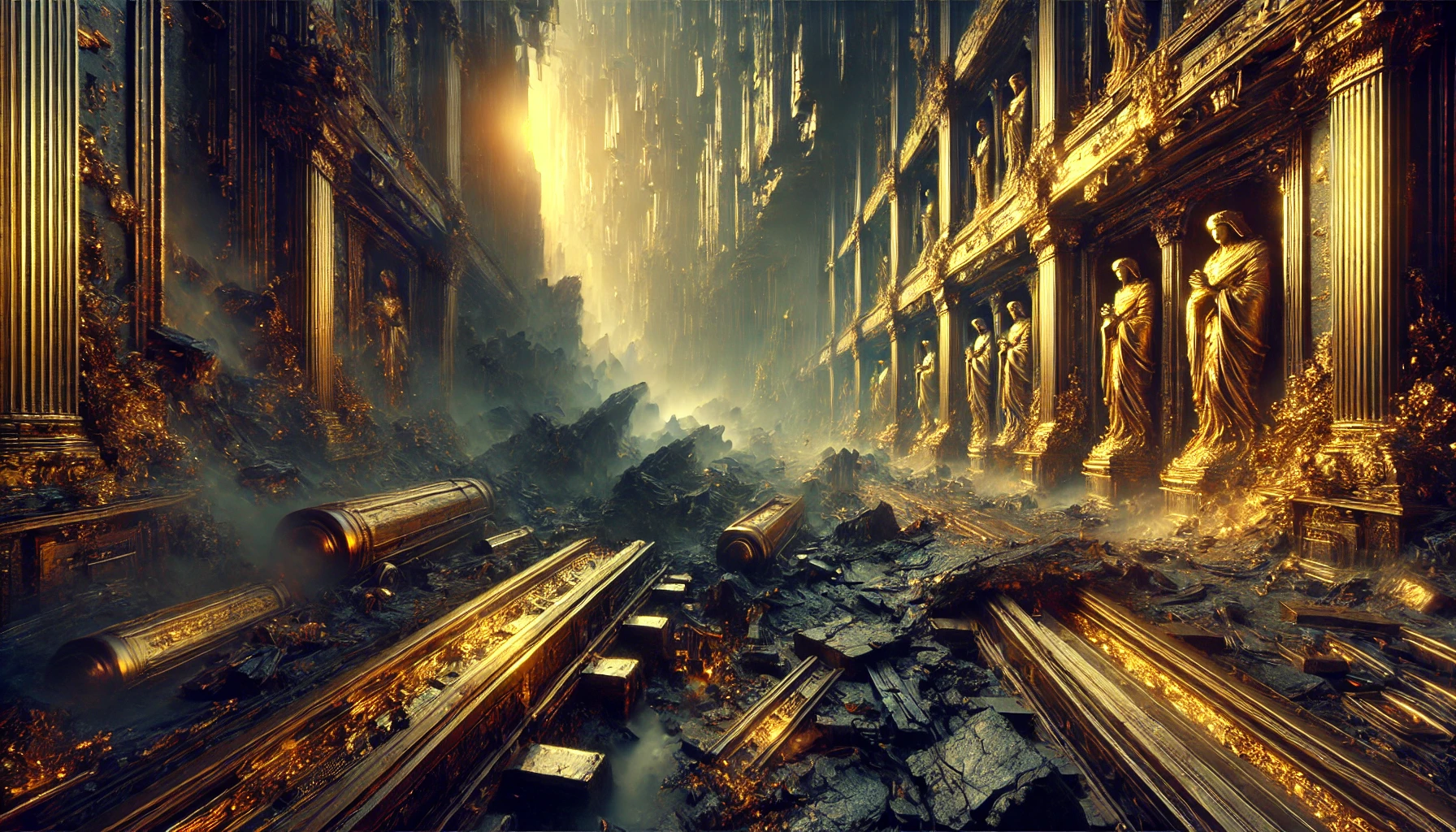
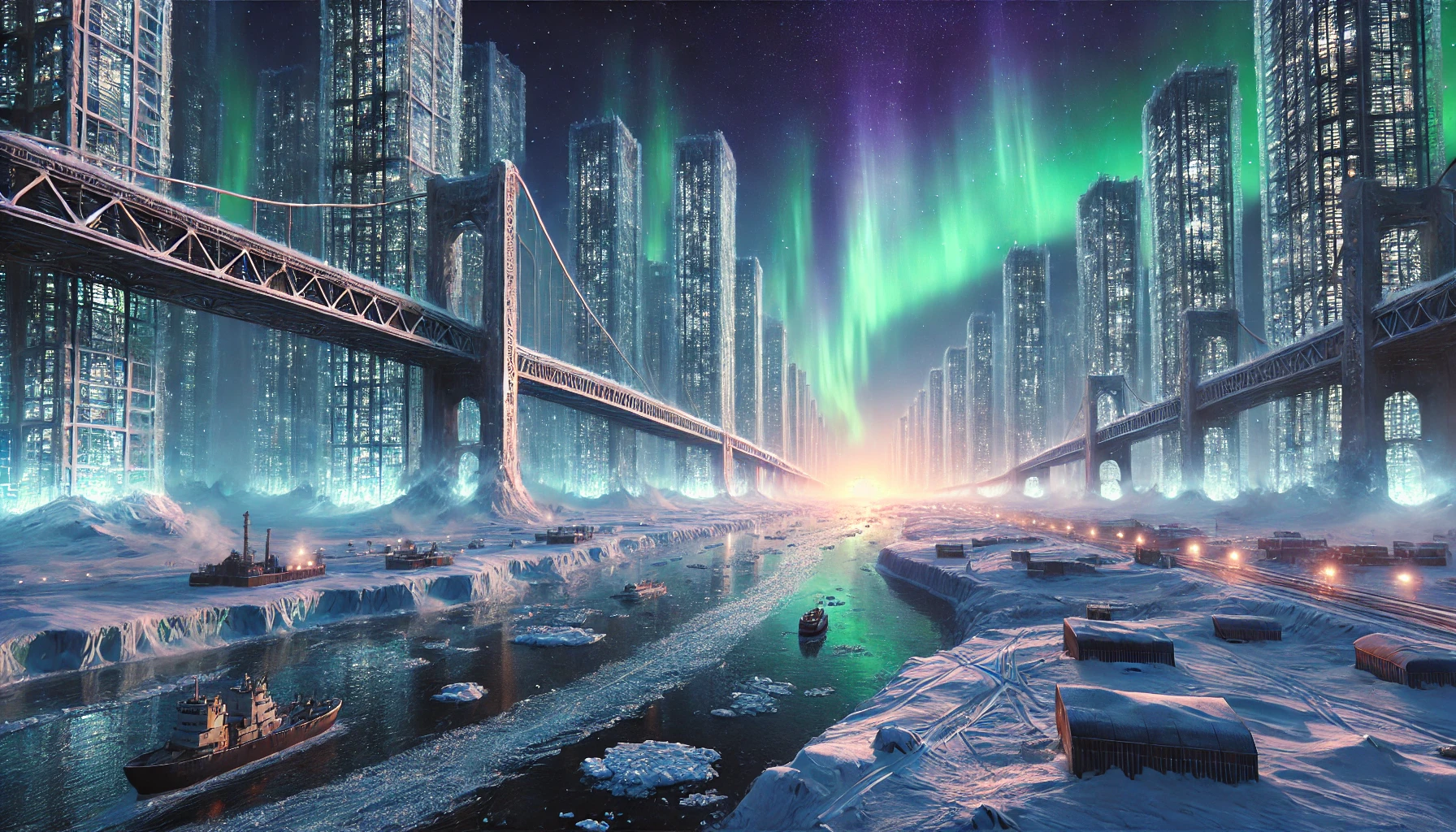
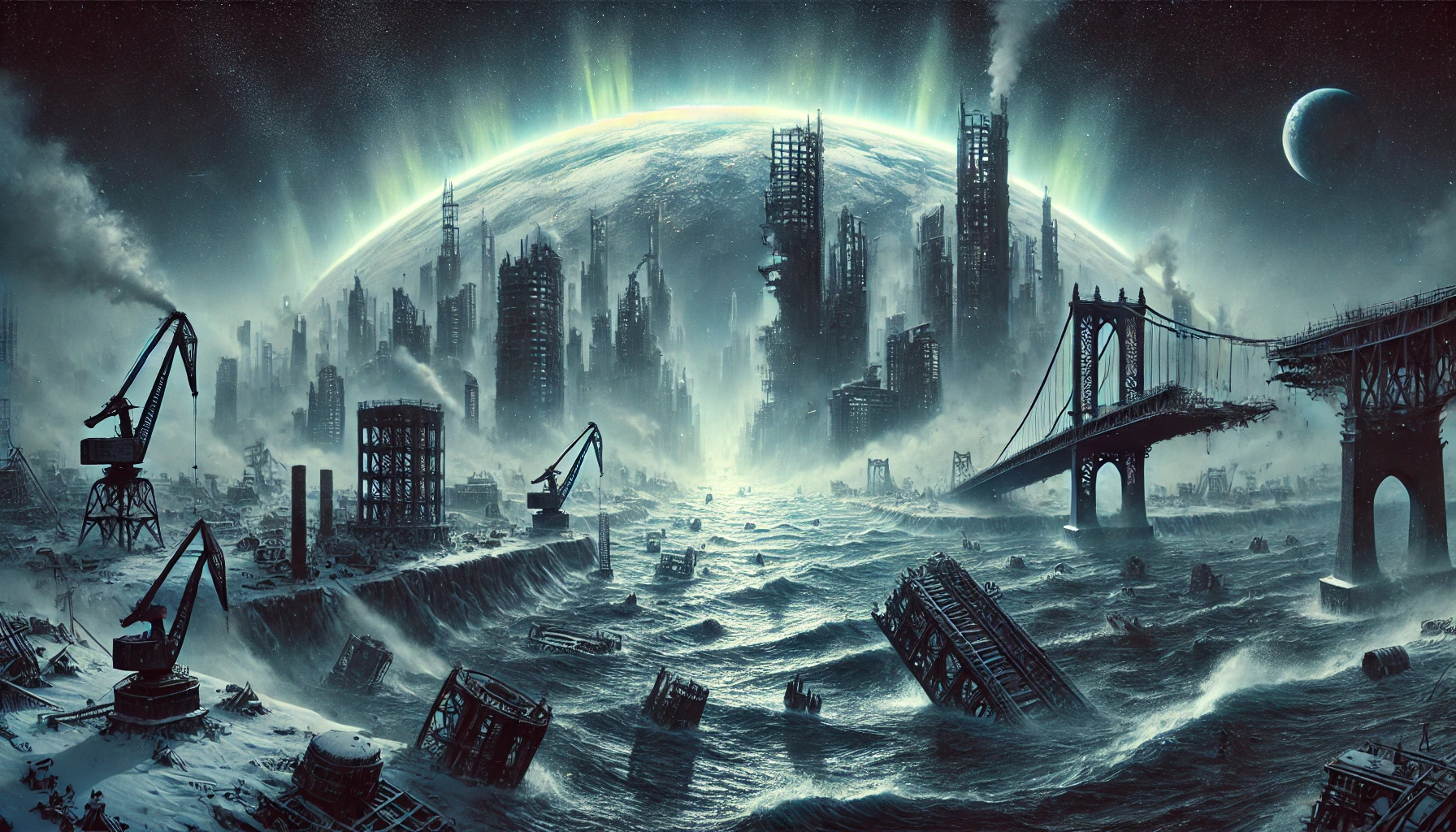
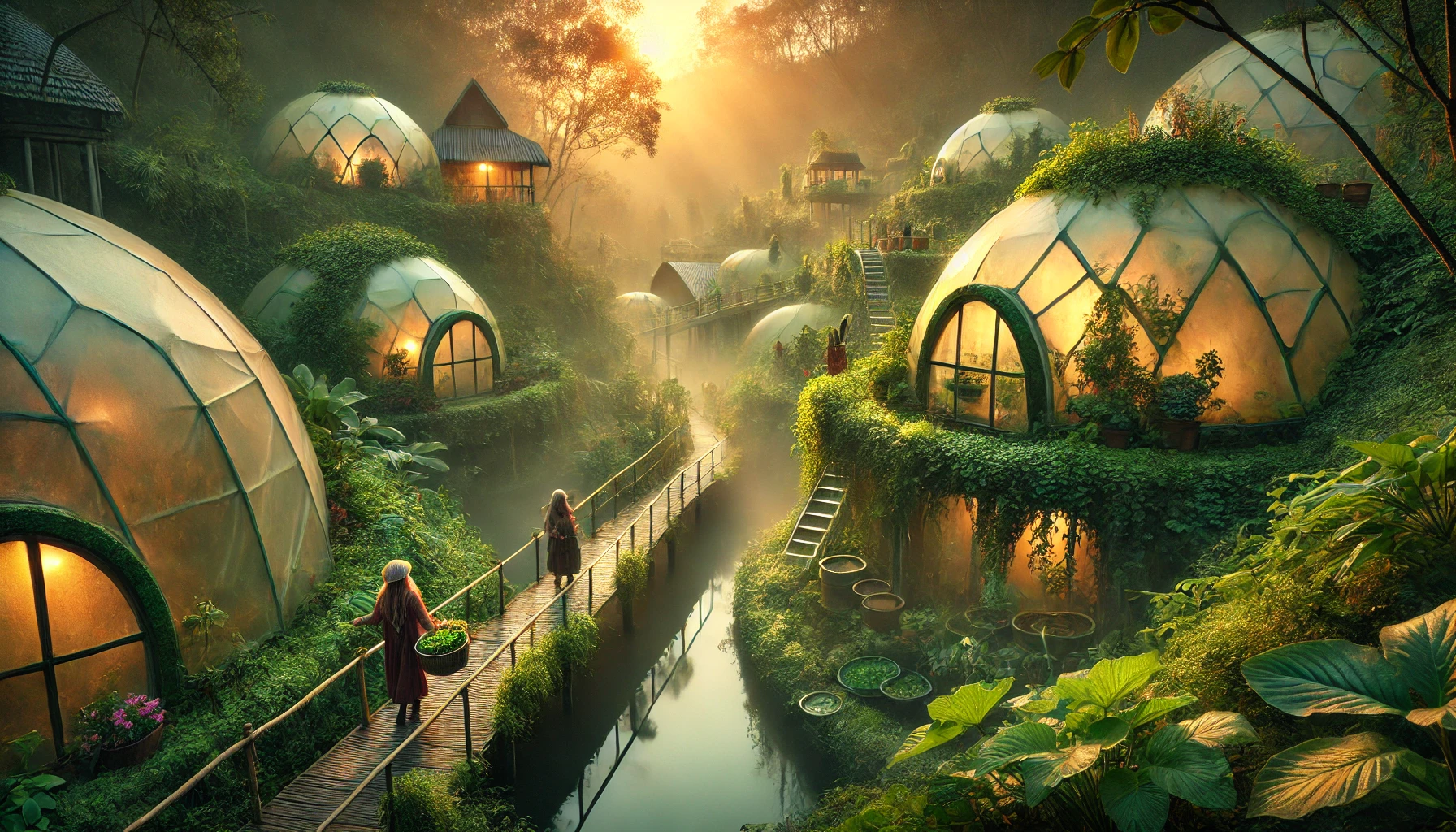
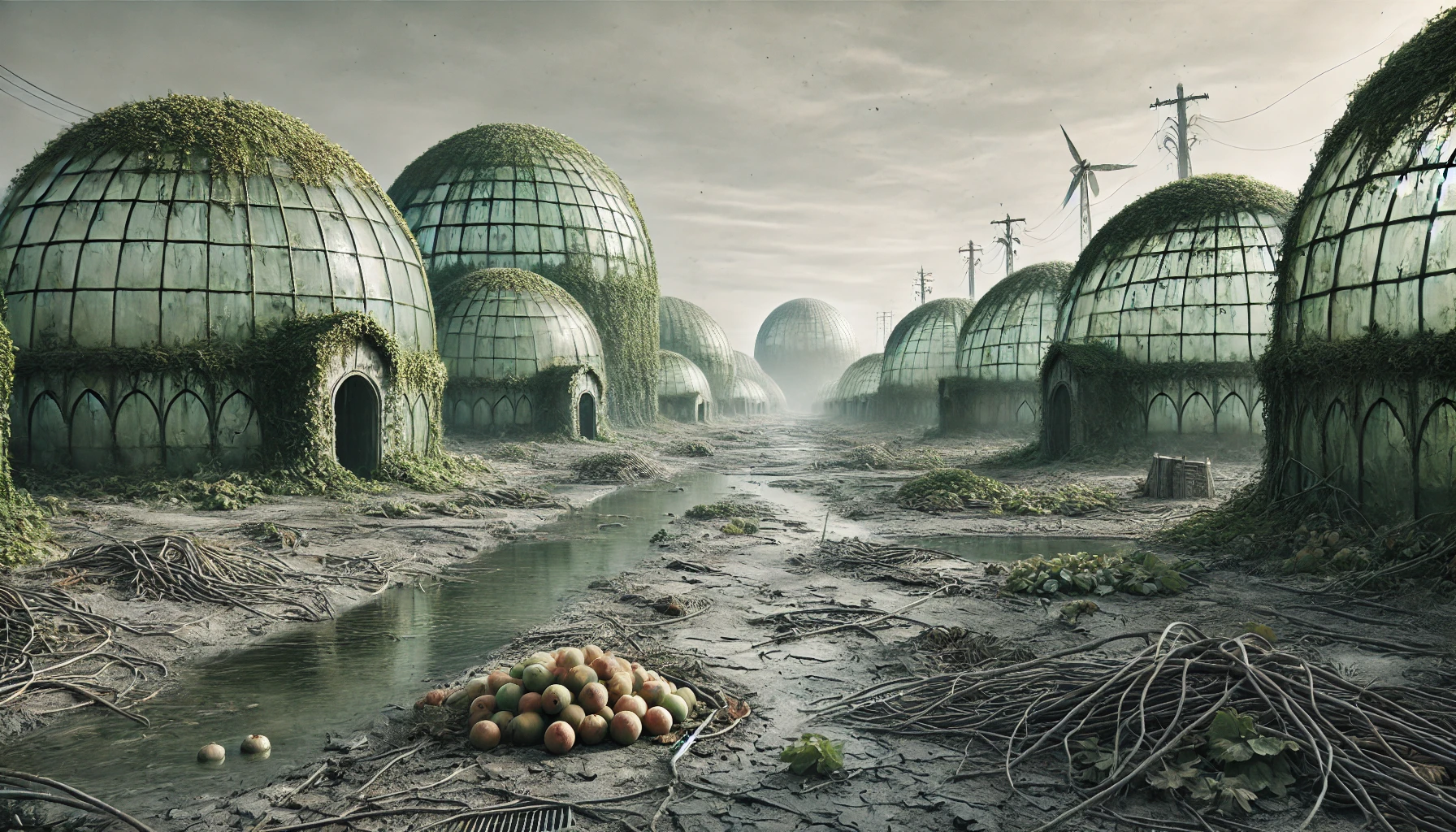
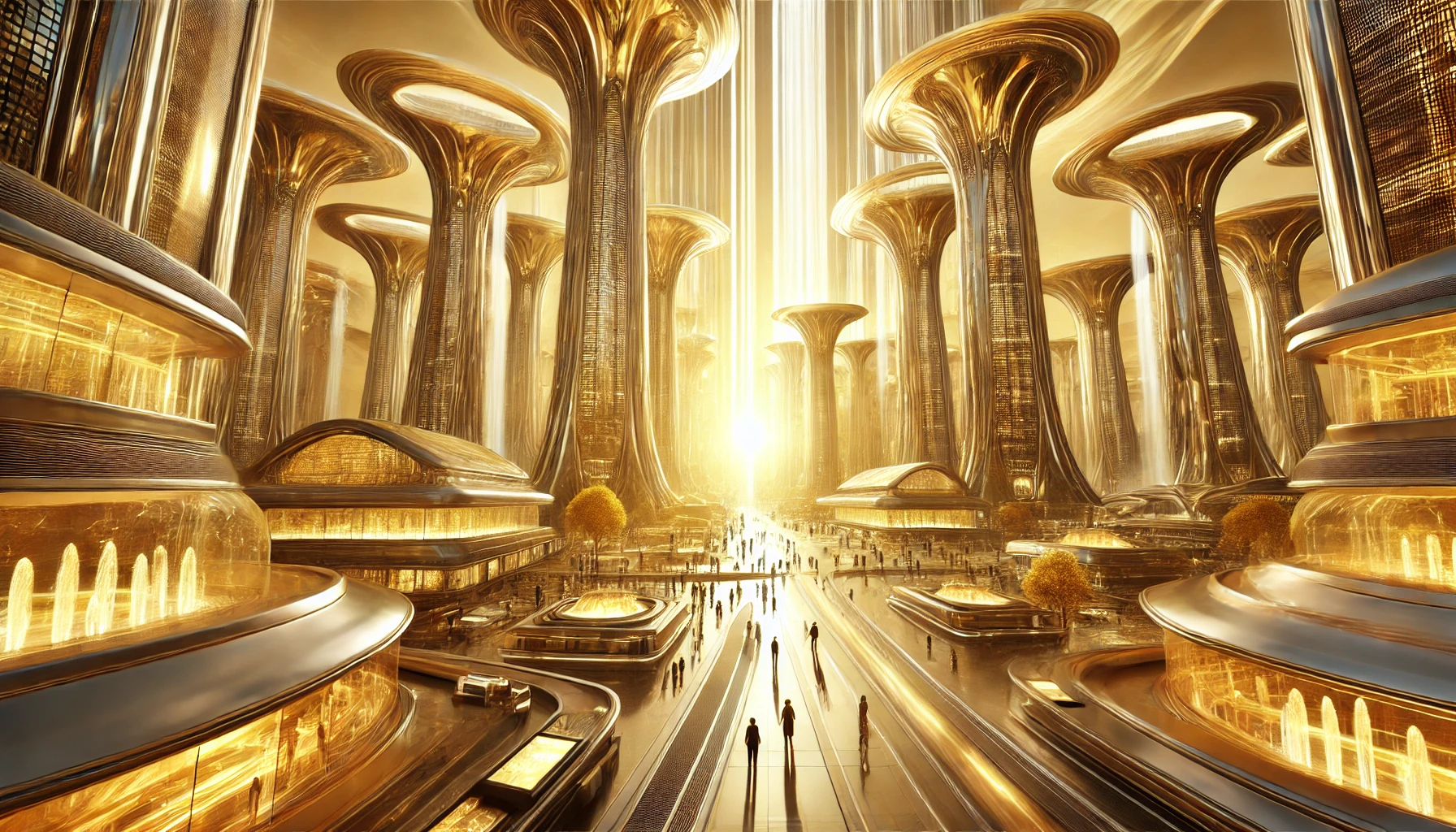
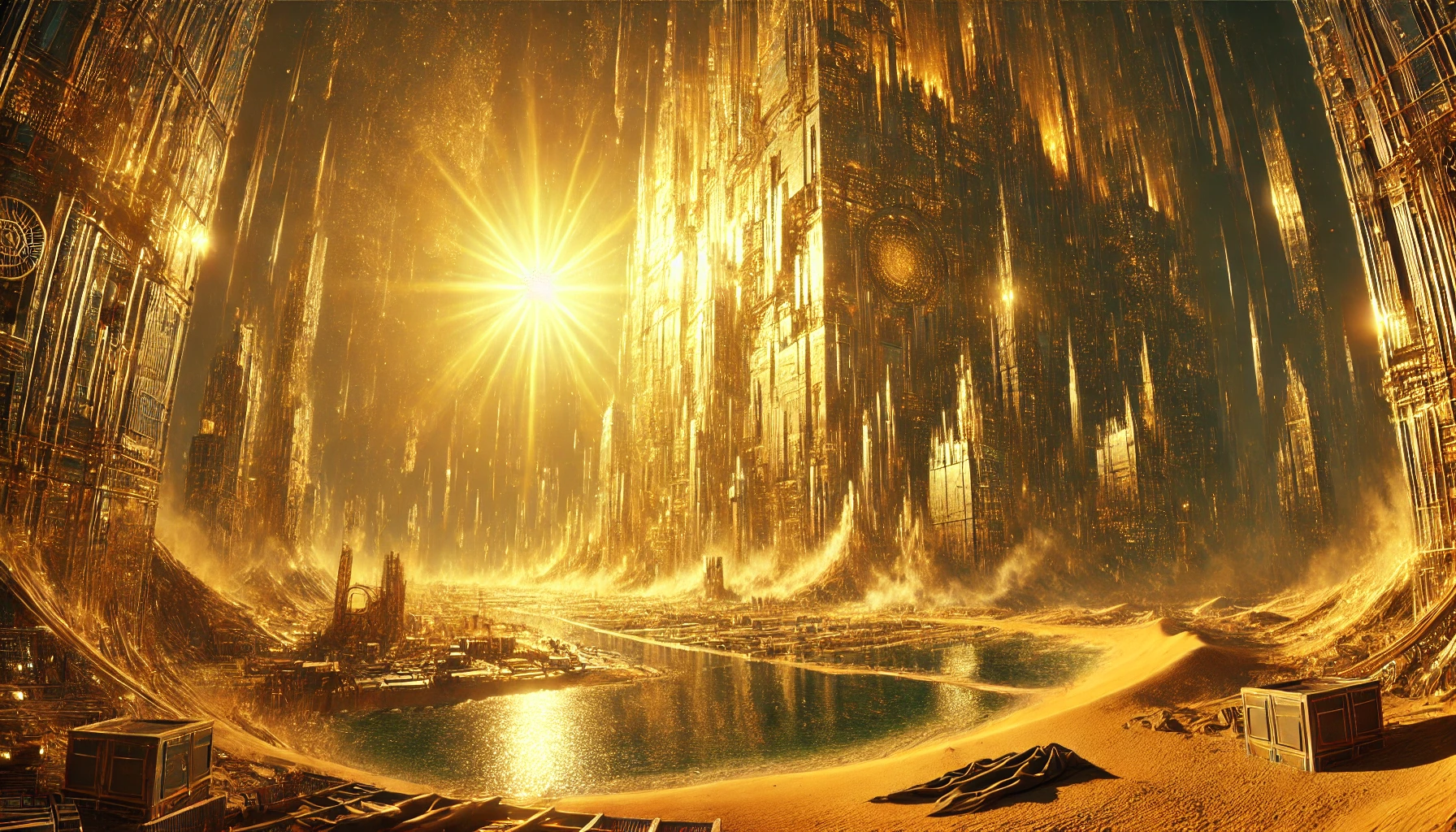
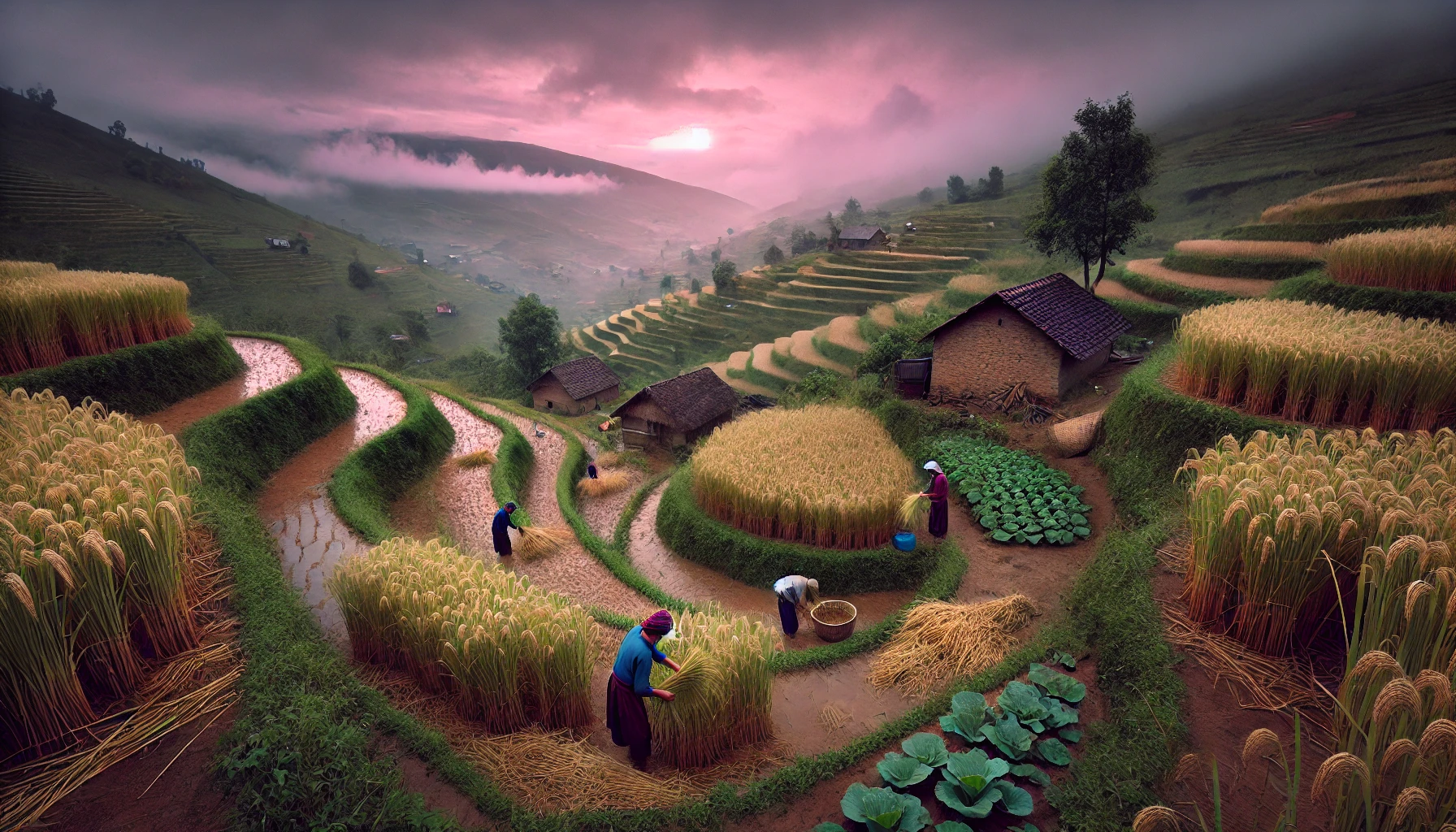
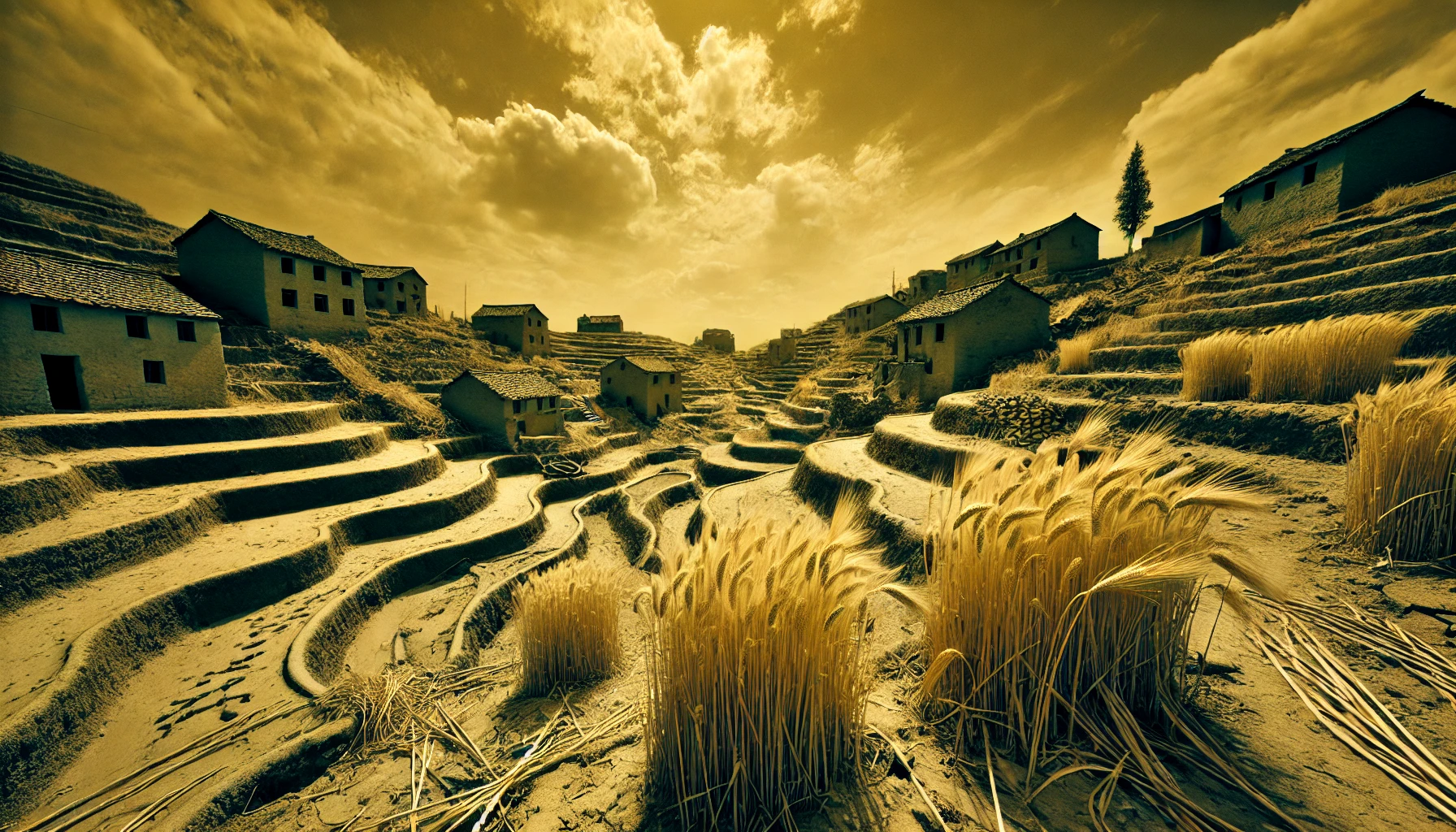
While building and experimenting, I developed the concept that no world is perfect. There is always balance and imbalance, light and shadow. I wanted the installation to show this,
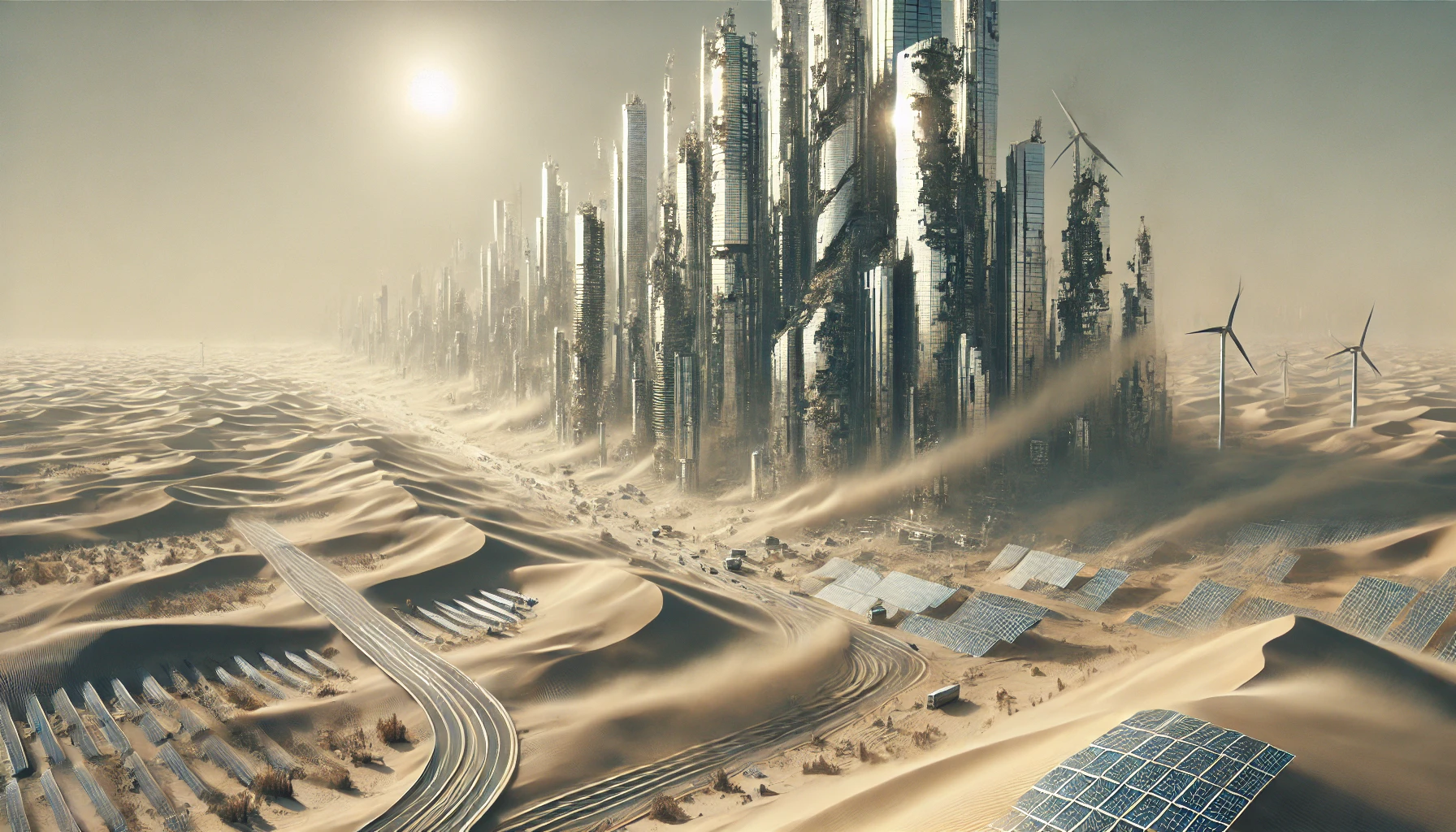
even when someone creates their “ideal world,” there is always a shadow side attached to it.
That became the core message.
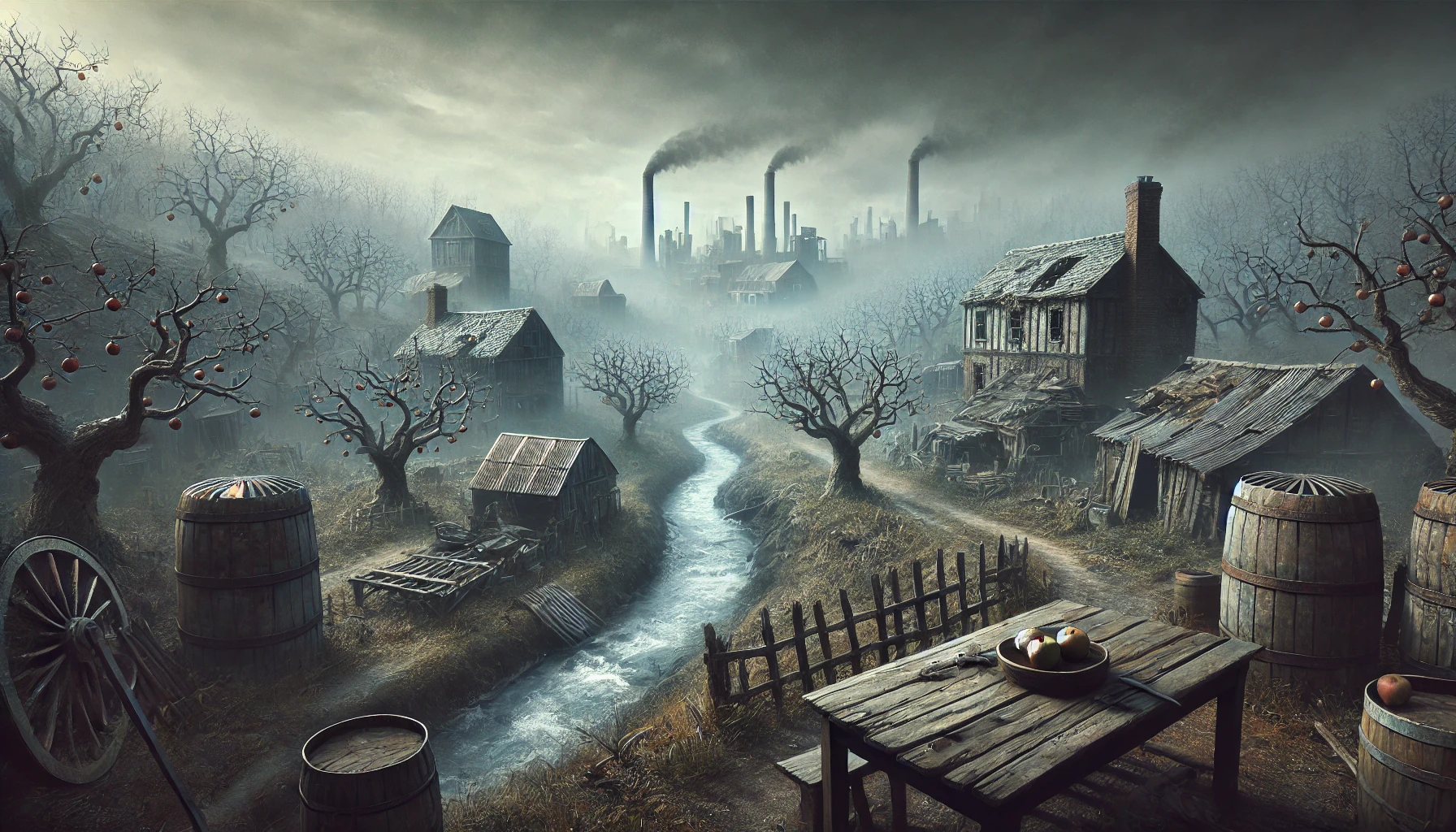
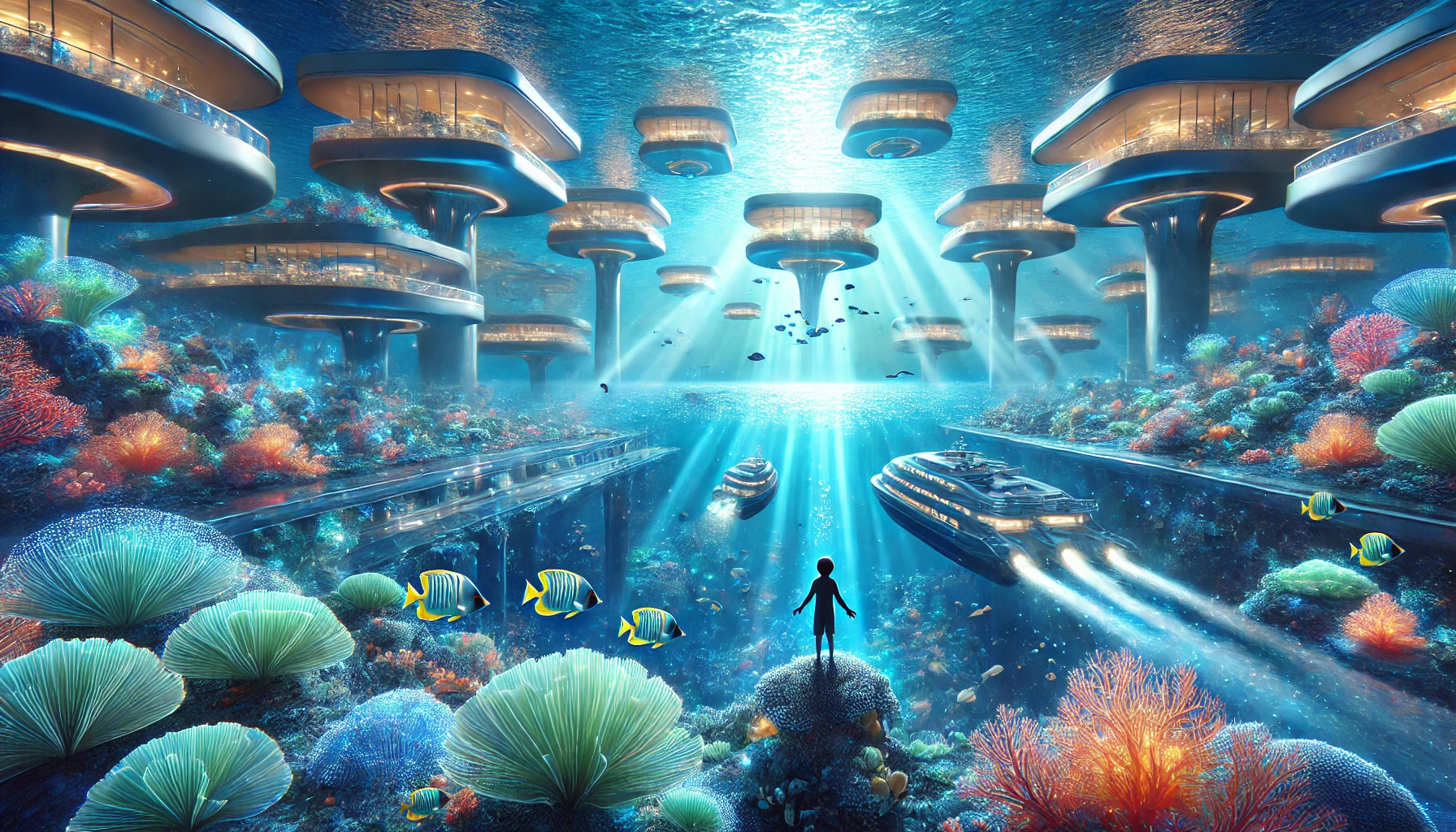
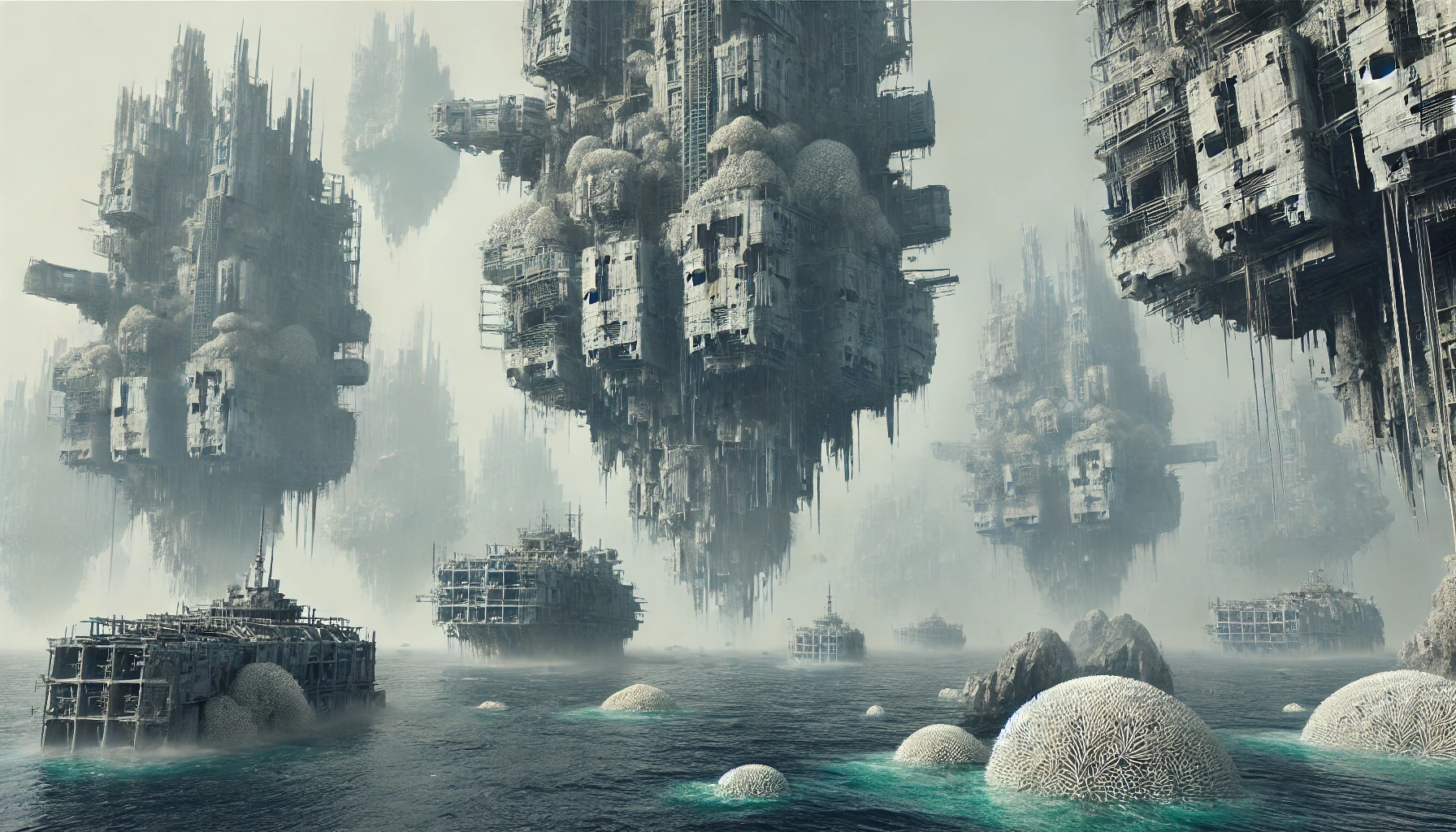
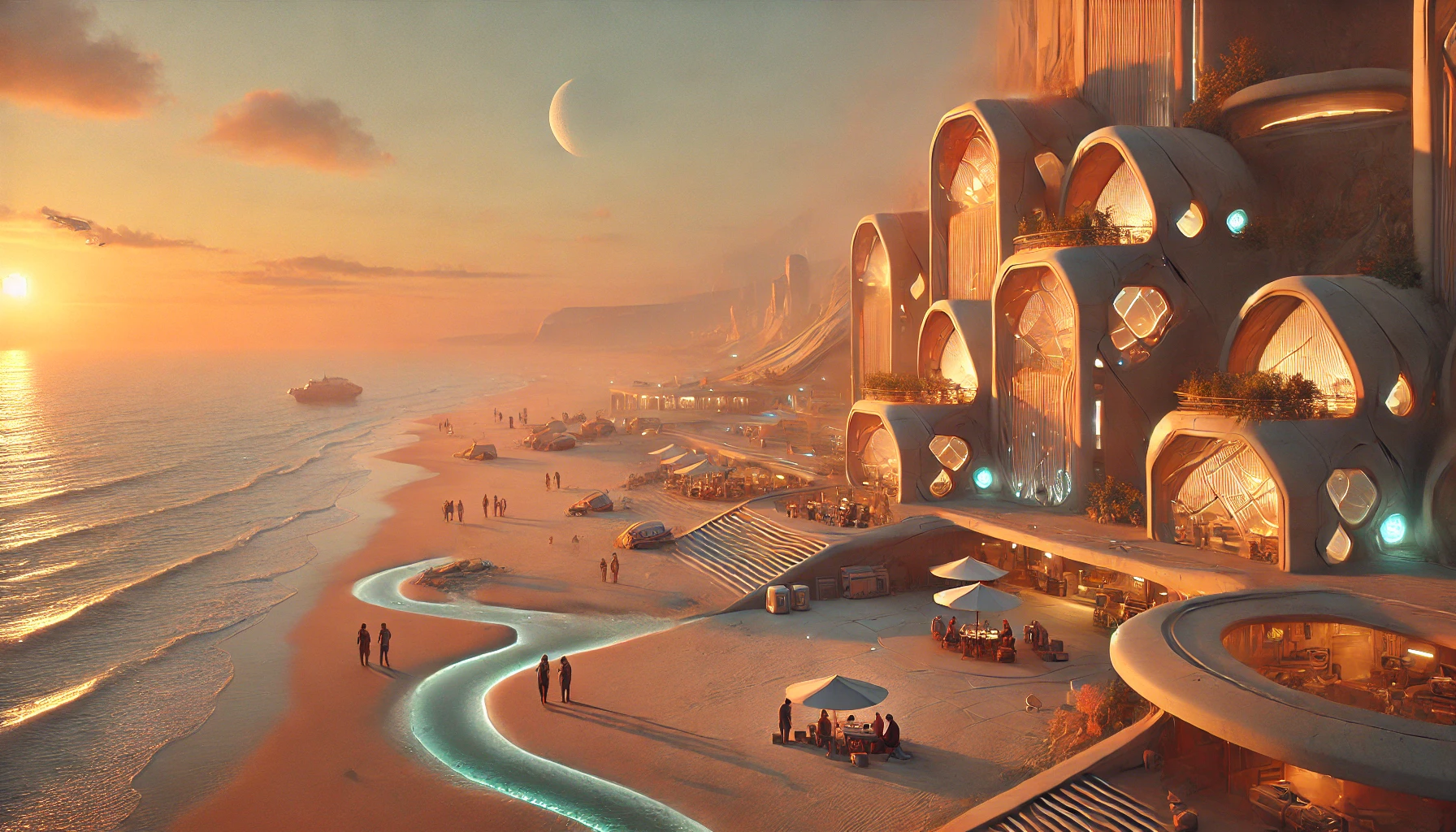
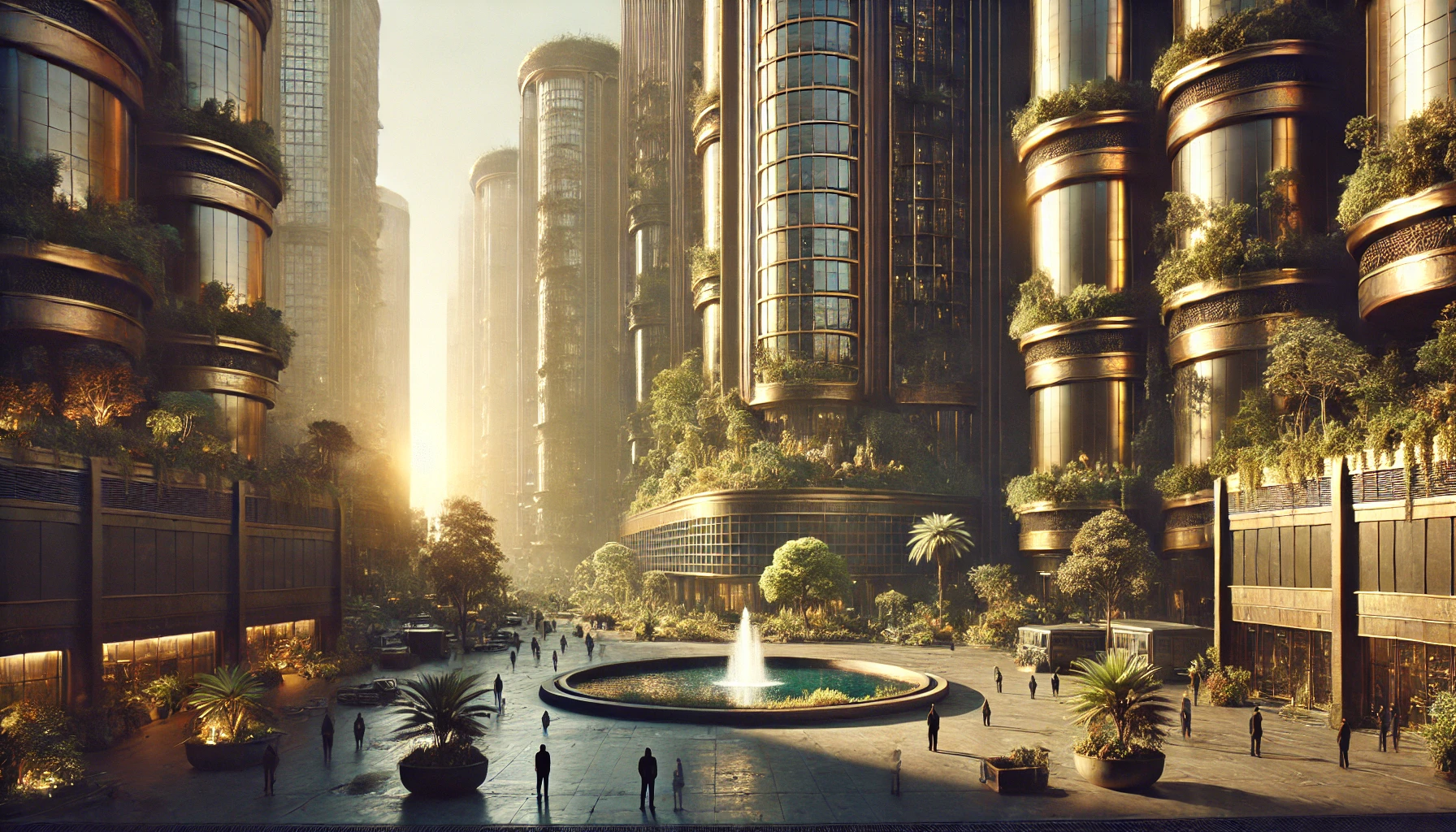
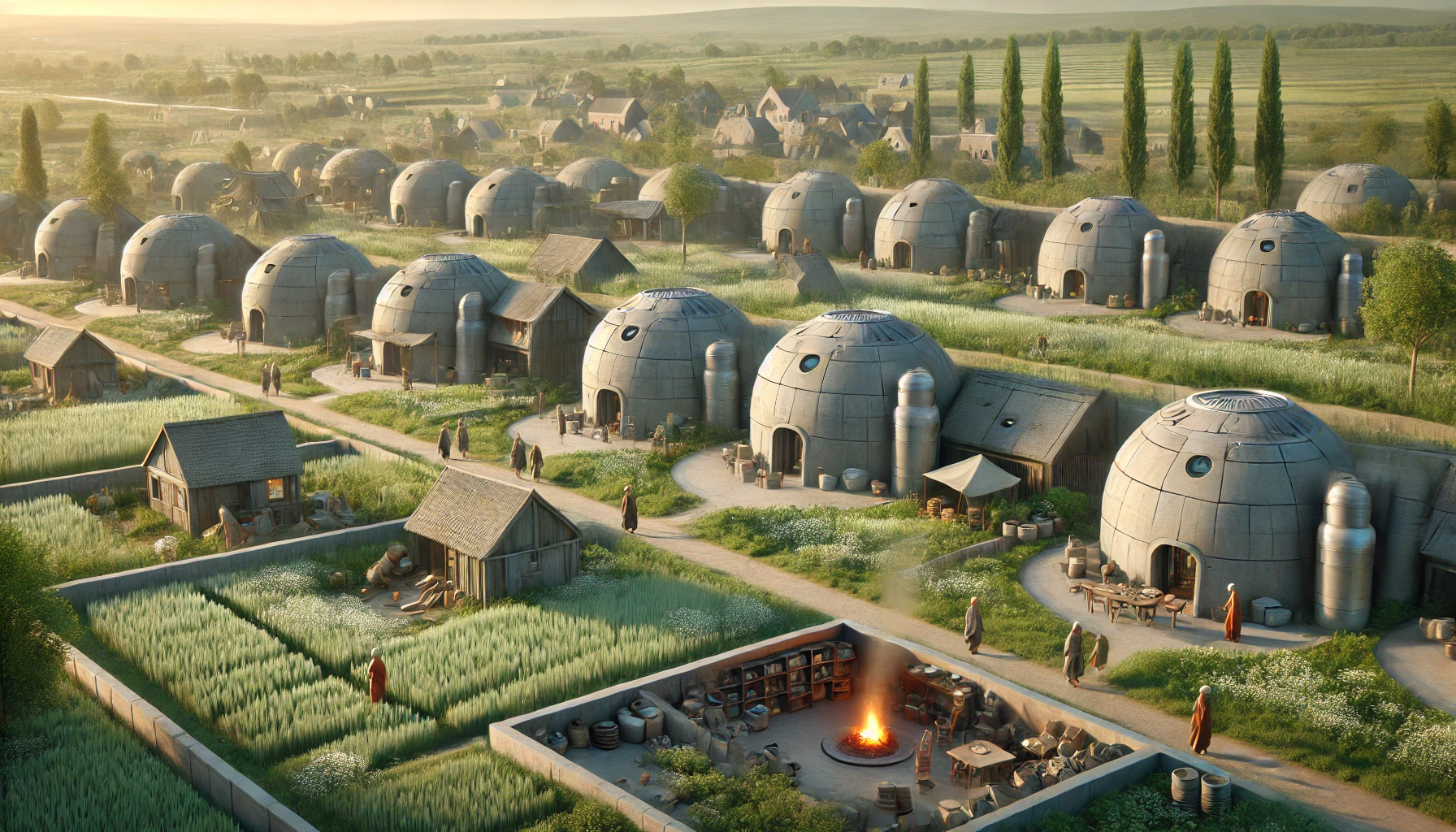
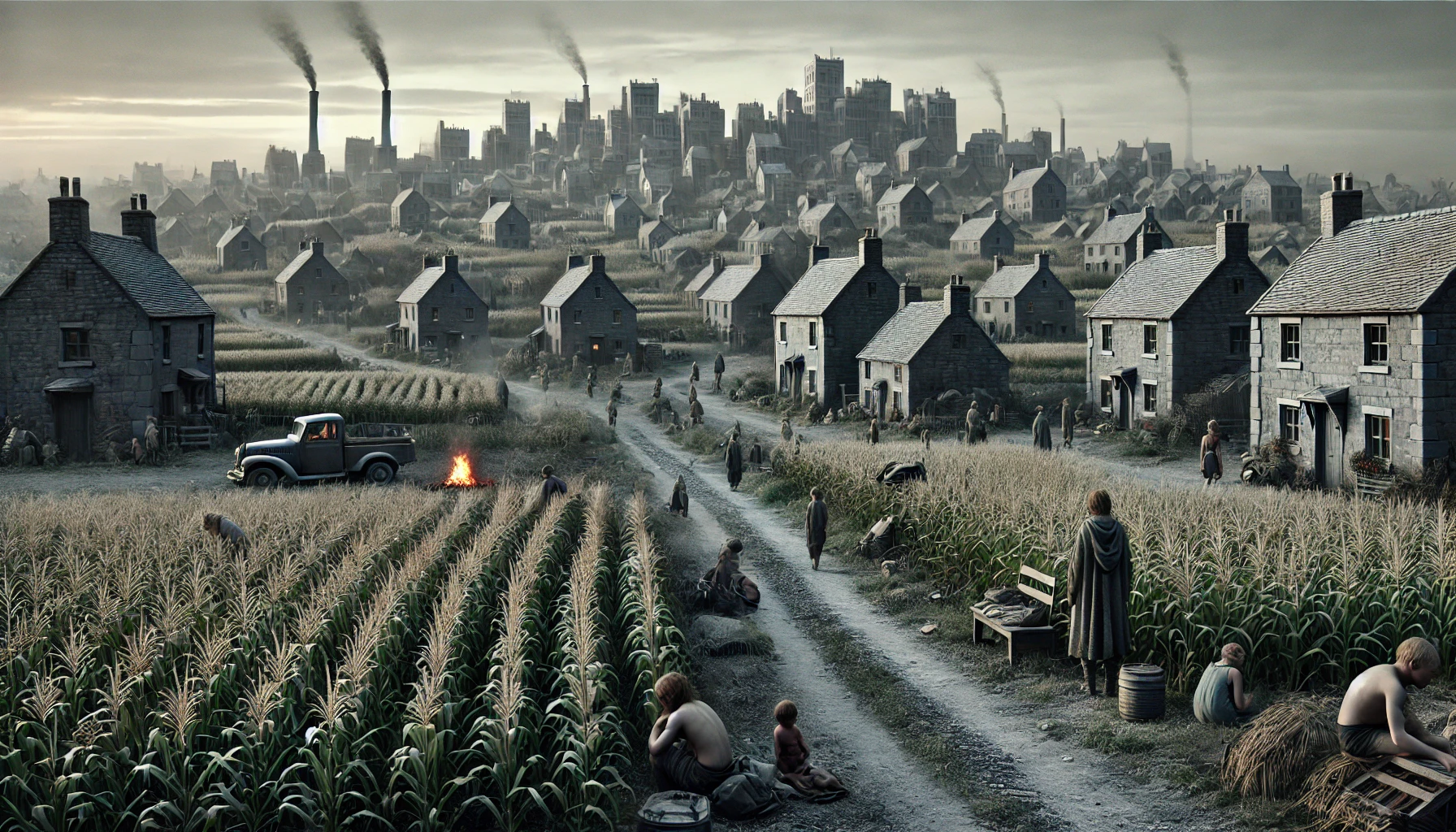
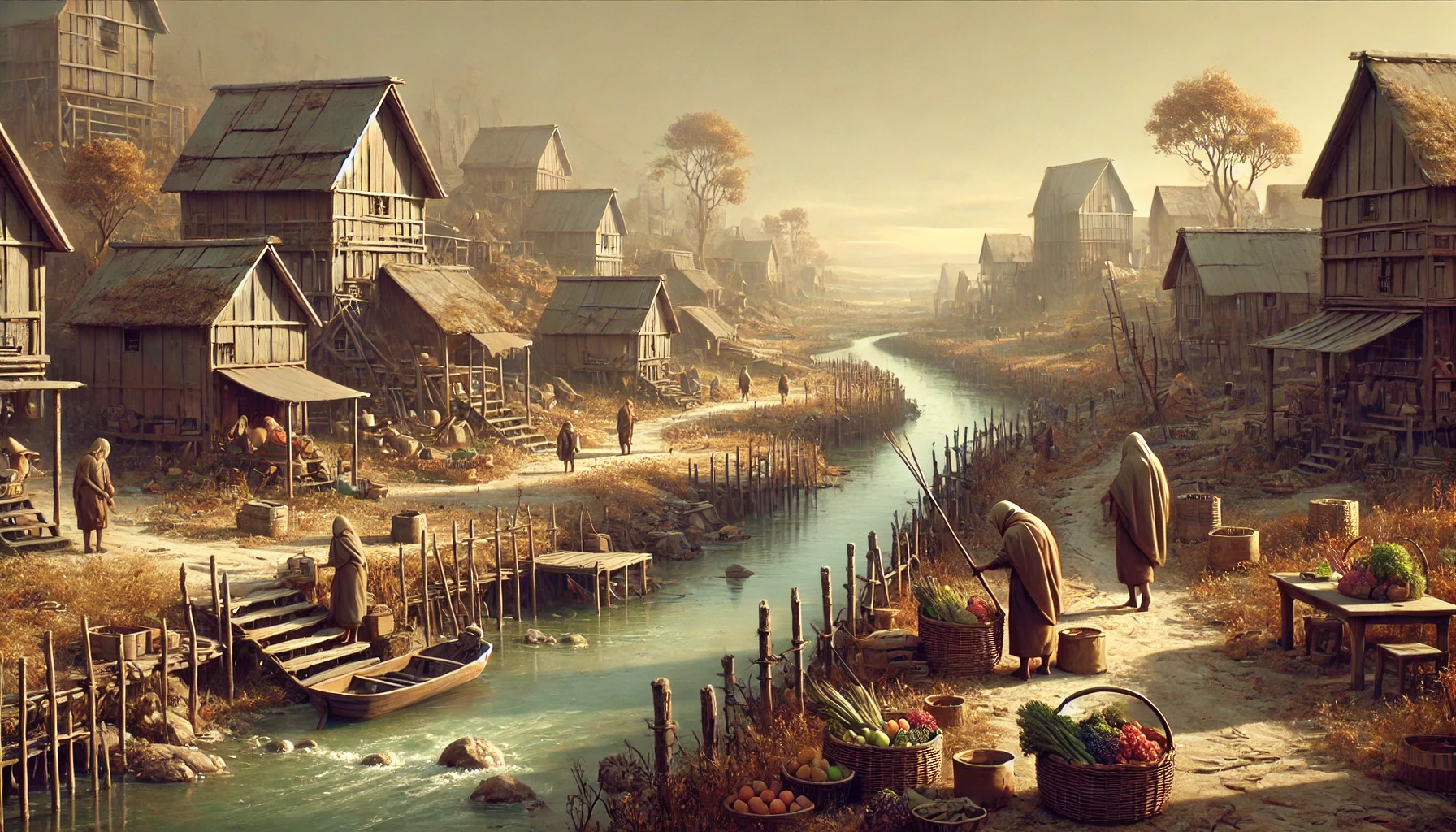
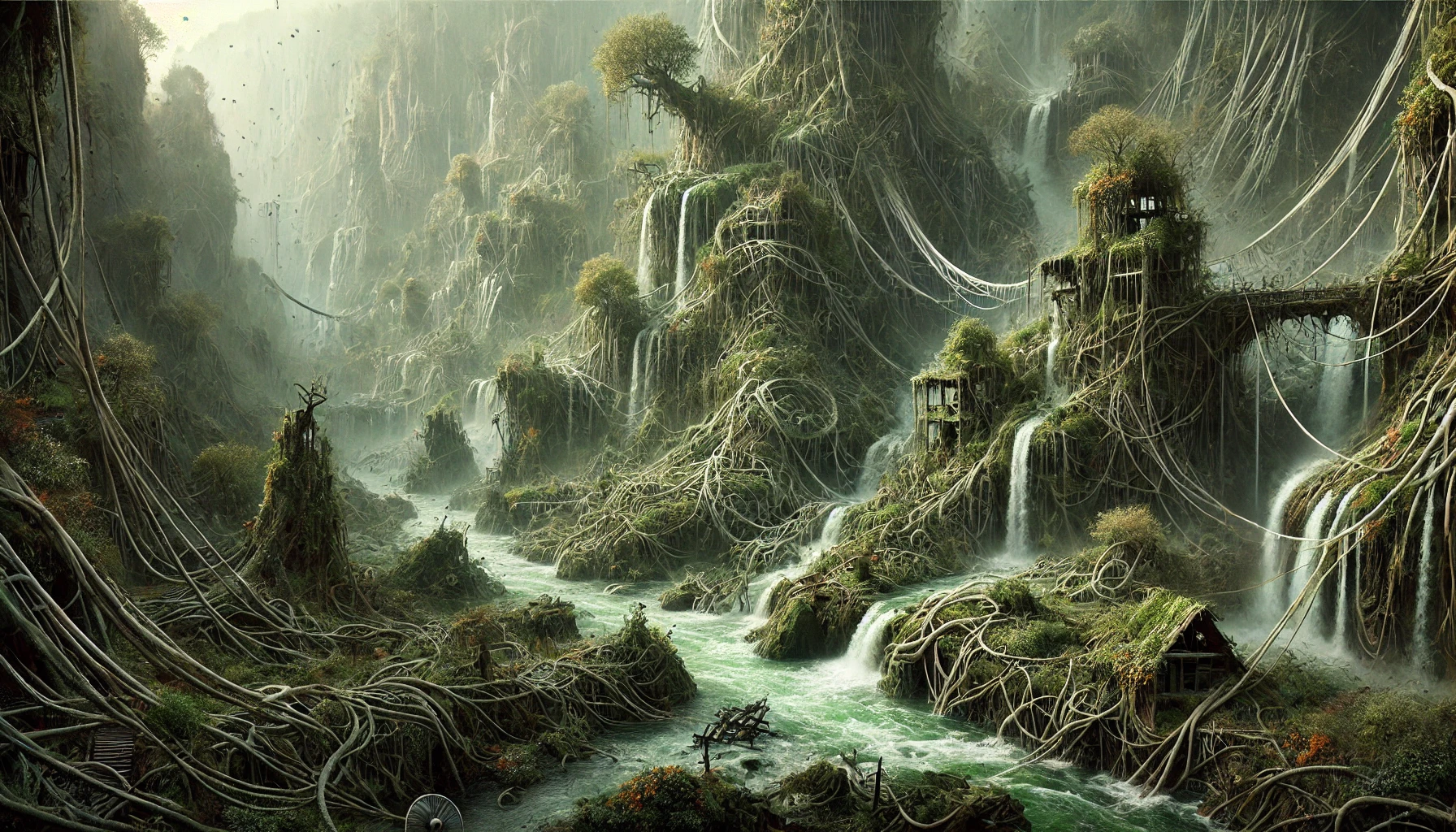
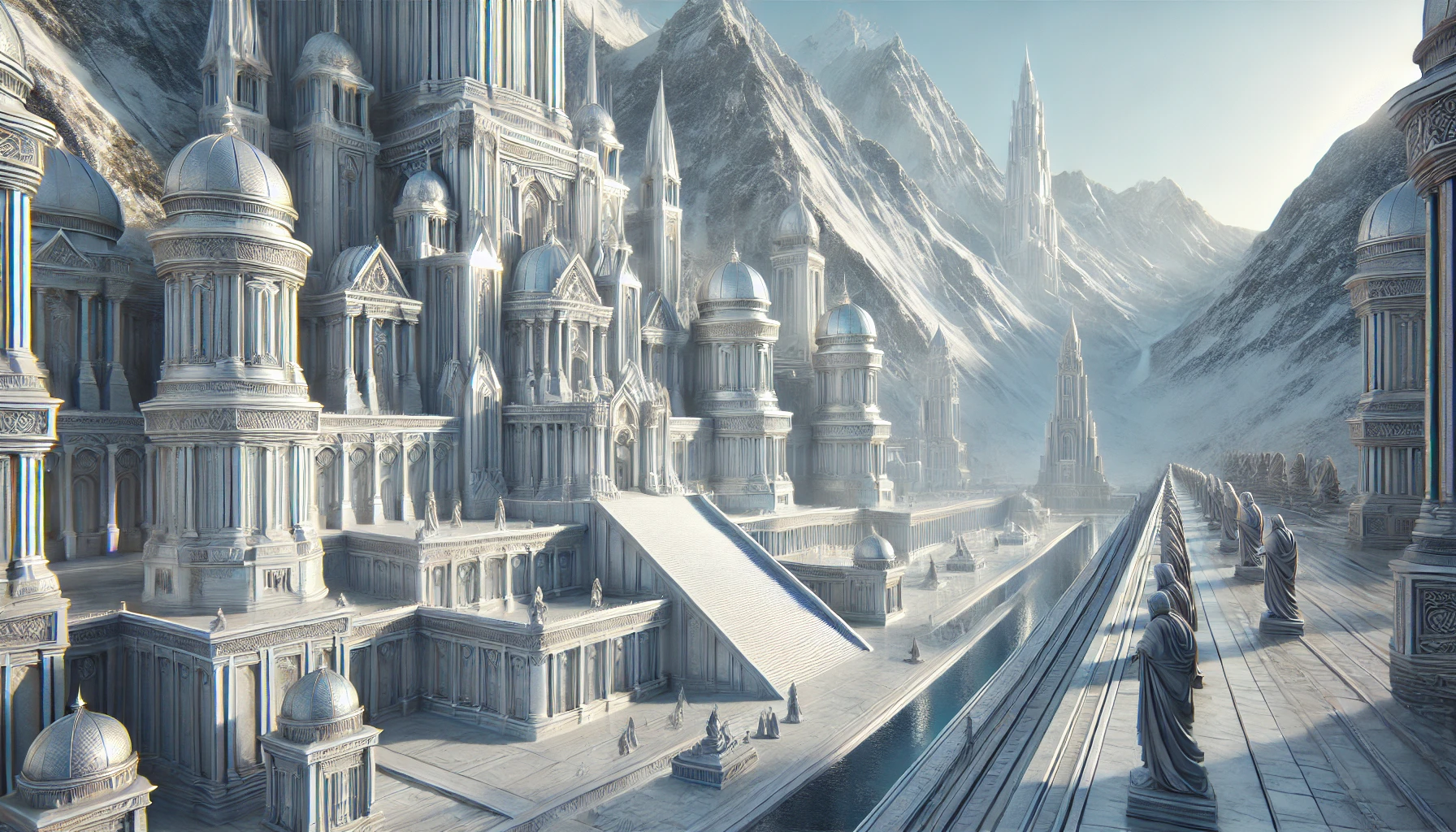
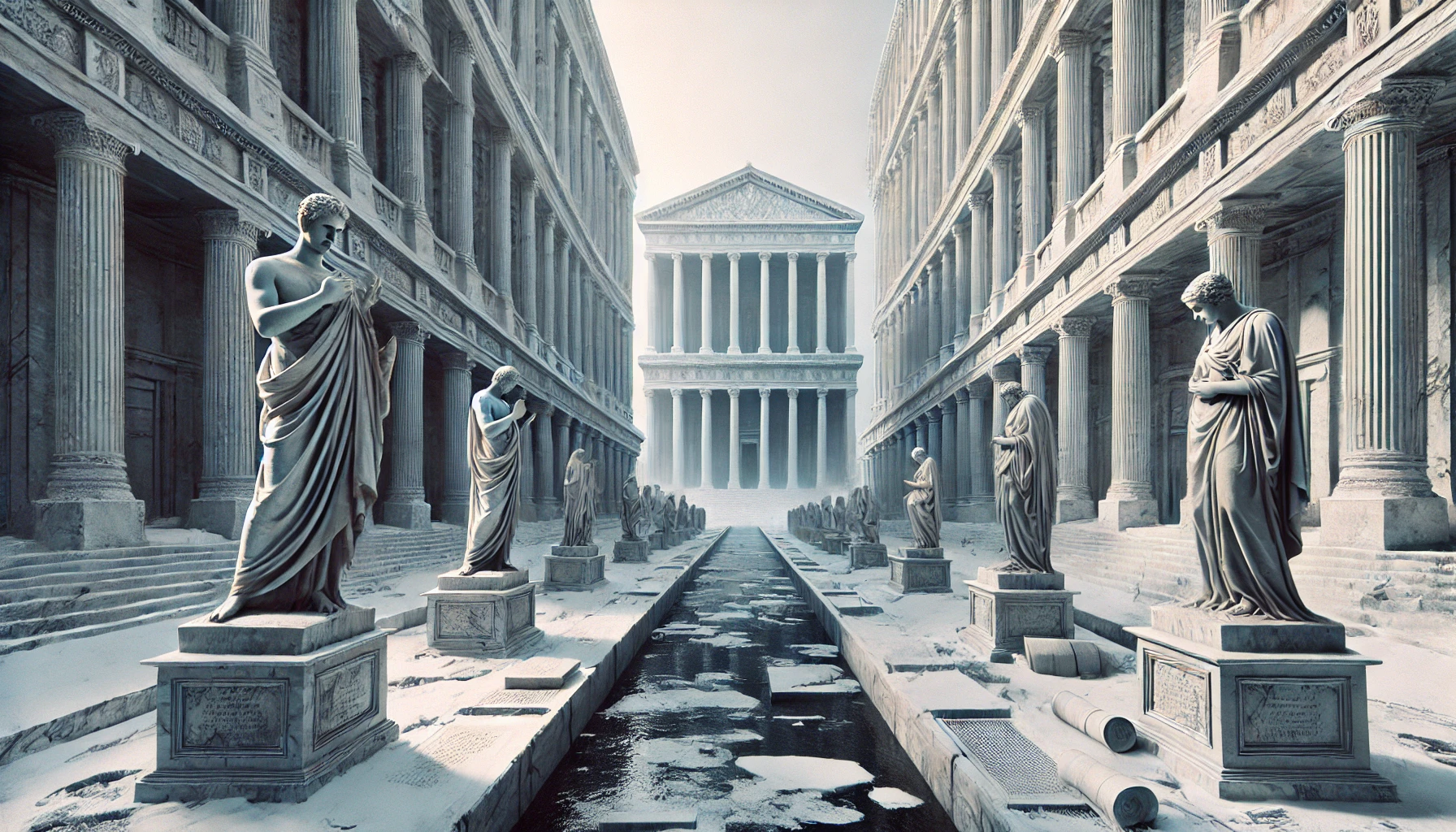
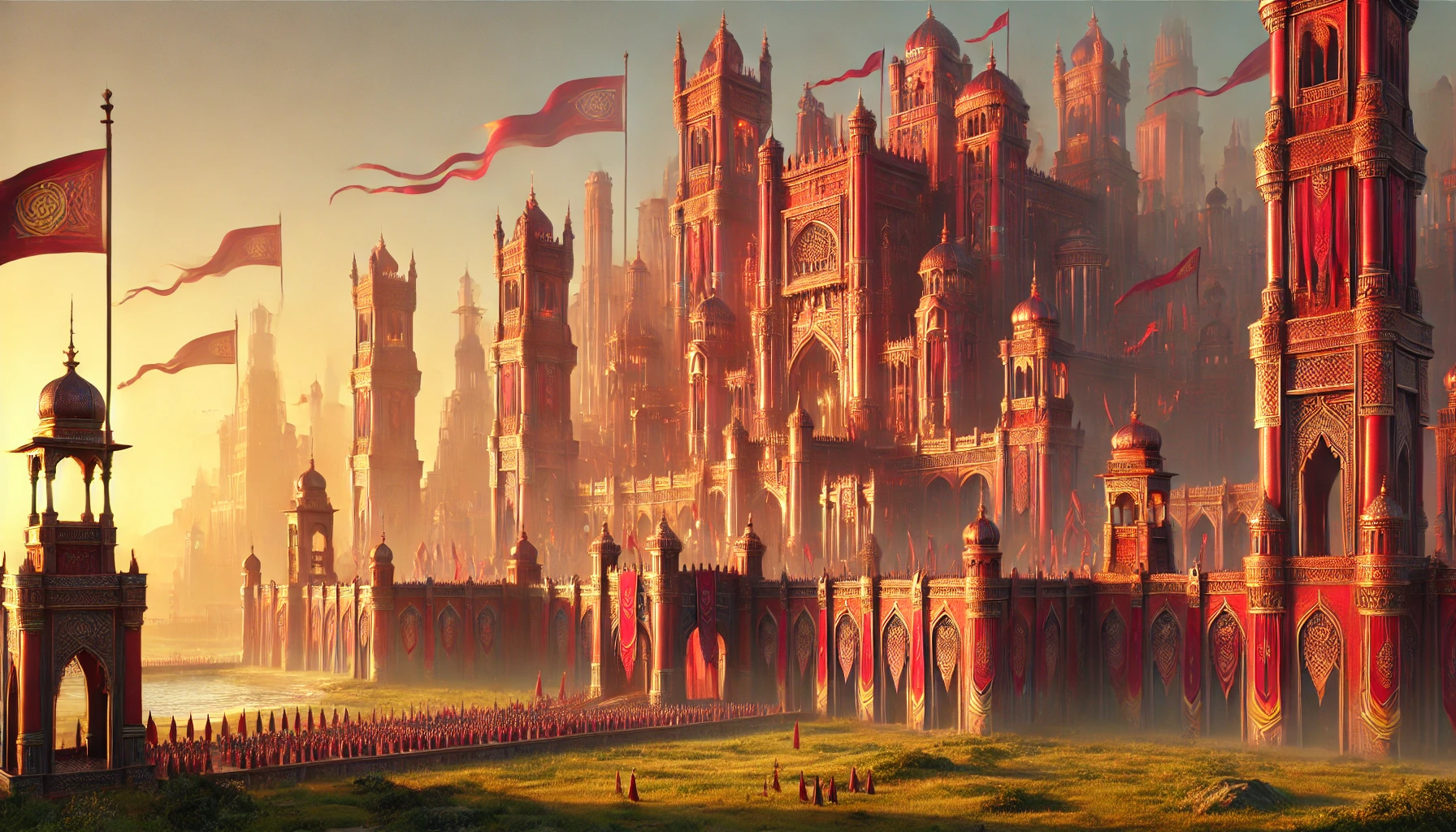
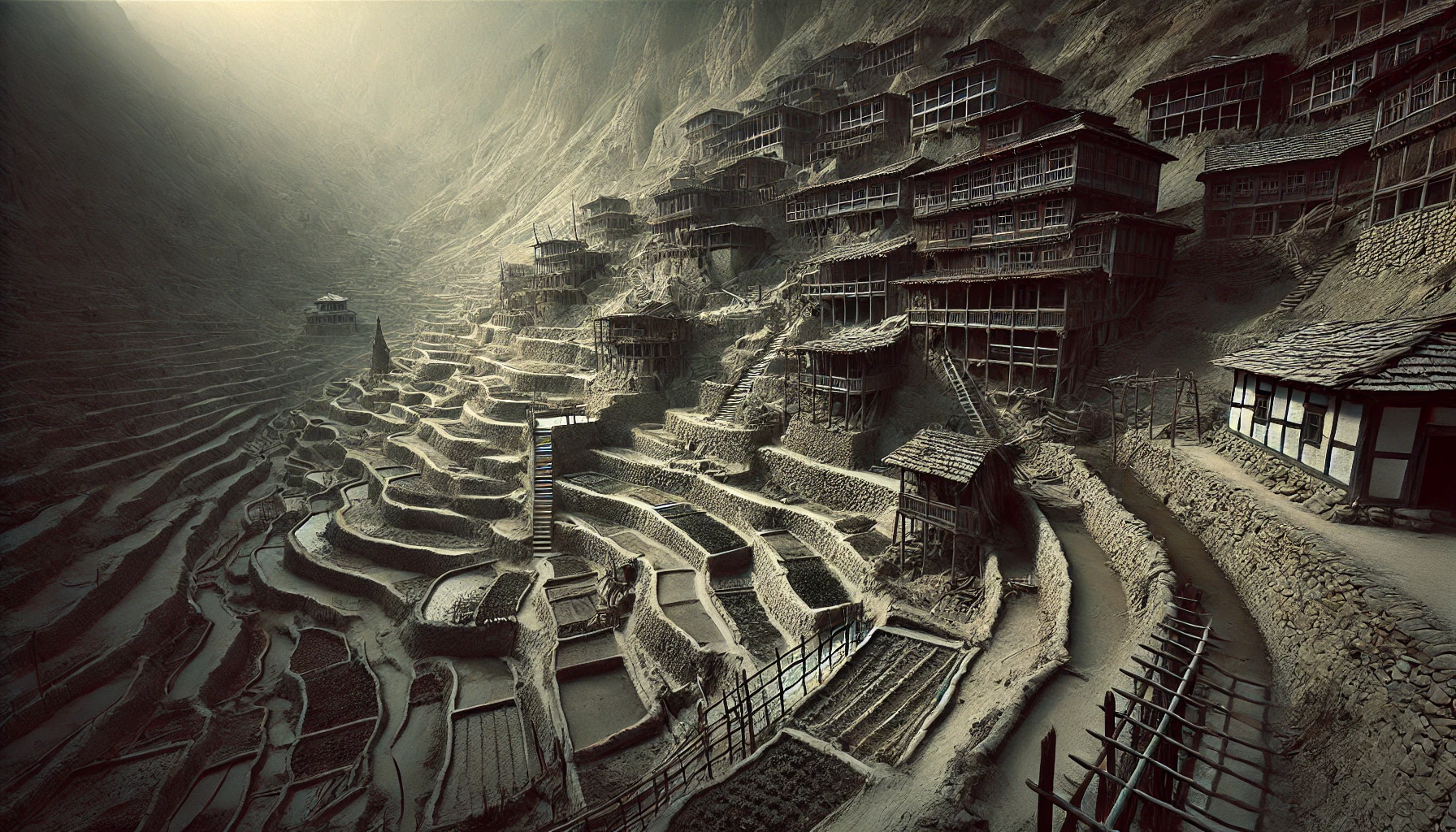
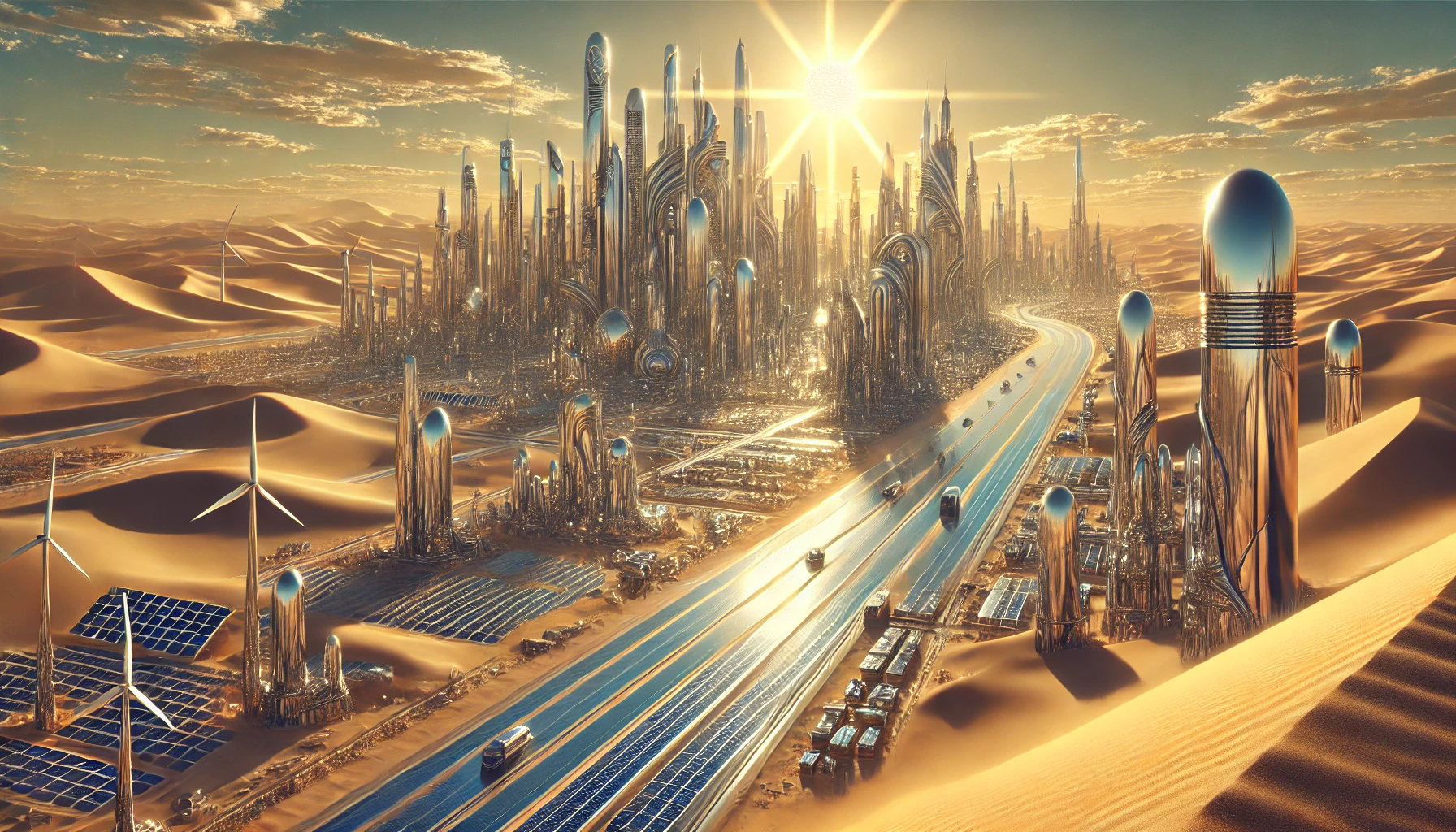
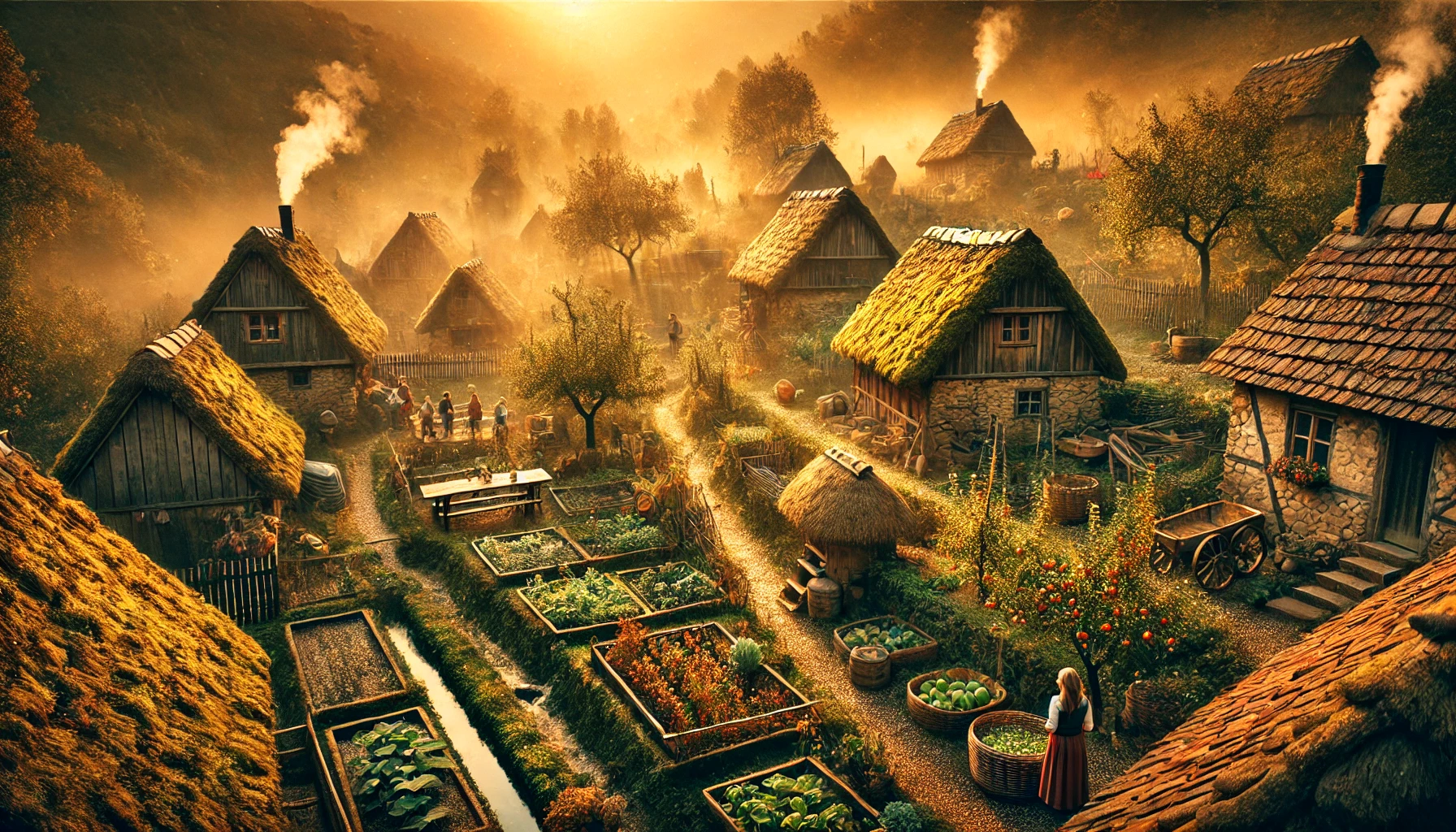
To generate the visuals, I used DALL·E. I first asked ChatGPT to write about 100 prompts for ideal worlds and another 100 for shadow versions. Because the prompts were already prepared, I only had to copy-paste them into DALL·E to create the images.
The five topics I used for the sliders were:
Wealth
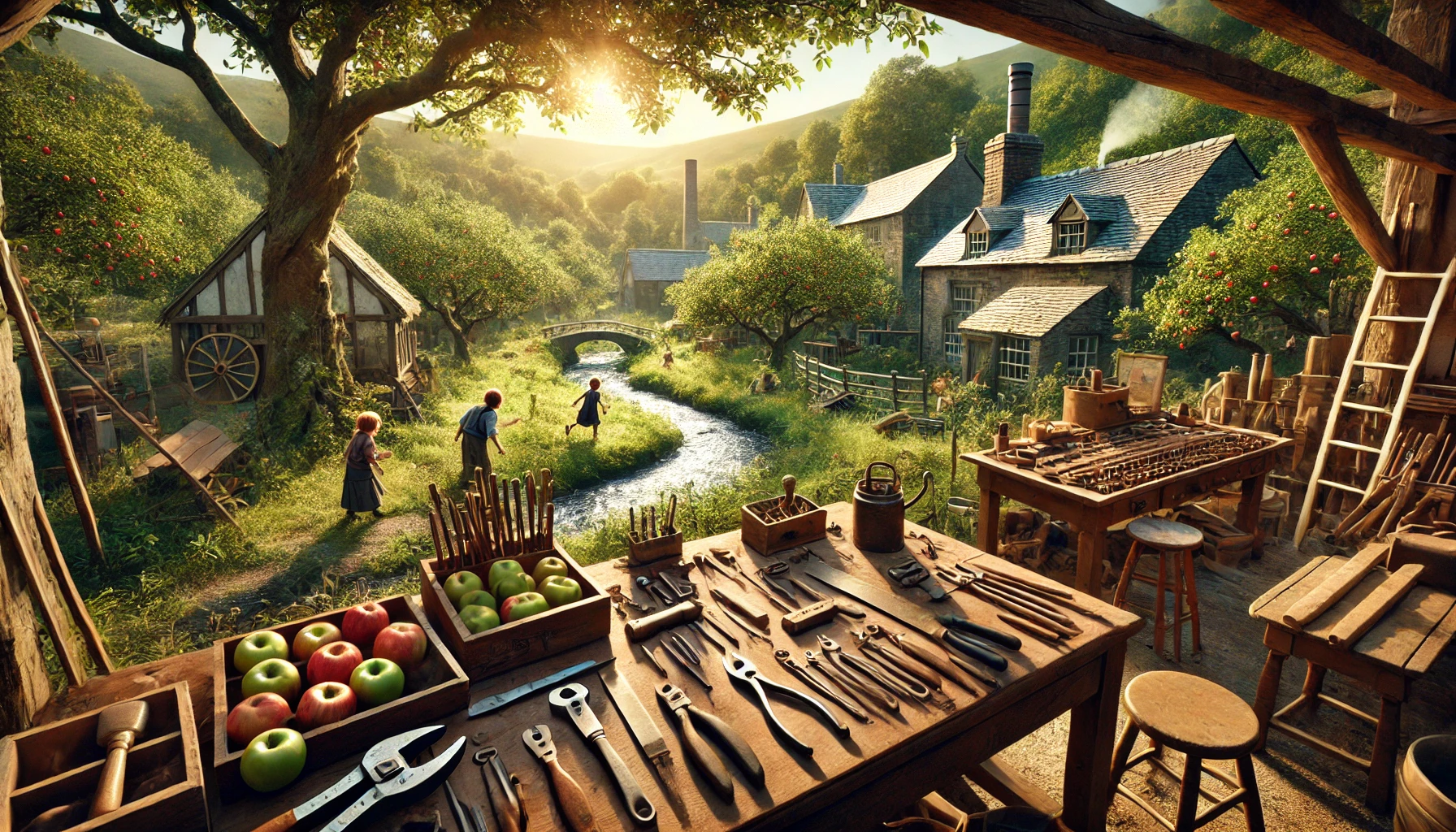
• At one, people live modestly , survival through sharing.
• At five, luxury flows freely, comfort without effort, but also excess.
Technology
• At one, life is handmade and human.
• At five, machines glow and think, progress without pause.
Food
• At one, every meal takes effort.
• At five, abundance never ends, nourishment without need.
Environment
• At one, the world is grey and used.
• At five, nature reclaims everything, green, wild, unstoppable.
Conflict
• At one, there is peace and stillness.
• At five, struggle fuels ambition, until it burns itself out.
For each world, ChatGPT generated:
• a world name,
• the slider values ([x, x, x, x, x]),
• the ideal prompt,
• the shadow prompt,
• and later also a “failure reason” explaining why that world eventually collapses or contradicts itself.
Once all visuals were created, I linked them into TouchDesigner and connected them with the ESP32 controller. With everything working together, the installation was ready for its first exhibition.
Exposition
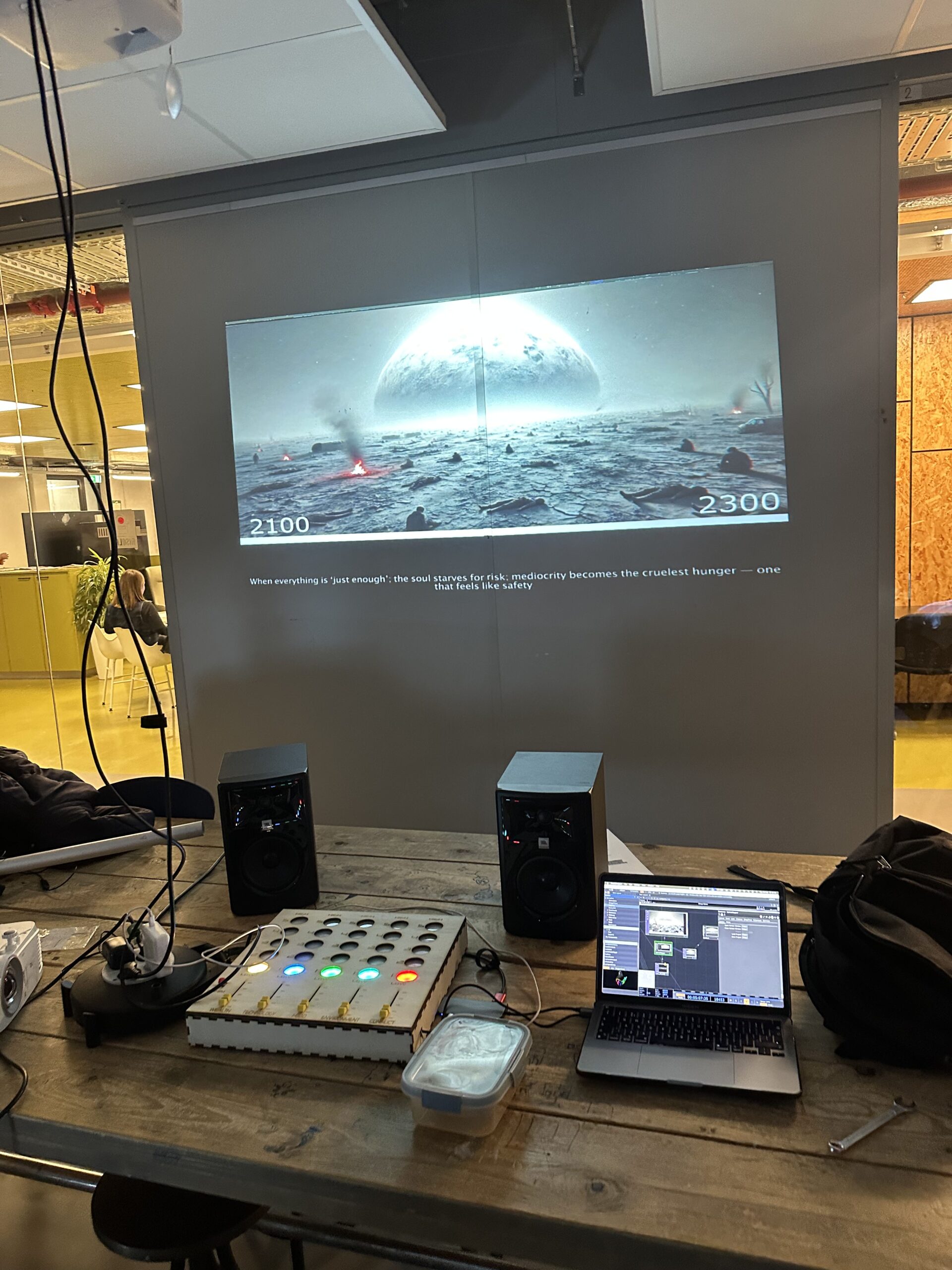
For the exposition, I decided to showcase my Window into a World installation. Unfortunately, I couldn’t get the audio system working the way I intended. I originally created custom TouchDesigner-generated audio for each slider combination. These audio files worked perfectly on headphones, but refused to play through the speakers. In the end, I decided to remove the audio for each slider entirely, as it didn’t add much to the installation in its current form.
During the expo, I received some valuable feedback. Instead of showing the “failure reason” on the screen and handing out a printed explanation, several people suggested using narration. The idea was to let visitors wear a headset and become fully immersed while a warm, old-sounding voice explains the controller, the installation, and the meaning behind each visual world. This approach creates a much deeper sense of presence and understanding. Implementing this narrated experience will be my next step.
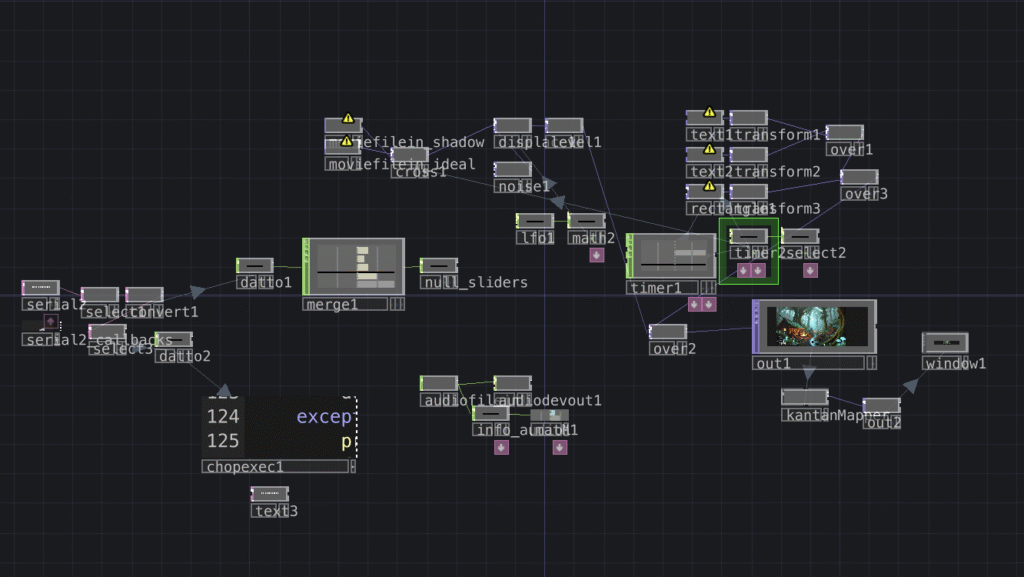
Below is the TouchDesigner project in its current state:
Final version
In my final version, I managed to integrate audio successfully. Each world in the installation has its own failure reason, so I decided to bring these to life through sound. Using text-to-speech AI, I generated a unique narrated audio file for every world. This gave the installation an entirely new layer of depth, instead of simply reading the explanation, visitors could hear the downfall of their world unfold.
To make the experience even more immersive, I also created an intro video and several start and end screens. These helped frame the installation as a complete journey: from entering the world, to shaping it, to witnessing both its ideal and its shadow side. With these additions, the installation became more atmospheric, more engaging, and more cohesive overall.
Full installation
Intro Video
Visuals





Reflection
Working on Window into a World taught me a lot about combining concept, storytelling and technology. The idea that every ideal world also carries a shadow became the heart of the installation. This insight shaped both the artistic choices and the technical structure and showed me how powerful a strong concept can be when every element supports it.
Building the controller, creating the visuals, generating the audio and connecting everything inside TouchDesigner pushed me into areas I had not explored this deeply before. It was challenging to keep the system stable and to make all parts work together, but these difficulties taught me how complex interactive installations really are and how rewarding it is when everything finally functions smoothly. I had to go back 2 steps sometimes to get back where I started when something went totally wrong.
The exposition played an important role in improving the project. Watching people interact with the installation made clear what worked and what needed more clarity. The suggestion to use narration instead of written explanations helped me understand the importance of immersion and guided me toward a stronger final result.
Overall, this project strengthened my confidence in creating interactive experiences. It showed me the value of iteration, feedback and persistence and it made me excited to continue developing installations that blend technology with meaningful storytelling.